
After a tooth extraction, avoid hard, crunchy, sticky, spicy, acidic, and very hot foods for at least the first 24–72 hours. Foods to avoid after tooth extraction include chips, nuts, popcorn, seeds, crusty bread, chewy candy, spicy dishes, citrus, and foods that can break into small pieces and enter the socket. Choose soft, cool or lukewarm foods such as yogurt, mashed potatoes, eggs, smoothies eaten with a spoon, and soft pasta until chewing feels comfortable.
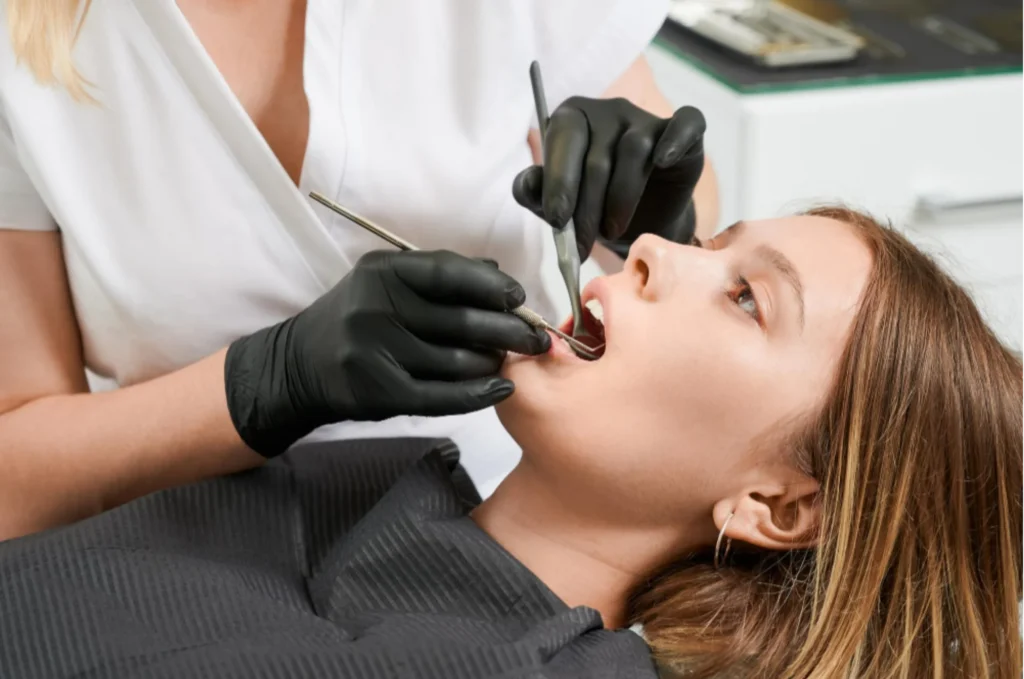
Right after your procedure, a blood clot forms over the wound. That clot does the real work of protecting the bone and nerve underneath while new tissue grows in. Skip foods that put that clot at risk through pressure, heat, or suction.
Here is what not to eat, and why each category matters:
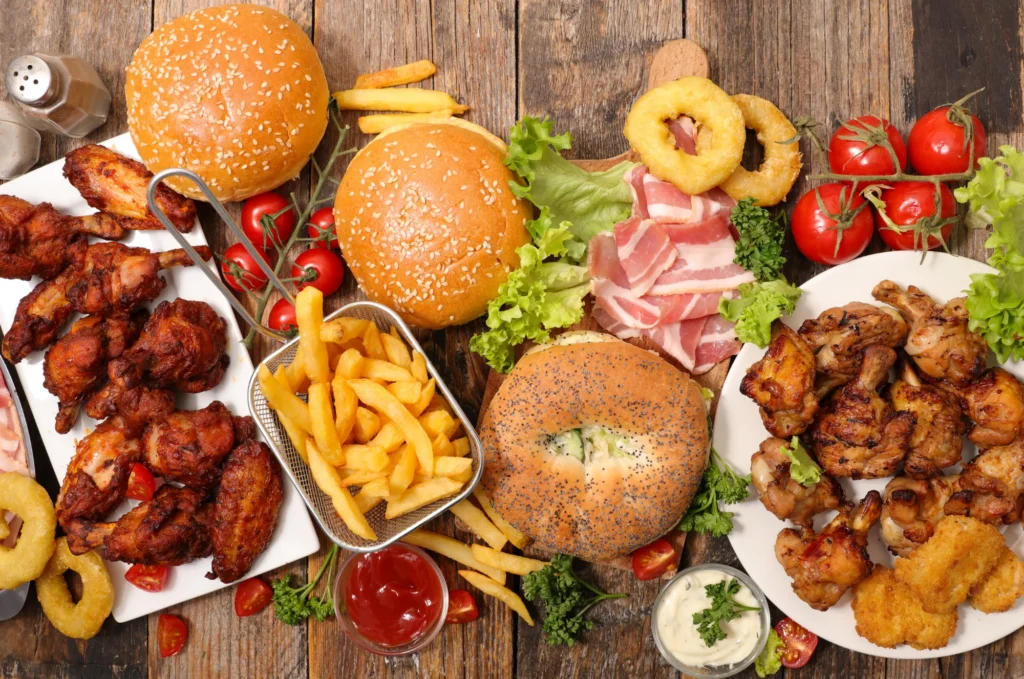
Chips, nachos, nuts, popcorn, and raw vegetables can scrape the socket or lodge directly inside it. Crunchy items also break into small fragments that get trapped where you least want them.
Chewy and sticky options like steak, caramel, taffy, and gum press on healing tissue every time you bite down. Gummies belong here too. If you are wondering, you can eat gummies after a tooth extraction; wait until chewing feels normal, usually around a week.
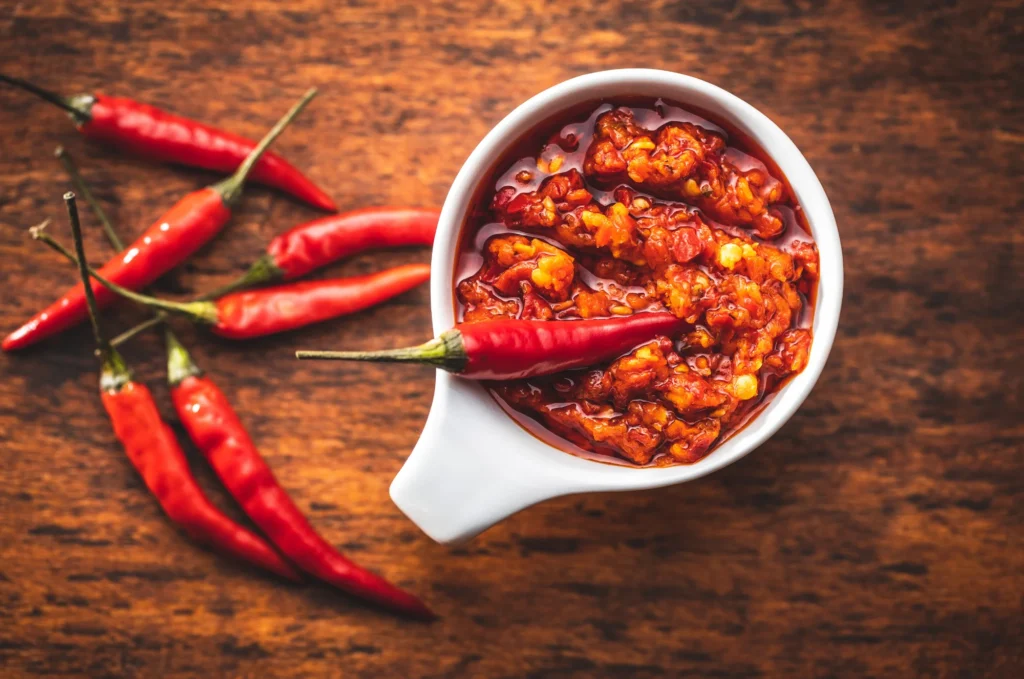
Heat can break down a clot before it stabilizes, which raises your risk of complications. Spicy dishes irritate exposed nerve endings around the wound, and acidic items sting on contact. Let food and drinks cool to room temperature, and skip the hot sauce until you are fully healed.
Ketchup catches people off guard. It’s tomato-based and mildly acidic, so that it can burn an open socket in the first few days. Can I eat ketchup after tooth extraction? Give it about four days, then start with a small amount on soft food.
Pickles pair acid with crunch, which is the worst combination this early. Most patients asking, “Can I eat pickles after a tooth extraction?” do best waiting a full week, then chewing on the opposite side.
Pizza raises three problems at once: the crust is firm, the cheese is stringy, and the sauce is acidic. Can you eat pizza after getting a tooth pulled? Not in the first few days. Around day 5 to 7, a cooled slice with a soft crust is usually manageable.
Citrus, vinegar dressings, and sour candy sit in the same group. If you are asking, “Can I eat sour food after tooth extraction?” treat the sourness itself as your signal to wait.
This comes up more than almost any other food question, and the answer depends on timing, along with the rest of your wisdom teeth removal recovery.
A quesadilla looks soft but is not risk-free. The tortilla needs real chewing, the filling arrives hot, and stringy cheese can tug at a forming clot. Can I eat melted cheese after tooth extraction? Cooled, soft cheese is fine early on; hot, stretchy cheese is not.
Can I eat a quesadilla 3 days after wisdom teeth removal? Usually not yet. By day three, the clot has set but stays fragile, and chewing a folded tortilla puts direct pressure on the surgical site.
Can I eat a quesadilla 7 days after wisdom teeth removal? For most people, yes. Let it cool, cut it into small pieces, use minimal filling, and chew on the side away from the socket. Skip salsa, jalapeños, and anything crisped hard on the edges.
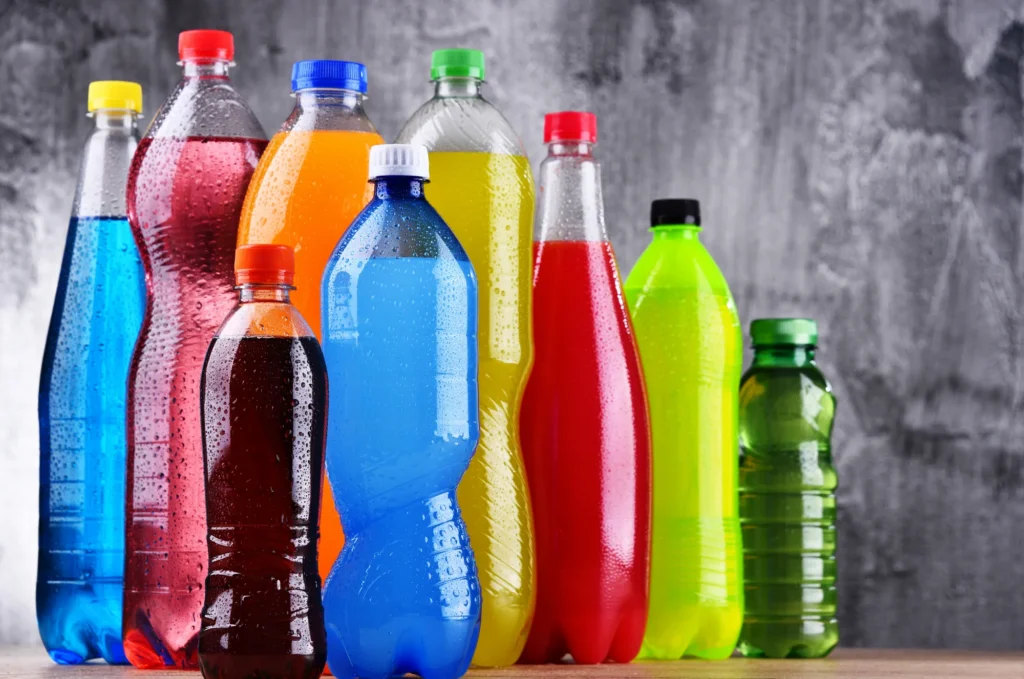
Alcohol thins your blood and can interact poorly with pain medication. A straw creates suction that can dislodge the clot, raising the risk of dry socket, one of the more common ways people set back their own healing. Carbonated drinks create a similar pressure problem, and most dentists suggest waiting three to seven days before soda or sparkling water. Skip all three for at least the first week, longer if your dentist advises it.
Suppose your procedure included a bone graft, particularly when preparing for dental implant treatment, plan on a longer window of caution, usually two to three weeks rather than a few days. The graft material needs uninterrupted time to fuse with your jawbone, so the same trigger foods apply, just for longer. Your dentist will give you a timeline specific to your graft, since healing pace varies more here than after a simple removal.
The mechanics matter here: what forms in the socket in the first 24 hours determines how the rest of the week goes.
Think of the clot as your body’s own bandage. It seals off bone and nerve endings, blocks bacteria, and gives new tissue something to grow from.
Research published in the Journal of the Korean Association of Oral and Maxillofacial Surgeons describes dry socket as a wound where exposed bone stays uncovered by a clot for days afterward, which is exactly what disrupting that clot early can cause. Anything that disturbs it, including sharp edges, suction, and aggressive chewing, exposes raw bone and restarts the clock.
Dry socket happens when the clot comes loose too early or never forms properly. Smoking, vaping, straw use, and vigorous rinsing are the most common causes. Research in the Journal of the Korean Association of Oral and Maxillofacial Surgeons notes it affects a small share of routine cases. Still, it becomes far more common after impacted wisdom teeth removal. It typically appears two to three days later as a dull, radiating ache, and while it is treatable, it adds real time to recovery.
The good news is the eating side is more forgiving. Here’s what works, broken down by how many hours or days out you are.
Stick to liquids and very soft options:
Water is your best drink here. Anything requiring chewing can wait.
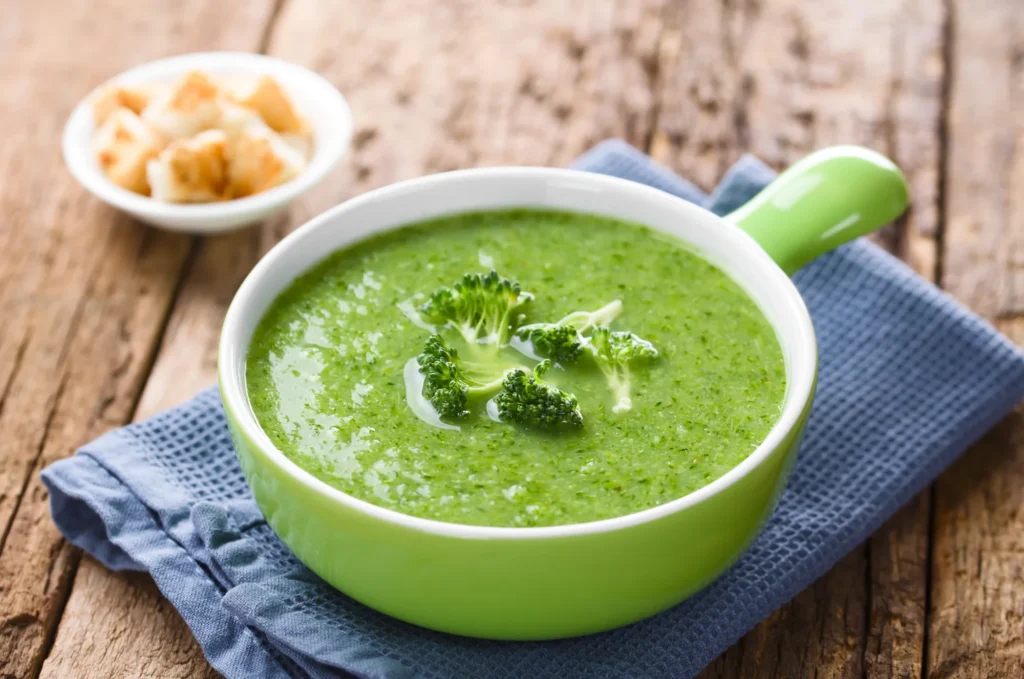
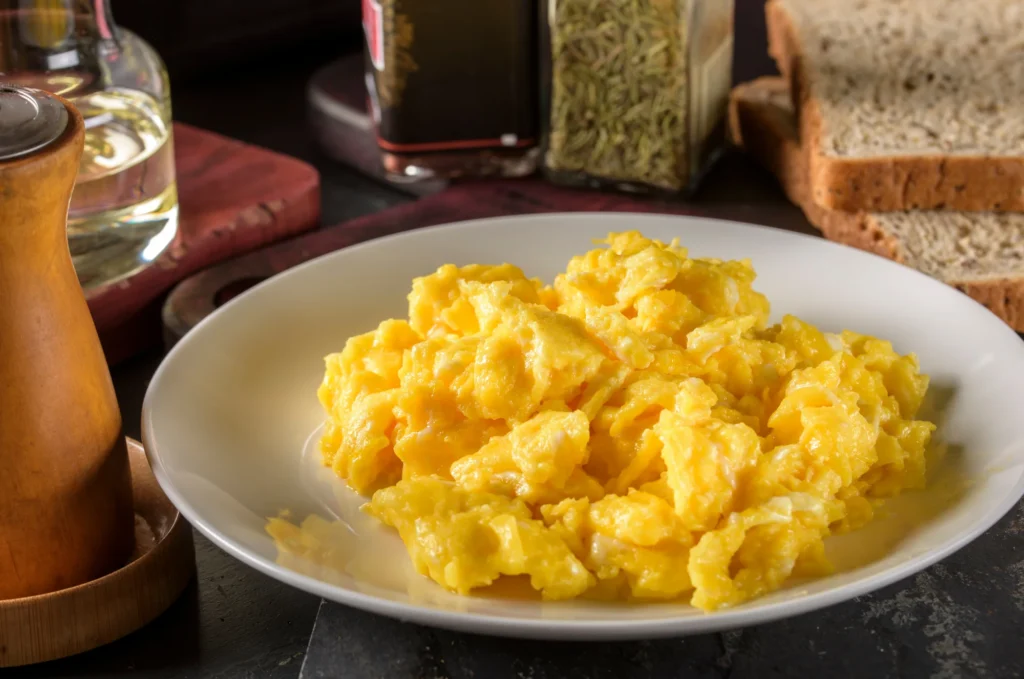
As swelling eases, add scrambled eggs, cream of wheat, oatmeal, and soft pasta. Chew on the opposite side of your mouth to keep pressure off the healing area. If something feels uncomfortable, go back to liquids for another day before trying again.
Over the following week, your options open up considerably. Sorting them by category makes shopping easier:
That answers what soft foods you can eat after a tooth extraction, with far more variety than the first day’s liquid diet.
What you eat matters as much as what you avoid. Protein rebuilds soft tissue, so include some at every meal, even blended into a smoothie or soup.
Healthy fats from avocado, olive oil, and nut butters support wound repair, while vitamin C and iron help tissue rebuild. Cooked spinach, mashed beets, and pureed berries cover both with no chewing.
Most people return to a full, normal diet within 1 to 2 weeks, though tooth extraction healing time varies by case. Simple cases heal faster; surgical removals, wisdom teeth removal, and bone grafts usually take longer. If chewing still hurts past the two-week mark, check in with your dentist rather than pushing through it.
| Timeframe | Usually safe | Still avoid |
|---|---|---|
| Day 1–2 | Broth, yogurt, applesauce, mashed potatoes, gelatin, smoothies with a spoon | Ketchup, pickles, pizza, quesadillas, nachos, gummies, alcohol, straws, soda |
| Day 3–4 | Scrambled eggs, oatmeal, soft pasta, cottage cheese, a small amount of ketchup on soft food | Quesadillas, pizza, pickles, nuts, chips, nachos, chewy candy |
| Day 5–7 | Tilapia and other soft fish, shredded chicken, hummus, cooled cheese quesadilla cut small, cooled pizza with soft crust | Pickles, gummies, popcorn, seeds, crusty bread, hot sauce, spicy dishes |
| Week 2 and beyond | Most normal foods, reintroduced slowly and chewed away from the socket | Anything that causes pain; after a bone graft or wisdom teeth removal, keep avoiding hard and crunchy foods for two to three weeks |
Reintroduce firmer foods gradually: start with soft pasta and shredded chicken before moving to steak or crunchy salad. If something hurts, drop back a stage for a day or two.
Diet is only one piece of it. Rest for the first 24 to 48 hours, keep your head slightly elevated when lying down, and avoid sleeping on the side where the work was done. Skip strenuous exercise for a few days, since raising your blood pressure can dislodge the clot.
After the first day, do gentle saltwater rinses to keep the area clean without disturbing the healing tissue underneath. For more on cleaning teeth after extraction, brush normally but avoid the surgical site itself, and skip mouthwash unless your dentist says otherwise. Stay hydrated too; water supports tissue repair and helps flush bacteria. Skip the straw.
At Smile Lab, Dr. Waise Ebrahimi takes a preventive, conservative approach to aftercare, focused on protecting natural tissue rather than rushing recovery. In practice, that means clear, specific guidance upfront so you are not guessing your way through the week.
Reach out right away if you notice:
These signs can point to infection or dry socket, and catching early signs of a wisdom tooth infection makes treatment far simpler. If you have severe pain, uncontrolled bleeding, or increasing facial swelling, Smile Lab offers same-day emergency dental care in Union Square.
Soft, room-temperature options with protein, scrambled eggs, yogurt, and blended soups support healing without stressing the wound.
Water, taken slowly without a straw. Smoothies work too, with a spoon.
Most people return to a normal diet within one to two weeks, depending on how the procedure went.
A small amount on soft food is usually tolerable by day three, though many people find it still stings. If it does, wait another day or two.
Not right away. Most patients manage a plain, cooled cheese quesadilla around day five to seven, cut into small pieces.
Most people can eat solids between 7 and 10 days, depending on complexity, healing speed, and whether any complications develop.
Skip anything hard, crusty, or seeded early on. Soft bread without crust is fine after a few days.
The American Dental Association offers general guidance on recovery after a tooth is removed.
If something does not feel right during recovery, or you are unsure whether what you are experiencing is normal, the team can walk you through it. Schedule a consultation if pain, swelling, or anything else is not easing on its own.