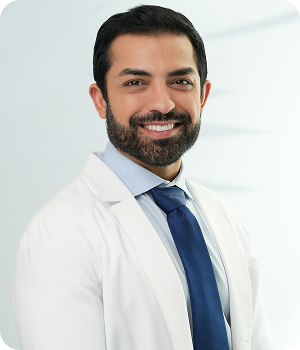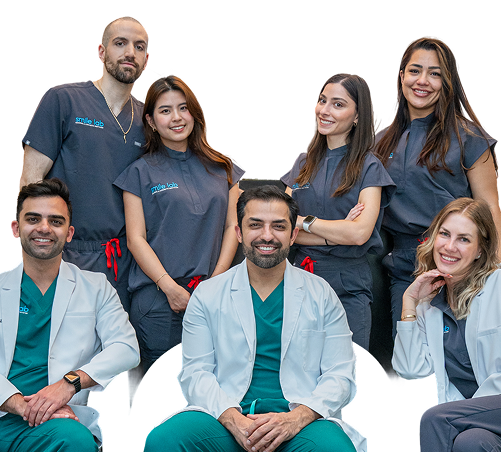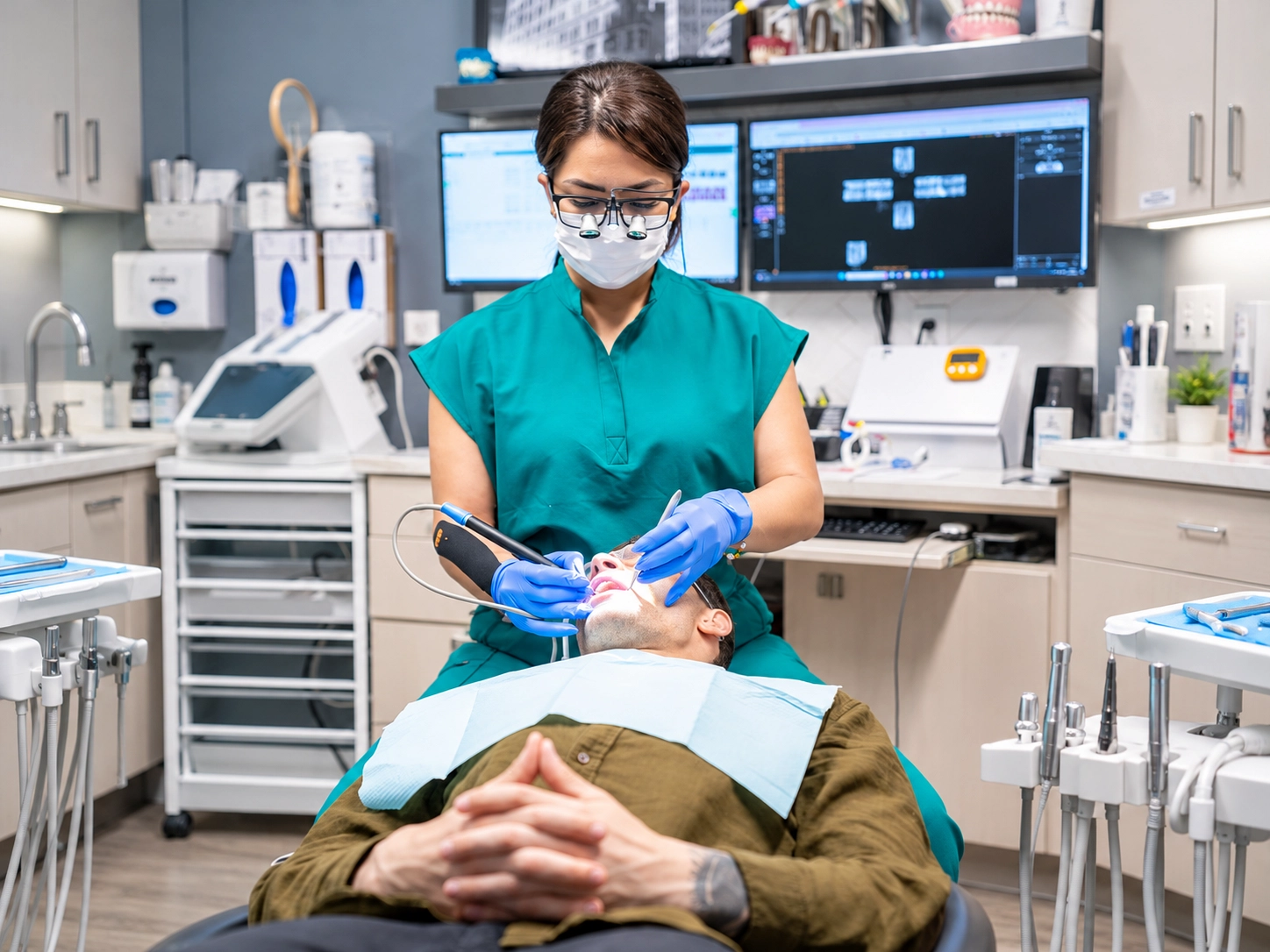
Periodontists complete three years of specialty training focused on gum health, bone regeneration, and implant placement. Prosthodontists focus on replacing missing teeth with crowns, bridges, and dentures. General dentists with proper training may also place implants or work with specialists to complete treatment. At Smile Lab in Union Square, Manhattan, Dr. Waise Ebrahimi has training in dental implant placement and helps patients understand their options.
Key Takeaways
- General dentists, oral surgeons, periodontists, and prosthodontists can provide implant treatment based on their training and experience.
- Oral surgeons focus on surgery, periodontists treat gums and supporting bone, and prosthodontists restore missing teeth.
- The best provider depends on your bone health, treatment needs, and the dentist’s qualifications.
- A consultation helps you understand whether you need a single implant, multiple replacements, or specialist care.
Can a General Dentist Perform Dental Implants?
Yes, general dentists with the right training can place and restore implants. Some take additional courses in implant dentistry to learn surgical skills, plan treatment, and manage potential complications.
A trained general dentist may handle simple cases when the gums and jawbone are healthy. Understanding what dental implants are and whether they are safe can help you make an informed choice. More complex cases may need a specialist.
Oral and Maxillofacial Surgeons
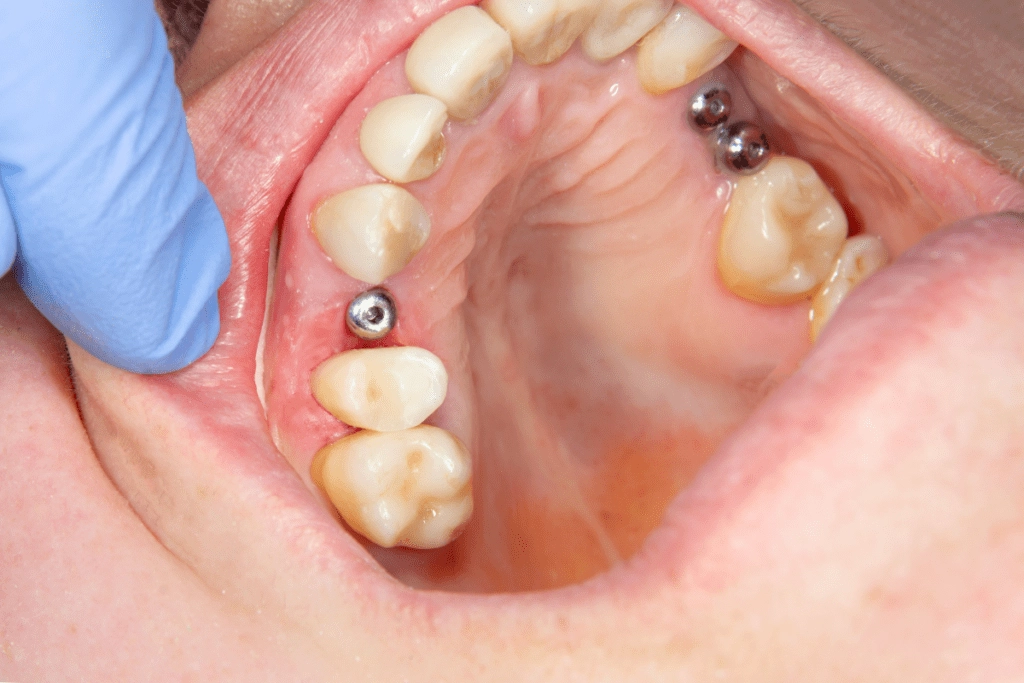
Oral and maxillofacial surgeons specialize in surgery involving the mouth, jaw, and face. They complete hospital-based training after dental school to manage complex procedures.
Their work includes dental implant surgery, bone grafting, and difficult tooth extractions. They may be a good choice for patients with major bone loss, complex jaw conditions, or several surgical needs.
Periodontists
Periodontists specialize in the gums and bone that support your teeth. They treat gum disease, perform gum surgery, and place implants.
Their training is helpful when gum or bone problems need treatment before surgery. For example, a patient with active gum disease may need treatment before a dentist can place an implant.
Prosthodontists
Prosthodontists specialize in replacing missing teeth and restoring damaged ones. Their training covers crowns, bridges, dentures, and full-mouth tooth replacement.
They focus on how replacement teeth look, fit, and work together. Some also place implants, while others work with a surgeon or another qualified provider.
How to Choose the Best Implant Dentist
The best provider has the right training, experience, and a treatment plan that fits your needs. A specialist title alone does not guarantee better results.
If you’re wondering what a dental implant specialist is called? or which dental specialty performs dental implants, the answer depends on the type of care you need. Periodontics, prosthodontics, and oral and maxillofacial surgery are recognized dental specialties. Implant dentistry itself is not a separate specialty recognized by the American Dental Association.
Is a Periodontist or Oral Surgeon Better?
Neither specialist is always the better choice. Periodontists focus on gum and bone health, while oral surgeons have broad training in mouth and jaw surgery.
A periodontist may be helpful if gum disease affects your treatment. An oral surgeon may be a good option for difficult extractions or major jaw surgery. Both can place implants safely when they have the right skills and experience.
What Qualifications Should You Look For?
Ask about the dentist’s training, experience, and success with cases like yours. A qualified provider should explain the procedure, potential risks, healing time, and other treatment options.
Useful questions include:
- How often do you perform this treatment?
- Will you place the implant post and restore the tooth?
- What happens if I need a bone graft?
- How will you check my healing and long-term results?
A good provider should also consider whether your natural teeth can be saved before suggesting replacement.
When Do You Need a Specialist?
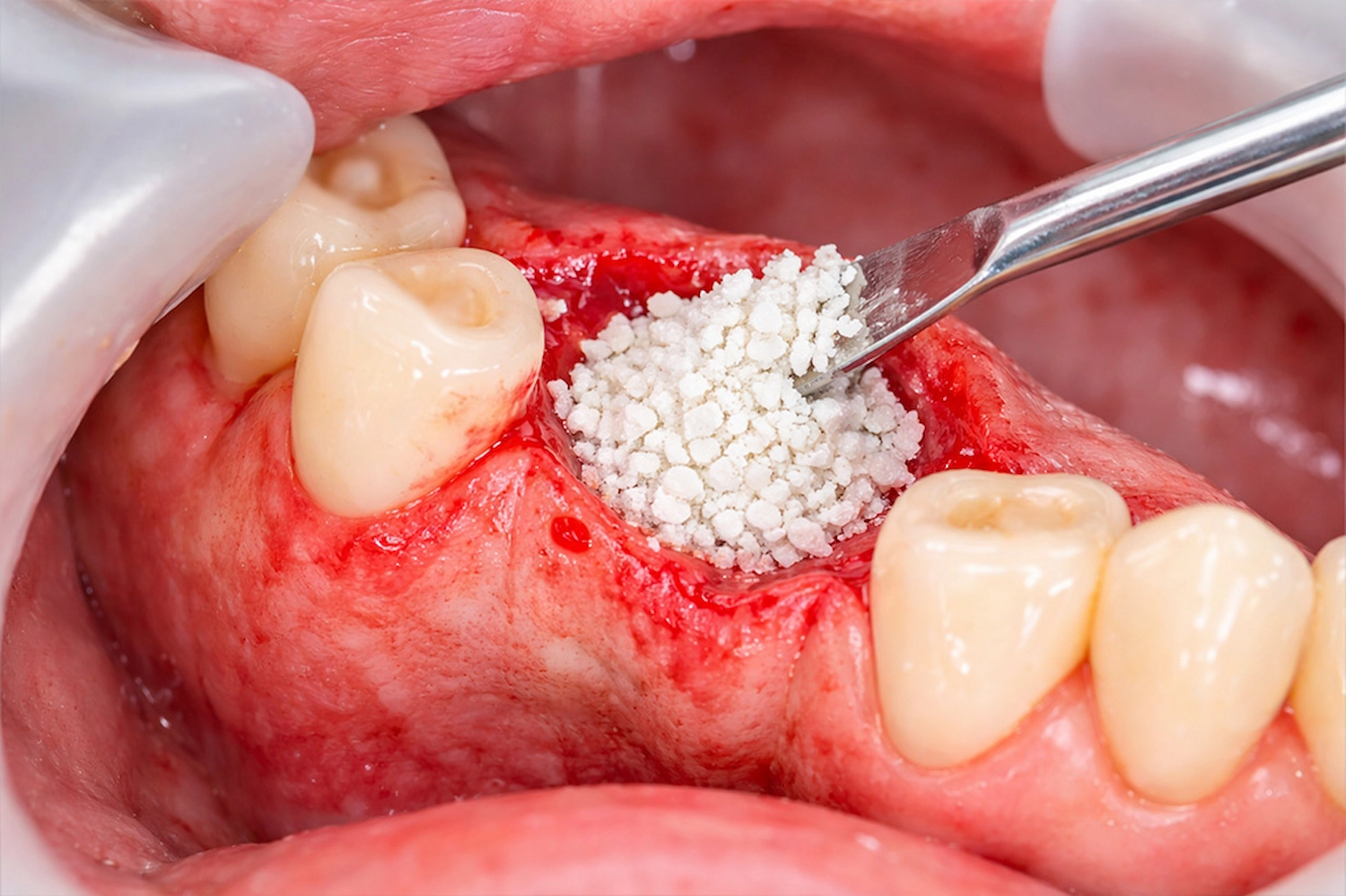
You may need a specialist if implants require major bone grafting, sinus lifts, difficult extractions, or full-mouth restoration.
If an existing implant develops serious complications, a specialist can assess whether the implant can be removed and explain your options. An exam helps determine whether one dentist can manage your treatment or whether a team of providers is better.
How Much Does a Full Set of Implants Cost?
A full set of dental implants can cost tens of thousands of dollars. The total depends on how many implants you need, the type of replacement teeth, and whether one or both jaws need treatment.
At Smile Lab in Manhattan, a single dental implant costs $5,950, including the implant body ($2,650), abutment, and crown ($3,300). Full-mouth restorations require a personal estimate because the number of implants and treatment needs vary.
Implant-supported dentures may cost less than fixed full-arch teeth. Bone grafting, tooth extractions, and other procedures can also increase the price.
Before starting treatment, ask what your estimate includes. Surgery, temporary teeth, final restorations, and follow-up visits may have separate fees. A personalized treatment plan will help you understand the total cost.
What to Expect at Your Implant Consultation
Your first visit focuses on what your teeth and gums need, not on committing to surgery. Your dentist will examine your mouth, check your gums and jawbone, and review your health history. Digital imaging may help assess bone levels and plan where the implant should go. Your dentist can also explain how cleaning dental implants helps protect your gums and replacement teeth over time.
You’ll also discuss your treatment options, how long it takes to get a tooth implant, healing time, costs, and possible risks. If you’ve delayed care because of fear, cost, or a past experience, this is a good time to share your concerns.
If you’re considering tooth replacement in Manhattan, you can schedule a consultation to learn which option fits your needs and what to expect next.