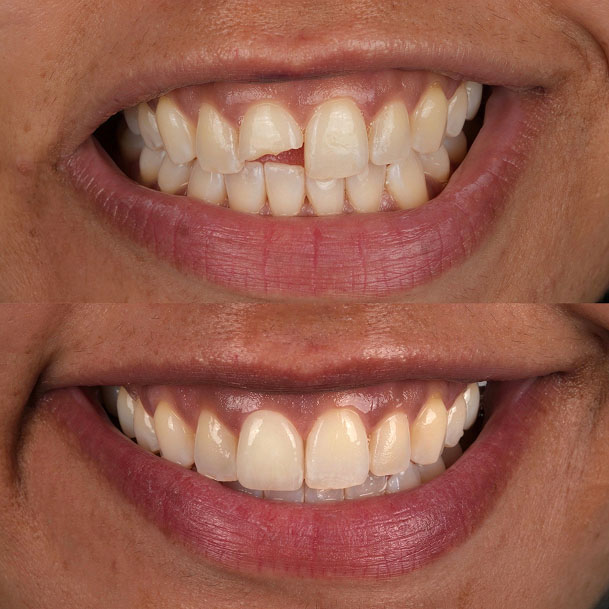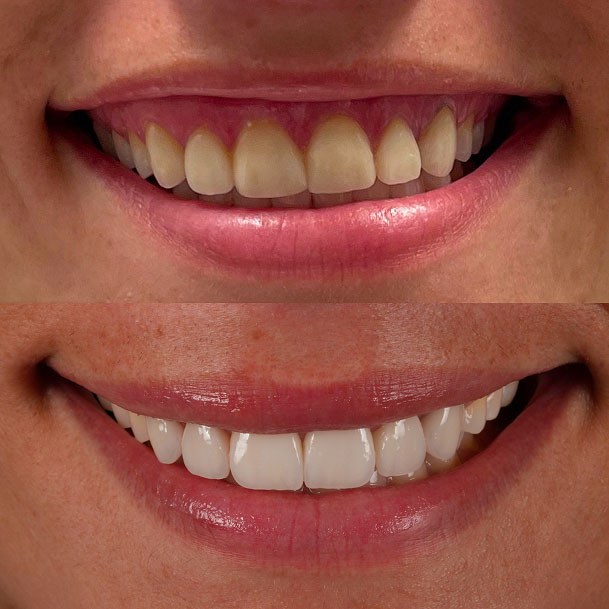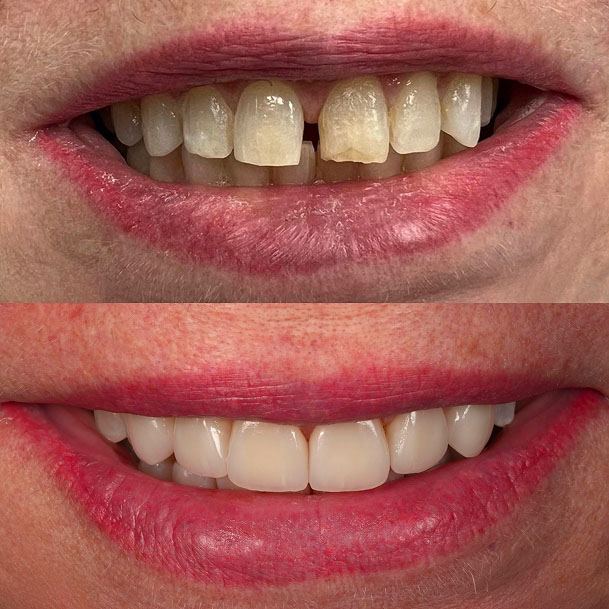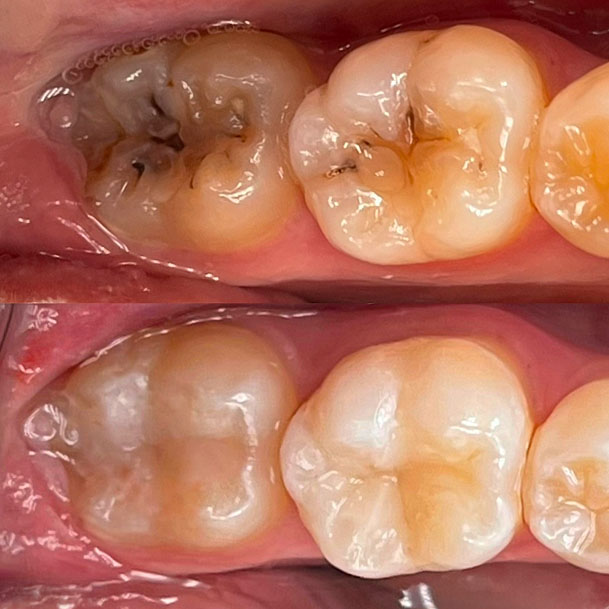
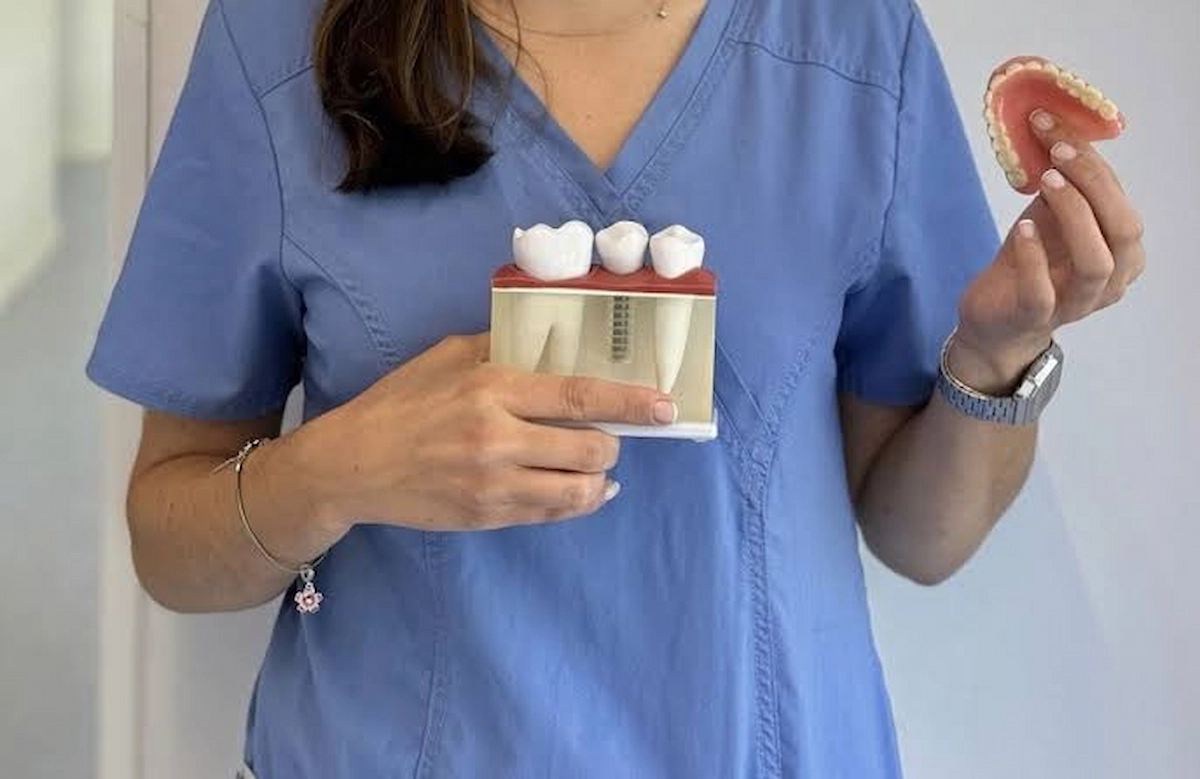
Watch for repeated bleeding, swelling, bad breath, pain after healing, or movement in the crown or bridge. These changes may signal trapped plaque, inflammation, or a loose restoration. At Smile Lab, your care team can check the gums, bone support, bite, and implant site, then show you which tools fit your restoration.
Key Takeaways
- Brush twice daily with a soft-bristled brush and remove plaque around the gumline, nearby teeth, and hard-to-reach spaces.
- Use low-abrasion toothpaste and avoid stiff brushes, metal picks, bleach, and products that may scratch the implant.
- Match your routine to your restoration, since single crowns, bridges, full arches, and removable dentures need different care.
- Bleeding, swelling, persistent bad breath, pain after healing, or loose parts may signal inflammation or a mechanical problem.
- Professional implant maintenance helps remove buildup, assess bone support, and correct problems before they progress.
Do Dental Implants Need Cleaning?
Yes. Dental implants require daily care because bacteria still collect around the crown, abutment, and gumline. Without regular plaque removal, the surrounding tissue can become inflamed.
Good home care protects more than the visible tooth. It also supports the gums and bone that hold the restoration in place, which contributes to long-term success.
How to Care for Dental Implants at Home
Use a soft-bristled brush and gently brush the crown, gumline, and nearby teeth. Hold the brush at a slight angle so the bristles reach the edge of the restoration without heavy pressure.
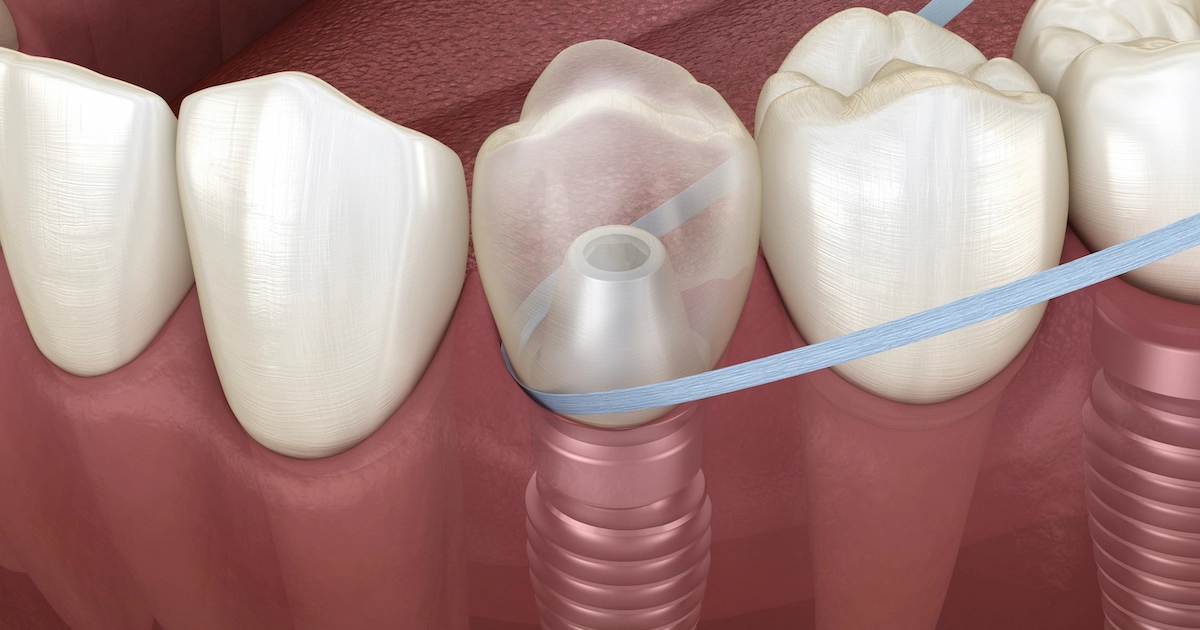
Clean between the teeth with implant floss, a floss threader, or an interdental brush. The tool should pass through the space without forcing, snapping, or rubbing against the gum tissue.
A rinse can help remove loosened debris, but it should not replace brushing and flossing. Some patients may use an alcohol-free mouthwash based on their gum health and dentist’s guidance.
A newly placed restoration needs different care from a fully healed one. Follow the post-surgery instructions from your dentist and avoid brushing directly over the surgical area until you are told it is safe.
Tools for Daily Care
Choose tools that remove plaque without scraping the gums or implant surfaces. The right option depends on the spaces around your crown, bridge, or full arch.
- Soft-bristled toothbrush: Cleans the visible surfaces and gumline with less risk of irritation.
- Floss threader: Guides floss beneath bridges or through connected crowns.
- Interdental brush: Reaches wider spaces that standard floss may miss.
- Water flosser: Helps clear debris from beneath bridges and full-arch restorations.
Use each tool with light pressure and controlled movements. Your dentist or hygienist can confirm the correct size, angle, and setting for your restoration.
Safe Products for Implant Restorations
Choose low-abrasion toothpaste and an alcohol-free rinse when appropriate. Fluoride toothpaste can still protect the natural teeth that remain in your mouth.
Avoid abrasive toothpaste, stiff brushes, metal picks, baking soda, bleach, and household products. These items may scratch the implant crown or create rough areas where plaque can collect.
Your dentist may recommend a different product if you have dry mouth, sensitive gums, or a complex restoration. Product choice should support plaque removal without irritating the tissue.
Care by Restoration Type
- A single-tooth restoration can usually be cared for much like a natural tooth. Brush around the gumline and clean both sides with floss or an interdental tool.
- A dental implant bridge needs attention beneath the connected teeth. Floss threaders, super floss, interdental brushes, or a water device may help reach this area.
- A fixed full-arch restoration does not come out at home. Reach along the gumline and beneath the bridge, since food may collect under the arch even when the visible teeth look clean.
- Implant-supported dentures should be removed and cared for as directed. Brush the denture with a non-abrasive product, then clean the gums, tongue, attachments, and surrounding tissue before placing it back.
What Happens Without Proper Care?
Plaque can cause redness, tenderness, swelling, or bleeding around the restoration. Early inflammation may improve when the buildup is removed, and the daily routine becomes more consistent.
If inflammation progresses, it may develop into peri-implantitis, a condition that affects the tissue and bone around the restoration. Poor plaque control can increase the risk of peri-implant disease and, in advanced cases, implant failure.
Treatment depends on the depth of the problem. It may include professional care, infection control, or more advanced periodontal treatment when bone loss is present.
Professional Dental Implant Cleaning
Professional visits reach areas that may be difficult to manage at home. A hygienist uses implant-safe tools to remove plaque and hardened buildup without damaging the restoration.
Your dentist may also check gum depth, bite, stability, and supporting bone. Low-radiation digital imaging may be used when the clinical exam shows a reason to evaluate the area below the gumline. Some offices may also use high-pressure water teeth cleaning to remove deposits in suitable areas, although the method depends on the restoration and gum condition.
Among the different types of teeth cleaning, deep cleaning may be needed when inflammation extends beneath the tissue. At Smile Lab in Union Square, Dr. Waise Ebrahimi uses his implant training and preventive approach to identify problems early and protect the restoration before treatment becomes more complex.
Many patients benefit from professional care every three to six months, although the right teeth cleaning schedule varies. Gum history, restoration type, smoking, dry mouth, plaque buildup, and daily care can all affect the schedule.
Signs Your Implant Needs Attention
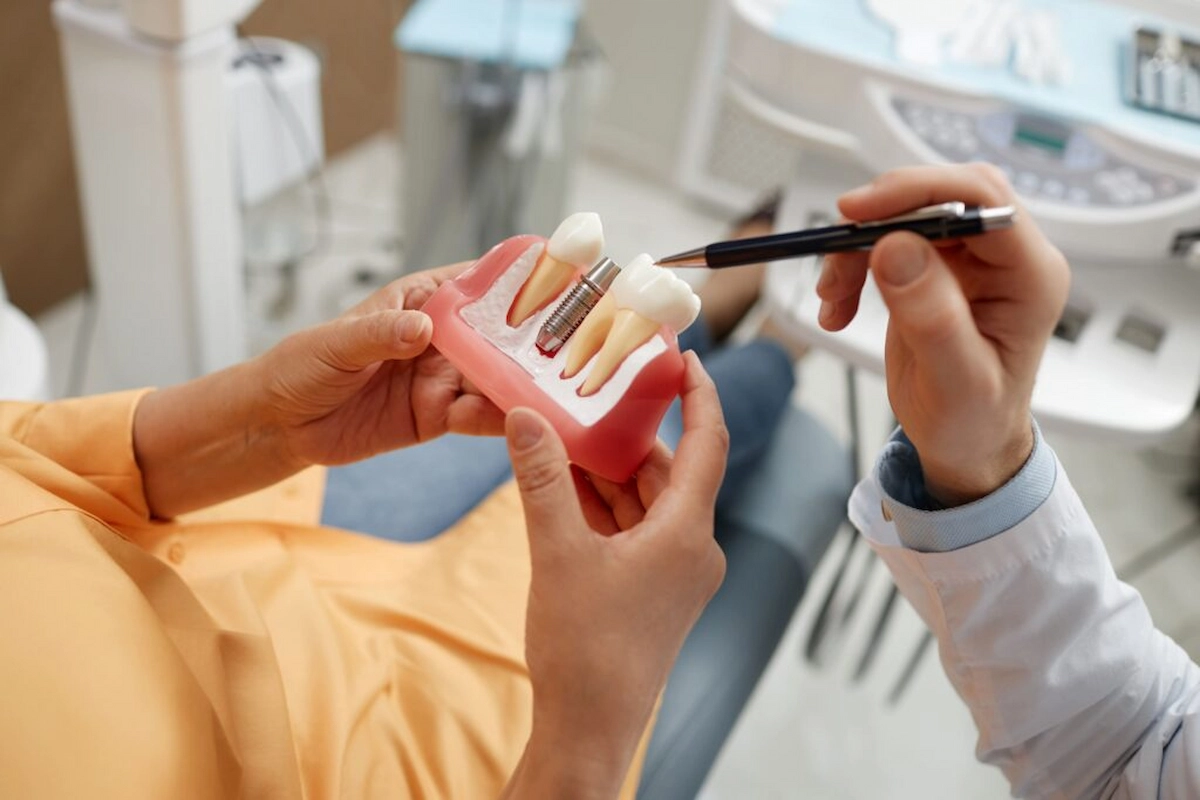
Bleeding, redness, or swelling may indicate plaque buildup or early inflammation. These signs are not always urgent, but they should be evaluated if they continue.
Persistent pain, a bad taste, or ongoing bad breath may point to trapped debris, infection, or another problem. Mouthwash may cover the symptom, but it will not correct the cause.
A crown, bridge, screw, or denture attachment may also become loose. Avoid chewing on the area and contact your dentist, since prompt repair may prevent further damage.
Schedule Your Visit if you notice bleeding, movement, discomfort, or difficulty keeping the area clean.