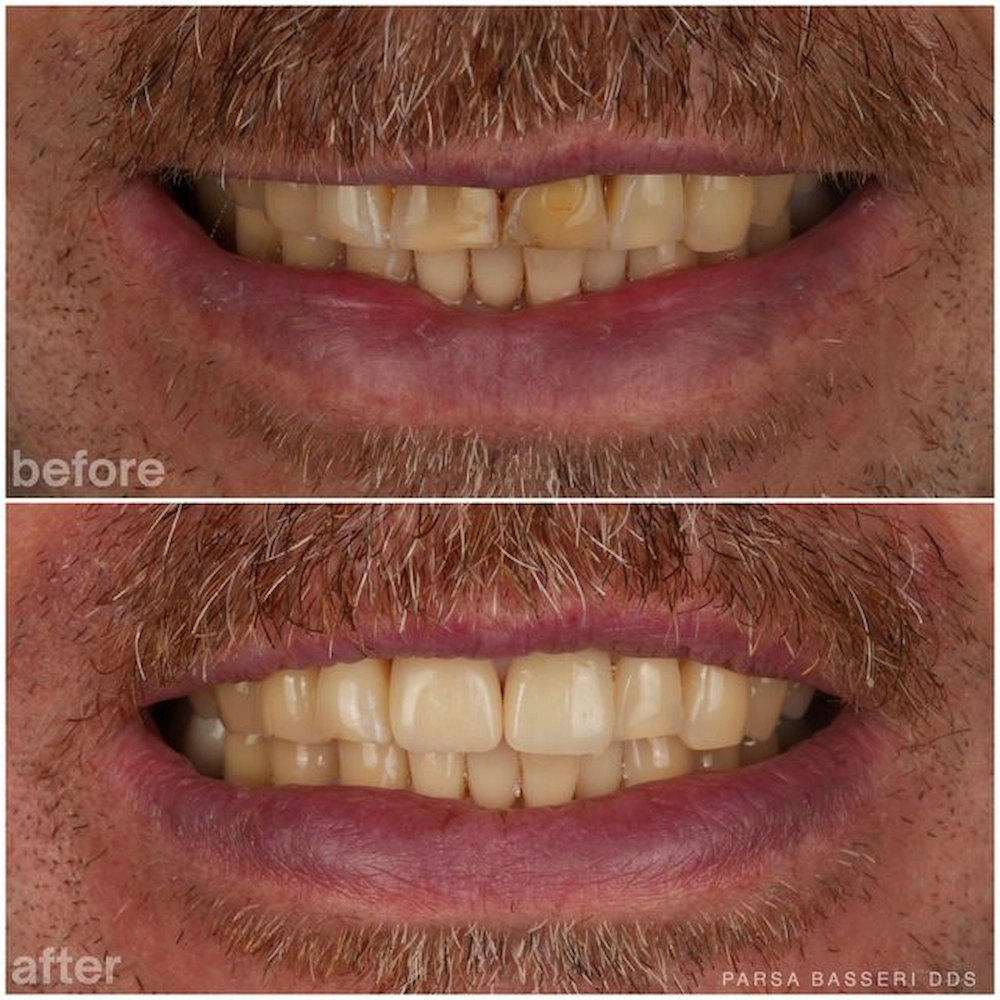
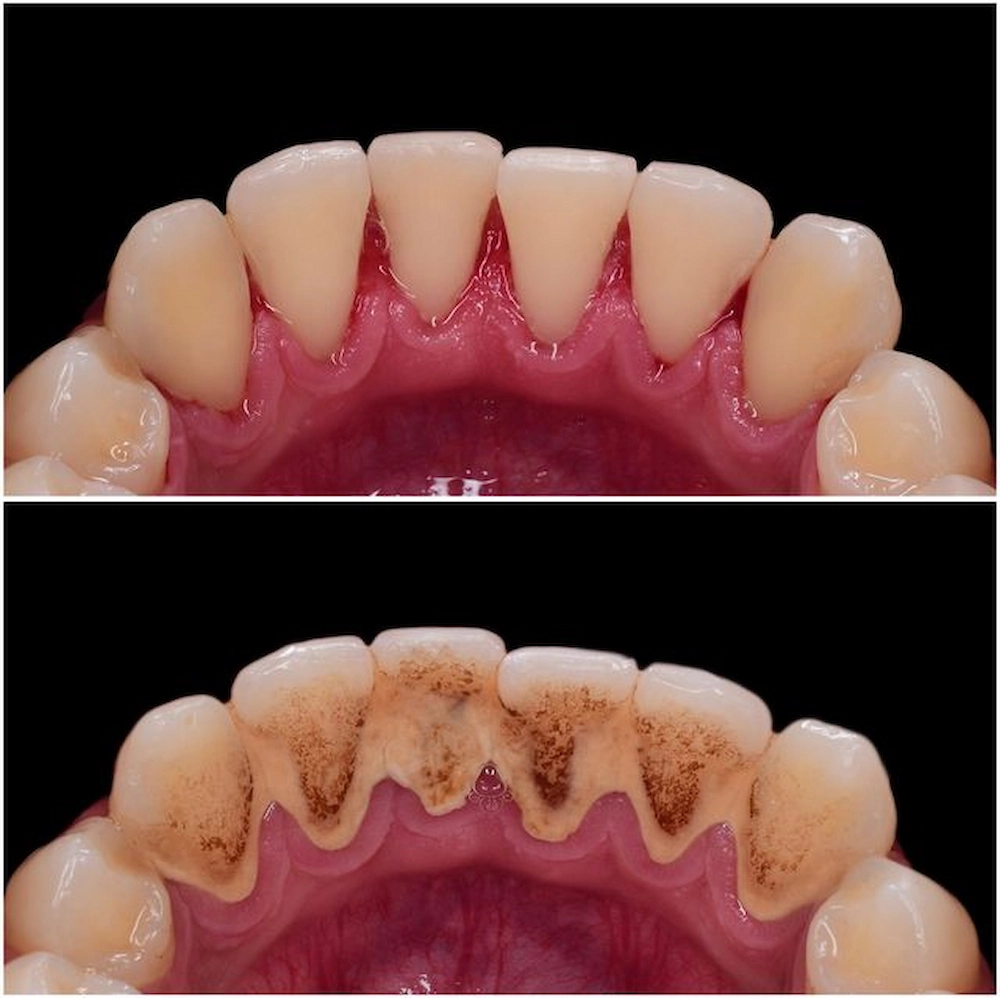
What Teeth Cleaning Before and After Pictures Actually Show
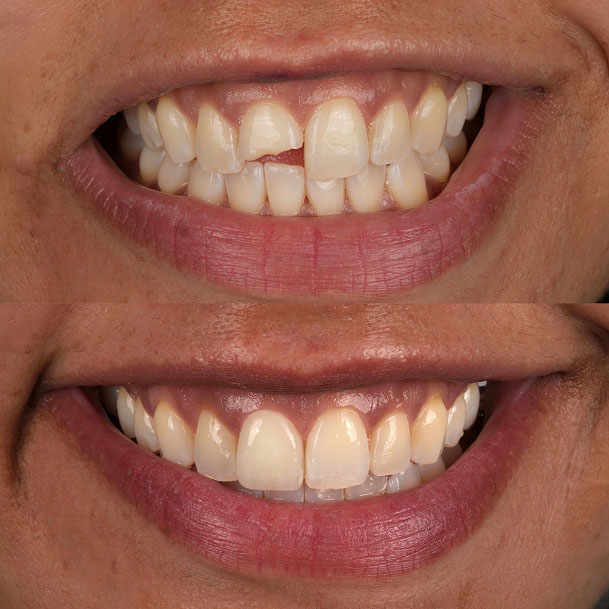
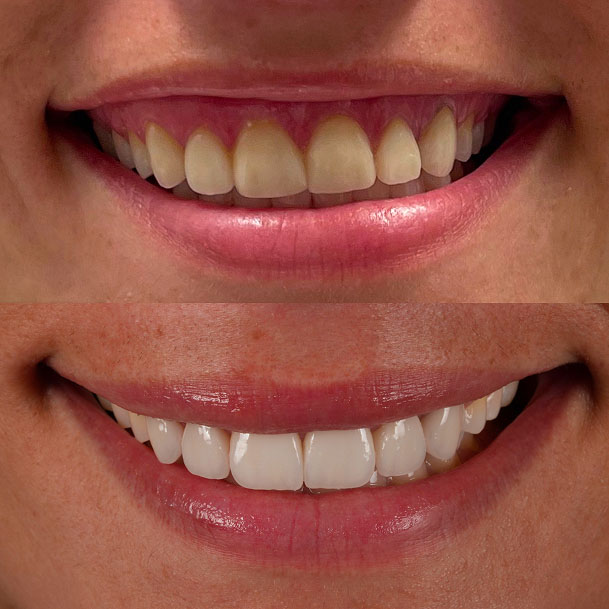
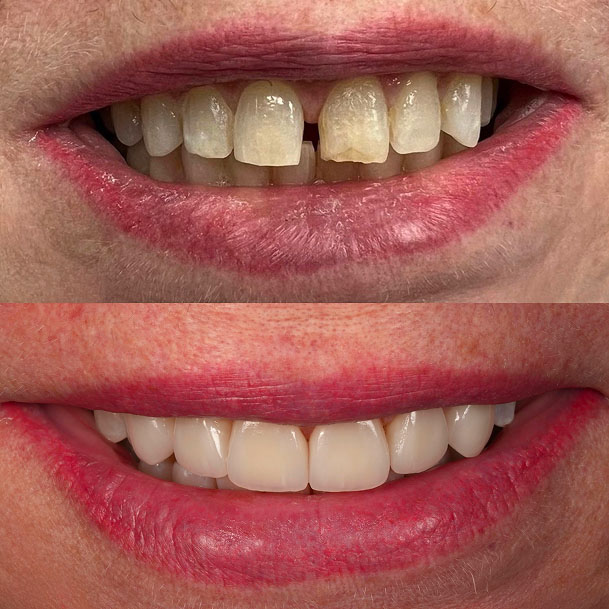
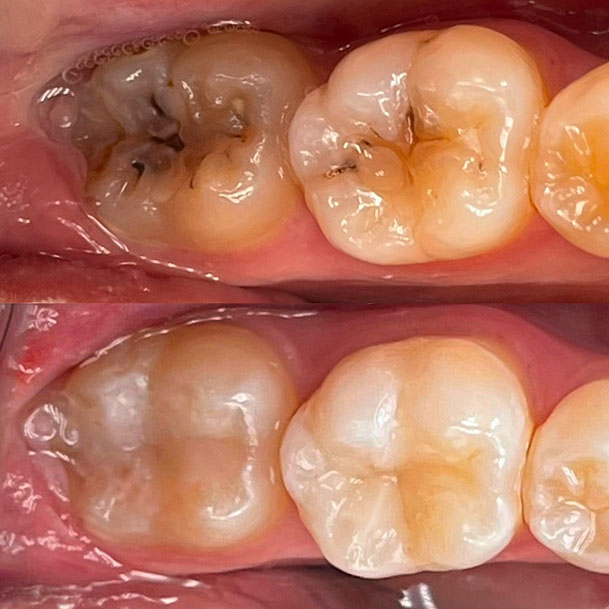
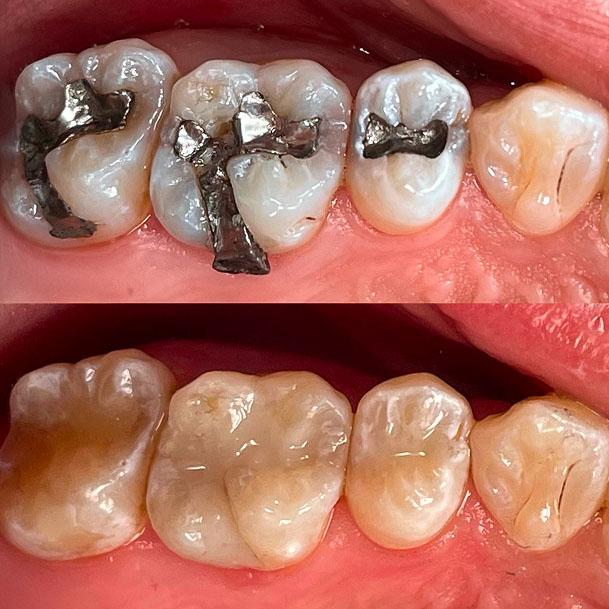
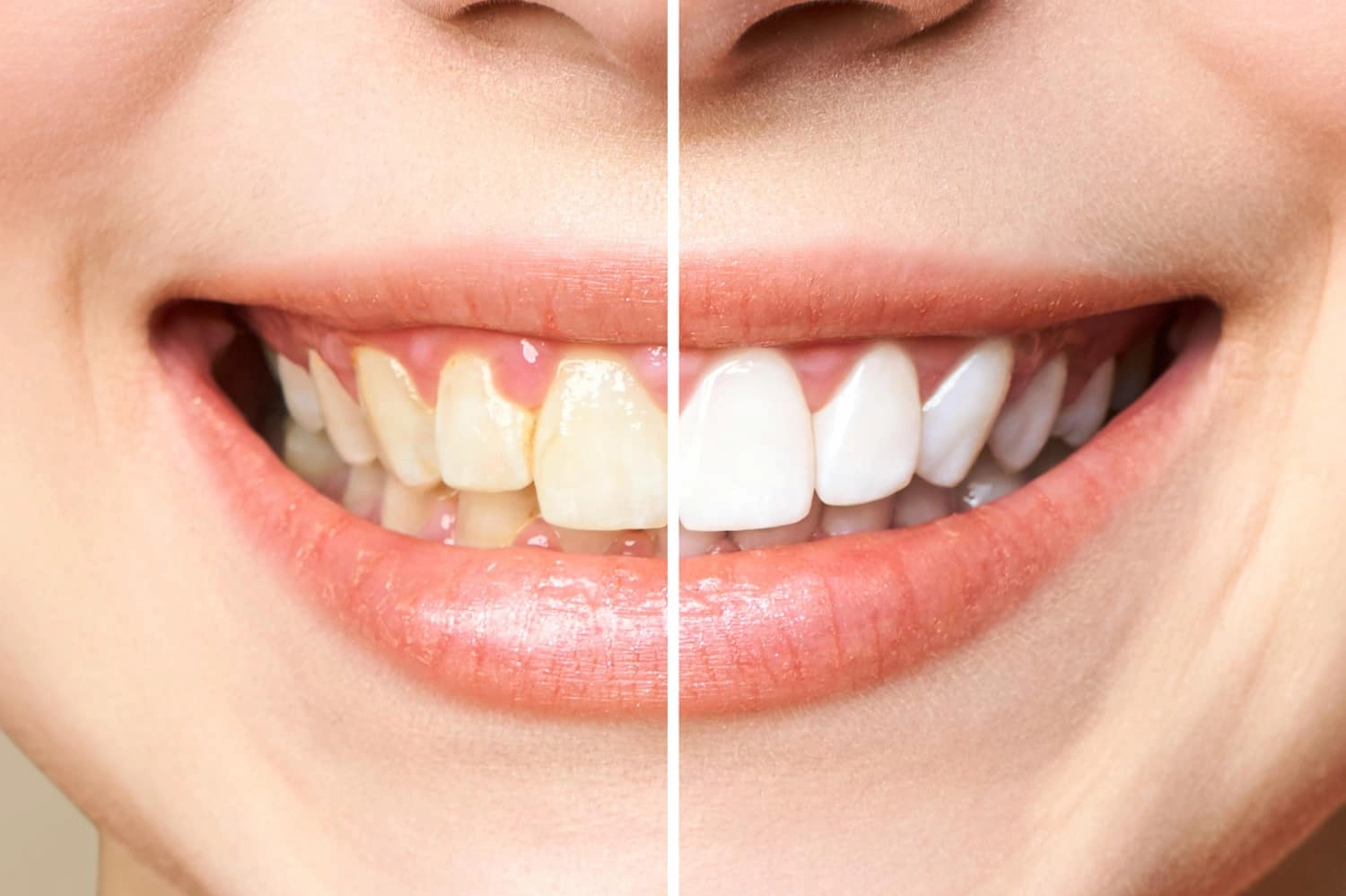
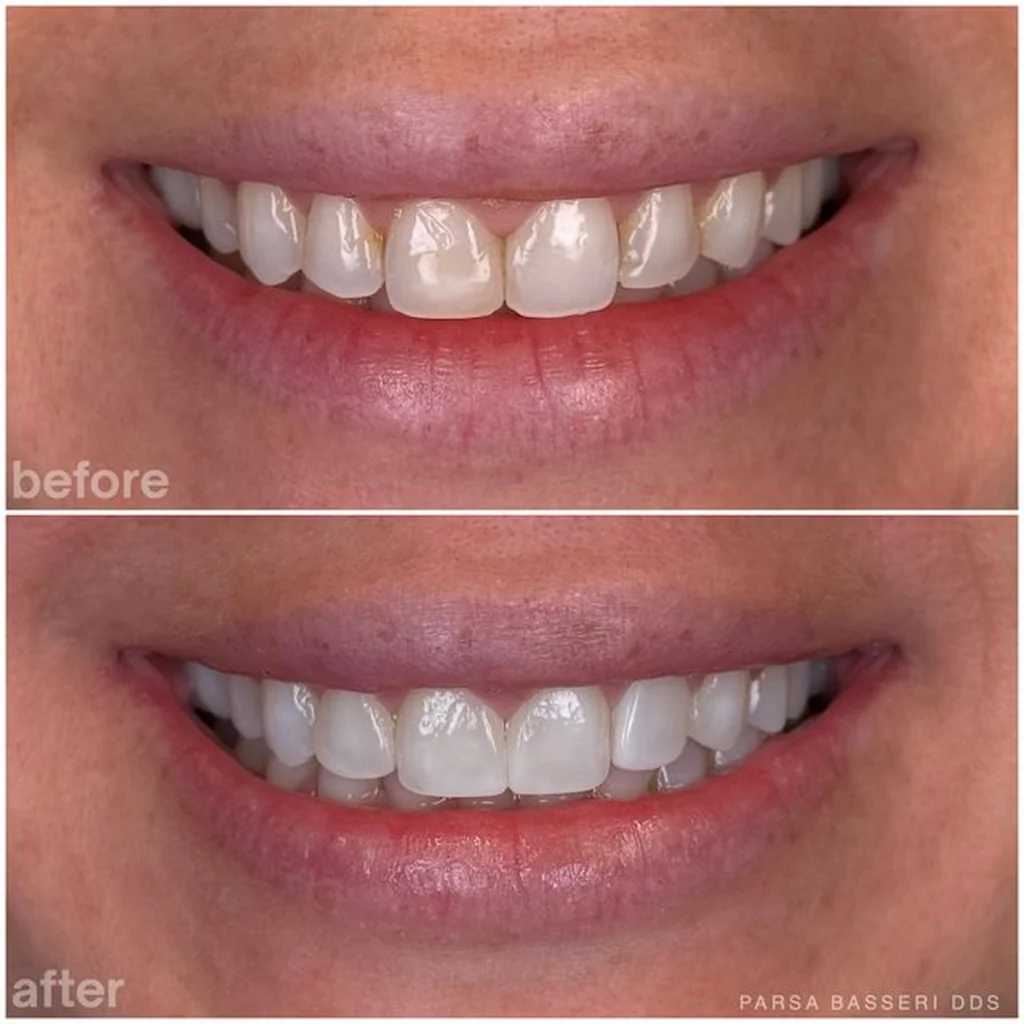
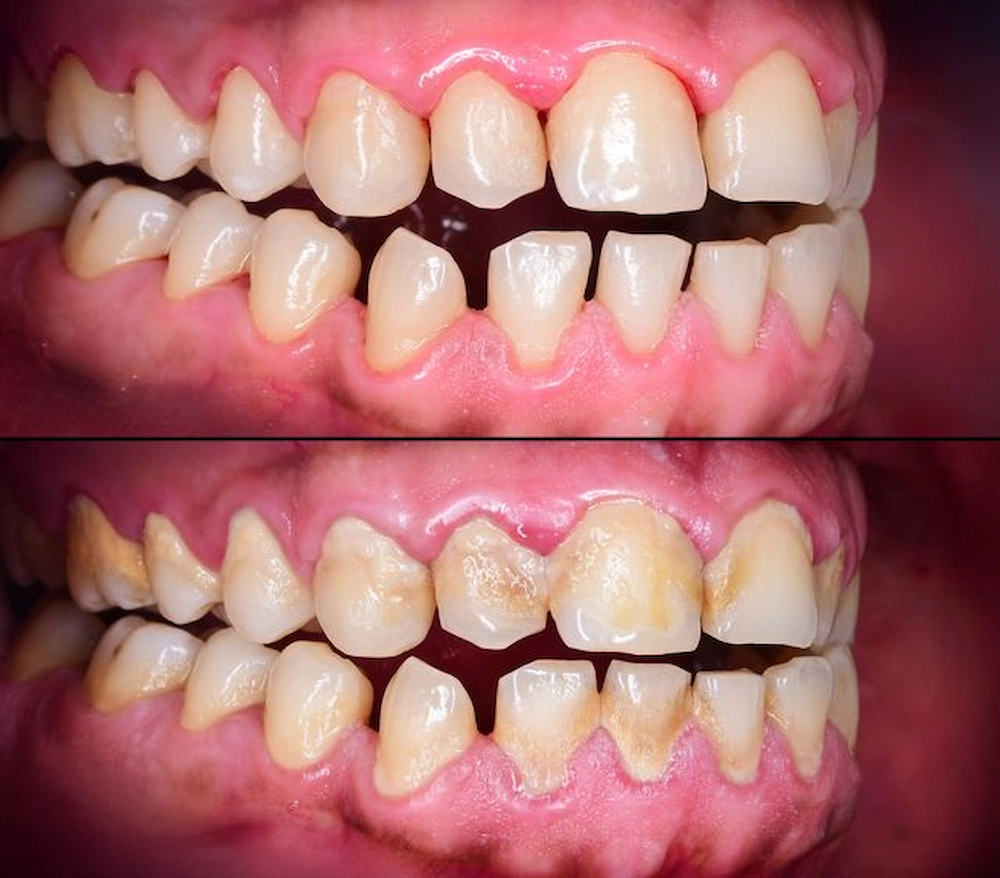
Teeth cleaning before-and-after pictures typically capture the same mouth minutes apart: plaque buildup and surface staining on the “before” side, and a cleaner tooth surface with a healthier-looking gumline on the “after” side. Photos taken with intraoral cameras are the most useful because they show detail around the gumline and between teeth that a phone camera usually misses.
What photos do not show is the work happening below the surface: reduced bacterial load, calmer gum tissue, and fewer places for plaque to hide. Professional cleaning results are best judged by how the mouth feels and how the gums respond in the following week, not only the visual before-and-after.
Is Teeth Cleaning Worth It?
Yes. Professional care supports oral health in ways brushing alone cannot. A hygienist removes buildup you cannot reach at home, checks for signs of gum disease, and helps your dentist catch small issues before they turn into larger ones. That makes the visit worthwhile even when your mouth feels fine.
Most patients schedule visits every six months. If you have gum disease, heavy buildup, or frequent bleeding, your dentist may recommend more frequent care. The right interval depends on how quickly buildup returns and how your gums respond between visits.
Key Benefits of a Professional Cleaning
- Removes plaque and hardened tartar that brushing and flossing at home cannot fully lift.
- Reduces surface staining from coffee, tea, red wine, and tobacco.
- Lowers the risk of cavities and gum disease by clearing the bacteria that cause both.
- Freshens breath by removing the bacterial deposits most often responsible for odor.
- Helps catch problems early, from small cavities to early gum inflammation, before they need bigger treatment.
According to the American Dental Association, professional cleanings paired with daily home care are the most reliable way to prevent gum disease and tooth decay.
Before Your Teeth Cleaning
Brush and floss as usual before your visit. Eating something light a few hours ahead can make sitting through the appointment more comfortable, and staying hydrated helps too. Let your dentist know about new medications, unusual bleeding, sensitivity, jaw discomfort, or dental anxiety, since some medications affect saliva flow or increase bleeding risk during scaling.
Avoid whitening strips, gels, or aggressive brushing in the 24 to 48 hours before your visit. Whitening products can temporarily raise sensitivity, and hard brushing can irritate the gums. If you have been putting off flossing, it is better to build a consistent daily habit for several weeks before your appointment than to floss aggressively the day before, which usually just causes gum bleeding.
What Happens During Your Visit
Your hygienist begins by removing plaque and tartar from the tooth surface and around the gumline during dental exams and teeth cleaning. This step, called scaling, may feel slightly scratchy or vibrate against the tooth, but it should not feel sharp or unsafe. In many visits, an ultrasonic teeth cleaner helps loosen tartar with gentle vibration and a water spray.
After scaling, the teeth are polished with a fine-grit paste and professionally flossed using clinical dental instruments. Together, scaling and polishing produce the classic scale and polish before and after result: a smoother surface that resists new plaque and reflects light more evenly. Your dentist may then check for cavities, gum inflammation, bite changes, or other concerns.
A routine appointment usually runs 30 to 60 minutes. A deeper visit may take longer, especially if buildup sits below the gumline. Appointment length can also depend on sensitivity, bleeding, and how much time has passed since the last cleaning.

After Your Appointment
Mild sensitivity, tender gums, or light bleeding may occur for a day or two, especially after a heavier cleaning. Some patients notice teeth sensitivity after cleaning, which usually improves within a few days. Softer foods and lukewarm water can feel better while the gums settle.
If a fluoride varnish was applied at the end of your cleaning, wait about 30 minutes before eating or drinking so it can absorb properly. For the first 24 hours after polishing, try to avoid staining foods and drinks like coffee, tea, red wine, tomato sauce, and berries; freshly polished enamel is briefly more porous and picks up stains more easily. Rinsing with water after meals during this window helps.
What’s Normal vs. When to Call Your Dentist
- Usually normal: mild gum tenderness for 1 to 2 days, brief cold sensitivity, minor spot bleeding when flossing.
- Call your dentist: bleeding that doesn’t slow after a day, pain that gets worse instead of better, sensitivity lasting more than a week, or swelling that spreads.
This helps separate expected healing from symptoms that need attention.
Deep Teeth Cleaning Before and After
A routine visit cleans above and just around the gumline. A dental deep cleaning, clinically called scaling and root planing, treats tartar and bacteria below the gums when pockets form around the teeth. It is the standard first-line treatment for mild to moderate gum disease and is sometimes described as a periodontal cleaning.
The before-and-after difference in periodontal cleaning is often felt more than seen: gums that were red, puffy, or bleeding start to firm up and stop bleeding as inflammation calms, usually within a few weeks. Temporary soreness, minor bleeding, and short-term sensitivity are common in the first days after treatment. If your dentist has recommended a deep cleaning rather than a standard visit, they will explain what to expect for your specific situation.
Frequently Asked Questions
How often should I get a teeth cleaning?
Most adults do well with a cleaning every six months. People with gum disease, orthodontic appliances, heavy tartar buildup, or a history of frequent cavities may benefit from visits every three to four months. Your dentist will recommend an interval based on how quickly buildup returns.
Does a professional cleaning whiten teeth?
A cleaning removes surface stains, which can make teeth look brighter, but it does not change the natural enamel color. If you want a whiter shade, whitening is a separate treatment; some patients choose to combine both in one visit.
What is the difference between a scale and polish and a deep cleaning?
A scale and polish cleans the tooth surface and just around the gumline. A deep cleaning, also called scaling and root planing, goes deeper below the gumline to treat gum disease and is usually numbed with local anesthetic. Deep cleanings are treatment; scaling and polishing is preventive maintenance.
Do teeth cleaning before-and-after pictures show real results?
Yes, when they are taken correctly with an intraoral camera in matching lighting and angle. Heavy tartar buildup on teeth before and after produces the most dramatic photo contrast. Lighter maintenance visits show subtler visual change but still deliver meaningful health benefits.
How long do teeth cleaning results last?
The visual smoothness and freshness usually last several weeks to a few months, depending on diet, oral hygiene, and how quickly you accumulate plaque. The health benefits, such as calmer gums and lower cavity risk, extend well beyond that when you maintain a consistent daily routine.
Schedule Your Cleaning
Whether you are due for a routine visit or want a clearer picture of your mouth and next steps, Schedule Your Visit. Low-radiation digital imaging may be used when your dentist needs a closer look at your teeth and gums, and teeth cleaning at Smile Lab’s Union Square practice is guided by Dr. Ebrahimi’s UCSF training and preventive, conservative approach.
References
American Dental Association, MouthHealthy: Cleaning Your Teeth
Centers for Disease Control and Prevention: Oral Health Fast Facts