Teeth cleaning and whitening on the same day may not be right if you have cavities, gum inflammation, exposed roots, strong sensitivity, or restorations that need color planning.
A dentist should evaluate your mouth before any teeth-whitening treatment, since cosmetic shade changes do not treat dental disease or replace crowns, veneers, fillings, or bonding. At Smile Lab in Union Square, the team checks your oral health first, then helps you decide whether one-visit dental care fits your comfort level, schedule, and goals.
Key Takeaways
- Teeth cleaning and whitening on the same day can be safe when your mouth is healthy, and a dentist confirms you are a good candidate.
- Cleaning usually comes first because plaque, tartar, and surface stains can affect how evenly brightening results develop.
- One-visit treatment may need to wait if you have cavities, gum inflammation, exposed roots, strong sensitivity, or restorations that need shade planning.
- Whitening can lighten natural enamel, but it does not change the color of crowns, veneers, fillings, or bonding.
- A dental exam before cosmetic treatment helps protect your comfort, reduce avoidable sensitivity, and create a safer plan.
Can You Get Both at One Visit?
Yes, some patients can complete both services in a single appointment, especially when the visit length and cleaning time align with the treatment plan. Same-day teeth cleaning and whitening works best when your mouth is already healthy, and the visit is planned as a professional treatment, not a rushed cosmetic add-on.
This option can help busy NYC patients who want a brighter smile before an event, meeting, or photo-heavy week. The goal is to improve appearance while protecting enamel, gum health, and long-term comfort.
Do Dentists Brighten Your Smile During Cleaning?
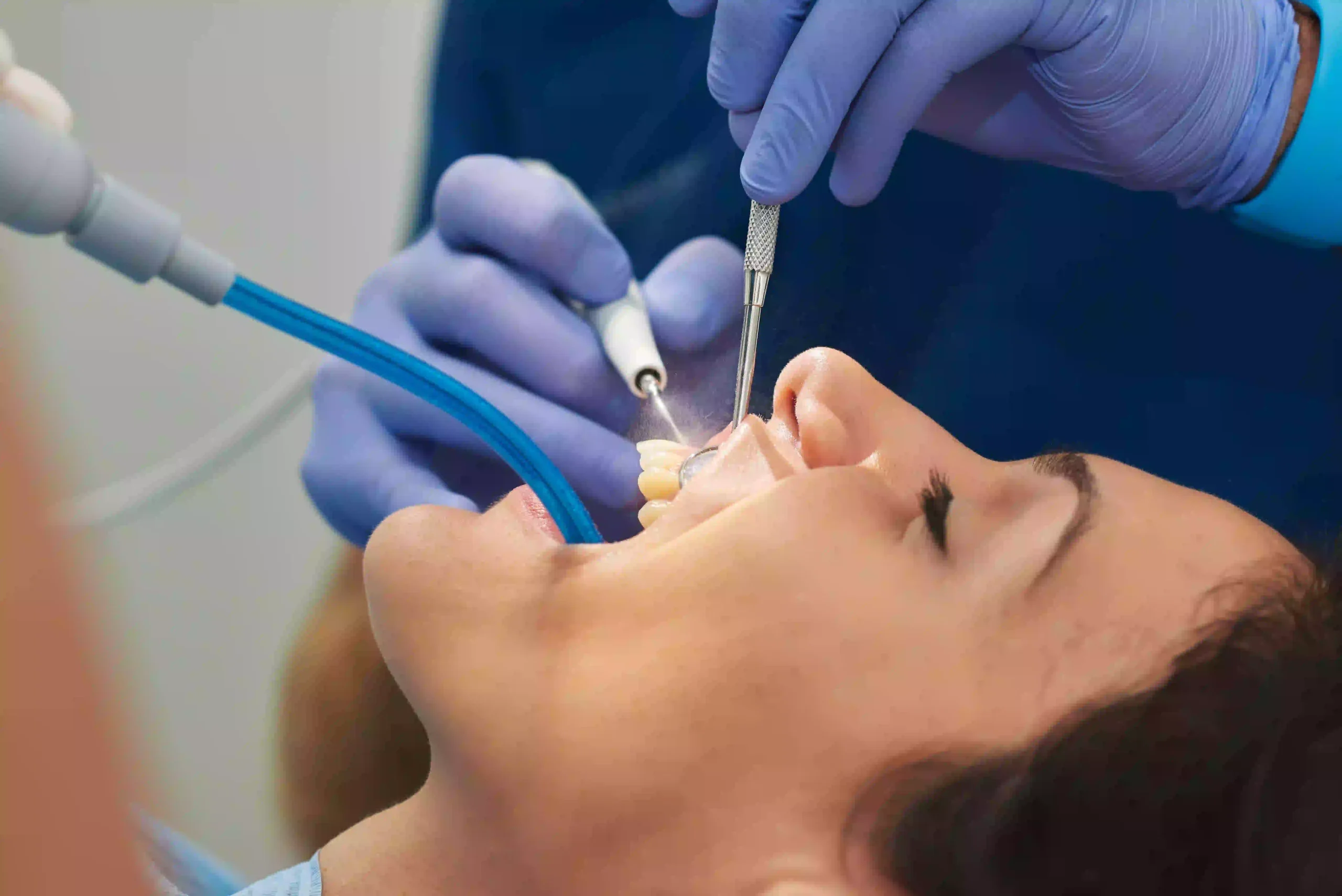
Dentists do not usually change enamel shade during the cleaning itself. A dental cleaning removes buildup, bacteria, and surface stains, while bleaching changes the color of natural enamel.
Cleaning Removes Surface Buildup
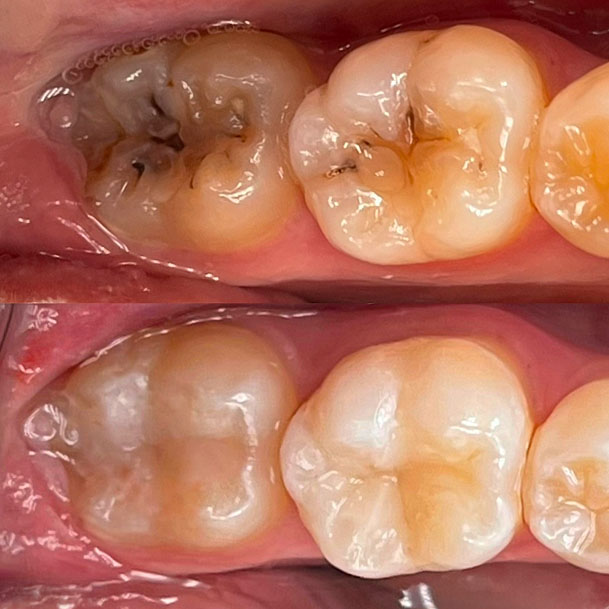
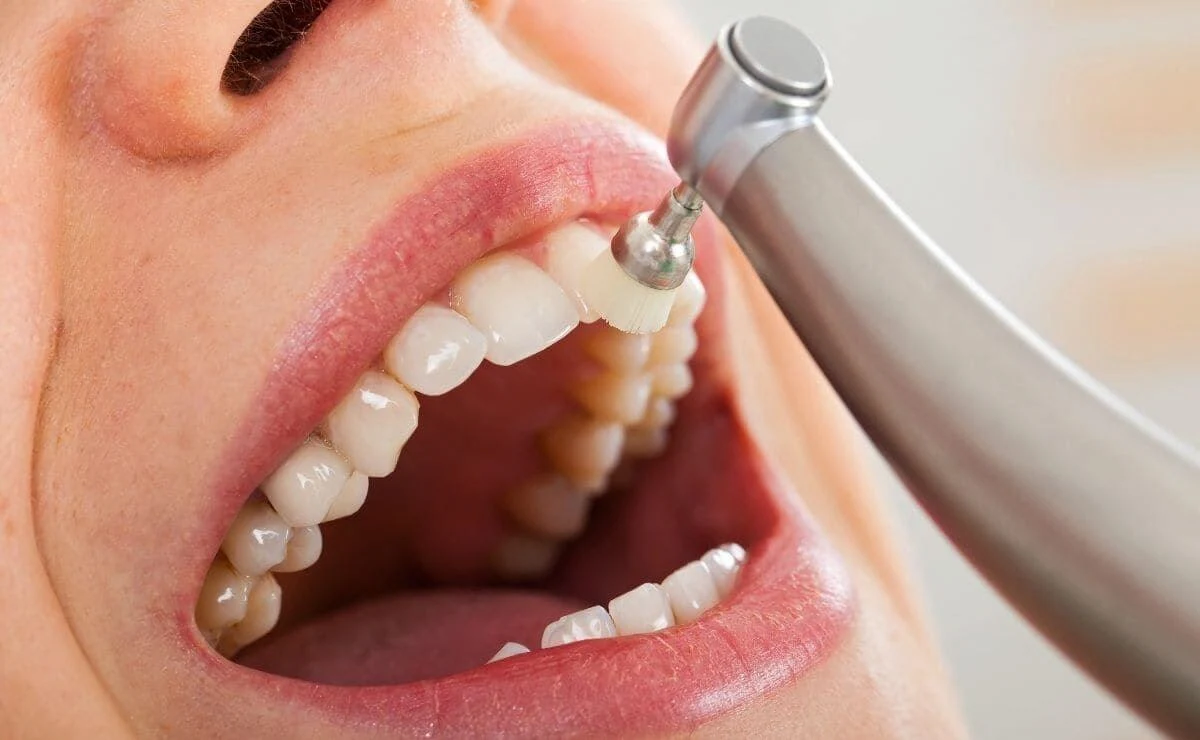
This step targets plaque and tartar that brushing at home cannot remove. It can make your smile look cleaner, smoother, and less dull, which our guide to teeth cleaning before and after covers in more detail.
Bleaching Changes Tooth Shade
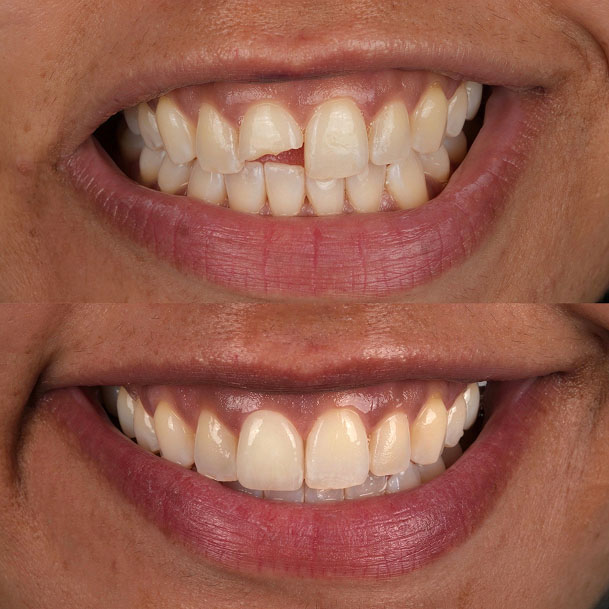
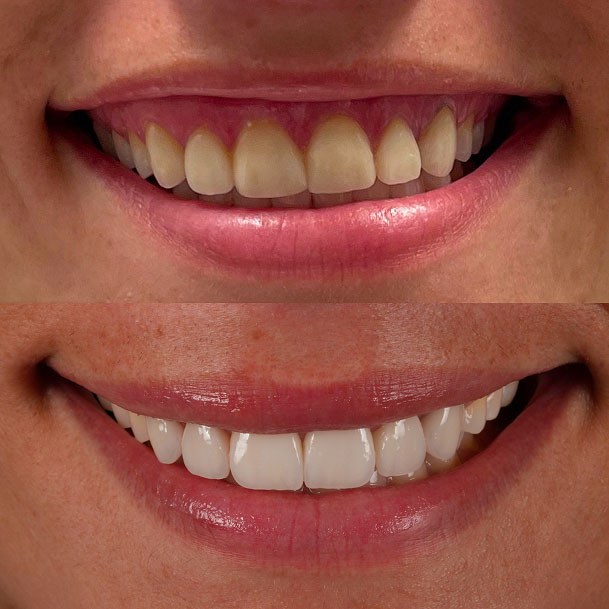
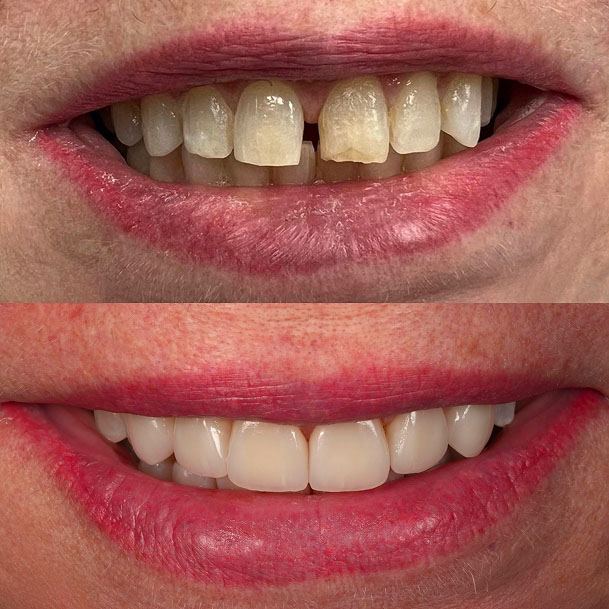
Shade improvement is a separate dental procedure. Professional teeth whitening uses a peroxide-based product to break down stains within natural enamel, which is why having your teeth whitened is different from polishing surface stains.
When One-Visit Treatment Works
One-visit care may work when your mouth is stable. A dentist should check for decay, gum irritation, enamel wear, exposed roots, and sensitivity before moving forward.
You may be a good candidate if:
- Your gums are healthy.
- You do not have untreated cavities.
- Your stains are mild to moderate.
- Your sensitivity risk is low.
- You understand that restorations will not change color.
When to Wait or Separate Visits
One appointment is not always the best choice. If your dentist finds cavities, gum disease, damaged enamel, or strong irritation, those concerns should come first.
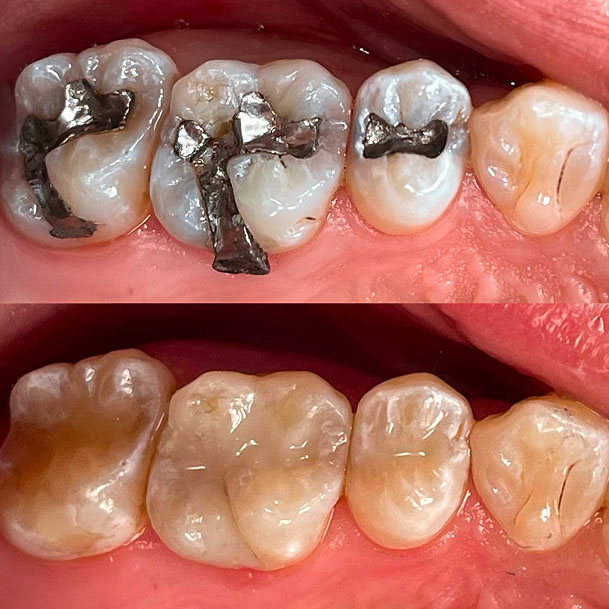
Bleaching over untreated cavities can irritate sensitive areas. Gum inflammation can also make the appointment uncomfortable. If you have crowns, veneers, fillings, or bonding, your dentist should discuss shade matching before cosmetic dentistry treatment.
Why Cleaning Usually Comes First
Cleaning first gives the dentist a clearer view of your mouth. It also removes buildup that can block even contact with enamel.
Cleaner Surfaces
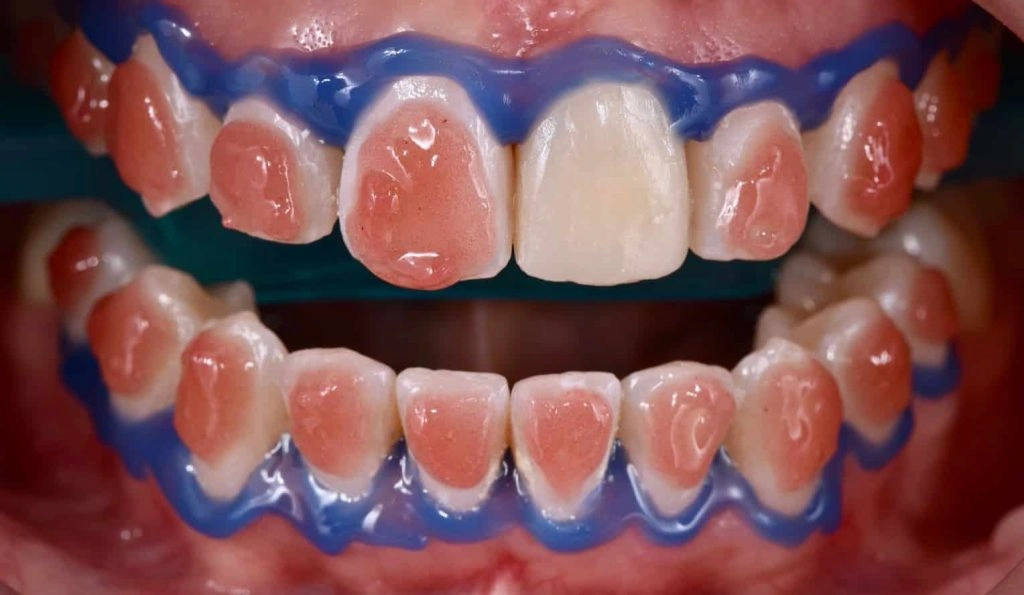
A clean enamel surface helps the product spread more evenly. This can support a smoother visual result.
Better Gel Contact
If the buildup remains, the gel may not contact every area equally. That can affect the final shade.
How Soon After Cleaning Can You Brighten Your Smile?
Some patients can start same-day whitening right after cleaning. Others should wait a few days if their gums feel tender or their mouth feels sensitive after scaling.
Delayed Treatment
A short delay may be safer if your gums need time to settle or your dentist finds issues that require care first.
What to Expect at Smile Lab
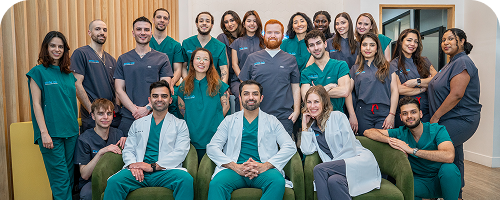
Your visit should start with an oral health check, not just the cosmetic step. Dr. Waise Ebrahimi’s approach centers on preventative and conservative dentistry, which means the plan should improve appearance without ignoring enamel, gums, or long-term oral health.
At Smile Lab, a same-day dental visit may include an exam, professional cleaning, and cosmetic shade treatment if your mouth is ready. Not every dental office can offer the same-day planning safely for every patient, so the right answer depends on your exam.
Aftercare and Sensitivity Tips
After treatment, your mouth may feel sensitive for a short time. This usually improves, but you should follow your dentist’s instructions.
Choose lighter foods and, when possible, skip dark drinks on the first day. Coffee, tea, red wine, berries, tomato sauce, and tobacco can stain enamel again over time.