Typical U.S. costs range from 50–$ 150 for nitrous oxide, 150–$ 500 for oral sedation, and 400– $ 1,000+ per hour for IV sedation. Your dentist will review your medical history, explain how each option affects awareness and recovery, and recommend an appropriate approach. At Smile Lab, Dr. Waise Ebrahimi helps patients understand their options, expected costs, and what to expect before choosing treatment.
Key Takeaways
- Sedation dentistry reduces dental anxiety and discomfort, making treatments more manageable for patients with fear or difficult past experiences.
- Common options include nitrous oxide (laughing gas), oral conscious sedation, and IV sedation. Each provides different levels of relaxation and recovery time.
- Sedation is generally safe for appropriately screened patients when trained professionals administer it with appropriate monitoring. Your medical history helps determine the best option.
- Typical U.S. costs range from 50–$ 150 for nitrous oxide, 150–$ 500 for oral sedation, and 400– $ 1,000+ per hour for IV sedation.
- Most sedation methods let patients stay responsive during treatment. Oral and IV sedation generally require someone to accompany you home, while nitrous oxide usually wears off quickly.
How Does Sedation Dentistry Work?
Sedation uses medication to reduce fear and help you relax during a dental procedure. Depending on the method, you may stay fully alert or feel sleepy while still following instructions. Your dentist chooses an approach based on your health, anxiety, and treatment needs. Local anesthesia may also numb the area being treated.
Types of Sedation Dentistry
No single option suits every patient. The right method depends on how patients feel about treatment, the appointment length, and their medical history. Here is what each approach involves.
Nitrous Oxide (Laughing Gas)
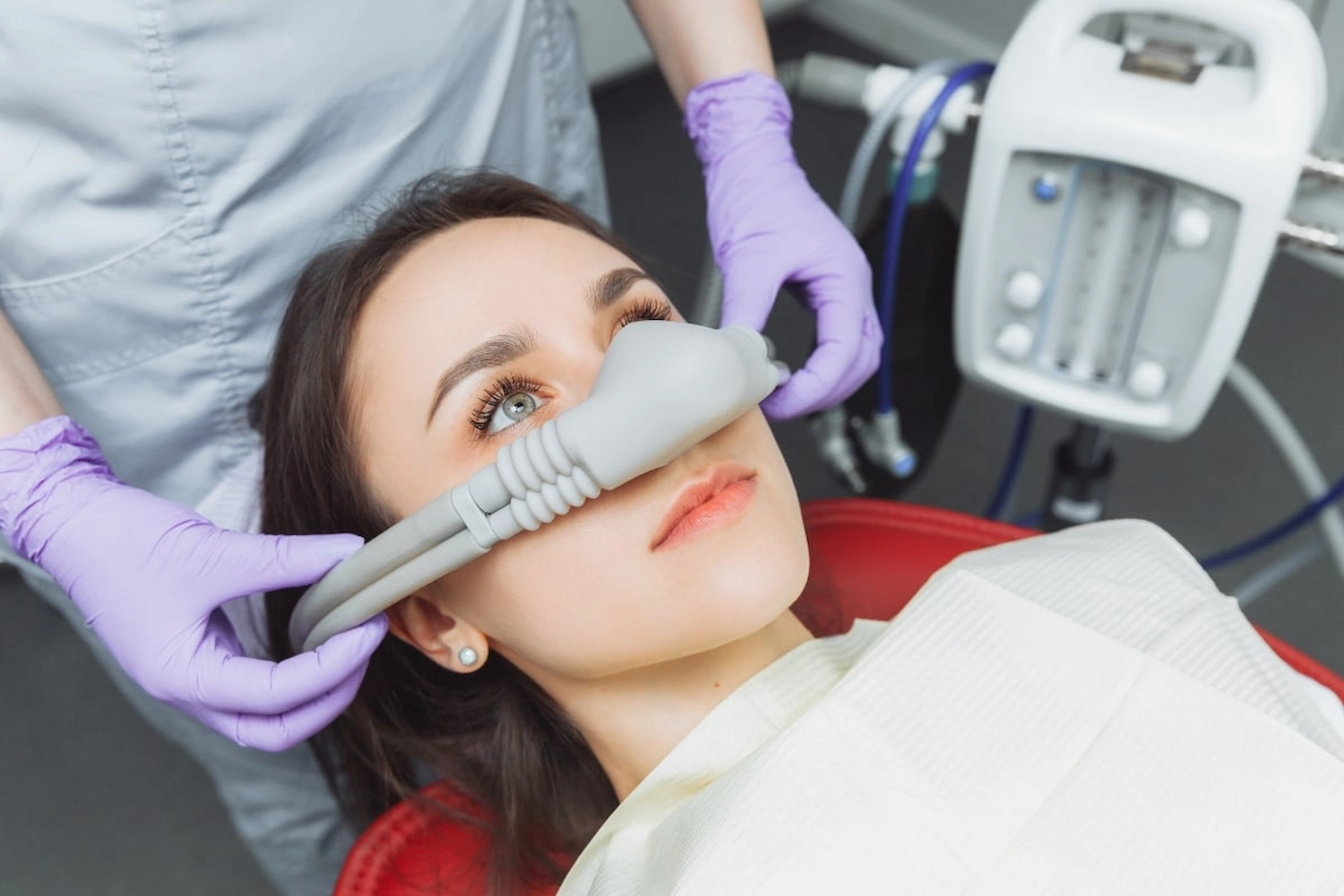
You breathe a mixture of nitrous oxide and oxygen through a small nosepiece. It takes effect within minutes and helps you feel comfortable while staying awake. The effect usually fades quickly after treatment, making it practical for shorter appointments.
Oral Conscious Sedation
Your dentist may prescribe medication to take before the visit. Oral sedation can make you drowsy, and you may remember less of the appointment. You will need someone to accompany you home, and the effects may last into the day.
IV Sedation
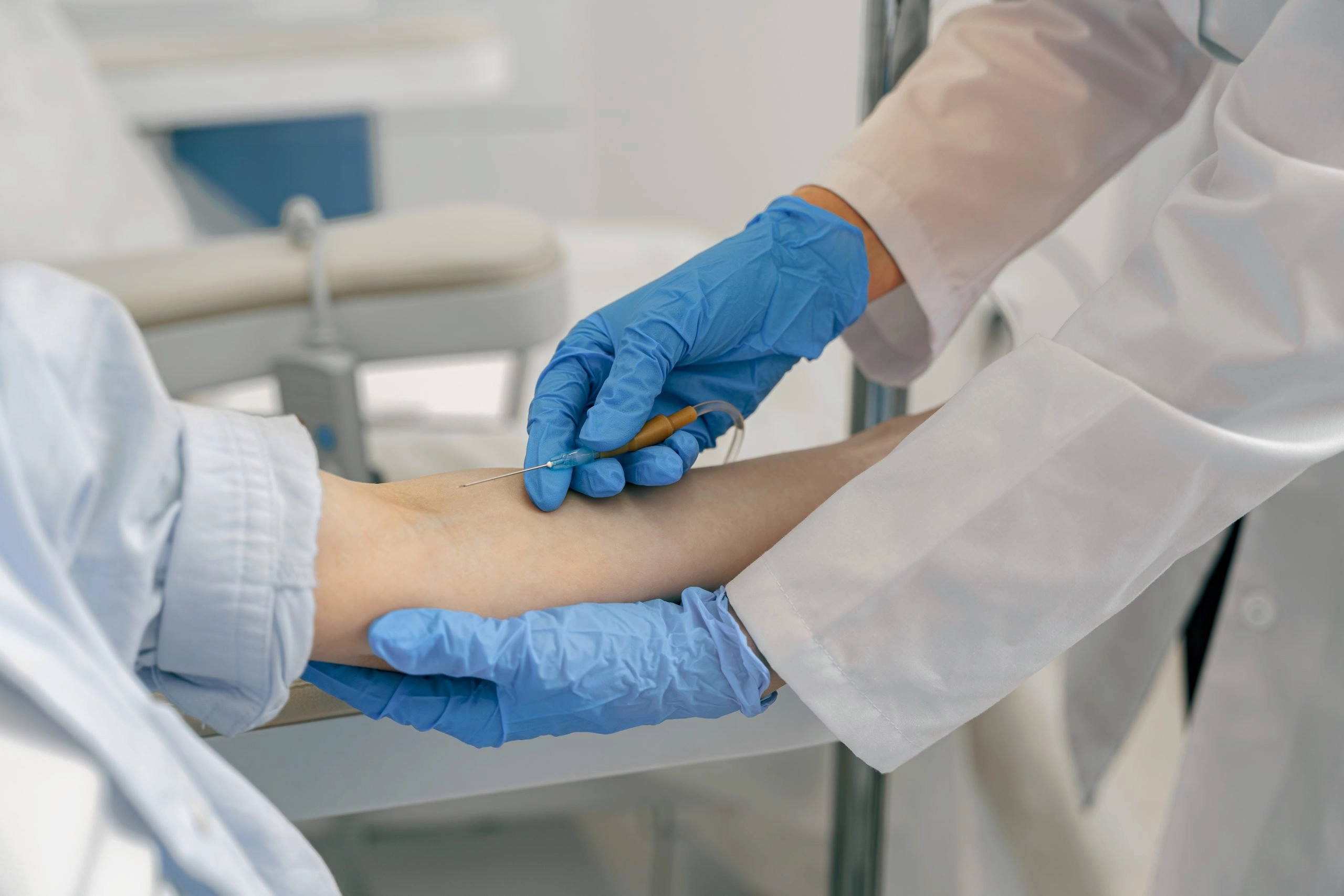
A trained clinician gives medication through a vein and adjusts it throughout treatment. This approach may suit longer procedures or stronger dental anxiety. You may feel deeply relaxed and remember little, but the level of awareness depends on the dose.
Are You Completely Asleep During Sedation Dentistry?
Usually not. Nitrous oxide and typical conscious sedation let you respond, though you may feel sleepy. General anesthesia is different because it causes unconsciousness and requires a separate level of care.
Who Can Benefit From Sedation Dentistry?
Fear of visiting the dentist can delay dental visits and leave problems unresolved. If an urgent problem makes that fear harder to manage, these tips for handling dental emergency anxiety can help you prepare for care.
Medication may help if you have a strong gag reflex, struggle to sit through a lengthy appointment, or have had uncomfortable dental experiences in the past. If tooth sensitivity is your main concern, learning about dental cleaning for sensitive teeth can help you understand other ways to manage discomfort.
It can also help patients who need several procedures, but it isn’t the only way to make a visit easier. You do not need to feel completely stress-free before asking about your options.
Is Sedation Dentistry Safe?
For appropriately selected patients, trained clinicians can use these methods safely with appropriate monitoring. They can still cause side effects, so your dentist should explain the benefits and risks for your situation. Safety starts before you sit in the chair.
Medical History and Sedation Risks
Share all medications, allergies, breathing conditions, and previous reactions to anesthesia. For example, sleep apnea can affect the safest choice and monitoring plan. Possible effects include nausea, dizziness, and lingering drowsiness, depending on the medication.
Sedation vs. Local Anesthesia
These treatments serve different purposes. A sedative lowers anxiety and changes how relaxed you feel; local anesthesia blocks pain in a specific area. Your dentist may use both during dental treatment, since feeling calm does not automatically mean the tooth is numb.
What Happens During a Sedation Appointment?
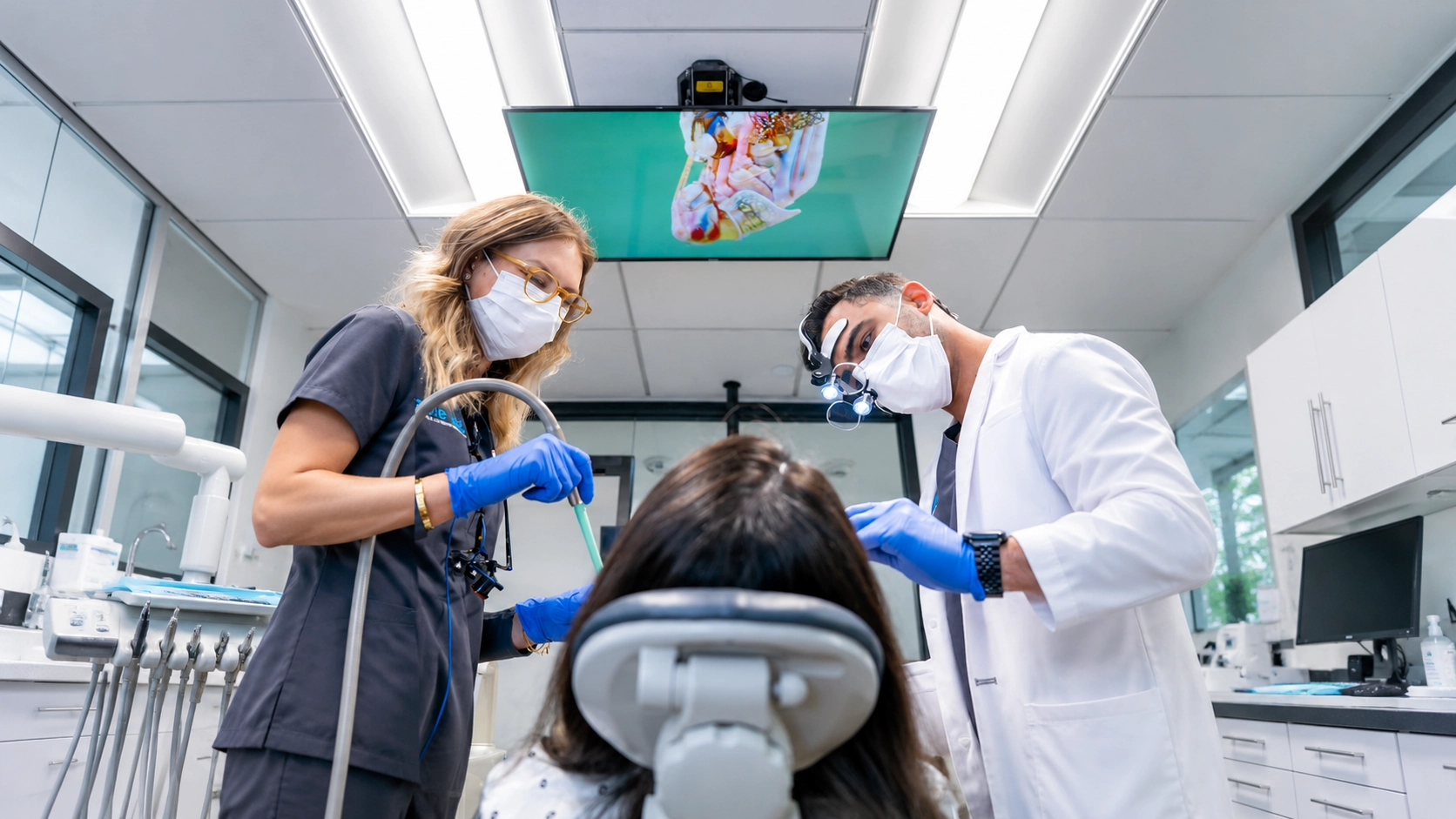
The visit should start with clear instructions and a chance to ask questions. You can also ask how modern dental technology supports patient comfort during treatment. Knowing what to expect helps you plan around work, commuting, or family commitments.
Before Your Appointment
Your team reviews your health history and explains instructions for eating, drinking, and medication. Follow these instructions rather than making changes yourself. If you receive oral or IV medication, arrange a responsible adult to take you home.
During Treatment and Getting Home
Clinicians monitor your condition as needed, depending on the method used. Afterward, they check your recovery and provide instructions before you leave. Nitrous oxide often wears off quickly, but oral and IV methods generally require you to avoid driving for 24 hours or as directed.
How Much Does Dental Sedation Cost?
Prices depend on the medication, treatment length, clinical staff, and monitoring required. In New York City, published general U.S. estimates provide a starting point, not a guaranteed local quote. Ask for the full expected cost of the appointment and the underlying procedure.
Private Dentist Costs and Pricing Factors
Typical published U.S. ranges are 50$ –150 for nitrous oxide per visit, 150–$ 500 for oral medication per visit, and 400–$ 1,000 or more per hour for IV care. Dental practices may bill these services differently. A written estimate helps you compare the total cost rather than a single advertised fee.
Finding Comfortable Dental Care in Union Square
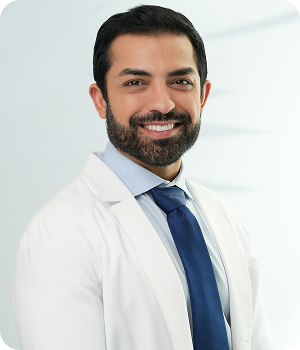
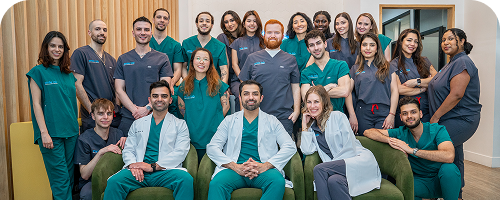
When comparing dental sedation in Union Square, look for clear explanations, appropriate training, and a plan shaped around your medical history. At Smile Lab, lead dentist Dr. Waise Ebrahimi, a UCSF-trained DDS, takes a conservative, patient-centered approach that supports long-term oral health. The team can discuss what is appropriate for you without treating your past dental experiences as a problem.
If fear or uncertainty has kept you away, reviewing the available sedation options can help you prepare for a conversation. Schedule a consultation when you are ready to discuss your needs.