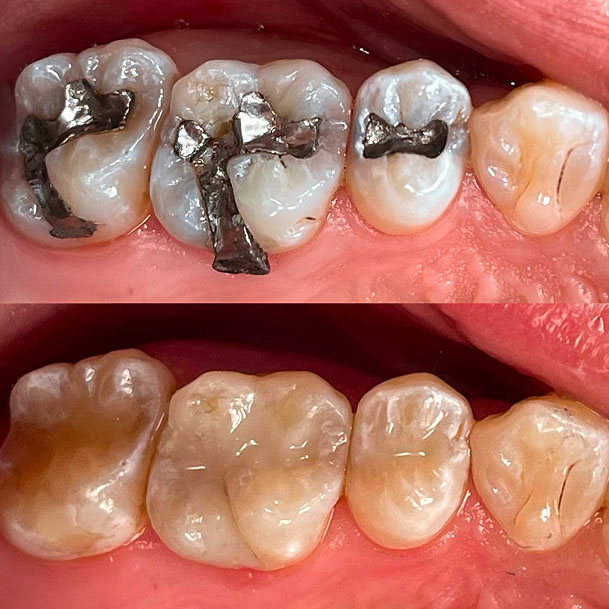
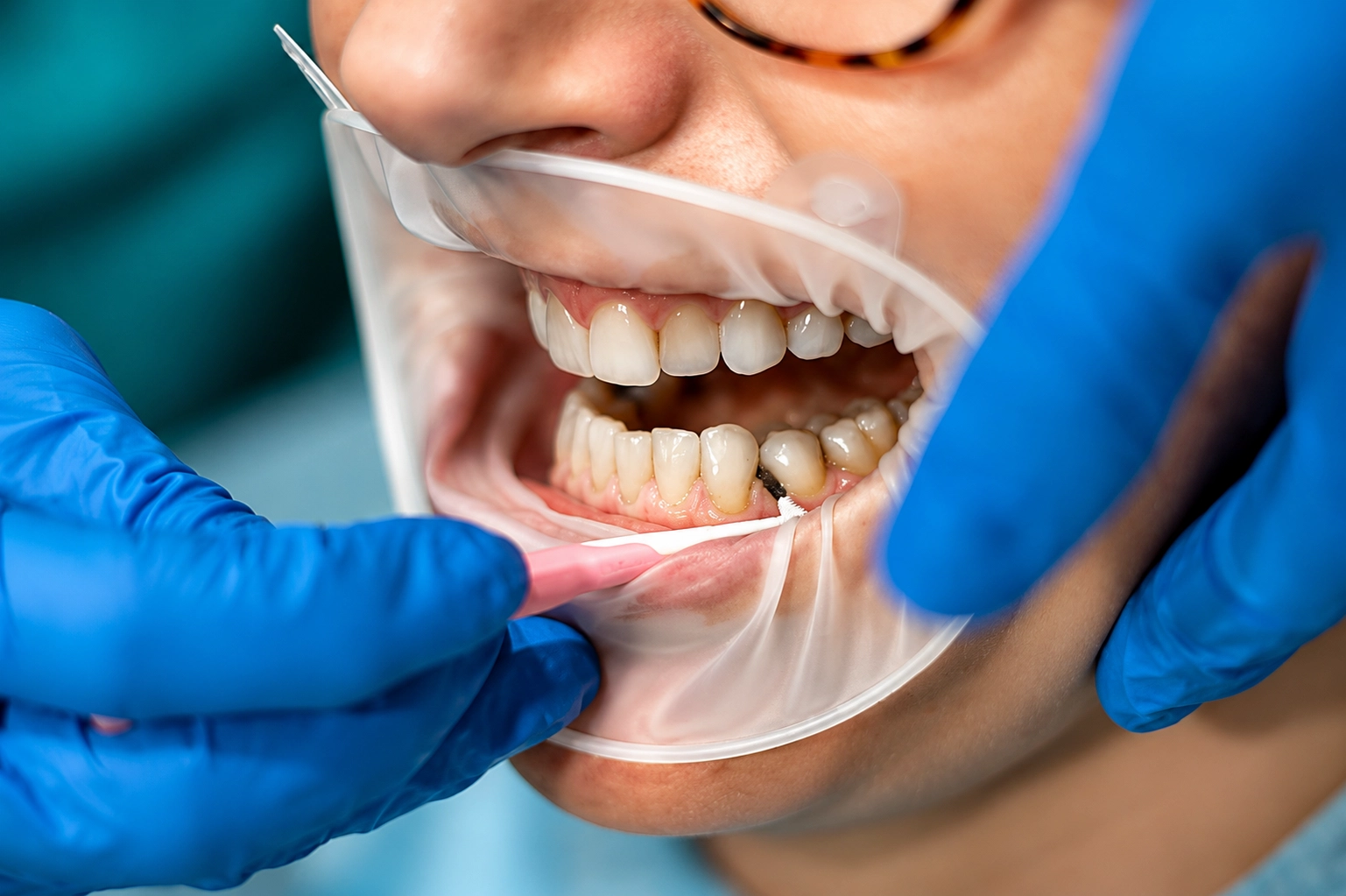
This feeling usually fades within a few days, especially with desensitizing toothpaste, gentle brushing, and avoiding very hot, icy, or acidic foods. If discomfort lasts for weeks, worsens, or affects a specific tooth, a dentist should check for gum recession, enamel wear, a cavity, a crack, or bite-related stress.
At Smile Lab in Union Square, the team can adjust your appointment around your comfort while helping you understand what is causing the issue.
Key Takeaways
- Tender spots can still be treated safely when your provider adjusts pressure, pacing, and comfort options during the visit.
- Mild tooth sensitivity after a cleaning is common and usually fades within a few days, especially after plaque and tartar are removed.
- Discomfort may come from exposed dentin, gum recession, enamel wear, tartar buildup, inflammation, cavities, cracks, or grinding.
- Fluoride toothpaste, soft foods, light brushing, and avoiding temperature triggers can help reduce soreness after care.
- Pain that lasts for weeks, worsens, or affects one specific area should be checked by a dentist.
Can You Still Get Care?
Yes, you can still book a teeth cleaning appointment in Union Square when certain areas feel tender. Delaying care can let buildup sit longer along the gumline, which may make future visits more uncomfortable, so it helps to understand how often you should get your teeth cleaned.
A dental visit should start with a conversation. Tell your provider what triggers the feeling, such as cold water, air, pressure, or a sensitive area near the gums. This helps the team protect that spot before the cleaning process begins.
How Your Provider Adjusts the Visit
Dentists and hygienists can adjust the appointment to ensure comfort. The goal is to remove plaque and tartar without rushing or pushing past your limits.
Comfort Check Before Care
Your hygienist should ask where you feel discomfort before starting. They may check cold air response, gumline tenderness, or exposed root surfaces. This step helps guide the rest of the appointment.
Lighter Scaling Techniques
Scaling removes hardened buildup from the teeth and gums. For tender areas, the hygienist can use lighter pressure, slower movements, and hand instruments when needed. These changes can make the visit feel more controlled.
Numbing and Desensitizing Options
Some patients benefit from numbing gel, desensitizing products, or fluoride treatments before or after care. These options can calm your nervous system and help you tolerate the visit with less stress.

Breaks and Anxiety Support
If past experiences made you nervous, ask for breaks before treatment begins. Short pauses can help you reset, breathe, and stay comfortable, and sedation options are available when breaks alone are not enough. You shouldn’t feel embarrassed about needing extra time.
Why Discomfort Happens During Care
Discomfort often comes from exposed or irritated areas, not from the visit itself. Once your provider understands the cause, they can choose a better approach.
Exposed Dentin and Gum Recession
Dentin sits under enamel and contains tiny channels that connect to the nerve. When gums recede, the root surface can become exposed. Air, water, or touch may then create a quick, sharp feeling.
Enamel Wear and Acid Erosion
Enamel can wear down from acidic foods, grinding, hard brushing, or age. When enamel thins, hot, cold, or pressure can feel stronger than usual.
Buildup and Gum Inflammation
Tartar along the gumline can make tissue swollen or tender. Once it is removed, the gums may feel sore for a short time as they settle.
Can a Visit Cause Soreness
A routine appointment can sometimes cause temporary tenderness, especially if buildup was heavy or gum tissue was inflamed. This does not always mean something went wrong.
Routine vs Deep Treatment
A routine visit usually causes little to no soreness. A deeper gum treatment may create more tenderness because it reaches below the gumline to treat periodontal issues.
If you notice changes in spacing after deep gum care, this guide explains why gaps in teeth after deep cleaning can appear more noticeable. Your provider should explain which type you need and what to expect afterward.
Short-Term Tooth Sensitivity
Tooth sensitivity after a cleaning usually improves within a few days. Mild tenderness can occur because the surfaces are cleaner, the gums were touched, or buildup covering exposed areas was removed.
How Long Soreness Usually Lasts
Most mild discomfort lasts one to three days. Deeper treatment may cause soreness for up to a week. If the feeling gets worse instead of better, call your dentist.
Weeks of Discomfort
Pain that lasts for weeks needs a closer look. A cavity, cracked filling, gum recession, grinding, or root exposure may be involved. Do not try to manage ongoing pain on your own.
How to Relieve Pain After Care
Simple home care can help your mouth settle after treatment. Focus on calming triggers and protecting enamel.
Toothpaste and Fluoride
Use fluoride toothpaste made for tenderness. Brush twice a day and give it time to work. Some formulas need several days of steady use before you feel a change.
Soft Foods and Temperature Triggers
Choose soft foods for the first day if your mouth feels sore. Avoid very hot, icy, acidic, or crunchy foods until the tenderness fades.
Gentle Brushing and Flossing
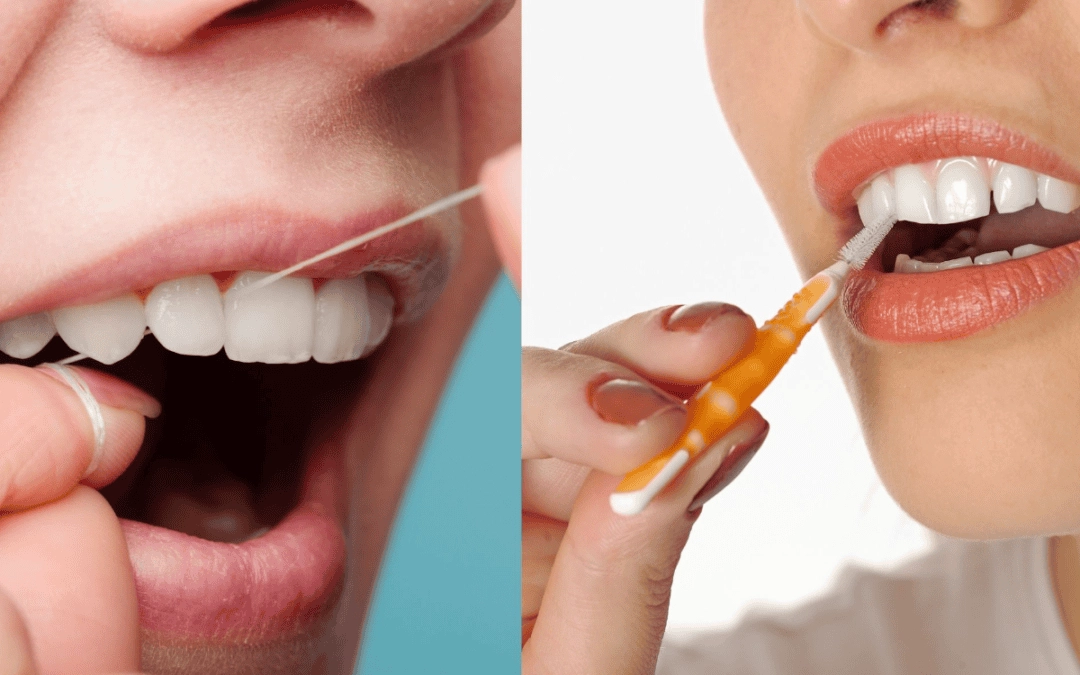
Use a soft-bristled toothbrush and light pressure when brushing your teeth. Keep flossing, but move slowly around sore areas. Good oral hygiene helps reduce inflammation and supports better oral health over the long term.
When You Need Treatment
Some tenderness fades with time. Other symptoms point to a problem that needs care.
Cavities or Cracks
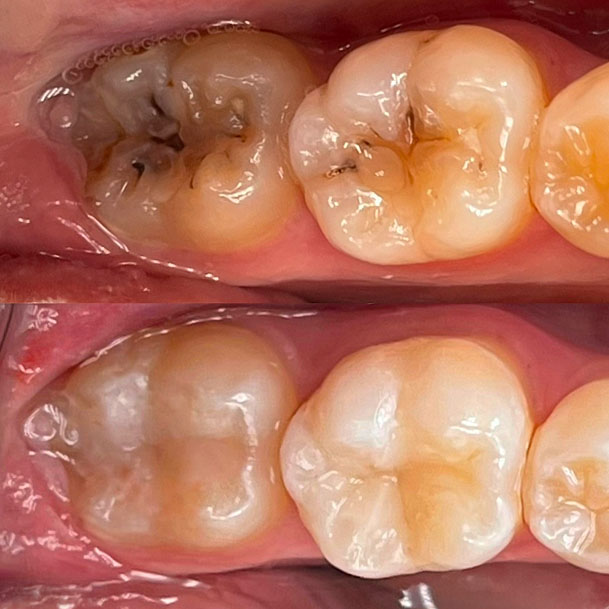
Sharp pain in one spot may come from decay, a crack, or a worn restoration. This type of pain often happens when biting or drinking something cold.
Gum Disease
Bleeding, swelling, bad breath, or gum tenderness may point to gum disease, especially if you notice bleeding gums when cleaning teeth. Regular dental cleanings can help control buildup and protect the support around the roots.
Grinding or Bite Stress
Grinding can wear enamel and strain the bite. If you wake up with jaw soreness or notice flattened edges, your dentist may check for bite-related damage.
A Calmer Visit in NYC
In a busy Manhattan schedule, it is easy to delay care until discomfort becomes harder to ignore. Dr. Waise Ebrahimi takes a conservative, prevention-focused approach that aims to preserve natural tooth structure while making care feel clear and manageable.
If you have avoided appointments because of pain, fear, or a bad past experience, you can start with a conversation. Schedule Your Visit and see if Smile Lab is the right fit for your next step.