
Modern equipment makes a visit easier in four practical ways: imaging that needs less exposure and no bulky film, scanners that replace impression trays, gentler numbing, and sedation for people whose fear runs deeper than ordinary nerves. None of it replaces a careful clinician. It does change how the appointment feels.
Sounds, sensations, and not knowing what comes next all feed the stress. Over the years, tools have evolved to support patient comfort in dentistry and to make appointments simpler and more predictable. Here is how advanced dental technology supports patient comfort during a real appointment.
How Does Digital Imaging Reduce Discomfort?
Older X-rays required biting down on bulky film holders with sharp corners. Newer digital sensors are smaller and have shorter exposure times, so the process is faster and easier to sit through. The American Dental Association notes that digital receptors deliver a reduction in exposure compared with conventional film, which is why they are now standard in most practices.
There is a second change patients notice right away. A 2024 expert panel convened by the ADA concluded that lead aprons and thyroid collars are no longer needed for routine imaging, since modern equipment already protects the rest of the body. That is one less heavy weight draped across your chest.
Smile Lab runs digital X-rays and intraoral cameras, plus 3D imaging for surgical planning. Intraoral cameras matter more quietly; seeing the crack on a screen beats being told about it. This is where digital dentistry patient comfort overlaps most directly with imaging accuracy, and many practices now rely on advanced dental technology patient comfort standards to support that level of precision.
What Replaced Traditional Impression Trays?
Plenty of people dislike old-style impressions. The trays feel oversized, the material sets slowly, and gagging is common. Intraoral scanners take a different route. These handheld wands use light to capture the shape of your teeth and gums, building a digital model with no putty and no tray.
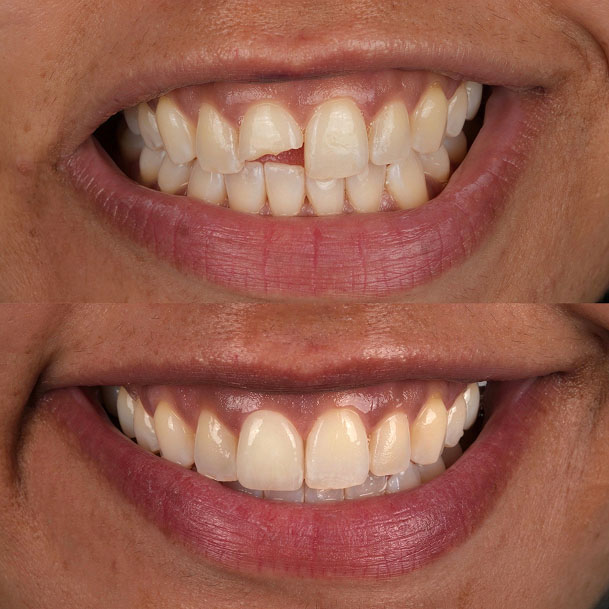
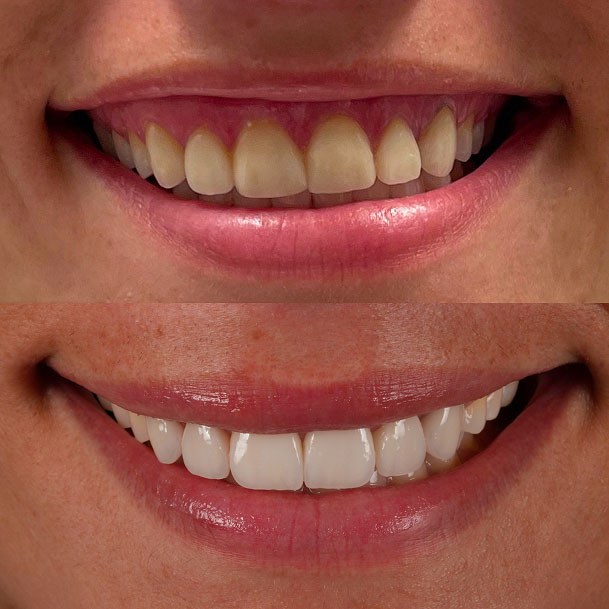
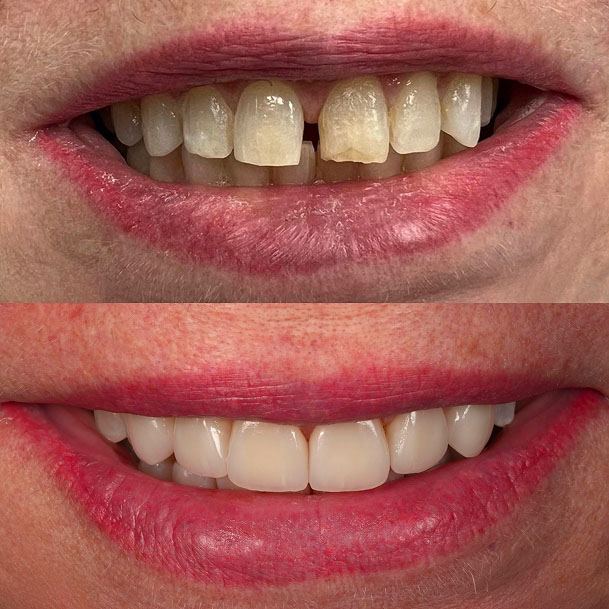
That matters most for anyone getting a crown, a porcelain veneer, a night guard, a retainer, or aligners. Orthodontic treatment comfort improves noticeably when the first step is a scan rather than a mouthful of material, and CandidPro clear aligners at Smile Lab start from exactly that kind of scan.
More Precise Planning Before You Sit Down
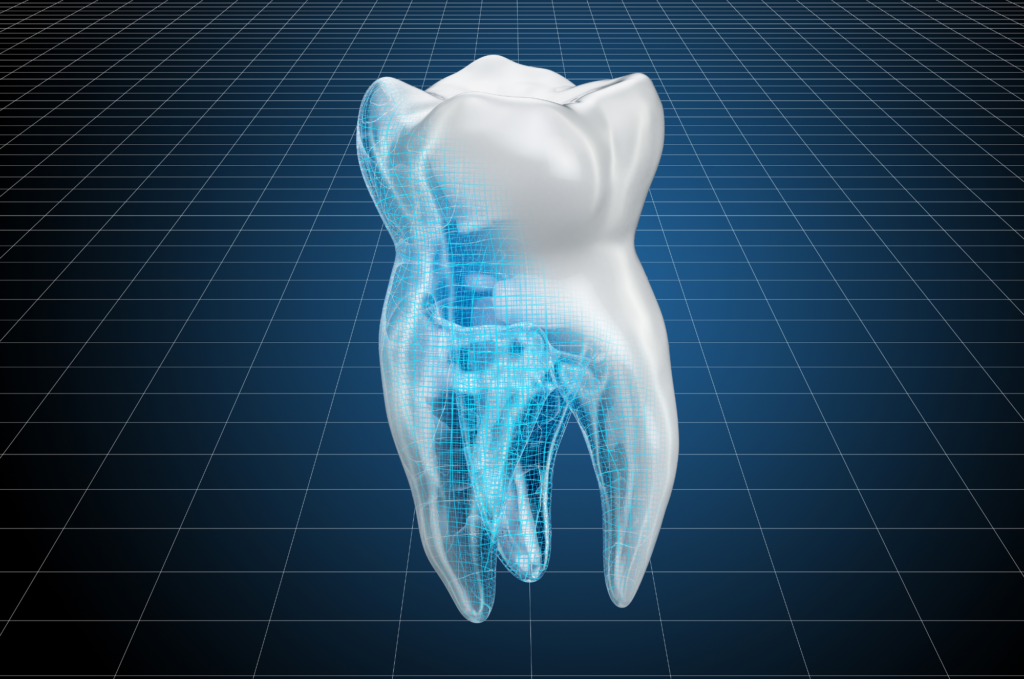
Planning software lets clinicians map a procedure in advance, which cuts guesswork and reduces the number of adjustments made while you are in the chair. For implant work, 3D imaging shows bone volume and nerve position before anything begins. A planned case tends to run shorter and more smoothly, and you know what is coming before it starts.
What Makes Dental Procedure Comfort Better Today?
Chairs are the obvious place to start. Adjustable positioning, deeper cushioning, and proper head support reduce strain during longer appointments, and dental procedure comfort improves for anyone with neck or back trouble.
The room matters too. Focused lighting, quieter handpieces, ceiling-mounted screens, and massage chairs all shift the experience. Modern dental equipment patient comfort improvements look small on paper but land differently in practice, which is part of how care is delivered at this dentist office in Manhattan, NYC.
Progress In Pain Management
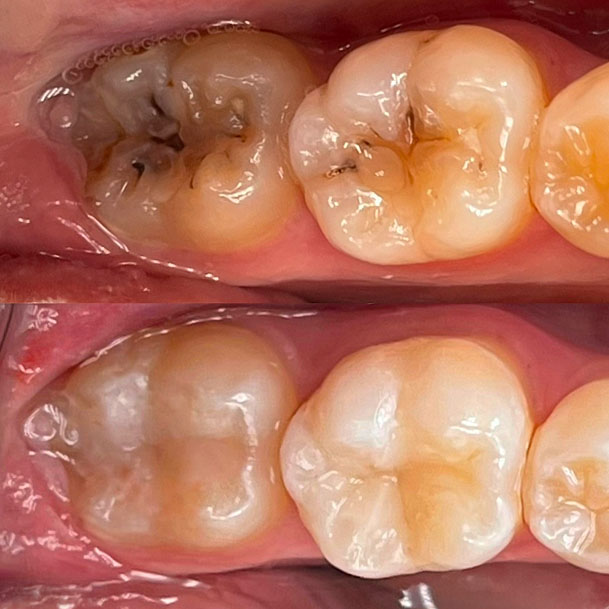
Numbing has improved on two fronts. Delivery systems place anesthetic more precisely, and topical gel applied beforehand takes the edge off the initial pinch. This matters most for routine work like a cavity filling, where precise numbing is what makes the whole appointment tolerable. It matters just as much for a deep cleaning, where longer numbing coverage keeps root-level work comfortable from start to finish.
Lasers have changed some soft tissue work as well. Laser gum therapy generally means less bleeding and swelling than a scalpel approach, with a shorter recovery. Not every procedure is painless, but the discomfort is far more manageable than it once was.
What Are Your Options If You Have Dental Anxiety?
If your fear goes beyond ordinary nerves, equipment alone will not fix it, and sedation dentistry exists precisely for that reason. Sedation is usually described in levels. Minimal sedation keeps you awake and responsive, most often using nitrous oxide, which the ADA describes as a safe and effective way to manage pain and anxiety when used appropriately. Moderate sedation goes deeper, delivered orally or intravenously, and suits longer or more involved appointments.
Non-drug approaches are worth asking about too. Agreeing on a hand signal to pause, bringing headphones, scheduling a first appointment with no work planned, and slow breathing between steps all help more than people expect. Tell the front desk before you book, not after you arrive. It changes how the visit gets scheduled.
Comfort in Surgical and Endodontic Procedures
Surgical appointments benefit most from planning technology, and modern oral surgery comfort starts with knowing what to expect before you sit down. 3D imaging maps nerve position and bone density before an extraction or an implant, which lowers the odds of surprises mid-procedure.
Root canal work has changed on the same lines. Better imaging and rotary instrumentation have made the procedure faster and far less grim than its reputation suggests.
Technology That Helps You Understand What Is Happening
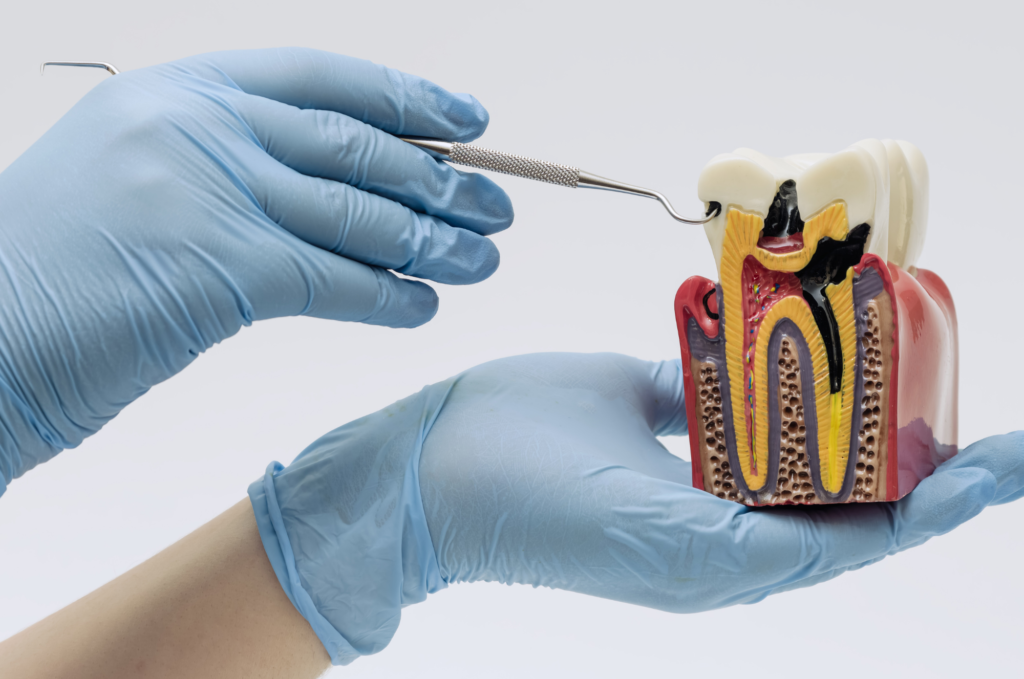
Comfort is not only physical. Feeling informed matters just as much. Chairside monitors, digital images, and simple visual models let a clinician show you what is going on inside your mouth instead of describing it. Understanding why something is recommended lowers anxiety, and modern dental technology patient confidence grows fastest when you can see the picture yourself instead of just hearing about it.
Faster Recovery With Fewer Follow-Up Visits
Precise work irritates less tissue. When a procedure is accurate, healing tends to go more smoothly, and fewer follow-up visits are needed. Recovery still depends on the procedure itself and on your own health, so this varies from person to person.
What Do These Procedures Cost Without Insurance?
If you have PPO coverage, most of the work below is covered at your plan rate. Without insurance, here are the flat prices at Smile Lab.
| Procedure | Technology used | Chair time | Cost without insurance |
|---|---|---|---|
| Emergency visit | Digital X rays as needed | Varies | $99 |
| New patient exam and cleaning | Digital X rays, intraoral camera | 50 minutes | $250 |
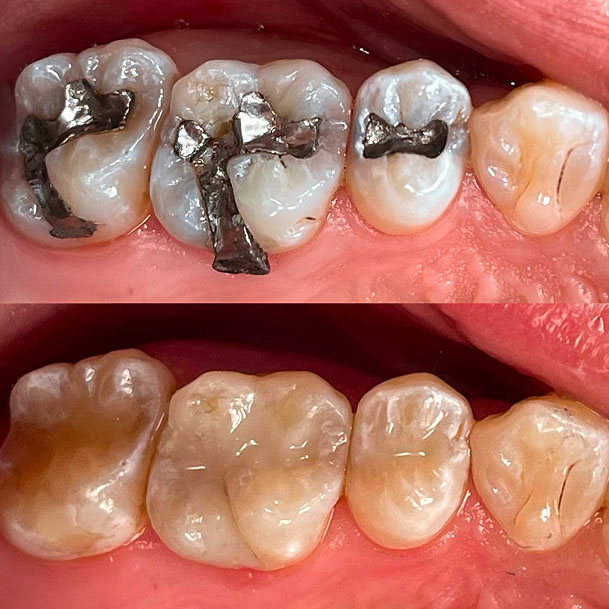
| Crown | Intraoral scan | 1 hr prep, 1 hr delivery 3 weeks later | $1,950 |
| Porcelain veneer | Intraoral scan | 1 hour | $2,323 |
| CandidPro clear aligners | Intraoral scan, digital planning | 1 hr consult and scan | $6,000 |
| Implant body | 3D imaging, guided planning | 1 hour | $2,650 |
| Abutment and crown | Intraoral scan | Varies by case | $3,300 |
| Root canal | Digital imaging | 1.5 hrs, 1 hr with endodontist | $1,400 front / $1,600 premolar / $1,800 molar |
| Night guard | Intraoral scan | Scan plus delivery visit | $650 |
| Retainers, top and bottom | Intraoral scan | 1 hr scan, 30 min delivery 2 weeks later | $650 |
The new patient exam includes a written treatment plan with no hidden fees. Routine teeth cleaning visits follow the same no-surprises pricing model.
What Patients Must Keep In Mind
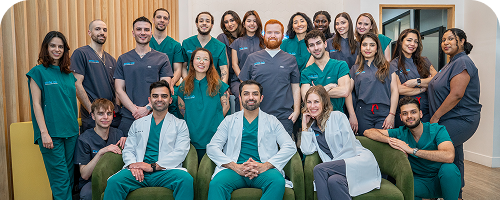
Equipment helps, but good dental technology patient care still comes down to skill, judgment, and a clinician who listens. A dentist who explains options clearly still matters more than any device in the room, and it is worth meeting the team before deciding who that person will be for you.
If anxiety is holding you back, ask what tools the practice uses and what sedation is available. Not every tool suits every situation, but most exist because someone was trying to make an appointment easier to sit through.
The modern dental technology impact patient care question comes down to this: it is real, if modest, and it cannot remove every unpleasant sensation. What it can do is make visits calmer, shorter, and more predictable than they used to be.