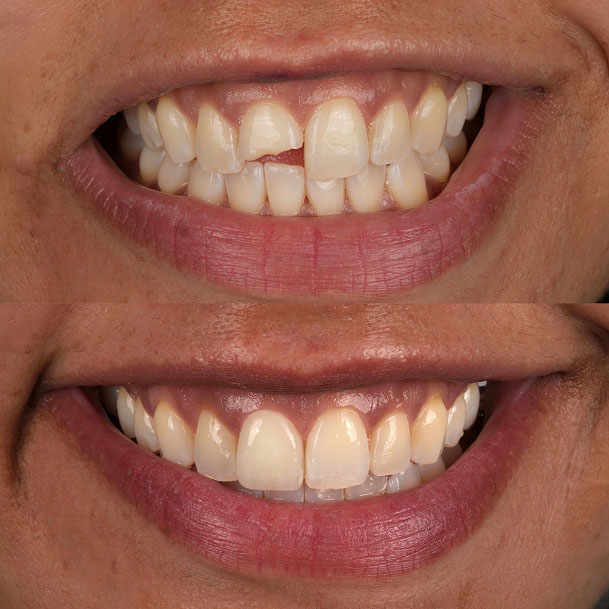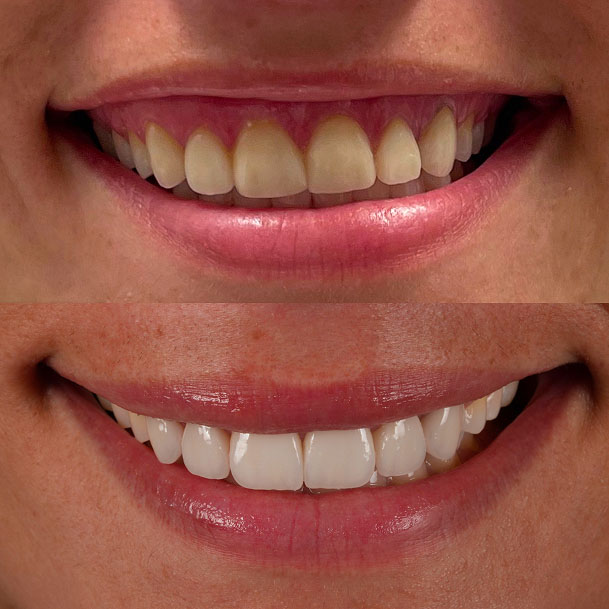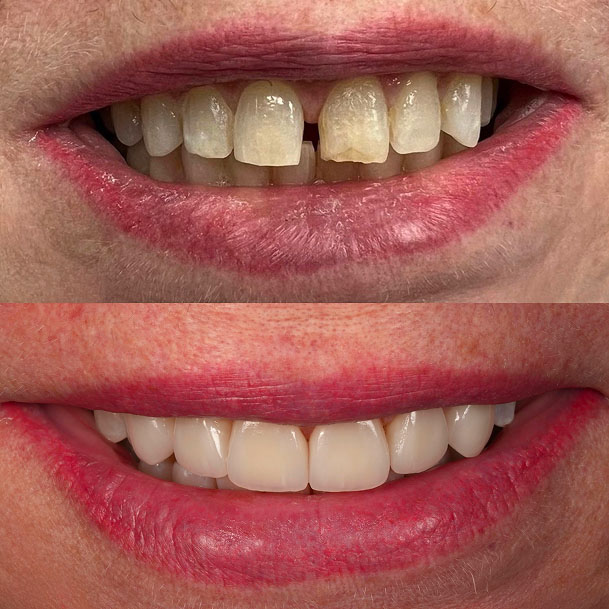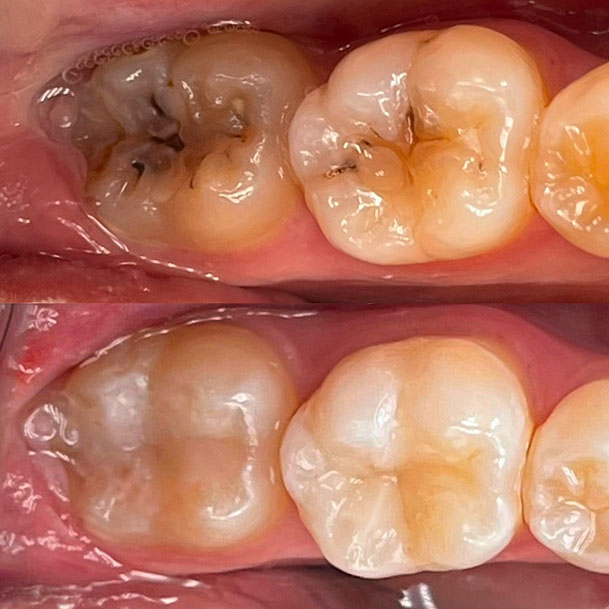
Not everyone is a good candidate. Your dentist may use 3D scans to check bone density, infection, and the shape of the tooth socket. If you have severe infection or bone loss, you may need a bone graft and more time to heal. Both methods can provide lasting results when planned with care.
Key Takeaways
- Tooth removal and implant placement can happen in one visit.
- Healthy gums and strong jawbone support improve your chances.
- A temporary tooth may be placed right away.
- The final crown usually takes several months to heal.
- Same-day and delayed implants can both work well.
Can You Get a Tooth Extraction and Implant on the Same Day?
Yes, if the jawbone can hold the implant firmly after the tooth is removed. Your dentist must also check your gum health and make sure the area can heal safely.
Who Qualifies for Immediate Implant Placement?
Good candidates have healthy gums, enough bone density, and strong socket walls. Good oral hygiene and stable overall health also help. Your dentist checks the surrounding bone and tissue before making a treatment plan.
How Does Immediate Implant Placement Work?
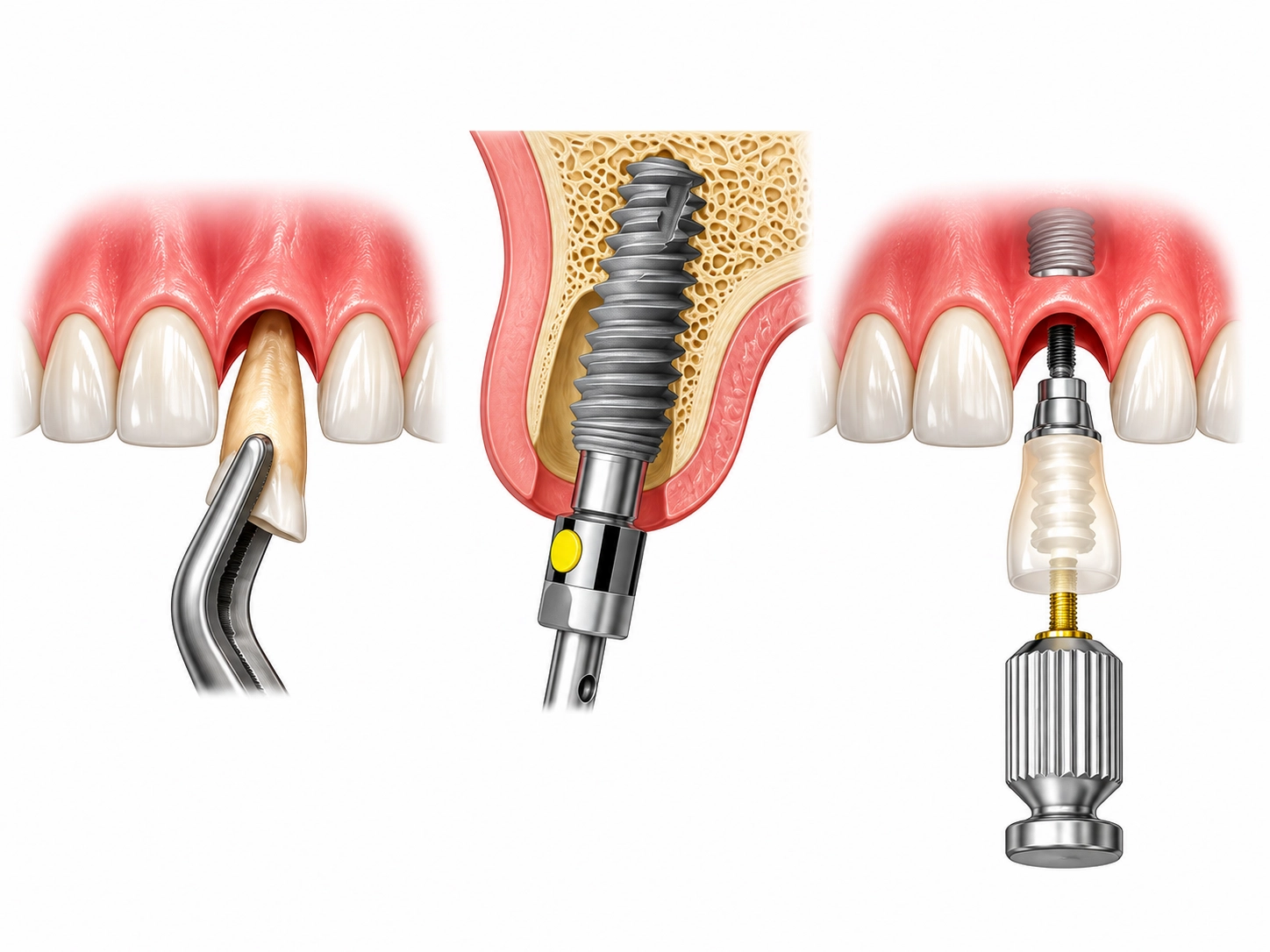
First, the dentist takes images to plan the procedure. Next, the dentist gently removes the damaged tooth and places the implant into the socket. Local anesthesia keeps the area numb during implant surgery.
Some patients may need a bone graft to support the implant.
Temporary vs. Permanent Crowns
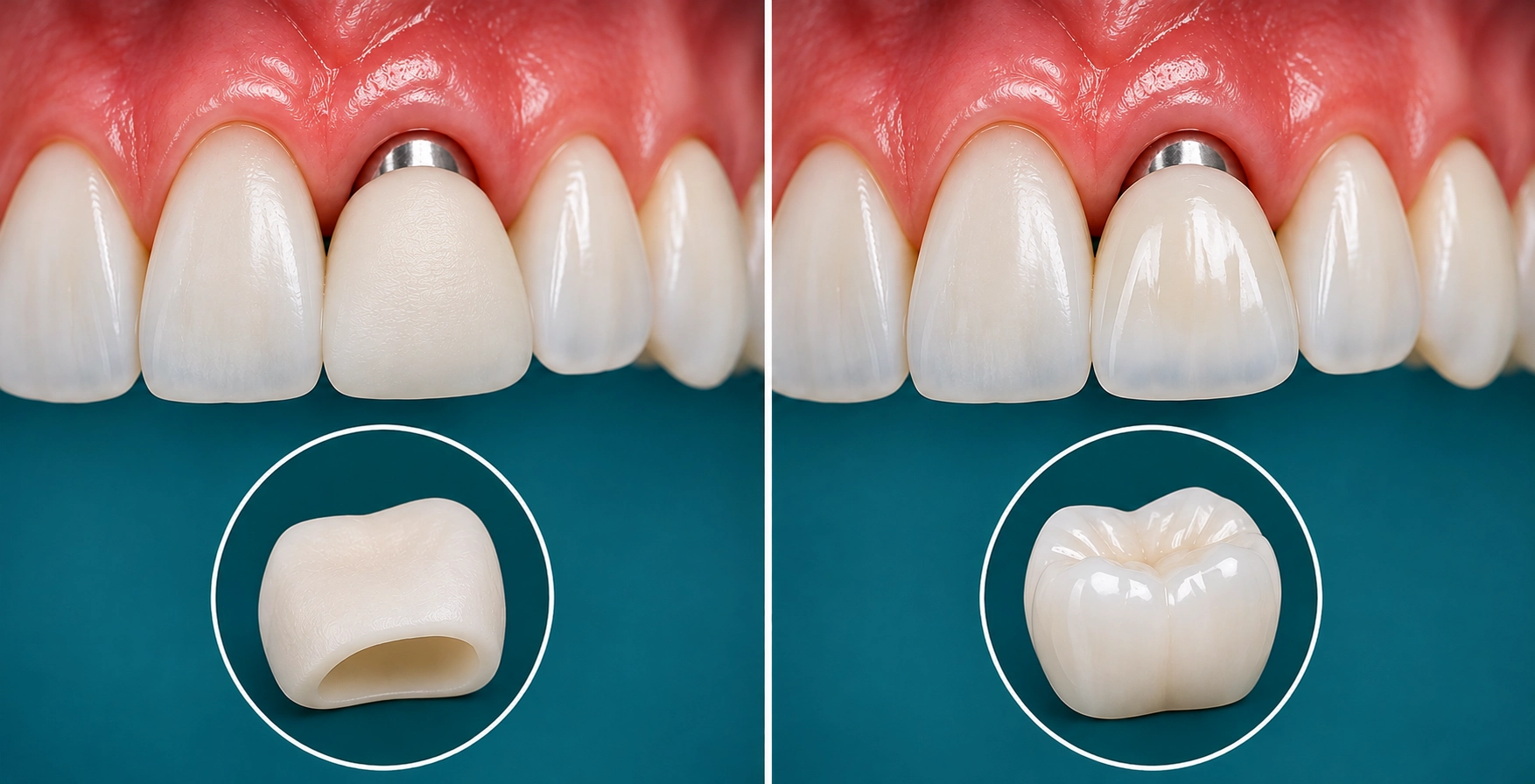
A temporary crown fills the gap while the implant heals. It may be placed the same day, but avoid putting too much pressure on it. A permanent crown is made for normal biting and chewing and is designed to last longer.
Your dentist usually places the permanent crown once the implant has fused with the jawbone. This often takes 3–6 months.
Benefits, Risks, and Success Rates
Same-day dental implants may mean fewer visits and a shorter treatment time. They can also help support gum shape after tooth removal.
Possible risks include infection, gum recession, and implant failure. Same-day placement does not stop all bone loss.
The International Team for Implantology (ITI) reports that same-day and delayed implants can have similar survival rates in suitable patients. Long-term success depends on proper placement, healing, and regular dental care.
Same-Day vs. Delayed Dental Implants
Both methods can provide lasting tooth replacement. The main difference is when the dentist places the implant.
| Factor | Same-Day Placement | Delayed Placement |
|---|---|---|
| Implant timing | During tooth removal | After the socket heals |
| Surgical visits | Usually one | Usually two |
| Total treatment time | Often 3–6 months | Often 4–9+ months |
| Temporary crown | Sometimes possible | May need another option |
| Bone support | Must hold the implant right away | Allows time for healing or grafting |
| Main concern | Careful patient selection | Longer treatment time |
Healing times depend on your bone health and treatment needs.
How Long Should You Wait After Extraction?
You may receive a dental implant on the same day as your extraction if your jawbone is strong enough. If your gums or bone need time to heal, your dentist may recommend waiting 4–8 weeks or 3–6 months. The exact timing depends on bone loss, infection, and whether you need a bone graft.
Same-Day Tooth Extraction and Implant Recovery
Mild swelling, soreness, and light bleeding are common during the first few days. The gums often start healing within 1–2 weeks. Your tooth extraction healing time may vary based on the procedure and your overall health. The implant needs several months to bond with the jawbone.
Eat soft foods, avoid chewing near the implant, and follow your dentist’s care instructions. Knowing how to clean your teeth after an extraction can help you keep your mouth clean without disturbing the healing area.
How Painful Is a Tooth Extraction and Implant?
Local anesthesia keeps the area numb during treatment. Mild to moderate pain afterward is normal and often improves within a few days.
Call your dentist if the pain worsens or you develop a fever or increased swelling.
How Much Does Same-Day Treatment Cost?
At Smile Lab in NYC, a single dental implant costs $5,950, including the implant post ($2,650), abutment, and permanent crown ($3,300). A non-wisdom tooth extraction performed by an oral surgeon costs $1,600, bringing the combined cost to $7,550. Learn more about tooth extraction costs and what can affect the final price.
A bone graft or temporary crown may increase the total cost. Your dentist will provide a full estimate before treatment.
Frequently Asked Questions
Can You Get an Implant After an Infected Tooth?
Sometimes. A mild, local infection may not prevent immediate placement if the dentist can clean the area and secure the implant. Severe infections may require more healing time.
The ITI guidelines support careful patient selection.
Can You Get an Implant After Molar Extraction?
Yes, if enough bone can support the implant. Molars have several roots, so the procedure may need extra planning.
Will You Need a Bone Graft?
Not always. A bone graft may help when the socket lacks enough bone or needs more support.
Can You Eat After the Procedure?
Yes, once the numbness wears off. Stick to soft foods and avoid chewing on the treated side. You should also know which foods to avoid after tooth extraction to help protect the healing area.
Is Same-Day Implant Placement Right for You?
The right choice depends on your bone health, gums, and treatment goals. A faster procedure is only helpful if it also supports a safe, lasting result.
At Smile Lab in Union Square, Dr. Waise Ebrahimi, a certified dental implant placement specialist, reviews these factors to help patients choose the right approach.
Schedule a consultation to see whether same-day treatment is right for you.