After 24 hours, your dentist may recommend gentle warm saltwater rinses to help keep the area clean. Continue eating soft foods, stay hydrated, and follow your personal aftercare instructions. Contact your dentist if you develop severe pain, heavy bleeding, fever, worsening swelling, or a bad taste that does not improve. At Smile Lab in Union Square, the team provides clear post-treatment instructions based on the type of extraction performed.
Key Takeaways
- You can usually brush the rest of your mouth the same day after a tooth extraction, but you should avoid the socket for the first 24 hours.
- Gentle care helps protect the blood clot, reduce irritation, and support normal healing during the first few days.
- Saltwater rinses should only begin when your dentist says they are safe, and they should never involve hard swishing or forceful spitting.
- Soft foods, small sips of water, rest, and avoiding straws or smoking can help lower the risk of dry socket.
- Call your dentist if pain gets worse, bleeding does not stop, or you notice swelling, fever, drainage, bad taste, or odor.
How to Clean Safely
You can usually brush untreated areas the same day, but keep the brush away from the socket. Safe teeth cleaning after an extraction means protecting the clot while keeping plaque and food debris under control. This balance supports oral health, helps prevent infection, and can promote healing during early recovery.
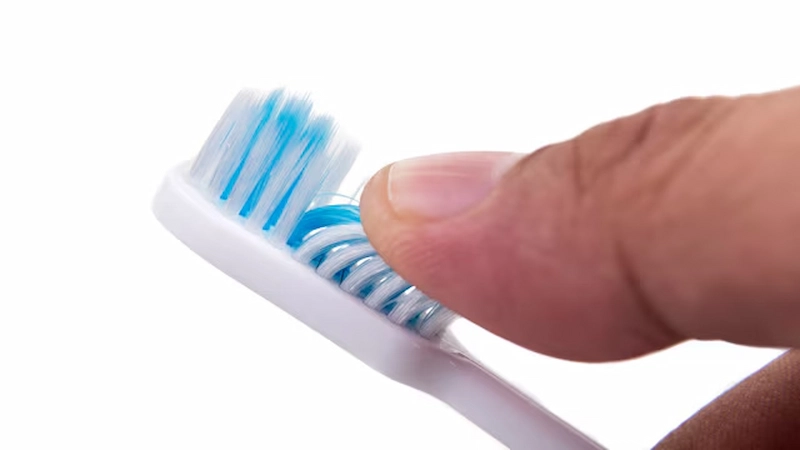
- Use a soft-bristled toothbrush.
- Avoid the socket until your dentist says it is safe.
- Start gentle saltwater rinses after the first day if instructed.
- Let liquid fall from your mouth instead of spitting.
- Call your dentist if pain, bleeding, swelling, or bad taste gets worse.
Cleaning after a Tooth Extraction Timeline
Your cleaning routine should change as the socket starts to heal. The first day focuses on protecting the blood clot, while the next few days allow for gentle brushing and rinsing if your dentist says it is safe.
- First 24 Hours: Do not brush directly over the socket. If you leave with gauze, your dentist may ask you to bite down for about 30 minutes. Brush only areas far from the site, and avoid toothpaste foam pooling near the treated area.
- First Night: Rest with your head raised. If swelling appears, you may apply an ice pack for 20 minutes at a time. Avoid bending forward, heavy activity, and strong rinsing before bed.
- After the First Day: Your dentist may tell you to rinse your mouth with warm salt water. Move slowly around extraction sites, and do not pick at food if it collects nearby. By one week, many people can return to brushing more closely to normal if tenderness has improved, though healing time after tooth extraction can vary based on the tooth removed and the complexity of the procedure.
How to Brush and Rinse Safely
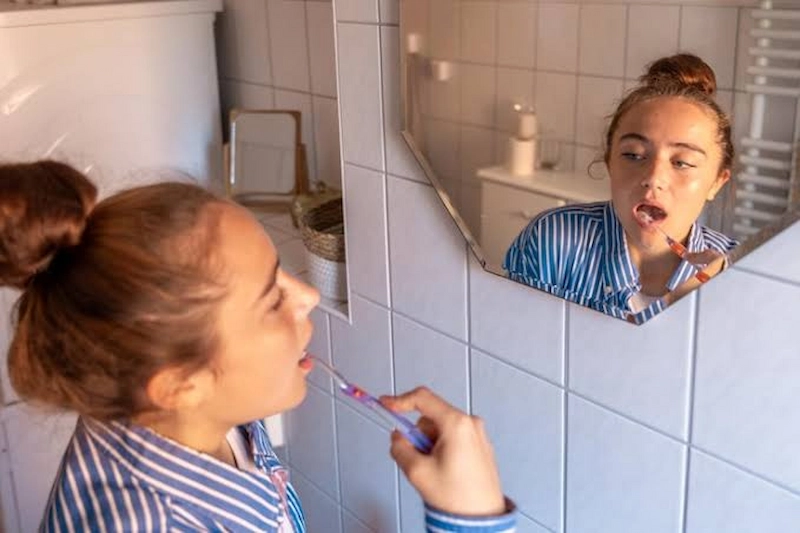
If you feel scared to brush teeth after extraction, start on the opposite side of your mouth. Use short, light strokes and keep the bristles away from the socket. Brush your tongue and other areas as usual so your mouth feels fresher without stressing the healing site.
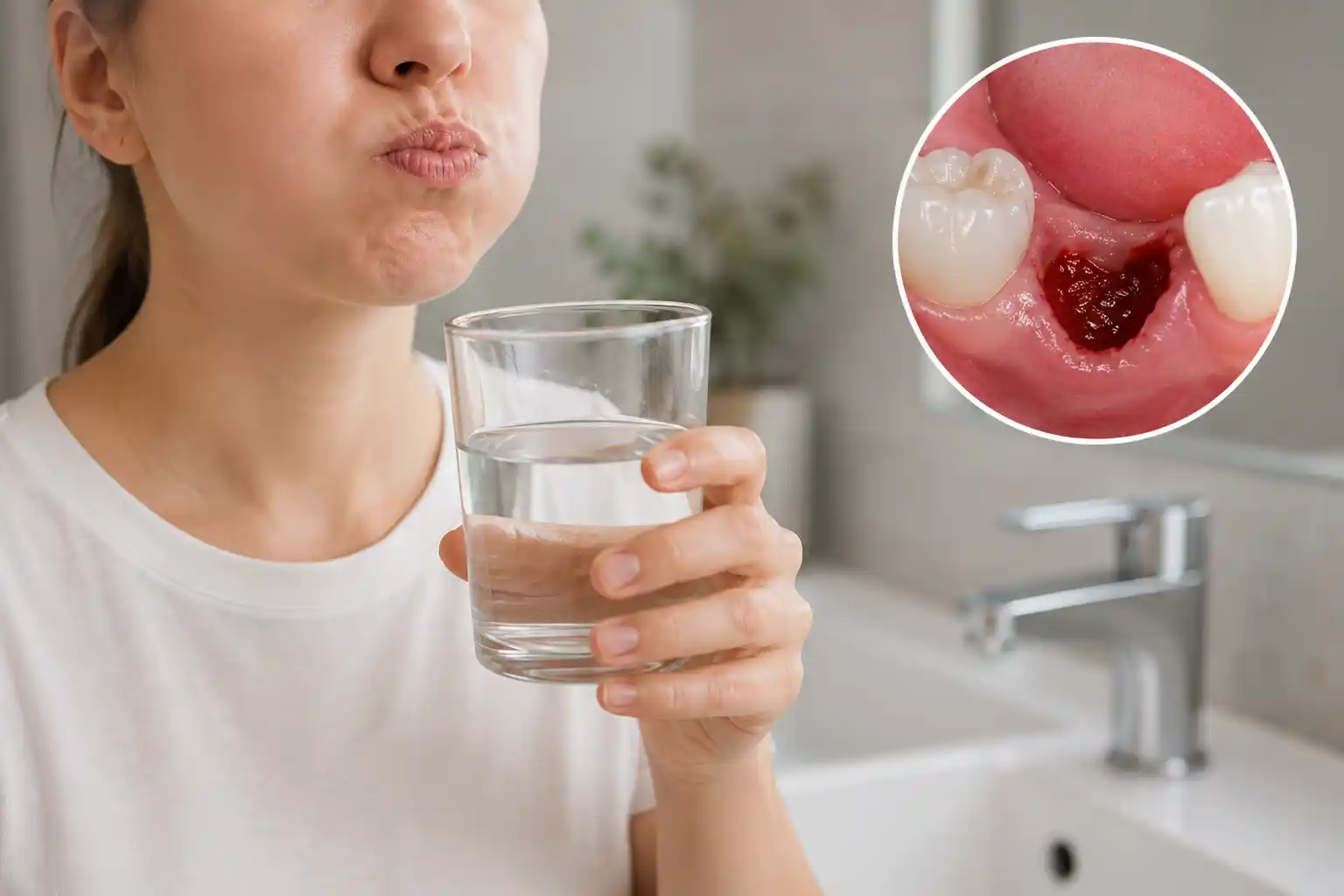
To make a saltwater rinse, mix about half a teaspoon of salt into one cup of warm water. Let the liquid sit in the area, but do not swish hard, gargle, or spit forcefully. Gentle rinsing can help keep the area clean without disturbing the clot.
Avoid regular mouthwash and hydrogen peroxide during the first few days unless your dentist recommends them. Alcohol-based rinses can irritate healing tissue. Strong pressure can also raise the risk of dry sockets.
Food, Drinks, and Things to Avoid
Focus on eating soft foods like mashed potatoes, applesauce, smoothies without a straw, or lukewarm soup. You can usually drink water soon after your visit, but sip gently and avoid straws. Some instructions limit dairy after sedation or medication, so follow your dentist’s food guidance and review these foods to avoid after tooth extraction if you need help planning meals.
Avoid smoking, vaping, forceful spitting, heavy lifting, intense workouts, and long errands until bleeding and swelling stay controlled. Do not touch the socket with a finger, brush, toothpick, or tongue. These habits can delay recovery and make the area more sensitive.
Wisdom Teeth and Warning Signs
Cleaning teeth after wisdom teeth removal can feel harder because back areas are difficult to reach. Clean back molars carefully, keep your cheek relaxed, and follow your oral surgeon’s timing for brushing, rinses, food, and activity. Surgical sites may need extra care if stitches or deeper healing are involved.
Mild soreness should improve with time, but worsening pain needs attention. Bleeding that will not stop, fever, drainage, swelling, bad taste, or odor can be signs of infection. Dr. Waise Ebrahimi takes a preventive, conservative approach to post-extraction care, helping patients protect their healing and return to daily life in Manhattan with less confusion.
If you are unsure whether your symptoms are normal, schedule your visit with Smile Lab for clear guidance.