What Are Dental Crowns Made Of?
The excitement of a whitening treatment can fade fast when one tooth stays yellow or gray while the rest of your smile brightens. If you have a cap on one of your teeth, you have likely noticed it no longer blends in the way it used to. That happens because whitening changes natural enamel but does nothing to lab-made materials like porcelain or zirconia.
A crown works like a custom-fitted cover for a damaged tooth. It is built for durability and color stability, and a good one can last a decade or more. Because it has to survive constant chewing pressure, it is made from high-strength material rather than enamel, which wears and stains differently over the years.
Most dental crowns are made from:
- Porcelain
- Ceramic
- Zirconia
- Porcelain fused to metal (PFM)
- Composite resin
Natural enamel is porous. These materials are non-porous and factory-sealed. That seal is great at resisting stains, and it is also why they do not respond to whitening agents the way your own enamel does.
If you’re also considering a porcelain veneer for a different concern, it helps to know the two aren’t interchangeable, since a veneer only covers the front surface of a tooth rather than encasing the whole thing. See how crowns and veneers compare if you’re deciding between them.
Why Teeth Whitening Doesn’t Work on Crowns
So does teeth whitening affect crowns? Not in the way most people hope. Teeth whitening is a chemical reaction, not a scrubbing process. Whitening gel soaks into porous enamel and breaks apart the molecules that cause deep stains. Porcelain and ceramic have no pores for the gel to enter, so that reaction never happens on a restoration.
When you whiten, your natural enamel lightens little by little while the cap stays the exact shade your dentist placed. The more you brighten the surrounding teeth, the more the restoration stands out. Can porcelain crowns be whitened? No, and neither can ceramic, PFM, or zirconia caps. The American Dental Association confirms that whitening products will not work on caps, veneers, crowns, or fillings, which is why the question of how to whiten veneers and crowns has the same short answer.
Some people try to force the issue with stronger products or by leaving gel on longer. That doesn’t change the color, but it can strip the protective glaze. Once the glaze wears away, the surface turns dull and picks up stains even faster, so the DIY route can leave a cap looking worse than before.
What Causes Crown Discoloration?
Crowns hold their shade well, but the outer surface still picks up buildup from daily life. Knowing what causes crown discoloration makes it easier to prevent. Four factors do most of the damage.
Food and drink.
Coffee, tea, red wine, dark sodas, curry, soy sauce, and berries leave a pigmented film on the exterior of a cap. Do crowns get stained the way natural teeth do? Not internally, but the outside can look darker over time from repeated exposure.
Tobacco use.
Smoking and smokeless tobacco are linked to tooth and restoration staining, and porcelain surfaces pick up that yellow-brown tint especially easily. This is one of the toughest surface stains to remove and one of the easiest to prevent by quitting.
Plaque and inconsistent oral hygiene.
When plaque builds up along the gum line where the cap meets your natural tooth, it darkens the margin and dulls the surrounding surface. Consistent brushing and flossing keep that transition zone clean.
Age and normal wear.
Even durable materials pick up microscopic scratches and lose some of their original polish over the years. Older caps also predate newer materials that resist staining better.
How to Whiten Dental Crowns at Home
You cannot lighten the material itself, but you can keep a capped tooth looking its brightest by controlling surface buildup. First, a safety note: skip the harsh stuff. Abrasive powders, strong peroxide, and long gel sessions can scratch or cloud the glaze, and that damage cannot be reversed.
The safe goal at home is a clean, smooth surface, not a chemical color change. Here is how to remove stains from porcelain crowns at home without wrecking the finish.
Best Toothpaste for Crowns: Non-Abrasive Formulas
Not every toothpaste is gentle. Many “whitening” formulas use gritty particles to scrub stains off enamel, and those same particles can leave tiny scratches on porcelain. The best toothpaste for crowns is a smooth, low-abrasion fluoride formula that cleans without wearing down the glaze.
That is the core difference in how whitening toothpaste works on natural teeth versus a crown: it can polish enamel but only wears down a restoration. Switching to a non-abrasive paste keeps the surface reflective.
Can You Use Whitening Strips on Crowns?
Whitening strips are the first thing many people reach for, so it is worth being clear: strips will not lighten a cap. If you do use strips on your natural teeth around a crown, brushing before or after helps get the timing right.
The peroxide only works on natural enamel, so a strip laid over a crown does nothing to its color and can leave you with an uneven result once the real teeth lighten around it.
Gentle Brushing Techniques
Hard scrubbing wears down the finish and can push your gums to recede. Use soft bristles and light, circular strokes. Keeping the spot where the cap meets the gumline clean is the best way to avoid that dark line at the edge.
ADA-approved Products
When you shop for oral care, look for the ADA Seal of Acceptance. Everyday brands like Crest and Colgate carry it on products approved by the American Dental Association to manage plaque and surface stains without harming restorations. They will not whiten dental caps from the inside, but they keep the tooth healthy and the surface clean.
Managing Surface Stains and Plaque Buildup
Do crowns get stained on the outside? Coffee, tea, and red wine are the most common culprits behind that surface film. Rinsing with water after you drink them, or trying a few natural stain-lifting habits between cleanings, helps a lot. Regular flossing is also important, since it prevents plaque from accumulating at the base of the cap, where discoloration usually starts.
Safe Natural Methods to Maintain Crown Brightness
Baking Soda
Will baking soda whiten crowns? Not in the true sense. Baking soda is mildly alkaline, so, when used correctly, it lifts some surface stains and keeps a cap looking bright. That is the whole story behind how to whiten crowns DIY with baking soda: a gentle surface clean, not a color change. Use it about once a week at most, since daily use is too abrasive for the finish.
Oil Pulling
Swishing coconut oil, known as oil pulling, reduces bacteria and plaque that can make a restoration look dull. It reaches the tight gaps between the cap and your natural teeth where a brush often misses.
What If Your Crown Looks Whiter Than Your Teeth?
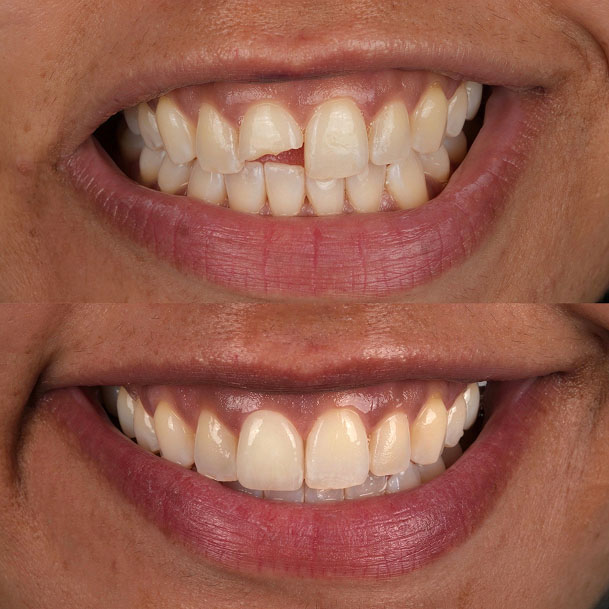
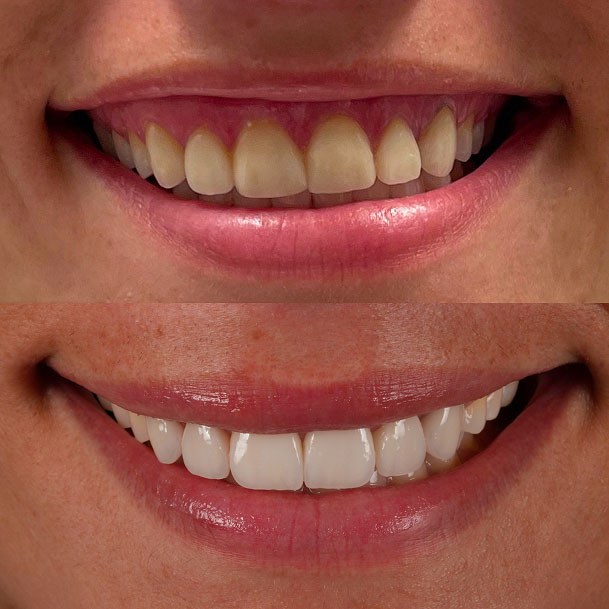
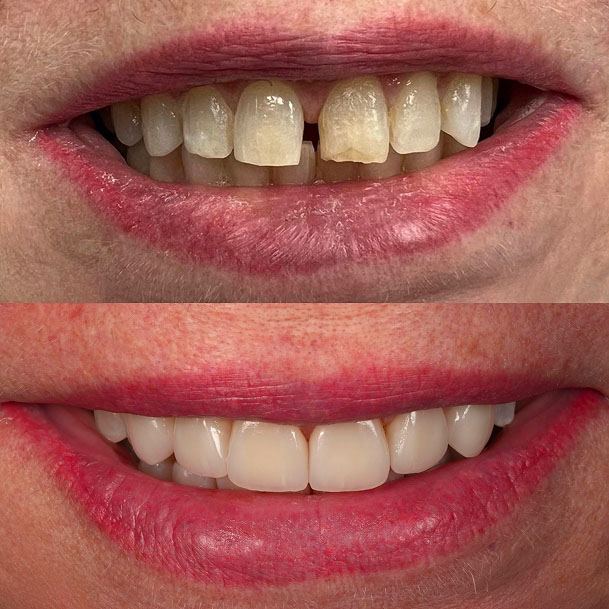
Sometimes the problem runs the other way: the cap is brighter than the enamel beside it. This is common when a crown was matched to your smile years ago, and your natural teeth have since darkened from age, coffee, or wine. The fix is the same principle covered below: lighten your natural teeth to meet the crown’s shade. If the gap is large, your dentist may suggest replacing the crown with one in your new, lighter shade.
Can You Whiten Zirconia Crowns?
Zirconia has become one of the most common materials for permanent crowns because of its strength and natural-looking translucency. It also shares the same limitation as porcelain: the shade is locked in at the lab, and no bleaching product will change it.
So can you whiten zirconia crowns? No, not through any home or in-office whitening treatment. The material is fully non-porous, which helps keep it stain-resistant in the first place. If a zirconia cap looks off compared with the surrounding teeth, the options match those for porcelain: a professional polish to remove surface film, whitening the surrounding natural teeth, or replacement in a new shade.
Do Temporary Crowns Whiten Differently?
Temporary crowns are usually acrylic or composite, not the porcelain or zirconia used for permanent ones. That softer material stains more quickly and scratches more easily, so avoid whitening products and abrasive pastes entirely.
Can you brush your teeth with a temporary crown? Yes, and you should. Use a soft-bristled brush, a gentle non-abrasive paste, and light pressure around the cap. Flossing is fine, but slide the floss out sideways rather than pulling straight up, which can dislodge the temporary. A temporary is only in place for a few weeks, so the goal is simple: gentle cleaning until your permanent restoration is ready.
Is It Possible to Whiten Old Crowns?
Older caps often look dimmer than they did on day one, and patients frequently ask whether an old crown can be brought back to its original color. Is it possible to whiten old crowns? Not through bleaching. The material has not changed color from the inside; what has changed is the surface, and often the shade of the natural teeth around it.
A professional polish can restore some brightness by lifting surface film and stubborn stains. If the crown itself is worn, chipped, or noticeably off-shade compared with a newly whitened smile, replacement is the only lasting fix. Modern zirconia and high-grade porcelain resist staining better than older PFM crowns, so an updated cap usually holds its color longer than the one it replaces.
How to Care for Crowns Long-Term
The routine isn’t complicated, and much of it overlaps with good general oral hygiene.
Brush twice a day with a soft-bristled brush and a non-abrasive fluoride toothpaste. Floss around the base of the cap daily, paying special attention to the margin where the crown meets your natural tooth. Rinse with water after coffee, tea, wine, or dark sauces to reduce surface pigmentation.
Avoid biting into ice, hard candy, or bones, since a fractured cap almost always needs to be replaced. Sticky foods like caramel or gum can also loosen a crown over time. Schedule professional cleanings every six months so your dentist can polish out surface stains and check the bond at the margin.
If you clench or grind at night, ask about a nightguard. Bruxism shortens the life of any restoration and can crack porcelain faster than daily wear.
Professional Options to Improve the Appearance of Crowns
When home care is not enough, it is time to look at professional solutions. Dentists have tools that are much more effective (and safer) than anything available over the counter for keeping your crowns looking bright. Two common professional approaches include:
Professional Polishing for Surface Stains
During a professional cleaning, dentists use specialized polishing pastes designed for restorations. A dental crown polish can remove minor surface dullness and stubborn stains that a toothbrush cannot reach. Most patients find that their caps look noticeably brighter afterward, though the underlying shade of the material does not change.
Whitening Natural Teeth Around Crowns
Can I whiten my teeth if I have a crown? Yes, and this is the most effective route to a cohesive look. By using custom-fitted trays, dentists carefully lighten the surrounding natural teeth until the shade difference disappears. This creates a balanced, natural-looking smile without ever touching the crown itself.
The best teeth whitening for crowns is really the best whitening for the natural teeth around them. In-office professional whitening delivers the fastest, most controlled results, followed by custom take-home trays. Over-the-counter strips come last, since they whiten unevenly and often leave the cap looking more out of place than before.
How Smile Lab NY Helps You Achieve a Balanced, Natural Smile
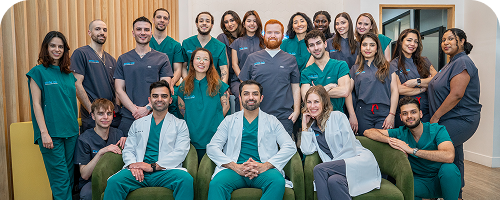
At Smile Lab, we do not do one-size-fits-all dentistry. We take a conservative, ethical approach to your care. When you come in with a mismatched cap, we look at the full picture: your gum health, the restoration’s age, and your cosmetic goals. Whether you need a quick polish or a perfectly matched new crown, the focus stays on what is best for your long-term oral health and the look of your smile.
Conclusion
Crowns are excellent at restoring a damaged tooth, but the fact that they will not whiten can be frustrating. Once you know the material is color-stable, you stop wasting money on products that will never work. Gentle home care, regular professional cleanings, and whitening your natural teeth to match are what actually keep your smile bright. When you are ready for a professional evaluation, the team at Smile Lab NY is here to walk you through the options with care and clinical judgment.