These covers can hide exposed roots, fill dark gaps, and create a more even gumline. They may also help reduce tooth sensitivity, though results vary. Costs depend on the material, design, and number of teeth treated. At Smile Lab in Union Square, Manhattan, patients can explore these options and other treatments, such as tissue grafting, based on their needs.
Key Takeaways
- Gum veneers cover areas where soft tissue has pulled back, hiding exposed roots and dark spaces between teeth.
- Removable and fixed options use materials such as acrylic resin, silicone, composite resin, or ceramic.
- These covers improve appearance but do not restore lost tissue. Treat active gum disease before cosmetic care.
- Costs and lifespan vary by material, design, daily care, and the number of teeth involved.
- Gum grafting can restore root coverage in some patients, while cosmetic options only hide missing tissue.
What Are Gum Veneers?
These thin, custom-made appliances conceal areas where soft tissue has receded. They match the natural pink color around your teeth and fill visible gaps.
Unlike porcelain veneers, which cover the front of teeth, these appliances conceal missing tissue. They offer a minimally invasive way to improve your smile without surgery.
They do not reverse gum recession or treat its underlying cause.
Types of Gingival Veneers
Different designs can help restore the look of your smile. The right choice depends on the amount of tissue loss, comfort, and daily care needs.
Removable Gum Veneers
Removable appliances are often made from acrylic resin or flexible silicone. They fit over exposed areas and can be taken out for daily cleaning.
They can improve appearance without changing your natural teeth. Silicone options are softer and more flexible, while acrylic versions are more rigid.
Fixed Gum Veneers
Fixed gingival veneers use pink ceramic or composite resin to hide missing tissue. They may attach to teeth or form part of a larger dental restoration.
These covers stay in place and need regular professional care. Your dentist must also ensure you can clean around them.
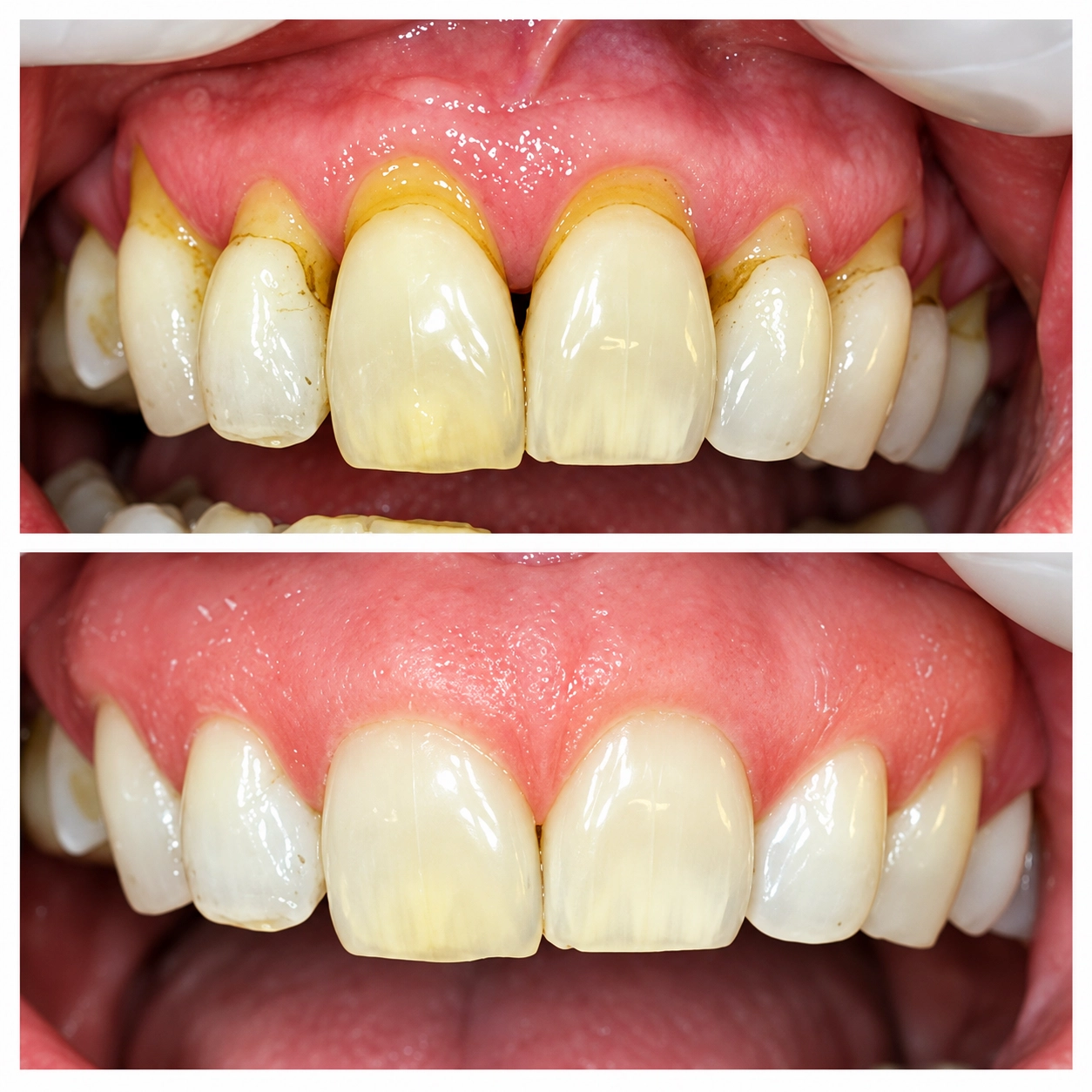
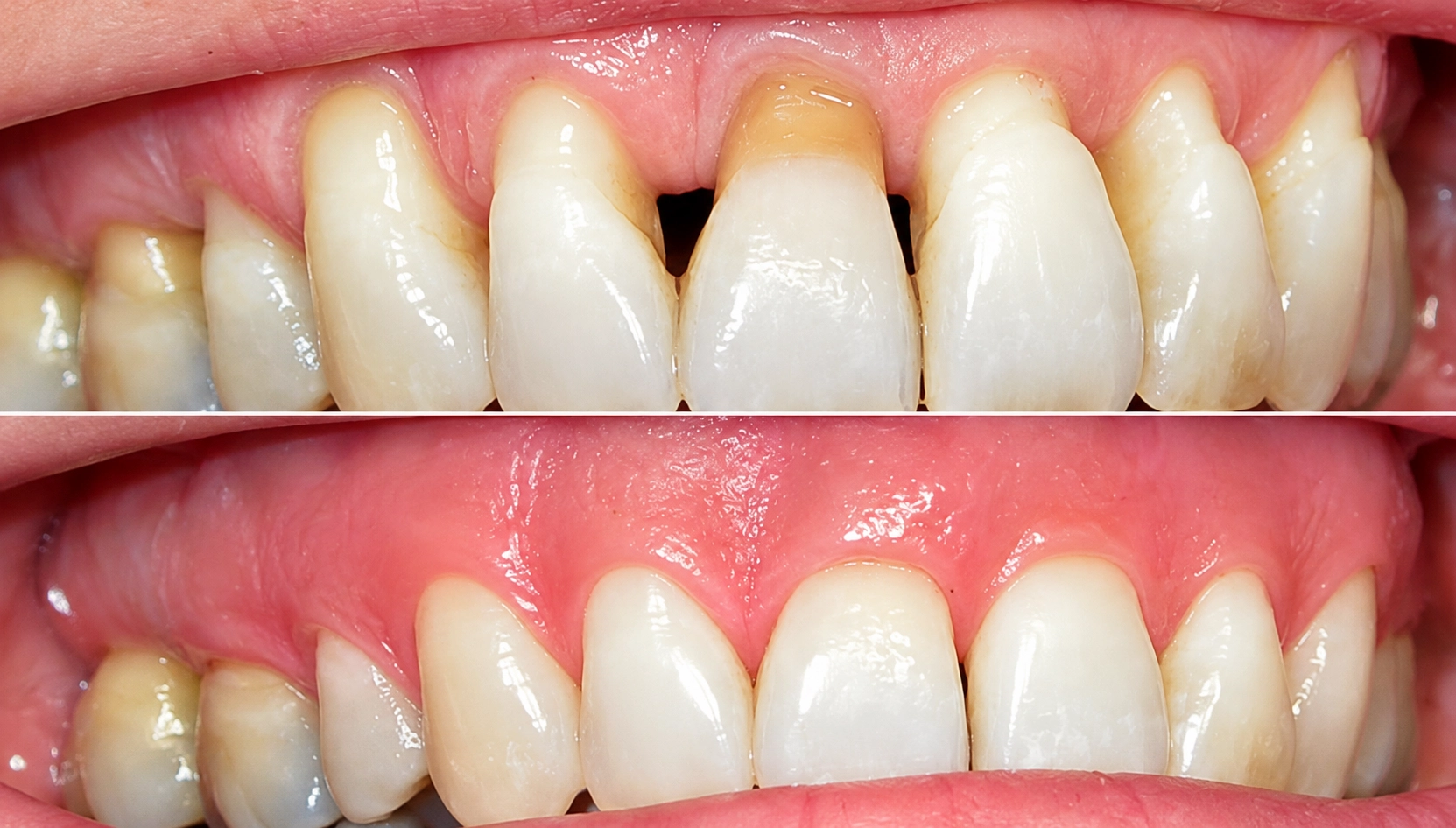
Gum Veneers Before and After
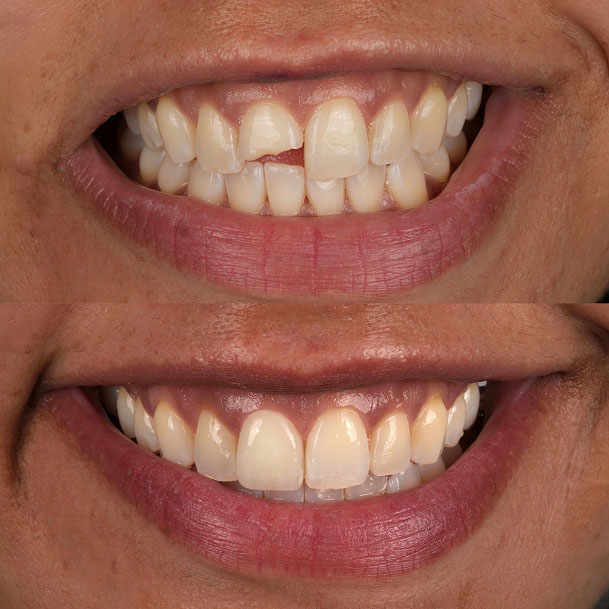
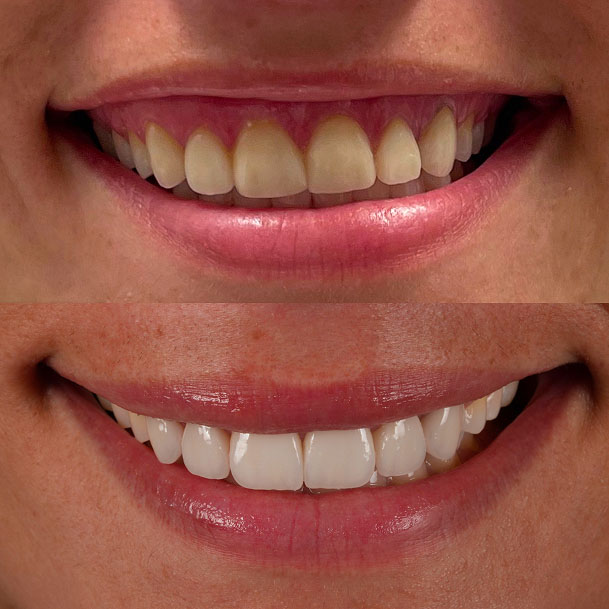
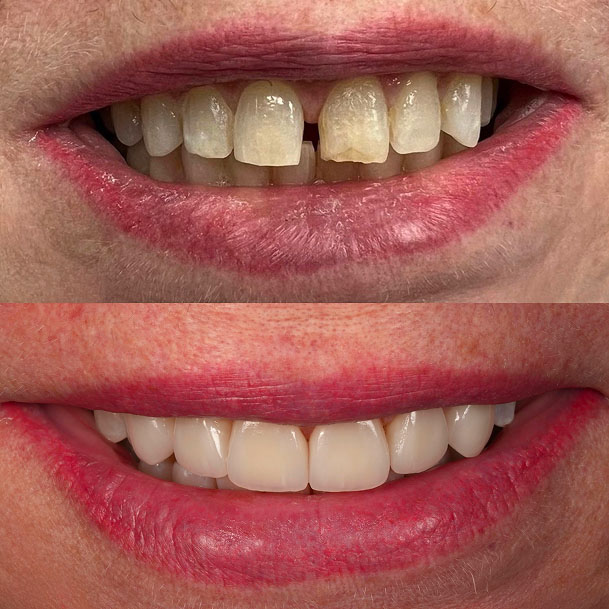
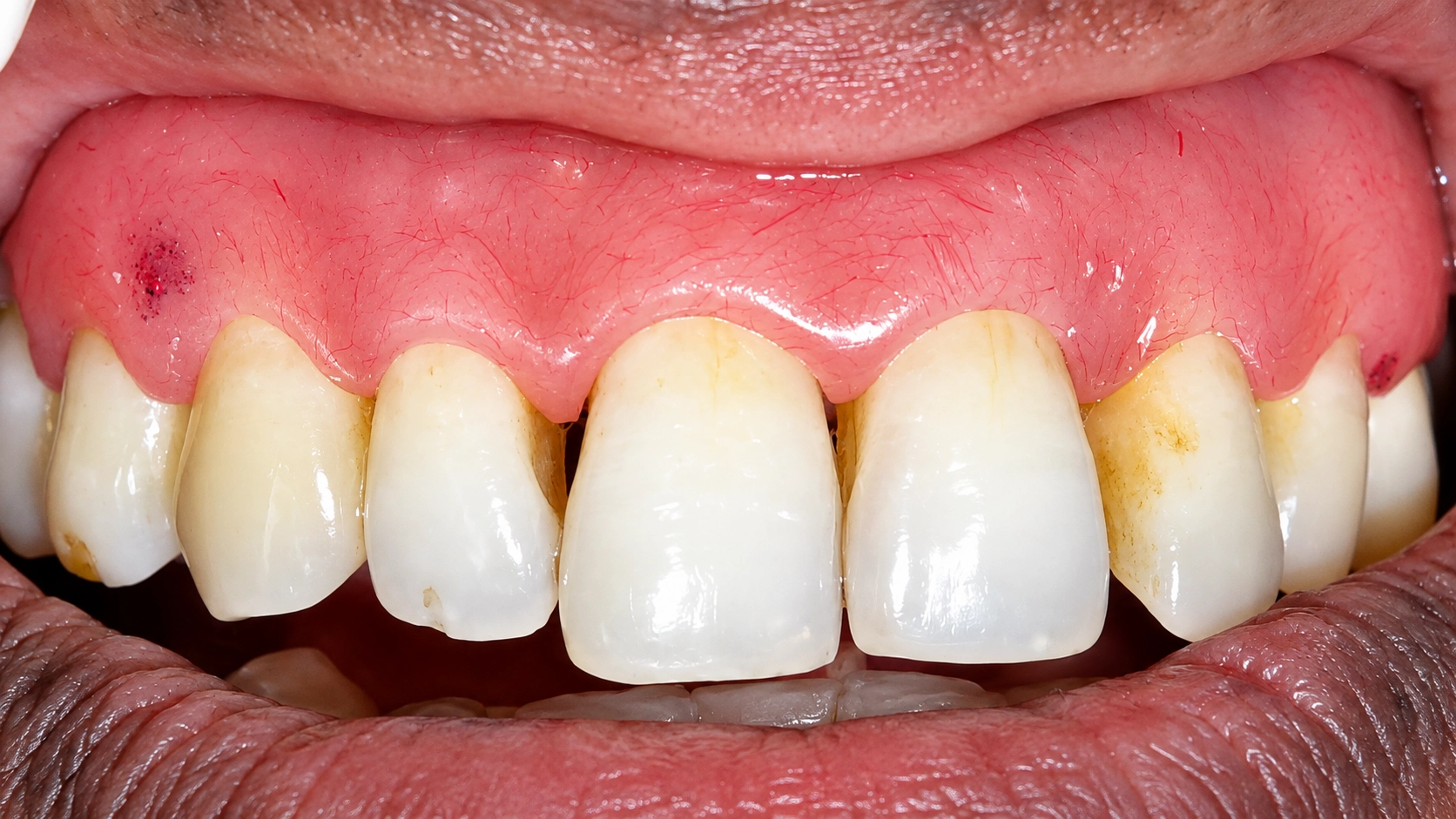
Before treatment, exposed roots may make teeth look longer. Tissue loss can also create dark spaces between teeth.
After fitting, the pink appliance hides these gaps and creates a more even appearance. Results depend on the amount of tissue loss, color matching, and fit.
How Are Gum Veneers Made and Fitted?
The process usually involves three steps:
- Examination: Your dentist checks your oral health and decides whether treatment is suitable.
- Impressions: A mold or digital scan records the shape of your teeth and surrounding tissue.
- Fitting: Your dentist places the custom appliance and checks its comfort, fit, and appearance.
Small adjustments may be needed to improve comfort.
Who Is a Candidate for Gum Veneers?
These appliances may help people with exposed roots, large gaps, or missing tissue after periodontal disease treatment.
Good candidates have healthy, stable tissues and practice good oral hygiene. Active infections, tooth decay, or ongoing inflammation may require treatment first. Swollen gums around a tooth can also signal a problem that needs a dental exam before cosmetic treatment.
For certain cases of periodontal disease, laser gum treatment may be an option after a dental evaluation. Dr. Waise Ebrahimi, DDS, focuses on preserving natural teeth and avoiding unnecessary procedures. His approach helps patients choose dental care based on their needs.
Benefits and Limitations of Gum Veneers
The main benefit is a more even smile without surgery. These appliances can hide tooth roots and fill spaces caused by tissue loss.
Possible drawbacks include:
- Stains or color changes over time.
- Plaque buildup without proper cleaning.
- Loose or uncomfortable fit.
- The need for repairs or replacement.
Tooth colored materials restore the look of teeth, while pink materials help match the surrounding tissue.
Buying gingival veneers online without a dental exam can lead to poor fitting and missed health problems.
How Much Do Gum Veneers Cost?
Custom removable gum veneers typically cost $300 to $1,000 per dental arch, based on published U.S. dental pricing. Manhattan costs may vary by material, number of teeth covered, and treatment complexity.
Fixed ceramic restorations may cost more because they require additional dental work. Your dentist can provide a personalized estimate based on your needs. Ask whether the price includes examinations, fitting, adjustments, and future repairs. This helps you understand the total cost before treatment.
Are Gum Veneers Permanent?
Removable covers are not permanent. Fixed types stay attached but may need repairs or replacement over time.
Neither option can regrow missing tissue. Regular dental visits help protect your oral health.
How Long Do Gum Veneers Last?
Gum veneers can last several years with proper care, but no well-established average lifespan exists. A published case report documented a silicone appliance that remained comfortable and functional after two years.
Removable acrylic and silicone options may need replacement due to wear, stains, or changes in the surrounding tissue. Regular dental visits and proper cleaning can help extend their lifespan.
How to Care for Gum Veneers
Follow your dentist’s cleaning advice and use products suitable for your appliance. Clean your removable veneer after eating, as advised, and avoid harsh or abrasive cleaners.
Brush and floss your teeth each day. Good hygiene helps prevent plaque buildup and keeps surrounding tissues healthy. If you notice bleeding gums when you brush, a dentist can help identify the cause.
Gum Veneers vs. Gum Grafting
Gum grafting uses tissue from your mouth or another suitable source to cover exposed roots. It can help protect teeth and restore coverage when conditions allow. For patients with excess tissue or an uneven gumline, laser gum contouring may be another option, although it cannot replace tissue lost to recession.
Cosmetic appliances hide missing tissue without surgery. They improve appearance but cannot regrow tissue or stop active disease.
Grafting may provide longer-lasting root coverage for suitable patients. The best choice depends on your dental health, treatment goals, and amount of tissue loss.
If you have noticed changes around your teeth, a dental exam can help you understand your options. Schedule a consultation to explore a treatment that fits your needs and comfort.