A tooth replacement that starts to move usually needs prompt dental care, even if it is not always a same-day crisis. The answer to “Is a loose dental implant an emergency?” depends on what is moving: a crown or an abutment may be repairable, while movement of the post can indicate infection, bone loss, or implant failure.
Do not chew on that side, do not try to tighten anything yourself, and keep the area clean until you are seen. At Smile Lab in Union Square, the goal is to identify whether the crown, connector, or post is unstable, then recommend the safest fix based on the cause.
Key Takeaways
- Movement in a tooth replacement needs prompt dental care, even when symptoms feel mild.
- A loose crown or abutment may be easier to fix than movement in the post, which can signal infection, bone loss, or implant failure.
- Pain, swelling, pus, bleeding, a bad taste, trouble chewing, or worsening movement are signs to contact your dentist right away.
- Do not chew on that side or try to tighten the implant yourself, since this can damage the crown, screw, gum tissue, or bone.
- A dentist can identify the unstable part and recommend the right fix, such as tightening, crown replacement, infection treatment, or replacement.
Yes, It Needs Prompt Dental Care
Dental implants are designed to remain stable because the post should fuse with the jawbone through a process called osseointegration. When your dental implant is loose, that stability has changed, and the cause should be checked quickly.
If movement is limited to the crown or abutment, the repair may be simple. If the post moves inside the bone, the issue may involve the implant site, infection, insufficient bone support, or loss of integration.
Quick care can lower the risk of infection and protect the gum, bone, crown, and connector. Waiting too long increases the risk of more complex treatment.
Warning Signs That Need Urgent Care
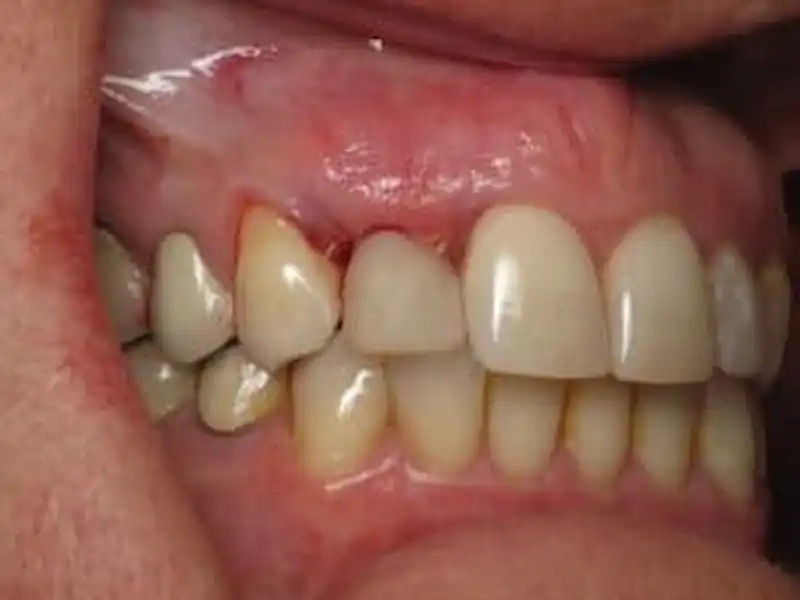
You should contact your dentist right away if you notice pain, swelling, pus, bleeding, bad taste, fever, difficulty chewing, or a feeling that the replacement tooth may come out, especially if you need an emergency dentist near me in Manhattan, NYC. These symptoms may point to inflammation, infection, trauma, or bone loss around the implant.
Is a Dental Implant Falling Out an Emergency?
Yes. If the replacement feels like it is falling out, treat it as urgent and avoid using that side of your mouth.
A displaced or highly unstable post can place stress on the surrounding bone and soft tissue. It can also make repairs more difficult if the problem persists.
What Might Actually Be Loose?
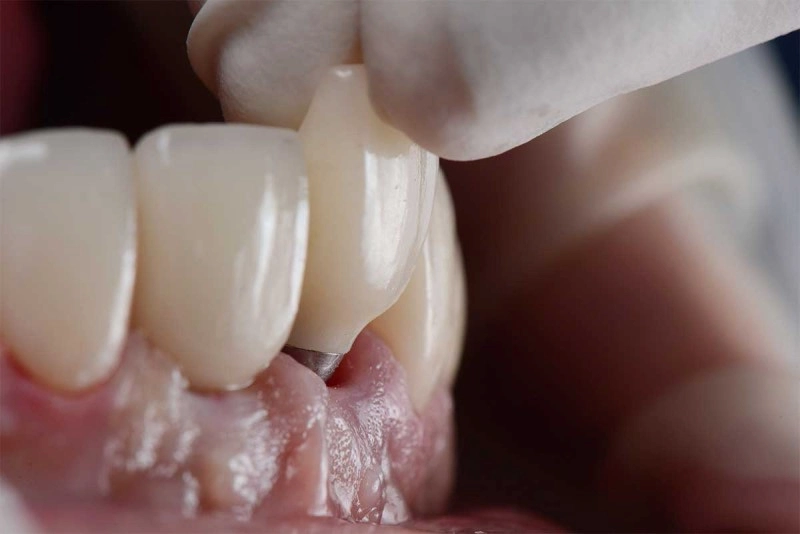
Not every issue means the entire restoration has failed. A replacement tooth has three main parts: the crown, the abutment, and the post.
Loose Crown
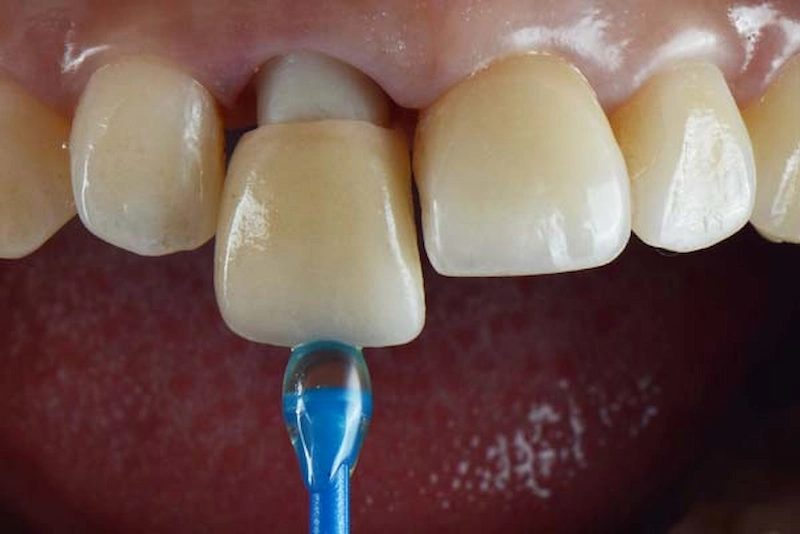
The crown is the visible tooth-shaped restoration. If only this part moves, the dentist may be able to recement, repair, or replace it, similar to how they would assess whether a crown falling off is a dental emergency.
Loose Abutment
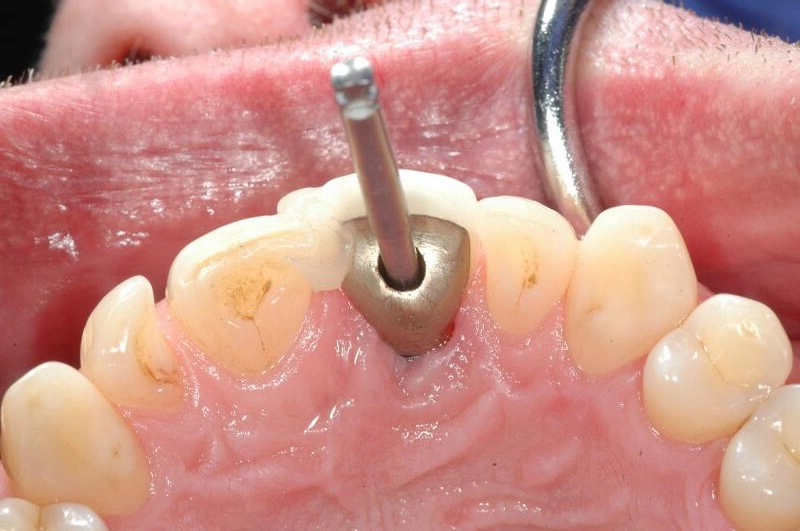
The abutment connects the crown to the post. If the abutment screw loosens, the dentist may retighten or replace the connector after checking the fit and bite.
Loose Post
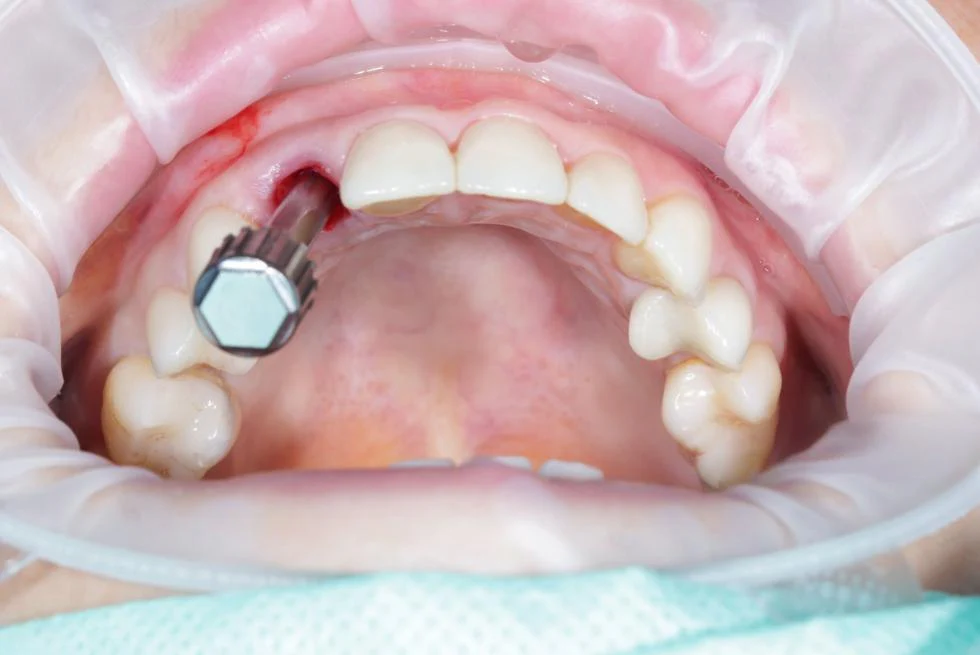
The post sits in the jawbone. Movement here is more serious because it may involve peri-implantitis, failed osseointegration, insufficient bone, or deeper structural failure.
Why This Can Happen
Several issues can cause instability. Peri-implantitis is an inflammatory condition that affects the gum and bone around the implant, and untreated infection can lead to bone loss.
Bite pressure can also contribute. Grinding, clenching, trauma, or an uneven bite can loosen the crown or abutment and place excess force on the post, which shortens how long a dental crown lasts.
Healing problems may also play a role. If the post did not fully integrate with the bone, or if the bone foundation was not strong enough, the restoration may become unstable.
What to Do Before Your Visit
Avoid chewing on that side until the area is checked. Stick with softer foods and avoid anything sticky, hard, or crunchy.
Keep the area clean with good oral hygiene, but do not scrub aggressively. Brush carefully, rinse as directed by your dentist, and avoid pushing, twisting, or tightening anything yourself.
These steps help protect your oral health until the dentist can examine the area.
Can It Be Fixed?
Yes, in some cases. The treatment depends on whether the unstable part is the crown, abutment, or post.
If the crown is moving, the dentist may repair the restoration or fit a replacement crown. If the abutment is the issue, the connector may need to be tightened or replaced.
If infection or bone loss is present, treatment may include cleaning the area, controlling bacteria, treating inflamed tissue, or bone grafting to rebuild support. If the post has lost support, removing and replacing it may be the safest option.
Dental implants remain a strong solution for replacing missing teeth, but they need healthy bone, stable gum tissue, and proper bite support.
When to Schedule Your Visit
If your replacement tooth feels unstable, schedule an appointment before the problem becomes harder to treat. Dr. Waise Ebrahimi, who is certified in Dental Implant Placement, can evaluate the area, review the likely cause, and explain which repair option makes sense, with our oral surgery team on hand if the post needs to come out.
Schedule Your Visit.