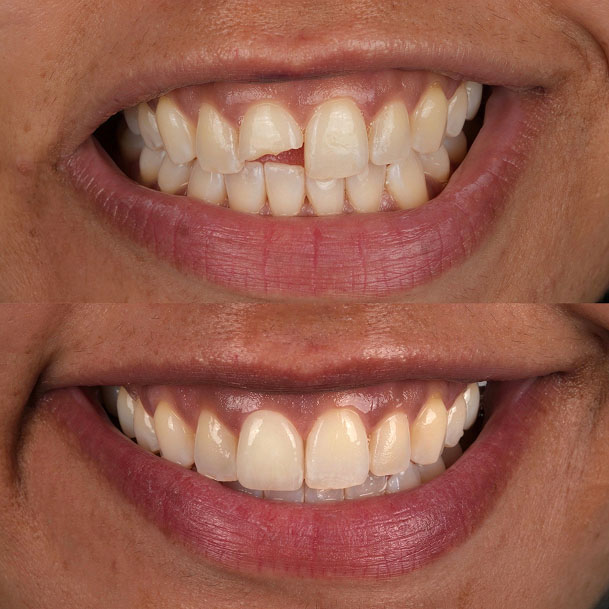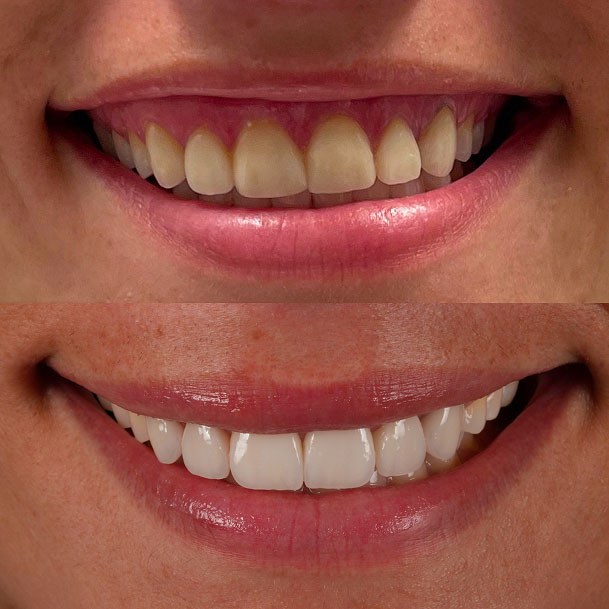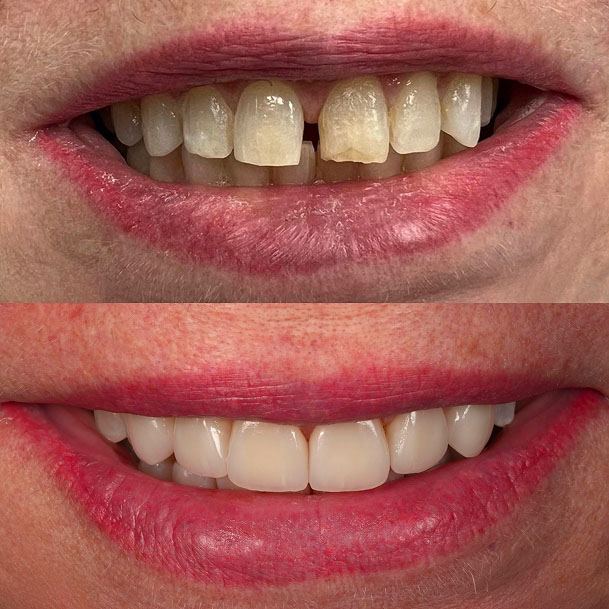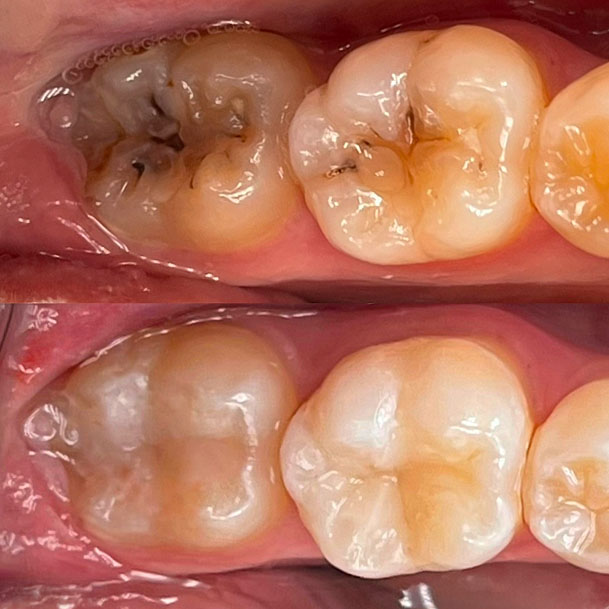
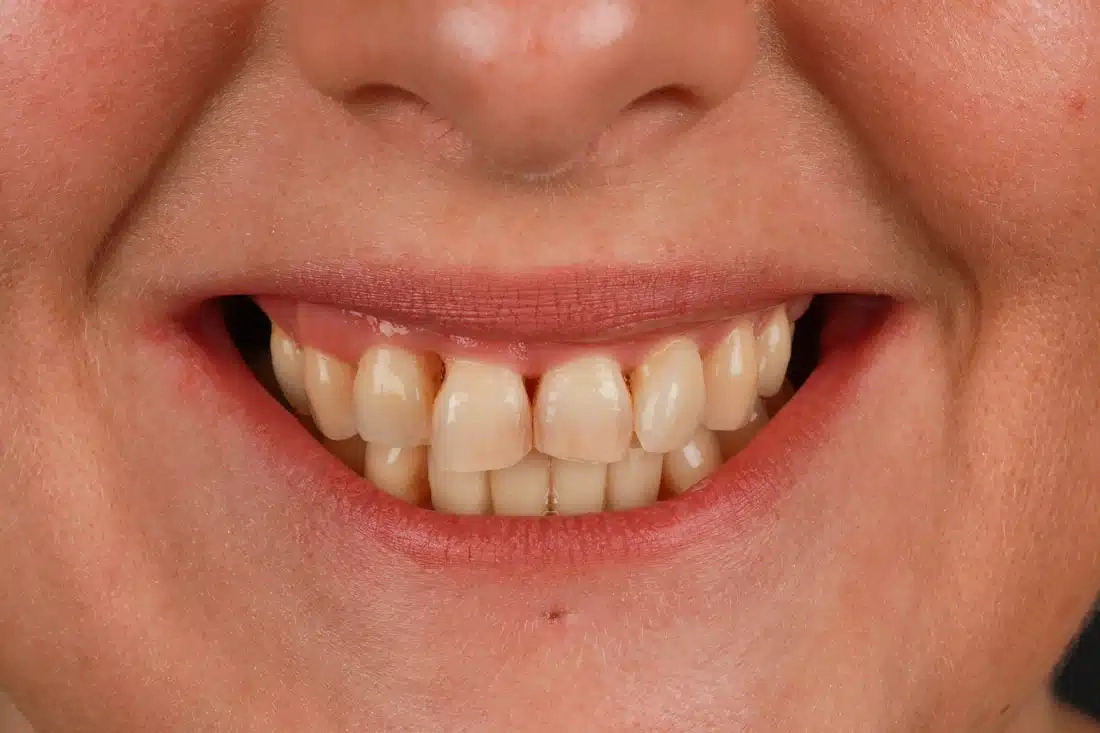
Some spaces may look smaller as the gums settle, while others may remain if gum recession, bone loss, or tooth shape affects the area. Treatment depends on the cause and may include periodontal maintenance, bonding, clear aligners, or gum therapy. At Smile Lab in Union Square, the team can evaluate what changed and explain which next step fits your gum health, comfort, and goals.
Key Takeaways
- New spacing usually appears because tartar and swelling no longer hide the natural shape near the gums.
- Periodontal care does not usually create new openings. It removes plaque and tartar buildup so your dentist can see the true condition of your gum line.
- Some spaces may look smaller as gum inflammation improves, but changes linked to recession, bone loss, or tooth shape may remain visible.
- Call your dentist if you notice increasing pain, heavy bleeding, swelling, loose teeth, or spaces that seem to widen quickly.
- Treatment may include periodontal maintenance, dental bonding, clear aligners, or gum therapy, depending on the cause of the spacing.
Are Gaps after Deep Cleaning Normal?
Small openings can look more noticeable after scaling and root planing, especially if the gums were inflamed before treatment. When swollen tissue calms down, the area around the teeth and gums may look different.
Not everyone sees visible spacing afterward. A gap between teeth after a cleaning can feel new, but the space was often already there. Hardened buildup simply hid it.
Your teeth feel smoother after a deeper periodontal visit because the rough deposits are gone. Teeth cleaning before and after the visit can help explain why your smile may look different afterward. This does not mean the cleaning process created gaps. It usually means the area is cleaner and easier to evaluate.
Why Gaps and Spaces Appear
Several changes can make spaces between teeth after a cleaning more visible. The cause depends on your gum health, bone support, and the extent of buildup removed.
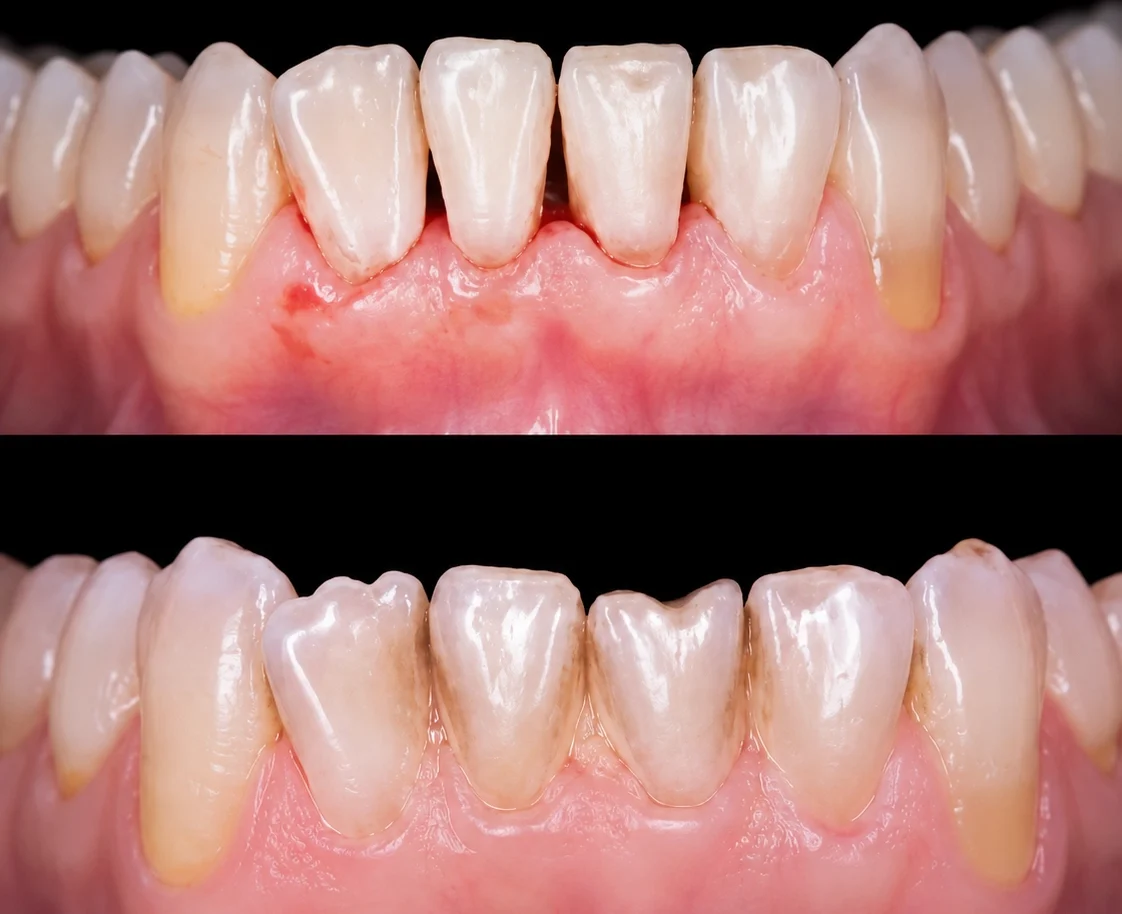
Tartar Hid Existing Spaces
Tartar can act like a hard shell between neighboring areas. Once removed, the natural space underneath may appear for the first time.
Gum Swelling Went Down
Inflamed gums can look fuller than healthy tissue. As swelling decreases, small openings may appear larger during the healing process.
Gum Recession Became Visible
A recession can expose more of the tooth’s root surface. This can make small spaces near the base look more obvious.
Gum Disease and Spacing Changes
Gum disease can damage the tissue and bone that support your smile. When bone support changes, nearby areas may shift, loosen, or show more space near the gums. Understanding the pros and cons of deep cleaning can help you know which changes are expected and which need follow-up.v
Black Triangles after Deep Cleaning
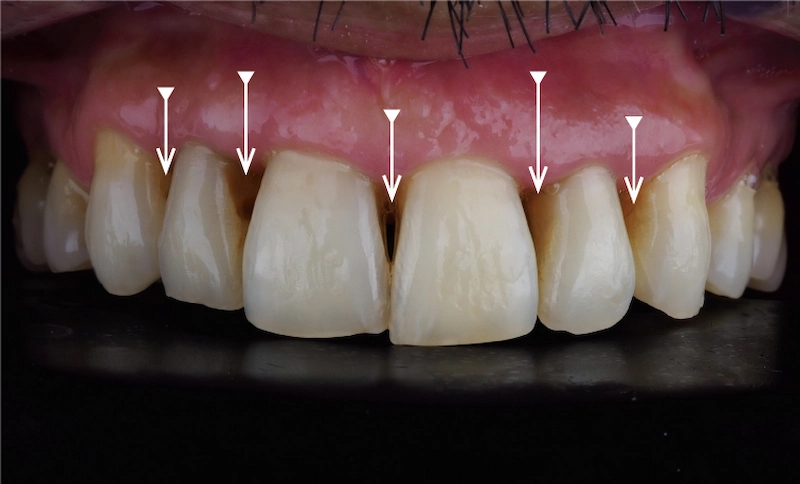
Black triangles are small dark spaces near the gum line between neighboring teeth. They often appear when gum tissue no longer fully fills the area.
These dark spaces may show after tartar is removed or swelling improves. They can also appear when the natural tooth shape is wider at the crown and narrower near the gum line.
Some black triangles improve as tissue settles. Others remain if there is recession, bone loss, or a tooth shape that leaves open space.
Will Spaces Close after Tartar Removal?
Some openings look smaller as the gums heal. Others stay visible because tartar removal reveals the true shape of the area.
Tenderness and visible changes often improve over days to weeks. Deeper gum concerns may take longer to stabilize, especially when periodontal pockets were present.
Spaces may not fully close if gum tissue or bone support has changed. In those cases, your dentist may discuss cosmetic or periodontal options once the tissue has healed.
When to Call Your Dentist
Call your dentist if symptoms feel intense, continue longer than expected, or get worse instead of better. A follow-up visit can help confirm whether healing is on track.
Mild soreness can be normal. Heavy bleeding, increasing swelling, or pain that does not improve should be checked, especially if you also notice bleeding gums when cleaning teeth.
Loose teeth also need professional attention. If spacing seems to widen quickly, your dentist should evaluate gum support, bite pressure, and possible periodontal changes, and understanding how gum disease affects tooth longevity can help you make informed decisions about next steps.
How to Fix Spacing after Periodontal Care
Treatment depends on the cause. Small cosmetic spaces may respond to bonding. If the issue comes from recession or bone changes, the right plan may focus first on stabilizing gum health, and in some cases, a gum graft procedure may be recommended to protect exposed roots and restore the gumline.
Dental bonding can reshape small areas. Digital scanning for clear aligner treatment can help assess tooth movement when spacing involves alignment. Orthodontic treatments may help when tooth position plays a role.
LANAP laser gum therapy may be considered when periodontal disease needs targeted care. Dr. Waise Ebrahimi, Smile Lab’s lead dentist, focuses on preventative and conservative dentistry that preserves natural tooth structure whenever possible. His Kois Center training also supports predictable cosmetic and reconstructive planning when spacing affects function or appearance.
How to Support Gum Healing
Home care helps protect the results of periodontal treatment. Small daily habits can support healthier tissue and reduce future buildup.
Use a soft toothbrush and clean between nearby areas without snapping floss into the gums. If flossing feels difficult, ask about interdental brushes or water flossers.
Regular cleanings help control buildup before it hardens again. Routine dental exams and teeth cleaning also help your dentist monitor gum health, buildup, and early changes before they become harder to treat.
Schedule a Visit at Smile Lab
Visible spacing after periodontal care can be normal, but you should not have to guess what is happening. If you want a clear explanation and a practical plan, schedule a consultation at Smile Lab and see if the team is the right fit for you.