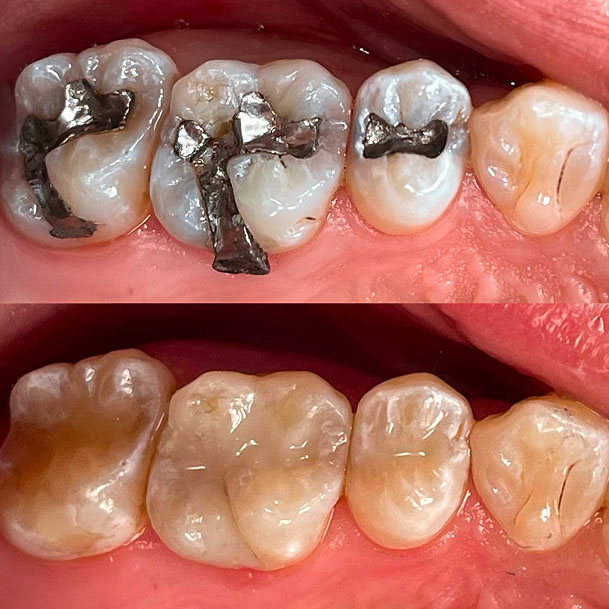

For busy patients juggling work and family, one visit saves real time. At the Union Square practice, same-visit care starts with clinical judgment, so your dentist can confirm whether restoring the tooth that day is right for your comfort and long-term oral health.
Key Takeaways
- You can often combine a hygiene visit and a small restoration in one appointment when the cavity is minor, the exam is clear, and the schedule allows.
- A hygiene appointment can usually still go ahead even if you have cavities, since polished surfaces help the dentist evaluate decay more clearly.
- A separate visit works better when decay is large, painful, close to the nerve, or needs more detailed planning.
- A routine hygiene visit plus a small restoration usually runs about 65 to 105 minutes in total.
- Most patients drive themselves home and return to work the same afternoon, since a standard filling uses local anesthetic rather than sedation.
- Cost depends on how many tooth surfaces the restoration covers and whether your plan is in network, so ask for a written estimate before treatment starts.
Do Dentists Fill Cavities Same Day as Cleaning?
Yes, dentists commonly fill cavities during the same appointment when decay is small, the diagnosis is clear, and you feel ready to move forward.
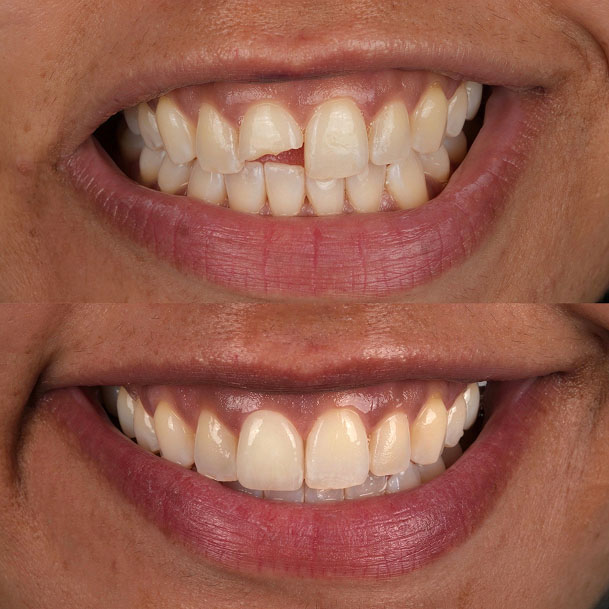
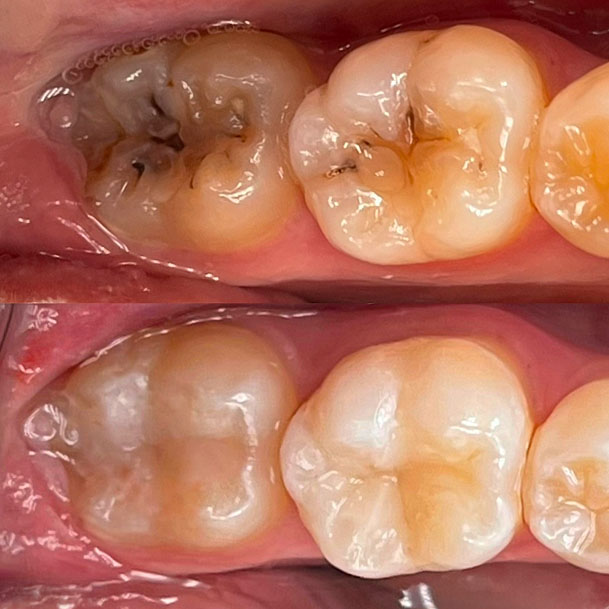
During cavity filling treatment, the dentist numbs the area, removes decayed tissue, cleans the space, and rebuilds the tooth with a restorative material. Deeper decay that reaches the nerve may call for a second visit, a crown, or root canal therapy instead.
Five things usually decide whether it happens in one sitting:
- Size of the cavity. Small and moderate decay is straightforward to restore on the spot.
- Number of cavities. One or two is routine. Five spread across your mouth is better split into stages.
- Chair time available. A hygiene appointment is booked for a set length, so the office needs open time to add the restoration.
- Depth and complexity. Decay near the pulp, or decay showing signs of infection, needs assessment before anyone picks up a drill.
- Your own preference. Some people would rather come back fresh than sit through a longer visit, and that is a reasonable choice.
When Same-Day Care Is Not the Right Call
Your dentist will likely reschedule the restoration if decay has reached the pulp, if you need multiple teeth restored, if you have booked sedation that requires preparation, or if the day’s schedule leaves no room to do careful work.
Patients often ask about a root canal and filling same day. Root canal therapy is a longer procedure that treats infected pulp tissue, and how long a root canal takes is why it is planned as its own appointment rather than added to a hygiene visit. A follow-up is usually scheduled within one to two weeks, so decay has no time to spread.
Can You Get a Teeth Cleaning With Cavities?
Yes, you can usually still have a teeth cleaning in Union Square if you have cavities. Removing plaque and tartar first helps your dentist read the tooth surfaces accurately and decide whether the cavity can be restored that day.
A cavity does not mean preventive care stops. The real question is whether the tooth needs routine care, urgent dental attention in Manhattan, or a more detailed plan. Pain, swelling, or a broken tooth points to an emergency dental filling rather than a scheduled restoration.
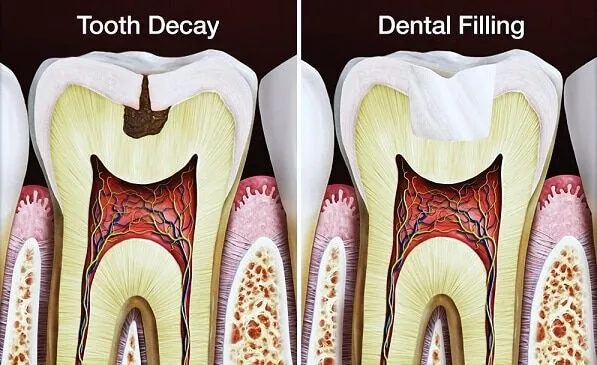
Do Dentists Clean Teeth Before Fillings?
Usually, yes. Hygiene comes first because tartar and plaque hide the margins of a cavity, and a clean surface helps the bonding material seal properly against enamel.
That order also answers a question people often search for: which clinics combine fillings with hygiene and bite assessment? Practices that reserve enough chair time can complete polishing, an exam with digital imaging, the restoration, and a bite check in a single appointment, which is exactly how a well-planned combined visit runs.
Deep Cleaning Before or After Filling: Which Comes First?
Scaling and root planing, often called deep cleaning, is different from routine hygiene. It treats bacteria below the gumline, takes two longer appointments, and is usually completed before restorative work begins.
Inflamed, bleeding gums make it hard to keep a tooth dry and isolated, and moisture weakens the bond of a composite restoration. Stabilizing gum health first gives the restoration a better chance of lasting.
An exception applies when a tooth is painful or at risk of fracture. In that case, the dentist restores the urgent tooth first, then proceeds with periodontal care.
How Long Does a Cleaning and Filling Take?
A preventive visit usually takes 45 to 60 minutes, matching what patients find when they look up how long a teeth cleaning takes. A small restoration adds roughly 20 to 45 minutes depending on the tooth, the size of the cavity, and where the decay sits, which is why it helps to know how long a cavity filling takes.
Ask the office to book combined time when you schedule. A visit reserved only for hygiene rarely leaves room to add restorative work at the end.
What Happens During the Visit?
Your appointment opens with an exam and, when needed, low-radiation digital imaging. Your dentist then explains what the images show and whether the tooth can be repaired in that same appointment.
If you move ahead, the sequence runs like this:
- Numbing. A topical gel goes on first, then the dentist gives a local anesthetic injection near the tooth. Full numbness takes a few minutes.
- Removing decay. The dentist clears the softened, decayed portion of the tooth.
- Preparing the space. The dentist cleans and dries the area so nothing is sealed under the restoration.
- Placing the material. Composite resin is the standard choice because it matches tooth color and bonds directly to enamel. Amalgam remains an option on back teeth, and gold fillings are still used in select cases.
- Curing. A specialized light hardens composite in seconds.
- Checking your bite. You bite on marking paper so the dentist can confirm the restoration is not sitting high.
The American Dental Association notes that you have the right to decide with your dentist which material to use, weighing cavity size and location, appearance, longevity, coverage, and cost.

Can You Eat Before Getting a Cavity Filled?
Yes. A routine restoration uses local anesthetic, not sedation, so you don’t need to fast.
Eat a normal meal an hour or two beforehand. Numbness lingers afterward, so arriving on an empty stomach means waiting several hours before you can comfortably chew again.
Sedation changes this completely. If your visit includes oral or IV sedation, the office will give you fasting instructions in advance, and those instructions override the general rule.
Can I Return to Work After a Filling?
Most patients go straight back to work or school the same day. A standard restoration involves no downtime, no stitches, and no sedation, so plenty of people book it over a lunch break.
Your lip, cheek, or tongue stays numb for one to four hours, which makes speaking on calls awkward for the first stretch of the afternoon. And driving yourself home is fine after local anesthetic, though not after sedation.
Wait until sensation returns before eating so you do not bite your cheek without feeling it.
Brushing and Aftercare
You can brush the same day, but give the area a few hours first. Numb gums make it hard to judge pressure, so it is easy to scrub too hard without noticing.
Composite hardens under the curing light immediately, so it is functional right away. Amalgam continues setting for up to 24 hours, so treat that side gently for a day.
For the rest of the day: stick to softer foods, skip anything very hot or very cold, avoid caramel, nuts, and ice on that side, and floss carefully around the new restoration or wait until the next morning. A fuller guide to what you can eat after a filling covers the first 24 hours.
What to Expect During Recovery
There is no real recovery period. Most people carry on with their day and notice little beyond temporary numbness.
Mild sensitivity to temperature or pressure is normal for a few days, especially if decay ran deep. It should fade steadily rather than worsen. The National Institute of Dental and Craniofacial Research explains how they remove decay and refill the space, which can help if you’re second-guessing the repair.
Call the office if your bite feels off once numbness wears off, since a high restoration is a two-minute adjustment. Also call if pain increases after the first few days rather than settling.
What Does a Combined Visit Cost?
Three things drive the number. How many tooth surfaces the restoration covers, since a four-surface repair on a molar rebuilds more of the tooth than a single-surface repair, whether the visit is preventive hygiene or restorative work. And whether your plan is in-network, which changes your share rather than the fee itself.
Many PPO plans cover preventive hygiene and basic restorations, though your share varies by plan. Without coverage, you pay the full fee, so it helps to know what a cleaning costs without insurance before you book.