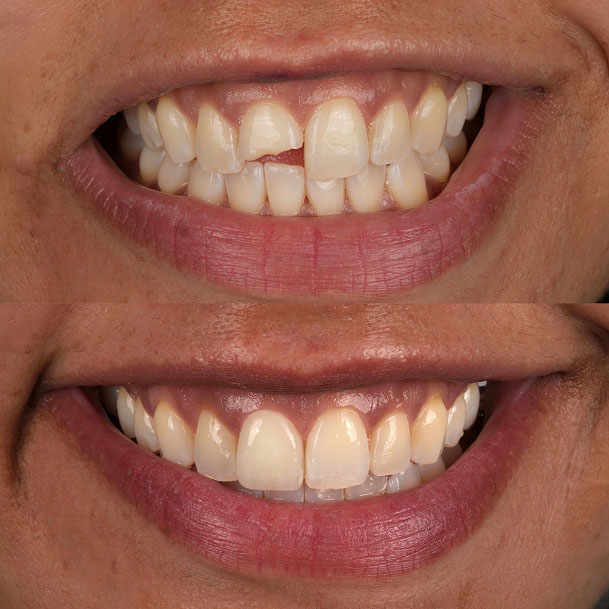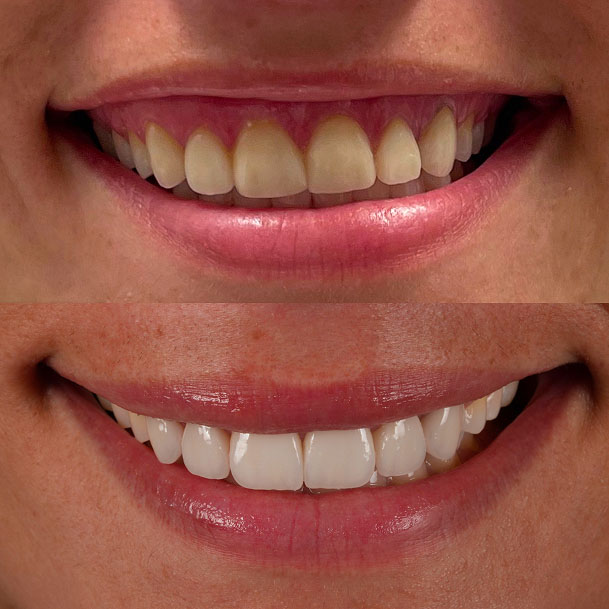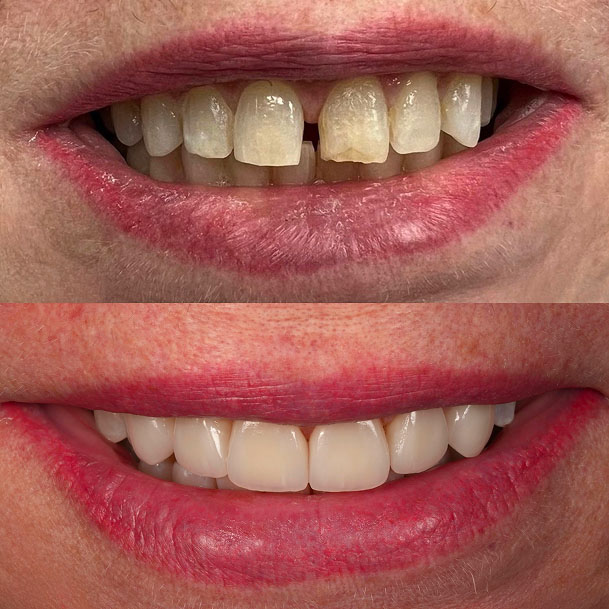
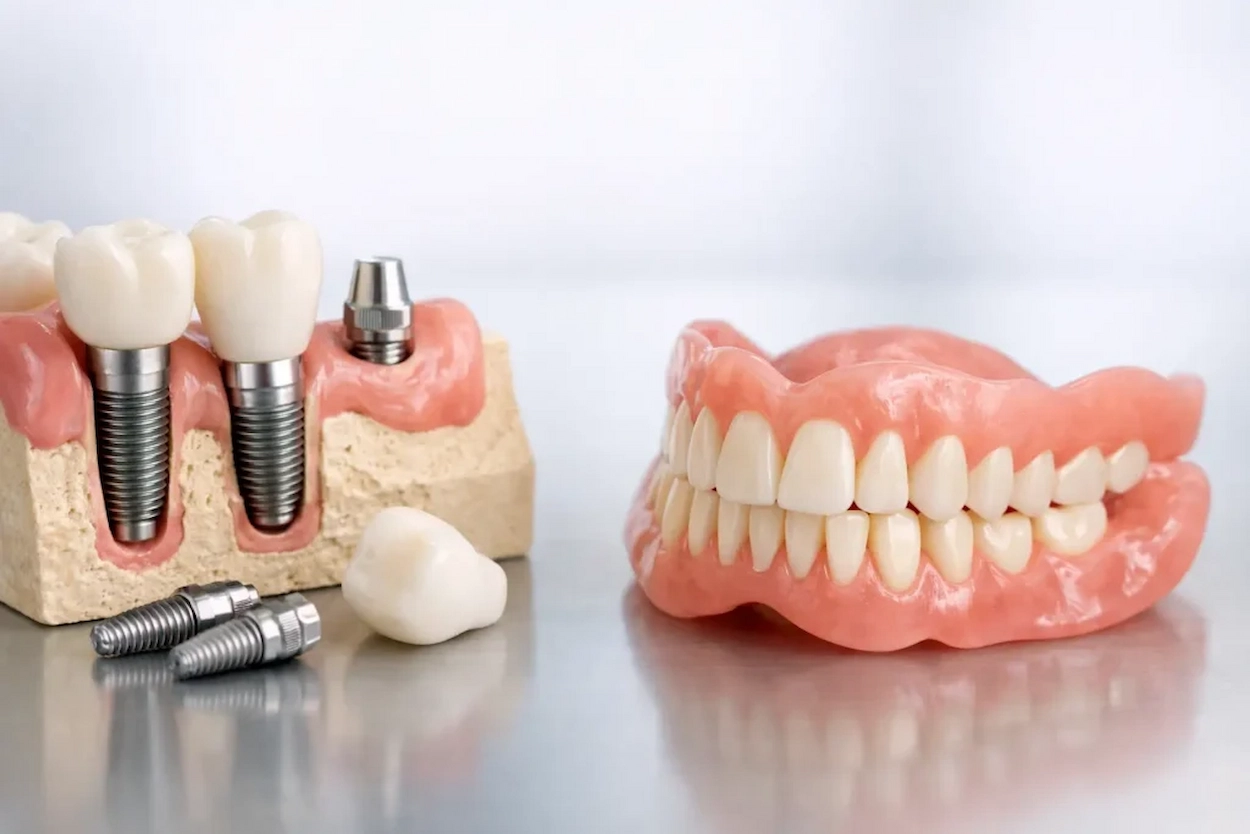
Treatment options include removable snap-in dentures and fixed full-arch restorations supported by several implants. These replacements can reduce slipping, improve chewing, and help preserve bone around implant sites. The process involves evaluation, placement, healing, and attaching replacement teeth.
Key Takeaways
- Dental implants remain possible after years of denture use. Eligibility depends more on jawbone condition, gum health, and medical history than age or time without teeth.
- Bone loss does not automatically prevent treatment. Bone grafting or alternative placement techniques may help patients with limited jawbone volume.
- Treatment usually takes several months. Initial discomfort often improves within days, while implants need more time to bond with the jawbone.
- Fixed and removable options offer different benefits. Both can improve stability, but they differ in cleaning requirements, comfort, and cost.
- Costs depend on treatment complexity. The number of implants, restoration type, bone grafting, and additional procedures affect the final price.
Can You Get Dental Implants After Dentures?
Yes. Even after a long time without natural teeth, implants can support replacement teeth when the jawbone and surrounding tissues are suitable.
Can You Get Implants After 10 Years?
Yes. Having worn dentures for 10 or 20 years does not automatically disqualify you. Long-term tooth loss may reduce bone volume, so you may need additional treatment.
Can You Get Implants with No Teeth?
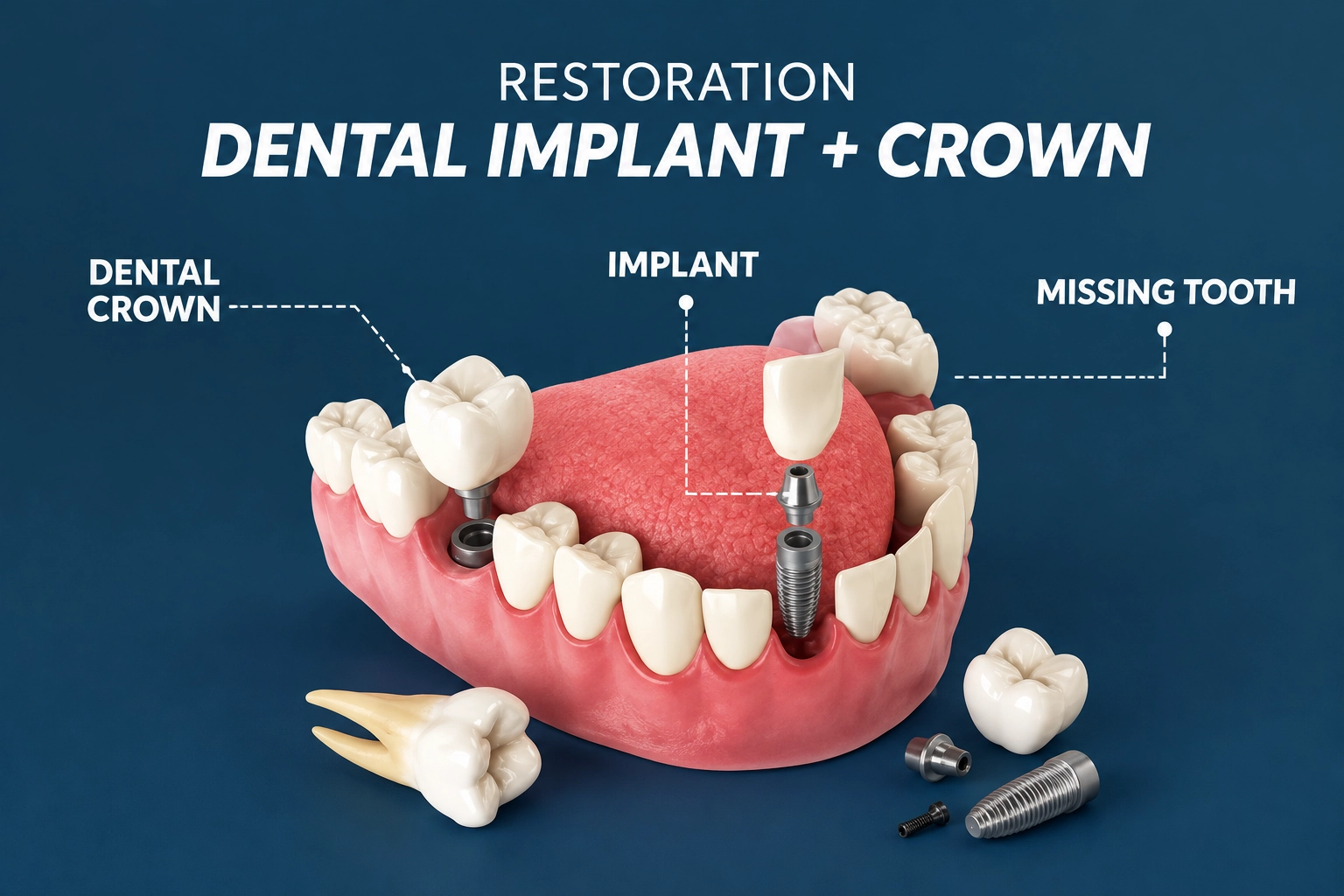
Yes. Implants replace missing tooth roots and support a bridge or full-arch restoration. No remaining natural teeth are required. If you still have a damaged tooth, comparing a dental implant with a crown can help you understand when you can preserve the tooth.
How Long After Dentures Can You Get Implants?
There is no mandatory waiting period just because you wear dentures. After recent extractions, you may place implants immediately or wait several months, depending on healing and bone condition.
When Is It Too Late for Dental Implants?
It may be too late for dental implants if severe bone loss, uncontrolled medical conditions, or poor healing ability make surgery unsafe or unlikely to succeed. Even after decades of wearing dentures, many patients remain eligible through bone grafting or alternative implant techniques.
Only a clinical evaluation can determine whether treatment is possible. Learn more about when it is too late to get dental implants and the factors that affect eligibility.
Who Can and Cannot Get Dental Implants?
Suitable candidates need adequate bone support, healthy surrounding tissues, and manageable medical risks. Uncontrolled diabetes, active gum disease, smoking, and certain medications can increase complications without automatically excluding treatment.
Jawbone Loss and Bone Grafting
Traditional dentures do not stimulate the jawbone like natural tooth roots, so the jawbone can gradually shrink. Imaging measures available bone, while grafting may rebuild areas with insufficient volume.
Gum Health and Medical Conditions
Healthy gums support long-term success. Treating infections and reviewing medical conditions before surgery helps protect your oral health.
Switching from Dentures to Dental Implants
Transitioning from dentures to dental implants involves four main stages:
- Evaluation: Your dentist examines your gums, medical history, and jawbone through imaging.
- Placement: Your dentist surgically inserts titanium posts into the jawbone.
- Healing: The implants bond with the bone, typically over 3 to 6 months.
- Restoration: Your dentist attaches the final replacement teeth.
Can You Wear Dentures While Implants Heal?
Often, yes. Your dentist may adjust your existing dentures or provide temporary teeth. Initially, your dentist may limit removable appliances to protect healing sites.
Dental Implant Options for Denture Wearers
Different restorations provide varying levels of stability, maintenance, and cost.
Snap-In and Implant-Supported Dentures
Snap-in dentures attach to two to six implants per arch and can be removed for cleaning. They generally provide better retention than conventional dentures.
All-on-4 and All-on-6 Dental Implants
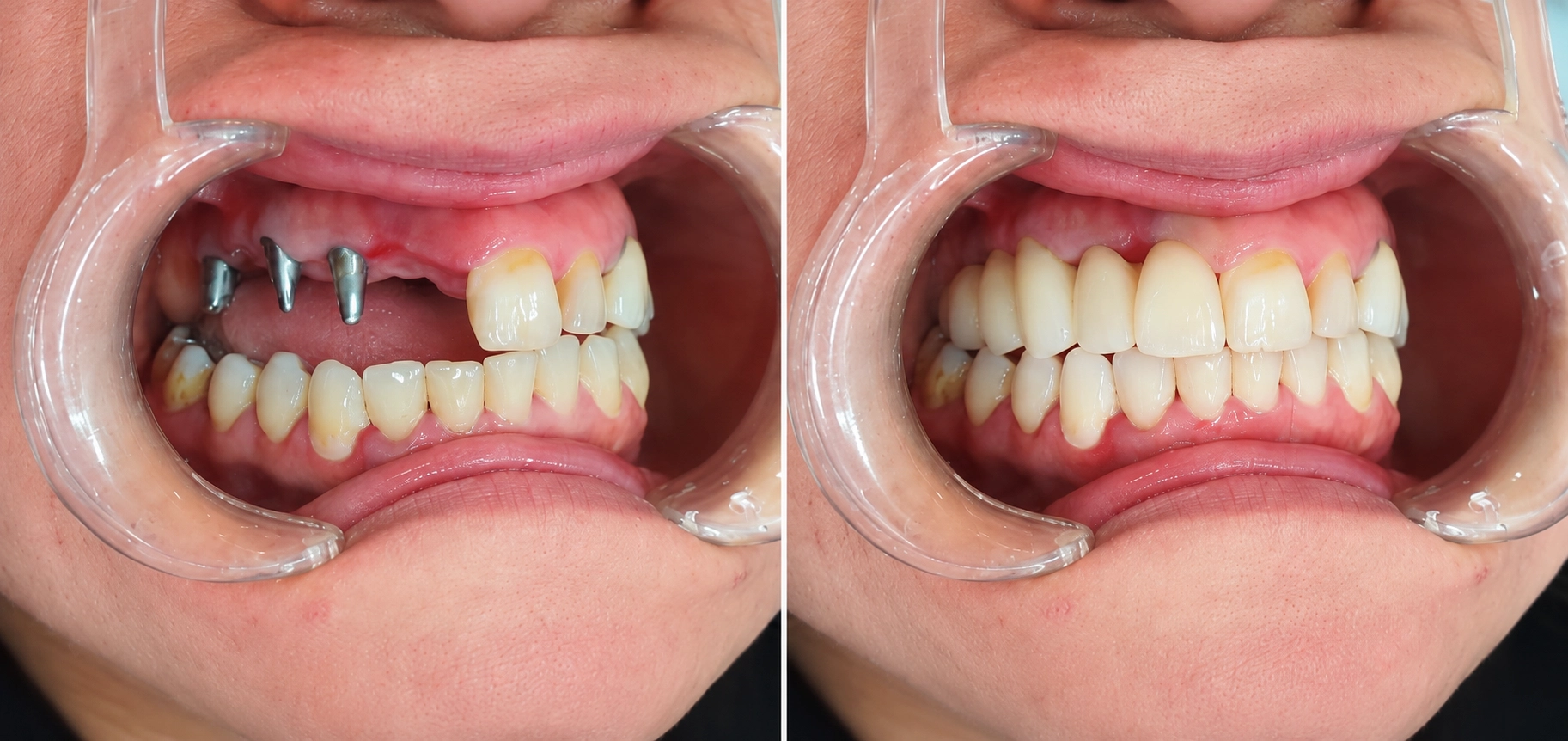
All-on-4 dental implants support an entire arch using four implants, while All-on-6 dental implants use six. Angled placement may reduce the need for grafting in selected patients.
Fixed vs. Removable Implant Dentures
| Feature | Fixed Restorations | Removable Dentures |
|---|---|---|
| Stability | Secured to implants | Snap onto attachments |
| Removal | By a dental professional | By the patient |
| Cleaning | Clean around and underneath | Remove and clean daily |
| Cost | Generally higher | Generally lower |
How Much Do Denture Implants Cost?
In NYC, removable implant-supported dentures may cost several thousand dollars per arch, while fixed full-arch restorations often cost tens of thousands. At Smile Lab, a single dental implant costs $ 2,650, and an abutment with crown costs $3,300. Full-arch treatment costs vary based on the number of implants, restoration type, extractions, and bone grafting.
Are Dental Implants Better Than Dentures?
Yes, dental implants are generally better for stability, chewing, and jawbone preservation. They reduce slipping and can improve quality of life. Traditional dentures remain a better option for patients seeking a nonsurgical, lower-cost solution. Patients replacing only some missing teeth can also compare dental implants vs. partial dentures to understand their options.
Explore Your Dental Implant Options
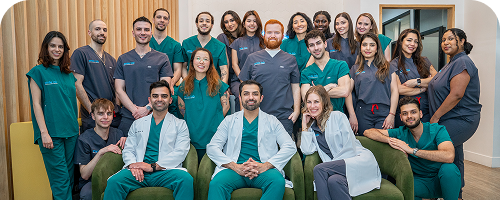
At Smile Lab in Union Square, Dr. Waise Ebrahimi, a certified dental implant placement specialist, evaluates your bone structure and treatment needs to determine the best options.
Understanding your eligibility, recovery timeline, and expected costs can help you decide with confidence. Schedule a consultation to explore your options.