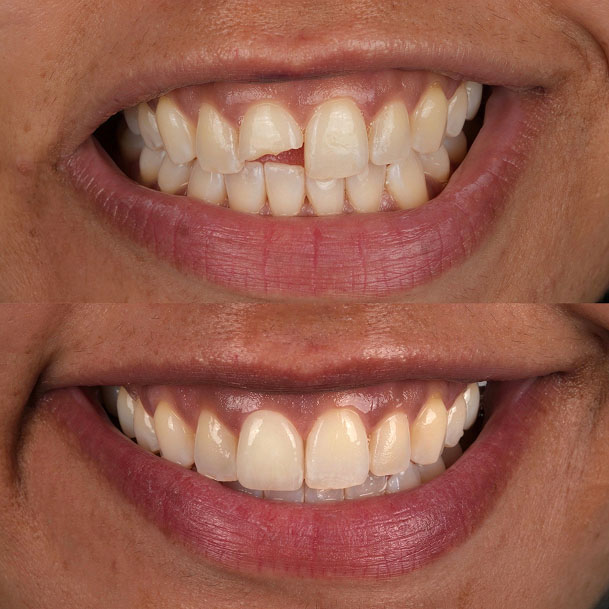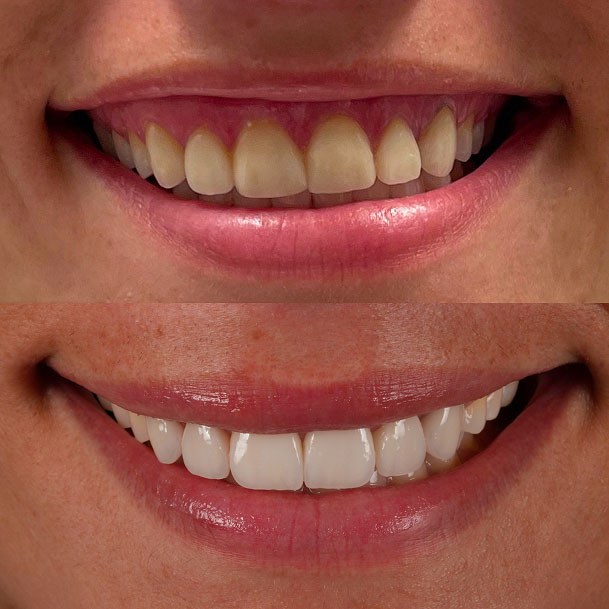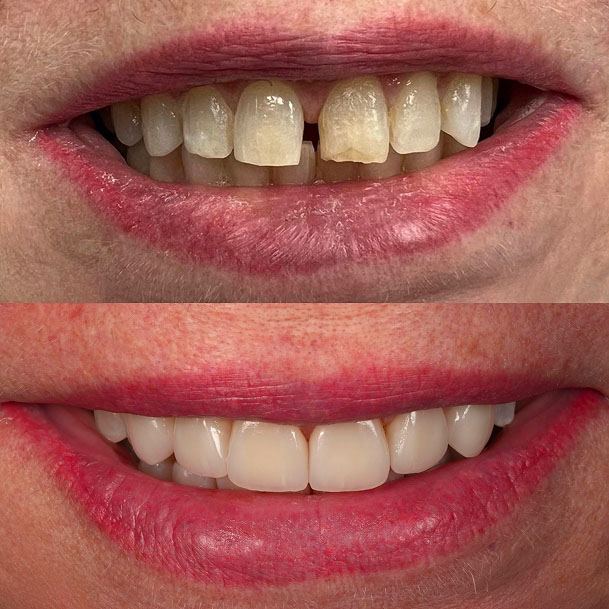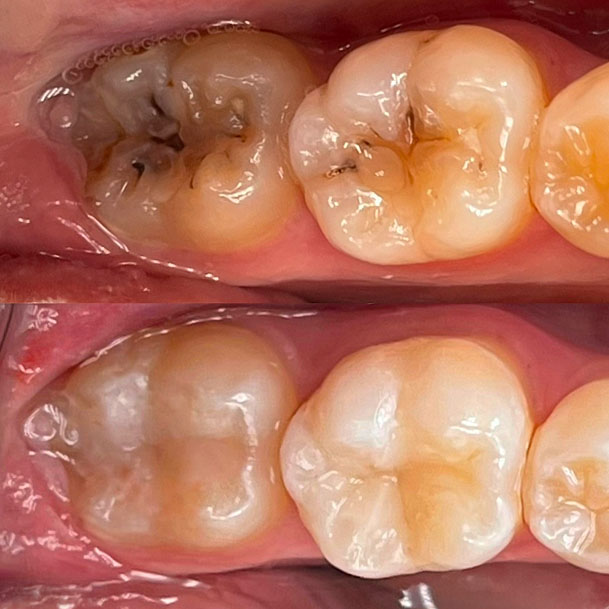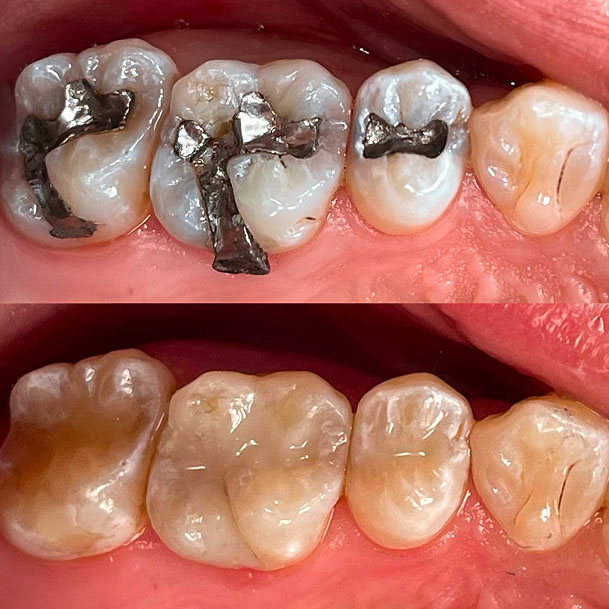
Other minimally invasive choices may include techniques such as Bioclear for selected gaps or black triangles, but the best option depends on tooth health, bite, enamel, and the change you want. Whitening changes color without covering the tooth, while crowns provide full-tooth coverage when you need structural support.
At Smile Lab, the goal is to compare these trade-offs so you can improve appearance while preserving healthy tooth structure when possible.
Key Takeaways
- Dental bonding, whitening, clear aligners, crowns, and no-prep restorations can address different cosmetic concerns without always requiring traditional porcelain treatment.
- Dental bonding is often a conservative choice for small chips, gaps, and uneven edges because it can require little to no enamel removal.
- Whitening works best for discoloration, while clear aligners suit crowding, spacing, and mild misalignment.
- Crowns are usually more appropriate for weak, cracked, or heavily restored teeth because they provide structural support, not just cosmetic coverage.
- The best option depends on tooth health, bite, cosmetic goals, cost, durability, and how much natural tooth structure you want to preserve.
What Is the Best Treatment Option?
The right choice depends on the problem you want to address. Common veneer alternatives include bonding for small chips and gaps, whitening for discoloration, clear aligners for tooth position, and crowns when a tooth also needs structural support.
Dental Bonding
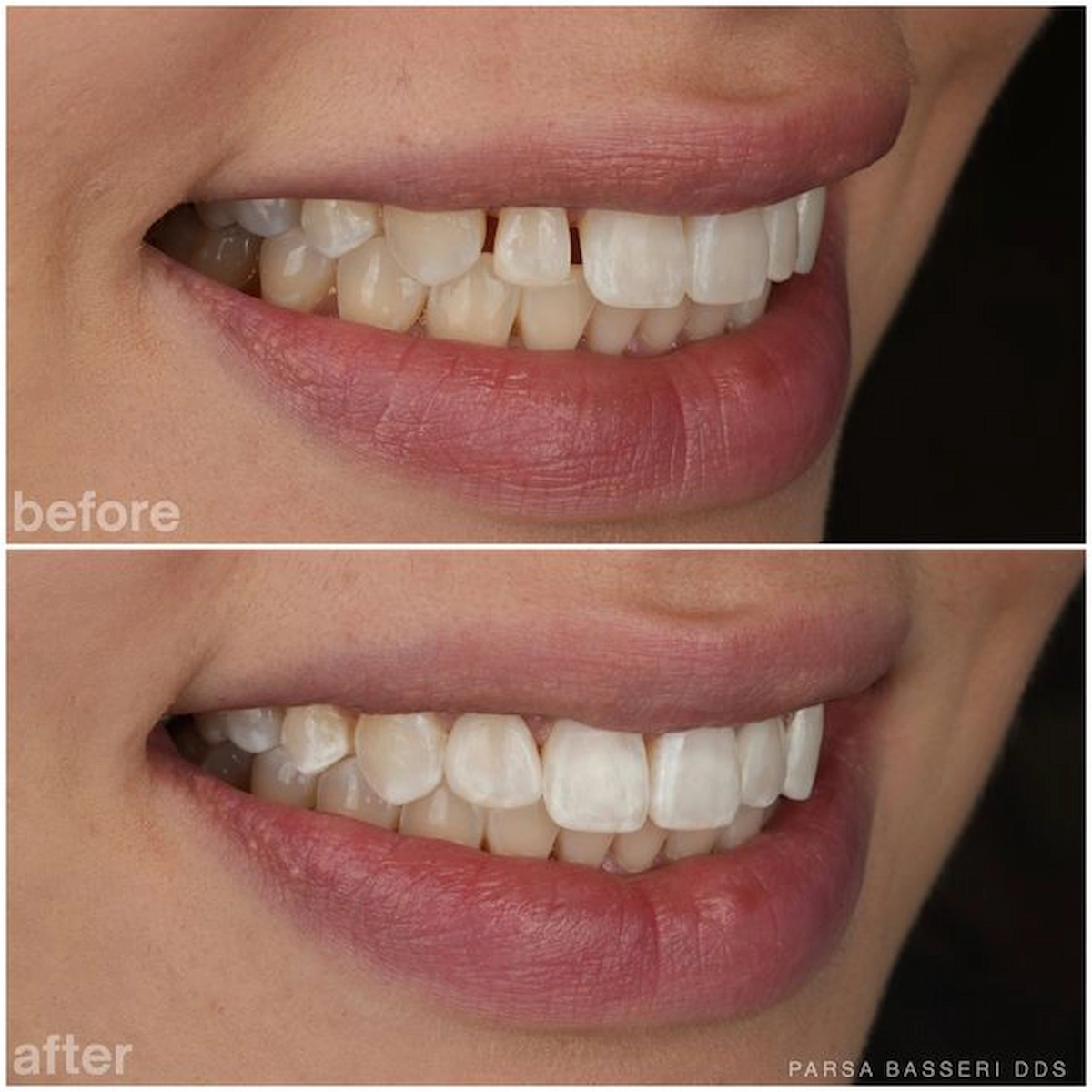
Dental bonding uses tooth colored composite resin to reshape small areas of a tooth. A cosmetic dentist can use it for minor chips, gaps, uneven edges, or shape differences without removing as much tooth enamel as traditional porcelain veneers may require.
Bonding is usually more conservative and less costly, but composite material does not resist staining or wear as well as porcelain. It may need polishing, repair, or replacement over time.
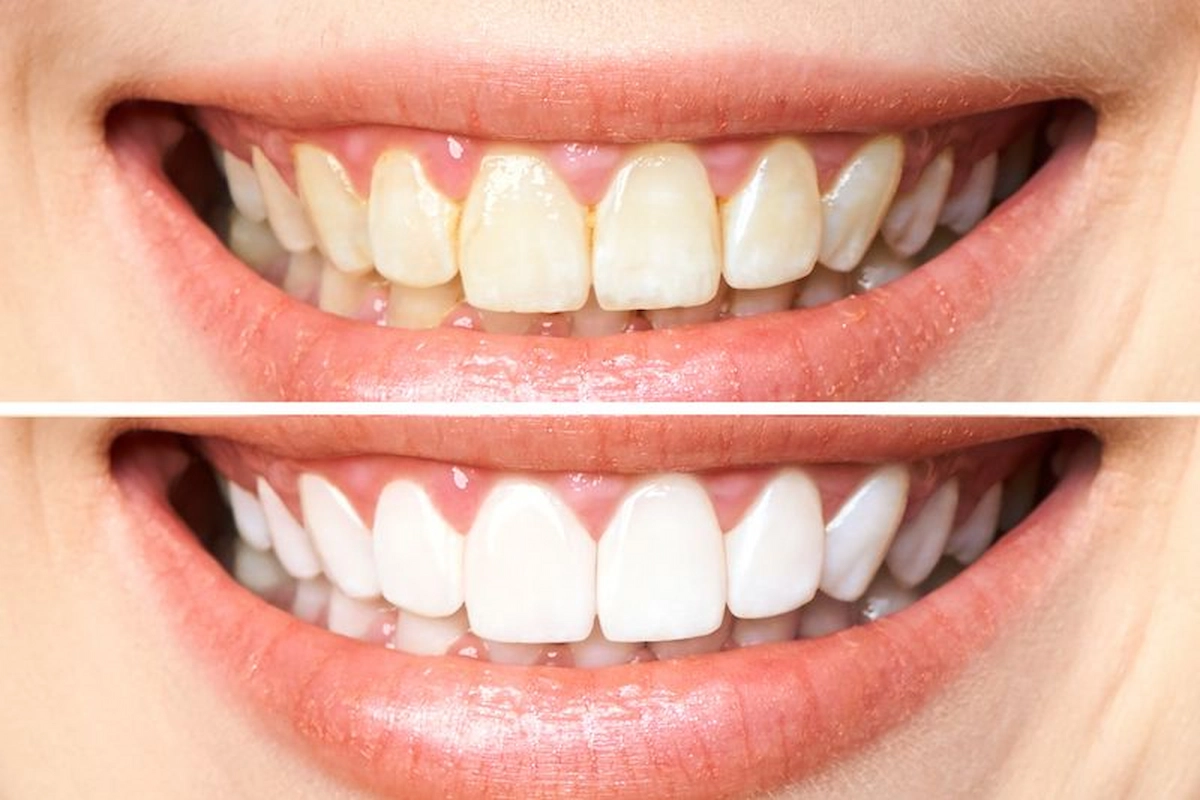
Professional Teeth Whitening
If color is your main concern, whitening may improve your smile without covering the natural teeth. It works best for certain types of staining and does not change tooth shape, size, spacing, or alignment.
This makes whitening a good option when your teeth are healthy, and your main goal is a brighter appearance.
Clear Aligners
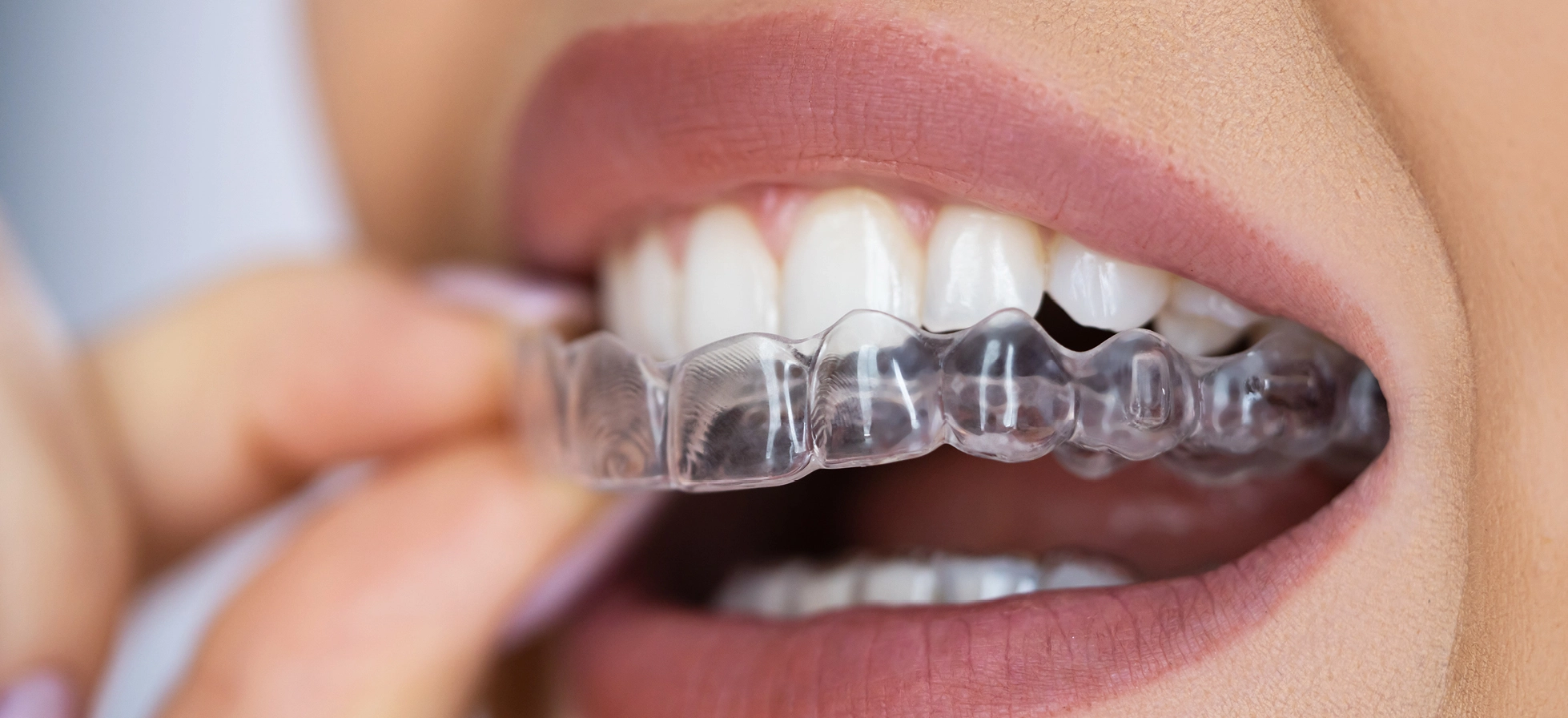
Clear aligners move teeth rather than masking their position. They may be a better choice for mild crowding, spacing, or crooked teeth when you want to preserve the natural tooth surface.
Digital scanning can help plan tooth movement and show how alignment may change over time. Treatment takes longer than cosmetic bonding, but it addresses tooth position rather than covering it.
Dental Crowns
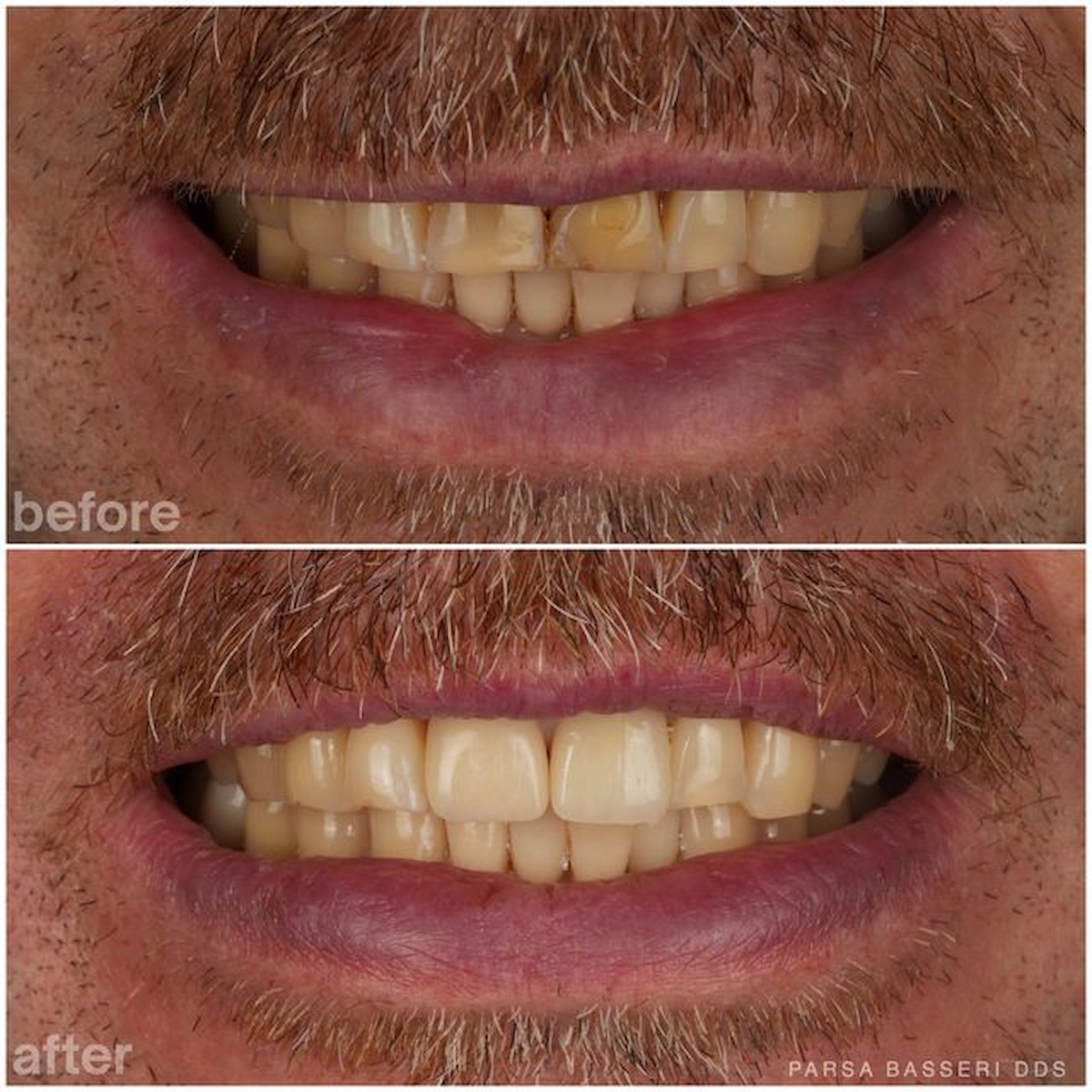
Crowns cover more of a tooth than cosmetic shells and usually require more preparation. They are generally considered when a tooth is weakened, heavily restored, cracked, or needs more support, rather than simply for minor cosmetic changes.
For healthy teeth, crowns are usually not the most conservative cosmetic dentistry option. If a tooth is completely missing, a veneer or crown cannot replace the missing root, so it helps to understand whether veneers can be used for missing teeth before choosing a cosmetic restoration.
No-Prep Veneers
No-prep veneers or minimal-prep systems may require less enamel reduction than conventional restorations. They can work in selected cases, but they are not suitable for every tooth position, bite, or cosmetic goal.
Alternatives by Dental Concern
Your specific concern often determines which treatment makes the most sense. A method that works well for discoloration may not address a chipped or rotated tooth.
Front and Chipped Teeth
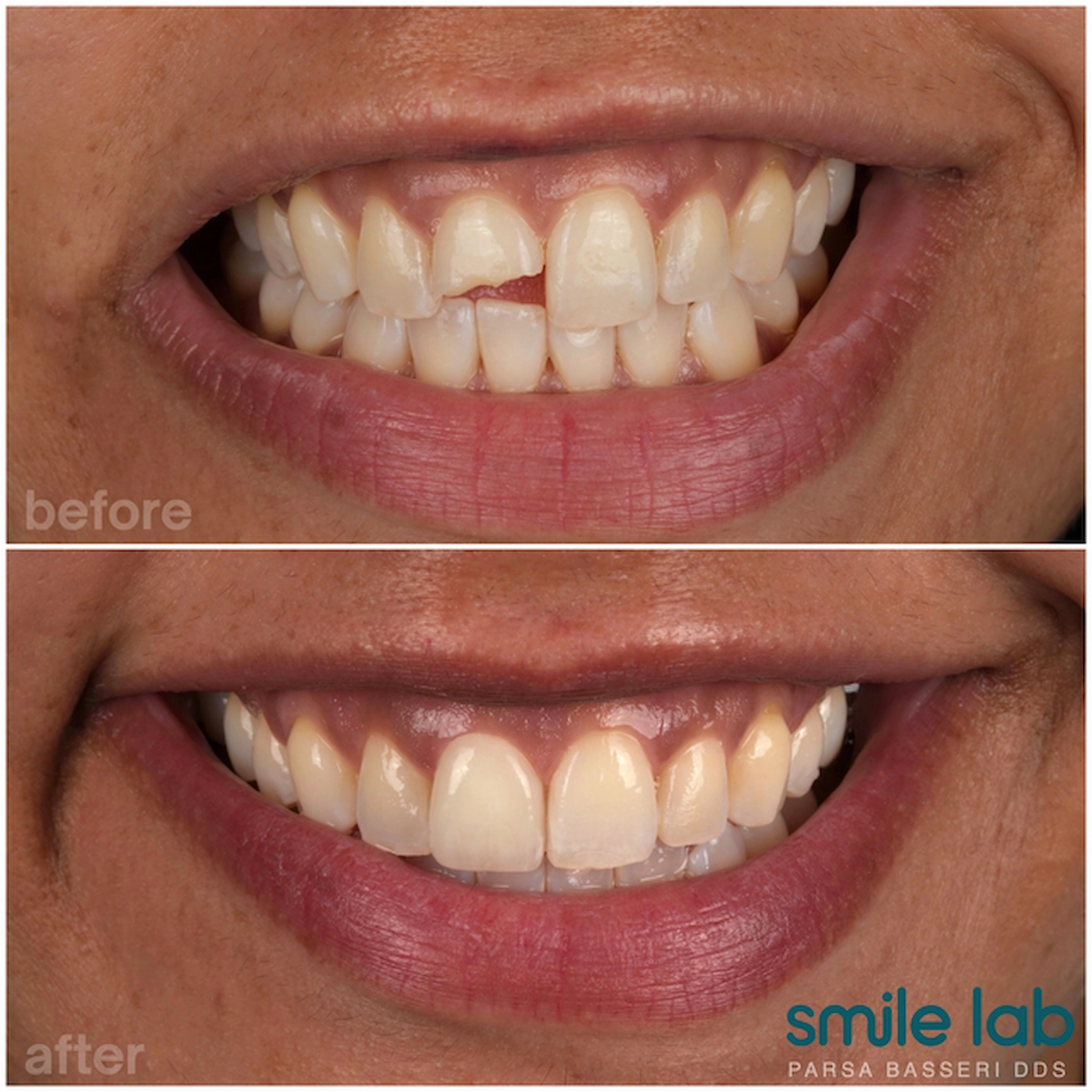
Bonding is often a minimally invasive option for small chips, uneven edges, or narrow gaps in front teeth. It adds material rather than substantially reducing the natural tooth, which can make it appealing when preservation is a priority.
Larger fractures or weakened teeth may need a different restoration. The amount of remaining healthy structure matters more than appearance alone.
Stains, Gaps, and Crooked Teeth
Whitening may be enough for staining, while bonding can close small spaces. Clear aligners may make more sense when gaps or uneven appearance come from tooth position.
That is why no single treatment works best for every cosmetic concern.
Cheaper and More Natural Options
Patients looking for other options besides veneers often want to reduce cost or avoid permanent enamel removal. Bonding and whitening generally involve less preparation, while orthodontic treatment preserves the visible tooth surface by moving teeth into better positions.
Options That Preserve More Enamel
Treatments that can preserve more enamel include dental bonding, professional whitening, clear aligners, and, in selected cases, enamel contouring. Bonding adds tooth-colored resin with little or no enamel removal, whitening changes color without reshaping the tooth, and clear aligners move teeth without covering their surfaces.
Enamel contouring can smooth small irregularities by removing a very limited amount of enamel, while no-prep restorations may reduce the need for tooth preparation in suitable cases. Dr. Waise Ebrahimi’s advanced training at the Kois Center supports a conservative approach that aims to preserve healthy natural tooth structure whenever clinically appropriate.
Traditional Veneers vs. Lumineers
Lumineers are a brand of thin porcelain restorations often associated with little or no tooth preparation. Traditional restorations may provide more flexibility when dentists need to change color, shape, or position significantly.
Should I Get Veneers or Lumineers?
Neither option is automatically better. Thin restorations may suit selected cases, while conventional preparation may produce a more predictable result when larger changes are needed.
A clinical exam helps determine whether either option fits your teeth and bite.
Why Do Dentists Sometimes Discourage Them?
Dentists do not universally discourage dental veneers. The concern is usually unnecessary removal of healthy enamel when a more conservative treatment could achieve the patient’s goal.
Enamel Removal and Permanence
Once enamel has been removed for a restoration, that change cannot be reversed, which is why understanding teeth shaving for veneers can help you compare conventional treatment with more conservative options.
That is why a dentist may first consider whitening, bonding, or orthodontic treatment when those approaches can solve the same problem with less preparation.
How to Choose the Right Option
Start with the specific issue you want to change, then compare treatments based on how much healthy tissue they preserve and how well they address that issue. Cost matters, but durability, maintenance, treatment time, and future replacement should also shape the decision.
Cost, Durability, and Tooth Preparation
Bonding often costs less upfront but usually lasts less than porcelain. At Smile Lab, dental bonding is $950 per tooth, compared with $2,323 for a porcelain veneer and $1,950 for a dental crown. Whitening is more conservative but only changes color, while clear aligners take longer because they gradually move teeth.
Longevity also matters when comparing long-term value, so it helps to understand how long veneers can last before weighing them against bonding or other treatments.
Weigh price alongside durability and the amount of tooth preparation required. At Smile Lab in Union Square, treatment planning helps you weigh these trade-offs before committing to a cosmetic procedure, so the treatment matches the actual problem rather than defaulting to the most extensive option.
Does Taylor Swift Have Crowns or Veneers?
No reliable public clinical record confirms whether Taylor Swift has crowns, porcelain restorations, bonding, orthodontic treatment, or another cosmetic procedure. Photos alone can’t confirm what dental treatment someone has received.
Discuss Your Options at Smile Lab
If you are deciding between bonding, whitening, aligners, crowns, or porcelain restorations, a consultation can clarify which choices fit your teeth and goals. You can review the benefits, trade-offs, and level of tooth preparation before deciding what feels right for you.