Alcohol can cause more bleeding, slow healing, and affect the bone around your implant. Heavy drinking may also raise the risk of implant failure. It can interact with pain medications and certain antibiotics. At Smile Lab, your dentist will recommend a recovery plan based on your treatment, medications, and healing progress.
Key Takeaways
- Avoid alcohol for at least 48–72 hours after implant placement. Your dentist may recommend waiting 1–2 weeks for safer healing.
- Bone grafts and sinus lifts may require 2–6 weeks without alcohol, depending on the procedure and your recovery.
- Drinking too soon may increase bleeding and slow tissue repair. Heavy drinking is also linked to a higher risk of implant failure.
- Alcohol can interact with opioid pain medications, certain antibiotics, and anti-inflammatory drugs, causing harmful side effects.
- Drink water, keep your mouth clean, and follow your dentist’s care instructions. Ask when you can safely drink again.
How Long Should You Avoid Alcohol?
Most patients should avoid alcohol for at least 48–72 hours after getting an implant. Some dentists recommend waiting 1–2 weeks to give the gums more time to heal. Your recovery, medications, and procedure type will help determine the safest timeline.
The First 72 Hours
The first three days are part of the initial healing period. During this time, a blood clot forms to protect the wound. Your gums also begin to heal, and some swelling is normal.
Avoid consuming alcohol during this stage. It may increase bleeding and interfere with healing. Rest, drink water, and follow your dentist’s post-operative care instructions.
The Following Weeks
After a few days, swelling and pain should start to improve. Some patients can return to occasional drinking once their gums have healed enough. Others may need to wait several weeks. Our guide to dental implant recovery time explains what to expect in the weeks ahead.
Before deciding whether it’s safe to drink alcohol, check for bleeding, pain, or swelling. Your alcohol intake should also follow your dentist’s advice, especially if you’re still taking medication.
Why You Should Avoid Alcohol After Dental Implant Surgery
Alcohol can affect how your mouth heals after treatment. It may slow tissue repair and complicate recovery. Avoiding it for a short time helps protect your oral health.
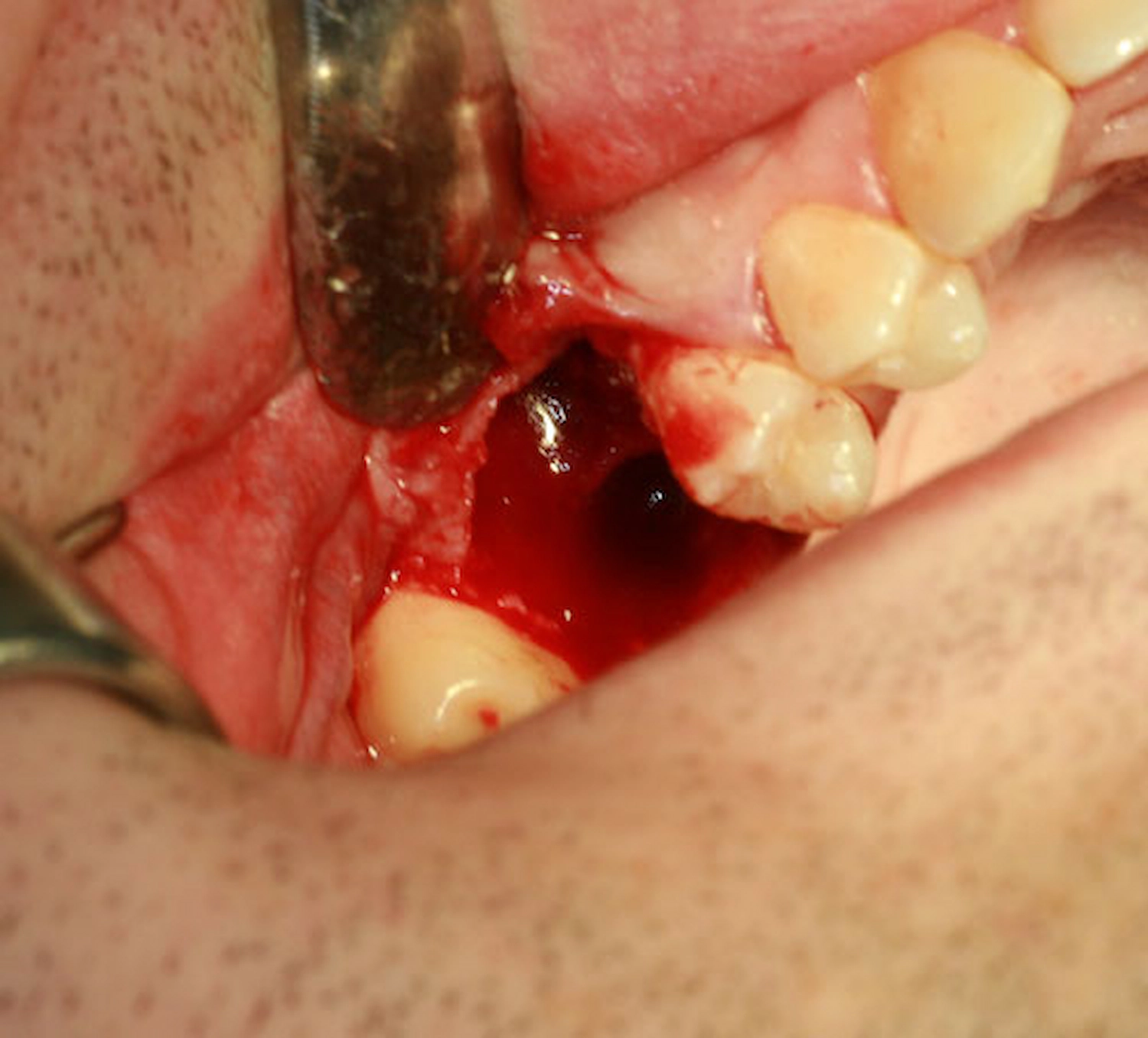
Bleeding and Delayed Gum Healing
Alcohol can affect blood flow and may cause more bleeding around the surgical site. It can also lead to dehydration if you don’t drink enough water.
Your gums need time to heal properly. Drinking may irritate the implant site or make early recovery harder. Good oral hygiene and following your care instructions help protect the wound.
Bone Healing and Implant Stability
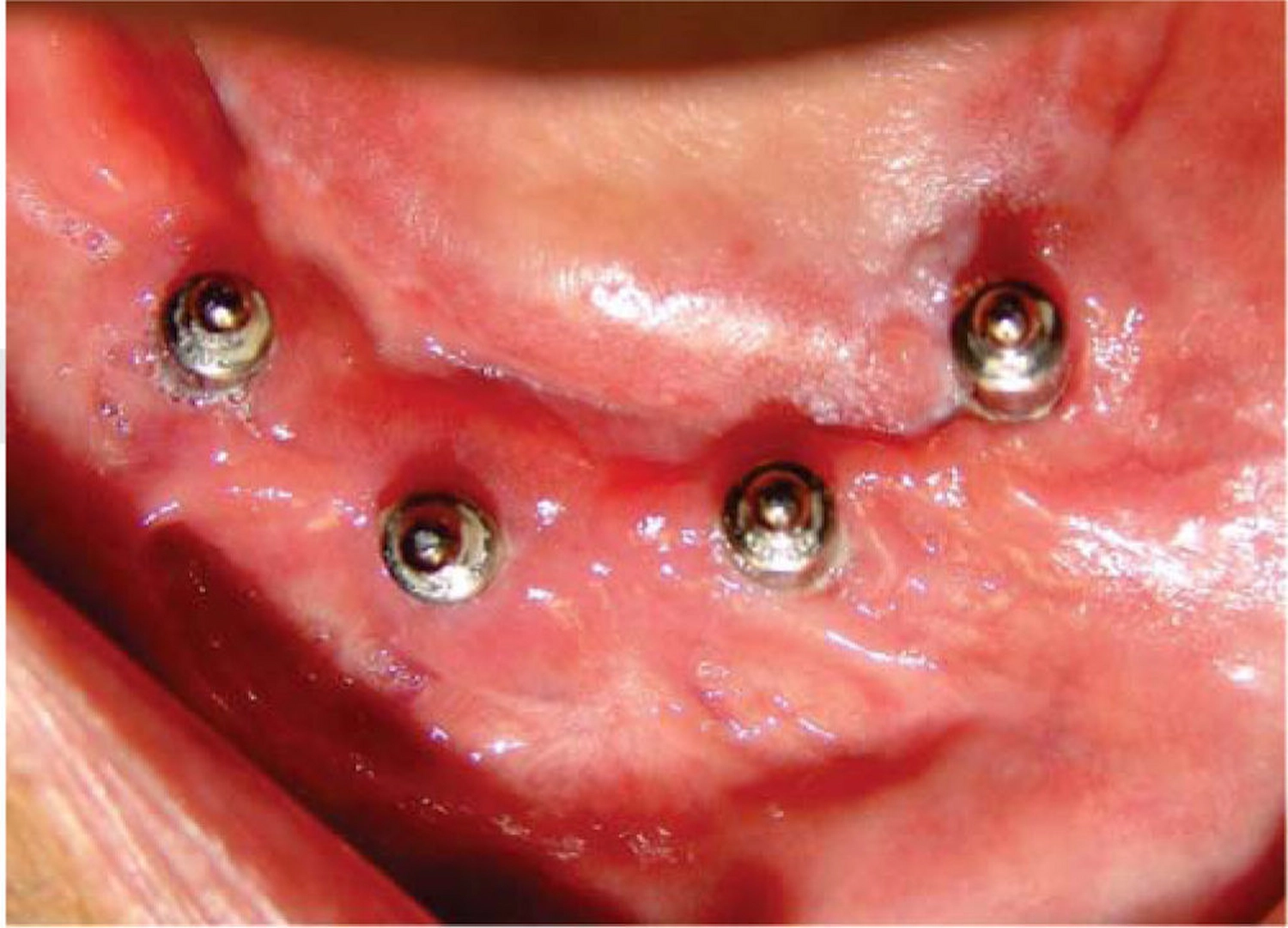
Your jawbone must grow around the implant to hold it in place. Dentists call this process osseointegration. It can take several months, even after your gums have healed. Once your gums have healed, proper dental implant maintenance helps protect your implant through daily cleaning and regular dental checkups.
Heavy drinking may affect bone repair and your body’s ability to fight infection. Avoiding alcohol during early recovery helps lower these risks. One drink does not mean your implant will fail.
How Much Alcohol Raises Implant Failure Risk?
No proven number of drinks causes an implant to fail. A 2026 systematic review found that heavy drinking was linked to a higher risk of failure. The effects of light or moderate drinking remain less clear.
In the long term, frequent heavy drinking may increase the risk of complications. Your dentist can help you understand how your drinking habits may affect treatment.
What Affects the Alcohol Abstinence Period?
Not everyone heals at the same speed. Your recovery depends on your health, how many implants you have, and whether you need other procedures. Your medications can also affect when you can drink again.
When Can You Drink After a Bone Graft?
A bone graft adds bone material to areas where the jaw needs more support. Your gums and grafted area need time to heal.
Some dentists recommend avoiding alcohol for 2–6 weeks after complex procedures. The exact time depends on the graft, your recovery, and your surgeon’s advice.
Medication Interactions and Individual Healing
Alcohol can interact with pain medication, sedatives, and some antibiotics. Mixing it with opioids can slow your breathing and cause severe drowsiness. Drinking while taking certain anti-inflammatory drugs may also raise the risk of stomach bleeding.
If you take metronidazole, NHS guidance advises avoiding alcohol during treatment and for 48 hours after your last dose.
You may see the term “moderate alcoholics” online, but it is not a clear medical term. Tell your dentist how often and how much you drink. This helps them give you advice that fits your needs.
What Can You Drink After Dental Implant Surgery?
Water is the best drink during recovery. It keeps you hydrated and does not irritate your gums. You can also choose cool, low-acid, low-sugar drinks.
Good options include:
- Water: Helps you stay hydrated.
- Milk: A cool option if you tolerate dairy.
- Smoothies: Choose smooth blends without seeds or acidic fruits.
- Electrolyte drinks: Pick low-sugar options when needed.
Avoid very hot drinks while your mouth is numb. Do not use straws if your dentist tells you to avoid suction. Choose drinks that feel comfortable and do not irritate your gums.
What if You Drank Alcohol Around Surgery?
Having a drink before or after treatment does not always cause harm. What matters is when you drank, how much you had, and whether you took medication. Tell your dentist so they can help you decide what to do next.
Can a Dentist Tell if You Drank Last Night?
A dentist cannot tell exactly how much you drank by looking inside your mouth. They may notice alcohol on your breath or signs that you are impaired.
If you drank the night before treatment, tell your dentist. This is especially important if you plan to receive sedation. Your dental team may need to change your appointment for safety.
You can also review what to expect during your dental implant procedure before your appointment.
What to Do if You Drink During Recovery
If you had a drink after surgery, stop drinking and review your care instructions. One drink does not mean your implant has failed.
Drinking alcohol after dental implant placement may cause problems if your gums are still bleeding or you’re taking certain medications. Contact your dentist if you notice new symptoms or are unsure about drug interactions.
When to Contact Your Dentist
Mild pain, swelling, and slight bleeding are common after implant placement. These symptoms should improve within a few days.
Call your dentist if you notice:
- Bleeding that does not stop with pressure
- Swelling or pain that gets worse
- Fever or pus near the implant
- A bad taste with signs of infection
Get urgent medical help if you have trouble breathing, severe bleeding, or a serious reaction after mixing alcohol with medication. For more details on normal healing symptoms and possible complications, read our guide to tooth implant side effects.
At Smile Lab in Union Square, Dr. Waise Ebrahimi, a certified dental implant placement specialist, reviews your medical history and healing progress to guide your recovery. If you’re planning implant treatment in Manhattan or have aftercare questions, you can schedule a consultation to discuss your options.