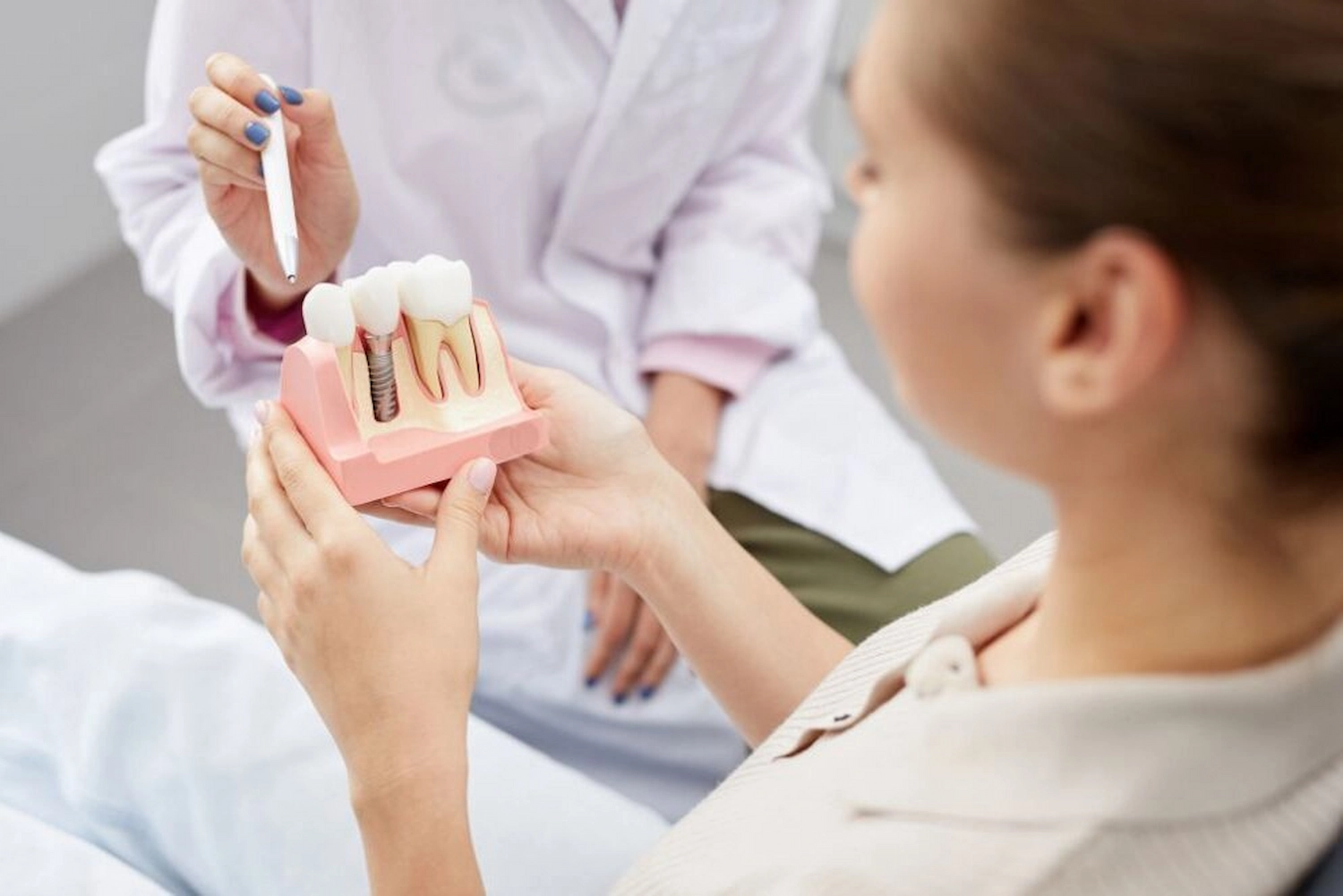
Starting the next day, gently rinse with warm saltwater, carefully clean nearby teeth, and take prescribed medications as directed, including completing any prescribed antibiotic course. Avoid strenuous exercise for several days, smoking or tobacco for at least two weeks, and alcohol for at least 48 hours, unless your dentist advises a different timeline.
Mild swelling and tenderness are expected, but worsening pain, fever, or persistent bleeding require professional attention. At Smile Lab in Union Square, Manhattan, patients receive personalized aftercare guidance to support a safe recovery.
Key Takeaways
- During the first 24 hours after dental implant surgery, rest, control bleeding with gauze, apply cold compresses, and avoid rinsing, spitting, or using straws.
- Mild pain, swelling, and bruising are normal during early recovery. Discomfort often peaks within 24–48 hours, while swelling may peak around days two or three.
- Eat soft foods, avoid chewing on the surgical site, and begin gentle saltwater rinses after 24 hours if your dentist recommends them.
- Avoid smoking, alcohol, and strenuous exercise during early healing. Gum tissue typically heals within one to two weeks, while the implant may take several months to bond with the jawbone.
- Contact your dentist if you experience persistent bleeding, worsening pain, fever, unusual swelling, or a loose implant component.
Dental Implant Post-Operative Care: Essential Instructions
Proper post-op care protects healing tissues and reduces complications. Follow your dentist’s personalized directions, especially if your procedure included bone grafting. Knowing what to expect during your dental implant procedure helps you prepare for each stage of treatment and recovery.
The First 24 Hours After Surgery
Rest with your head elevated and avoid disturbing the wound. Apply a cloth-wrapped ice pack for 10–15 minutes at a time to help manage swelling.
If bleeding occurs, place clean gauze over the surgical area and bite down with steady pressure for 30–60 minutes, following your dentist’s instructions. Slightly pink saliva is normal, but heavy bleeding that doesn’t slow requires professional attention.

Dental Implant Aftercare: Dos and Don’ts
- Do: Rest, stay hydrated, and take prescribed medications.
- Do: Eat soft foods and keep the area around the implant clean.
- Don’t: Touch the wound or disturb the stitches.
- Don’t: Smoke, drink alcohol, or exercise intensely.
These precautions support the healing process during the first several days after surgery.
Managing Pain, Swelling, and Bleeding
Mild discomfort, swelling, and light bleeding are expected after surgery. Symptoms should gradually improve rather than worsen.
What Is the Most Painful Day?
Discomfort is often strongest during the first 24–48 hours, though individual experiences vary. Swelling may peak around days two or three, then gradually decrease.
Pain Relief and Rest
Take prescribed medications exactly as directed. Your dentist may recommend acetaminophen or ibuprofen, depending on your medical history and current medications. If your dentist prescribes antibiotics, follow the full treatment instructions. You can also learn practical steps to relieve dental implant pain and manage discomfort during recovery.
Many patients resume desk work within one or two days, but strenuous physical activity may require a longer break.
Plan extra rest during the first 48 hours, particularly after complex procedures.
What to Eat After Dental Implant Surgery
Your diet should protect the wound without limiting essential nutrition. Choose foods that require minimal chewing and avoid pressure on the implant site.
Recommended Foods and Drinks
Good options include:
- Mashed potatoes
- Scrambled eggs
- Smooth soups
- Applesauce
- Yogurt
Choose cool or lukewarm soft foods and drink plenty of water. Chew away from the treated area.
Foods to Avoid, Including Dairy
Avoid crunchy, sticky, hard, or very hot foods during early recovery.
Dairy isn’t universally prohibited after surgery, and research doesn’t support routine avoidance. Follow your dentist’s specific restrictions, especially if your medications affect dietary choices.
Home Care After Dental Implant Surgery
Good oral hygiene helps prevent infection without irritating healing tissue. Your dentist should explain when you can safely start cleaning around the implant.
Brushing and Saltwater Rinses
Use a soft-bristled toothbrush on unaffected teeth. Avoid brushing directly over the wound until your dentist approves.
Starting after 24 hours, your dentist may recommend rinsing your mouth with warm saltwater two to three times a day. Let the liquid move gently; do not swish forcefully.
Caring for Stitches and Temporary Restorations
Avoid pulling stitches or touching the healing cap. If you have temporary teeth or dentures, follow instructions about wearing and cleaning them. A loose healing cap or temporary crown does not necessarily mean the implant has failed. Avoid chewing on the area and contact your dentist for an evaluation.
Report any loose components rather than trying to adjust them yourself.
What to Avoid After Dental Implant Placement
Protecting the treated area helps reduce irritation and supports stable healing.
Smoking, Alcohol, and Exercise
Avoid smoking and vaping because nicotine can interfere with healing. Avoid alcohol for at least 24 hours and longer if medications require it.
Delay intense exercise until your dentist clears you.
Chewing Pressure and Other Restrictions
Avoid chewing directly on the implant, biting hard objects, or testing its stability with your tongue.
These precautions are especially helpful during the first several days after surgery.
How Long Does Dental Implant Healing Take?
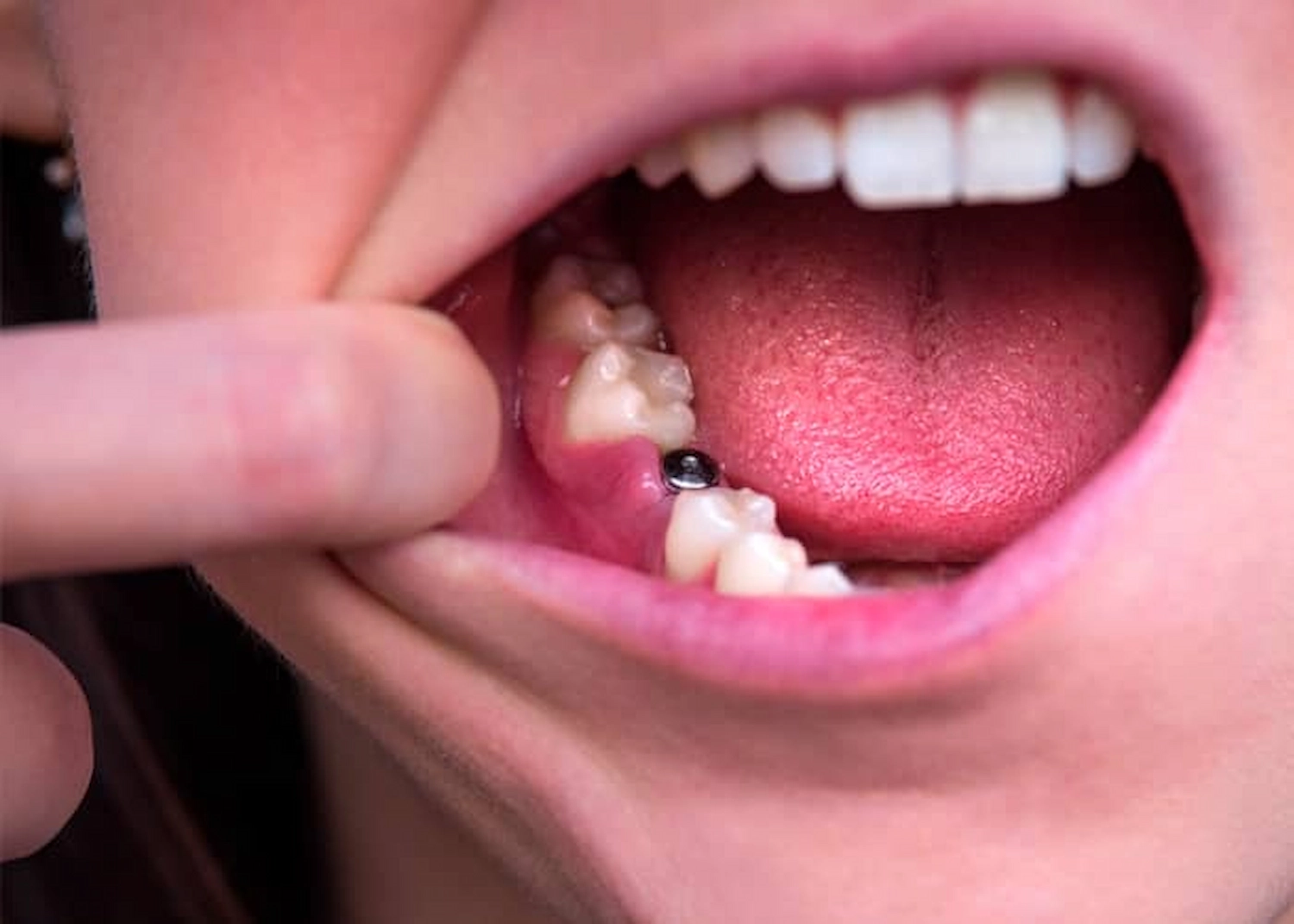
Initial gum healing typically takes 7–14 days, as swelling, tenderness, and minor bleeding gradually resolve. Most patients can return to normal daily activities within 1–3 days, though the surgical site remains sensitive and needs gentle cleaning.
The implant typically takes 3–6 months to fuse with the surrounding jawbone through a process called osseointegration. During this period, new bone grows around the titanium implant, creating a stable foundation for the final crown.
| Recovery Period | What to Expect |
|---|---|
| First 24 Hours | Mild bleeding, tenderness, and swelling |
| Days 2–3 | Swelling may peak; discomfort should begin improving |
| Days 4–7 | Pain and swelling usually decrease |
| Days 7–14 | Initial gum healing progresses |
| Months 3–6 | Implant continues bonding with the jawbone |
Healing may take longer if you need bone grafting, have reduced bone density, or experience complications. For a closer look at each recovery stage, explore our dental implant recovery guide.
How to Support Faster Healing
Eat a nutritious diet, get adequate sleep, and follow cleaning instructions. Attend scheduled appointments so your dentist can evaluate healing and identify problems early.
When to Call Your Dentist
Normal Symptoms vs. Warning Signs
Minor bruising, tenderness, and swelling are common. Contact your dentist if you experience:
- Persistent or heavy bleeding
- Increasing pain after several days
- Fever, pus, or worsening swelling
- A loose implant or healing component
If you’re concerned, call the office rather than waiting for your next appointment. Seek emergency care for uncontrolled bleeding or difficulty breathing or swallowing.
Follow-Up Care and Next Steps
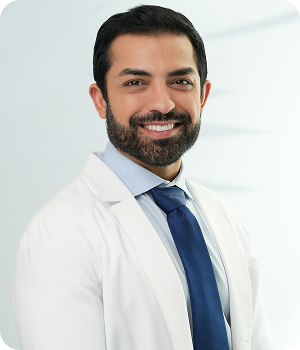
Recovery differs based on the procedure and your overall health. Dr. Waise Ebrahimi, who is certified in dental implant placement, considers these factors when planning follow-up care. Knowing which type of dentist performs dental implants can also help you choose a qualified provider for treatment and recovery.
At Smile Lab in Union Square, Manhattan, patients can receive personalized recovery guidance and ongoing evaluations.
Schedule Your Visit to discuss your healing progress or upcoming treatment.