During the first few days, mild bleeding, soreness, and swelling are common, with swelling often peaking around day 2 or 3. Eating soft foods, resting, applying ice packs, and following your dentist’s aftercare instructions can support healing. At Smile Lab NYC, recovery timelines depend on your procedure, bone health, and individual healing response.
Key Takeaways
- Most people return to normal daily activities within 1 to 3 days, while soreness and swelling usually improve over the first one to two weeks.
- Full healing takes longer because the titanium post must integrate with the jawbone, which often takes about 3 to 6 months.
- Soft foods, rest, careful oral hygiene, and avoiding smoking, straws, hard foods, and intense exercise can help protect the surgical site during early healing.
- Healing time varies based on the number and location of posts, bone quality, overall health, and whether bone grafting or other procedures were needed.
- If pain worsens, swelling increases, bleeding is excessive, you have discharge, a fever, or a persistent bad taste or odor, have your dentist evaluate it.
How Long Is Dental Implant Recovery Time?
Most people recover from the surgery within 1 to 2 weeks, but full healing usually takes 3 to 6 months. During that longer period, the titanium fixture integrates with the jawbone, allowing it to support normal chewing forces and the final crown.
The exact timeline can vary based on the number and location of implants, bone quality, overall health, and whether bone grafting or other procedures were needed. For a broader view of the full treatment process, see how long it takes to get a tooth implant.
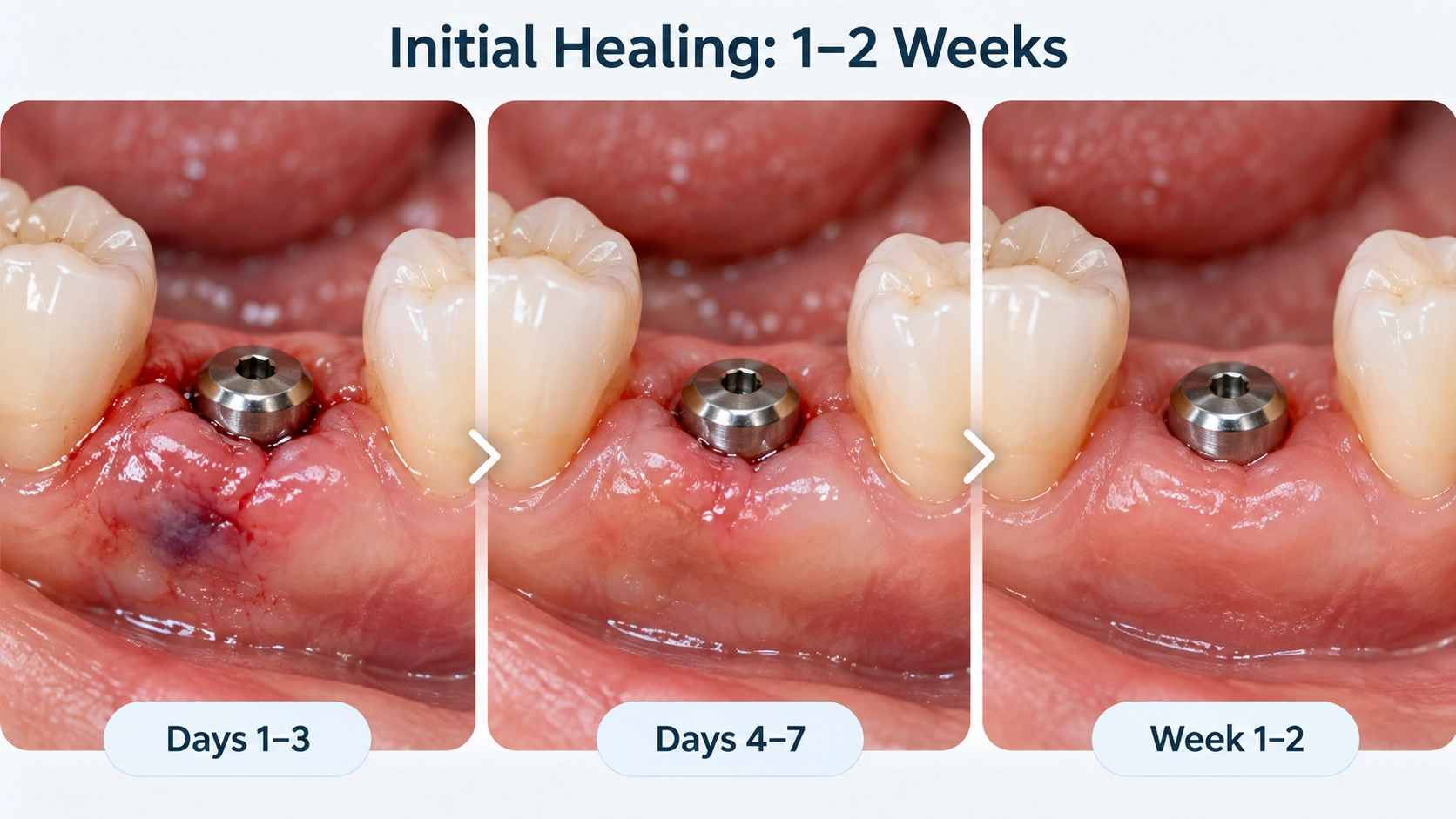
Initial Healing: About One to Two Weeks
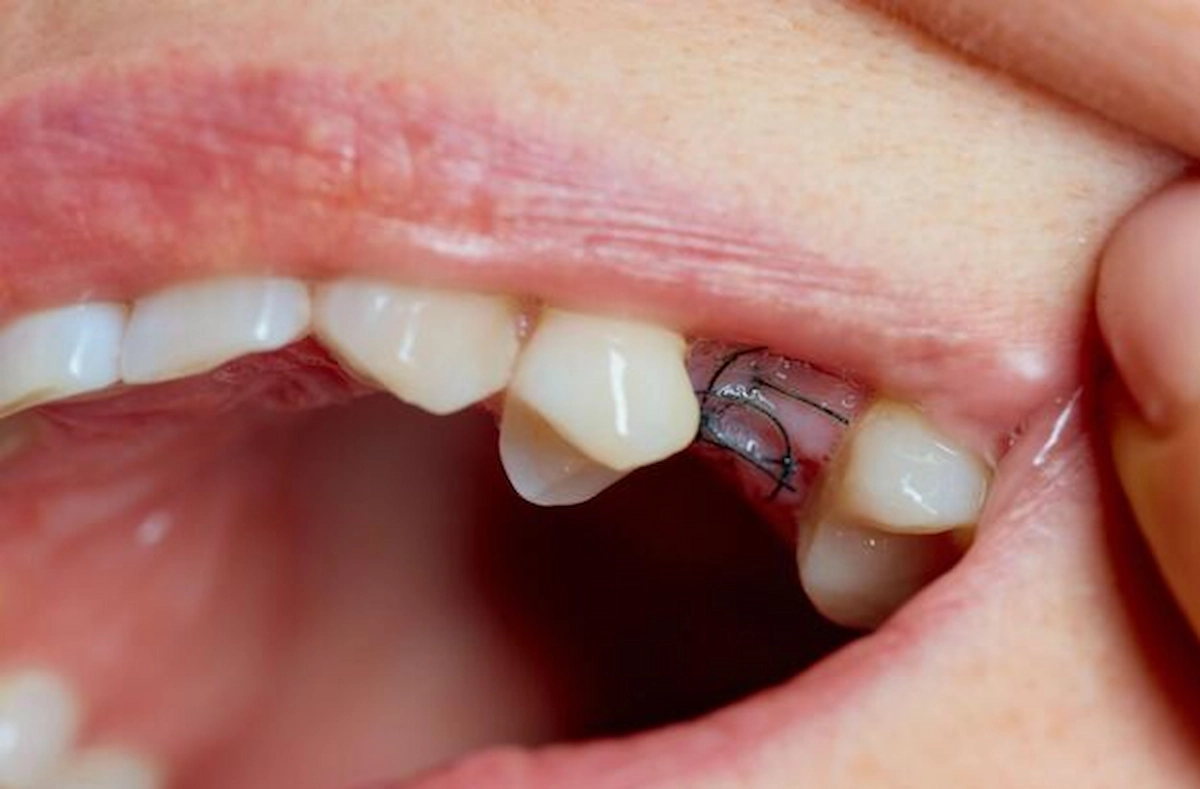
The first week usually involves the most noticeable changes. Mild soreness, swelling, bruising, and tenderness can occur after dental implant surgery and gradually improve as the gum tissue heals.
By one to two weeks, eating and everyday activities often feel easier, although the area still needs protection.
Full Healing Takes Several Months
Feeling normal does not mean the area has finished healing. Bone integration can continue for several months as new bone develops around the titanium fixture, creating a stable foundation.
Dental Implant Recovery Timeline
The timeline below shows what typically happens after implant placement. Your dentist may adjust these expectations based on your procedure and how your body responds.
First 24 to 48 Hours
Rest should be the priority during the first two days. Some bleeding, soreness, and swelling can occur, and your dentist may recommend prescribed or over-the-counter pain medication based on your needs.
You can also review what to expect during your dental implant procedure to understand what happens before and immediately after placement. Ice packs used briefly during the first 24 to 72 hours may help manage swelling. Avoid strenuous activity and follow the post-surgery cleaning instructions provided.
Days 3 to 7
Swelling and discomfort should start to improve. You may still need to chew away from the treated area and continue eating soft foods while the surgical site remains sensitive.
Gentle oral hygiene becomes especially important during this stage. Clean the rest of your mouth normally, but avoid disturbing the surgical area unless your dentist has instructed you otherwise.
Weeks 2 to 4
The gums usually look and feel much more settled during the following weeks. You may gradually return to a broader diet and normal routines if healing is progressing as expected.
The post beneath the gums is still integrating with the jawbone, so an absence of pain does not mean it is ready for unrestricted pressure.
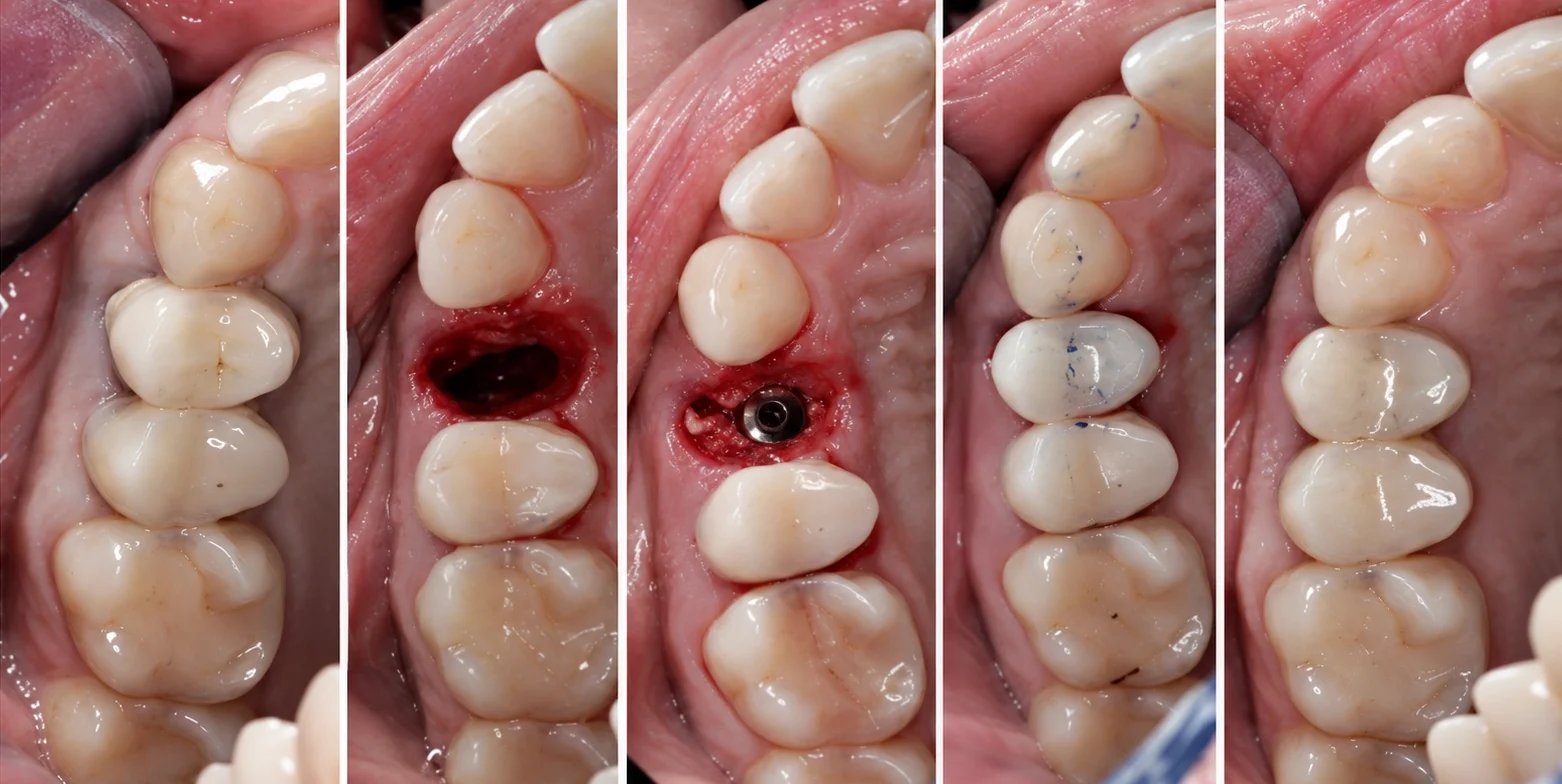
Months 2 to 6
During this period, osseointegration continues beneath the surface. New bone grows around the titanium fixture and helps secure it in the jaw, which plays a major role in long-term success.
How Painful Is Dental Implant Recovery?
Dental implant recovery is usually mildly to moderately painful, not severely painful, for most people. Soreness and swelling are often strongest during the first 2 to 3 days, then improve over the following week.
Pain levels vary based on the number of implants placed, whether bone grafting was needed, and individual pain sensitivity. You can manage most discomfort with the pain medication your dentist recommends.
What Is the Worst Part of Recovery?
For some people, the first few days are the most inconvenient because swelling, soreness, and temporary diet changes happen at the same time. Others find food restrictions more frustrating than the discomfort itself.
Knowing what to expect before treatment can make this stage easier to plan around.
When Should Pain and Swelling Improve?
Pain and swelling usually peak within the first 2 to 3 days, then start to improve. Most soreness and visible swelling decrease significantly within 5 to 7 days and continue to settle over the next 1 to 2 weeks.
If pain or swelling gets worse after day 3, returns after improving, or becomes severe, contact your dentist.
How Long Should You Rest After Surgery?
Rest during the first day or two and avoid strenuous physical activity. More involved procedures may require additional downtime.
Dental Implant Recovery Time Off Work
People with desk-based jobs may feel comfortable returning sooner than someone whose work involves lifting or physical labor. For a busy Manhattan schedule, planning a lighter day or two after surgery can make the early healing period easier.
When Can You Exercise Again?
Light walking is usually fine within 24 to 48 hours, but most people should wait about 3 to 7 days before returning to regular exercise. Heavy lifting, running, and intense workouts may need to wait about a week or longer, especially after multiple implants or bone grafting.
Your dentist may extend that timeline if the surgical site is still bleeding, swollen, or painful.
Dental Implant Recovery Diet
What Can You Eat After Surgery?
Stick to soft foods for about 3 to 7 days, depending on soreness and the extent of surgery. Foods such as eggs, mashed potatoes, yogurt, smoothies (no straw), and soft pasta are usually easier to tolerate during this period.
You can gradually add firmer foods as tenderness improves, but avoid hard, crunchy, spicy, or very hot foods until the area feels comfortable and your dentist says normal chewing is safe.
Do You Need to Avoid Dairy?
No universal rule requires avoiding dairy after oral surgery. Foods such as yogurt can fit a soft diet unless your dentist gives you different instructions based on your procedure or health needs.
How Long After Dental Implants Can I Eat Normally?
Most people can start returning to a more normal diet after about 1 to 2 weeks, once soreness and swelling have improved. Avoid hard, crunchy, or very chewy foods for several more weeks, especially near the treated area.
Your dentist may recommend a longer restriction if you had multiple implants, bone grafting, or slower healing.
What Affects Recovery Time from Dental Implants?
Number and Location of Implants
A single placement may involve a different healing experience than surgery with multiple sites. Bone quality and treatment location can also affect the overall timeline.
Bone Grafting and Additional Procedures
A bone graft, tooth extraction, or other supporting procedure can extend treatment. These steps create suitable conditions for implant success when existing bone is insufficient.
Health, Smoking, and Oral Hygiene
Smoking can interfere with tissue and bone healing, while good home care helps protect the surgical site. Poor healing can increase the risk of complications, so understanding the signs and causes of failed dental implants helps.
At Smile Lab, Dr. Waise Ebrahimi, a certified dental implant placement specialist, evaluates these factors before treatment so the plan reflects your anatomy and health rather than a standard timeline.
Dental Implant Recovery Tips
Keep the Surgical Site Clean
Follow your dentist’s instructions for brushing and flossing around the treated area. Proper cleaning matters, but aggressive brushing can irritate fresh tissue.
Protect the Area While It Heals
Avoid chewing hard foods directly over the surgical site during early healing. Reducing pressure gives the surrounding tissue and developing bone support time to stabilize.
Follow Your Postoperative Instructions
Your personal instructions take priority over a general online timeline. Attend follow-up visits and keep regular dental checkups so your dentist can assess healing progress.
Dental Implant Healing Time Before Crown
How Long Does Osseointegration Take?
Osseointegration usually takes about 3 to 6 months. Lower-jaw implants may integrate in roughly 3 to 4 months, while upper-jaw implants can take about 4 to 6 months because the bone is often less dense.
The timeline may be longer if bone grafting was needed, bone quality is limited, or healing is slower than expected.
When Is the Final Crown Placed?
Dentists often place a permanent crown after the post has reached sufficient stability and the surrounding tissues are ready. Some carefully selected cases can use earlier or immediate restorations, so timing should be based on clinical stability rather than a fixed date. To understand where this stage fits in the overall process, review what to expect during your dental implant procedure.
When Should You Contact Your Dentist?
Normal Healing vs. Warning Signs
Mild soreness, swelling, and bruising can be part of normal early healing. Contact your dentist if pain or swelling worsens after improving, bleeding is excessive, or you develop discharge, a persistent bad taste or odor, fever, or another concerning symptom.
A follow-up visit can confirm whether healing is progressing as planned and answer questions that a general timeline cannot. If you are considering treatment or want a clearer idea of what your own experience may involve, you can schedule a consultation and discuss your individual plan before moving forward.