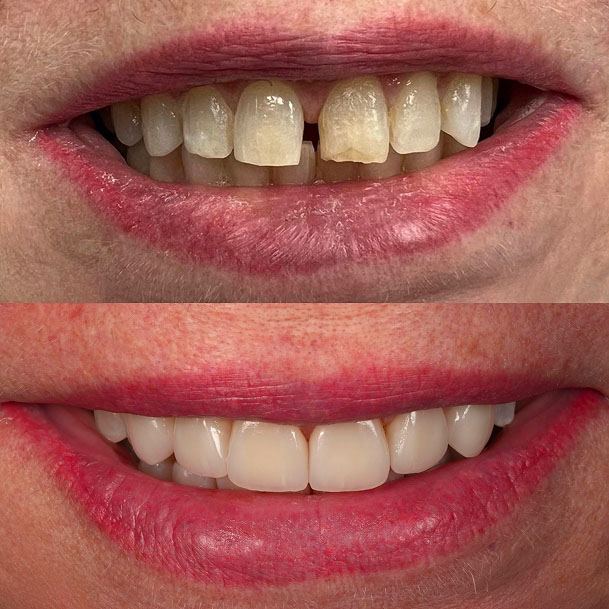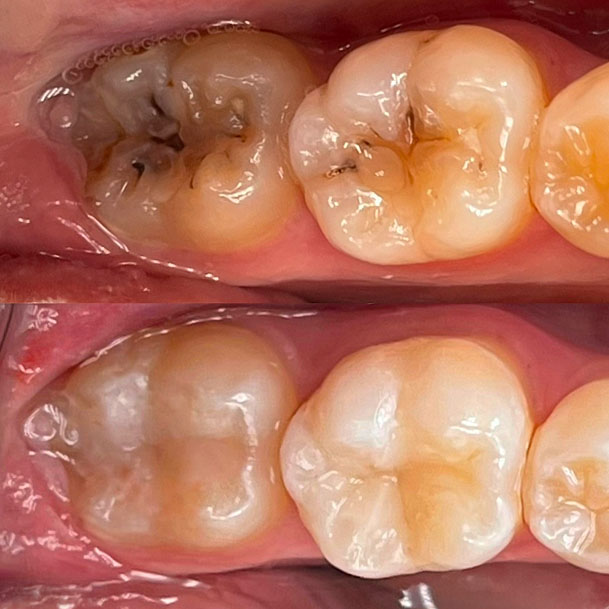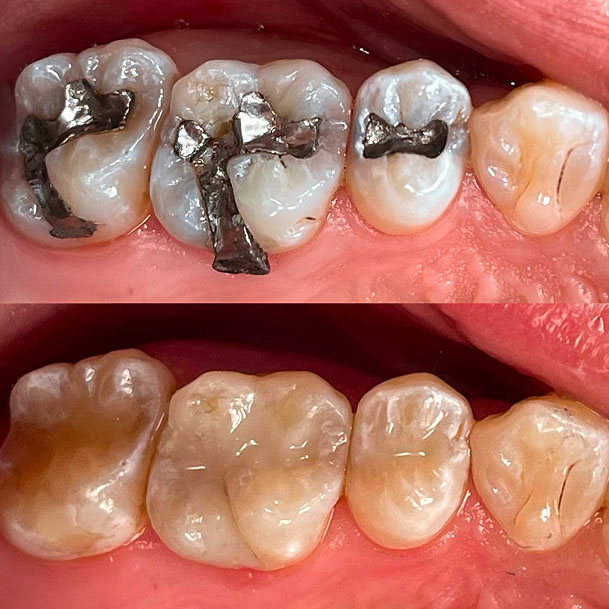

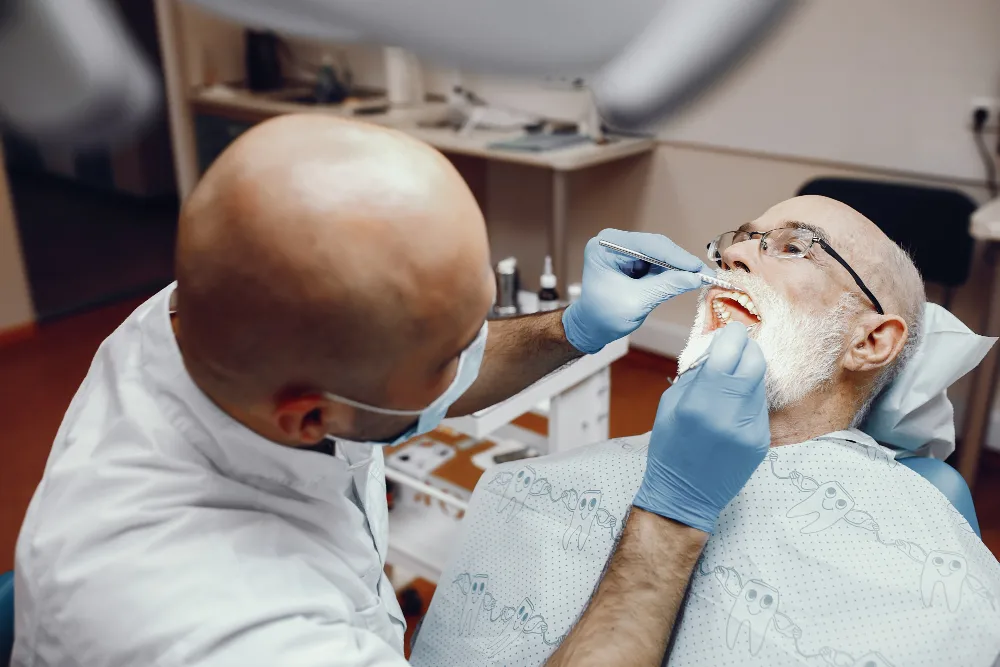
Oral surgery is any procedure performed inside your mouth, on the teeth, gums, jawbone, or the soft tissue around them. It fixes what fillings and medication cannot, such as an impacted molar, a tooth broken below the gumline, or bone loss in the jaw. A dentist with advanced surgical training carries out the work.
Feeling uneasy about mouth surgery is normal. The CDC reports that more than 40% of adults have experienced mouth pain in the past year, and some of those cases need a surgical fix rather than a filling.
Below we cover what counts as an oral operation, the eight most common types, the risks worth knowing, and how long healing takes.
Improve your Smile
What Is Oral Surgery
Oral surgeries are procedures used to treat problems with the teeth, jawbone, gums, or soft tissue. This section breaks the definition down further, along with how oral surgery relates to dental surgery more broadly and where it sits on the dental versus medical line.
The oral surgery meaning is deliberately broad. It covers a decayed tooth that cannot be saved, exposed roots, an infection that keeps coming back, and complex conditions that medication or minor chairside work will not settle.
What Is Dental Surgery, and How Does It Differ?
Dental surgery is the wider category: any surgical work involving the mouth, teeth, or the bone that supports them. Oral surgery sits inside that category as its specialist end.
Simpler types of dental surgery, like a deep filling or a small gum procedure, happen in a general practice. Once a case calls for incisions, bone work, or sedation, a specialist takes over.
Is Oral Surgery Dental or Medical?
It can be either, and occasionally both. Most work inside the mouth is classified as dental, so a dental plan is normally the one involved. Some cases sit on the medical side: a fractured jaw, a biopsy for a suspected growth, or anything tied to a diagnosed medical condition. Your provider can confirm which category applies before you commit.
Oral Surgery vs Maxillofacial Surgery
The two overlap heavily, and both specialists follow the same training path. The difference is scope. Oral work stays inside the mouth: extractions, implant placement, grafting, biopsies. Maxillofacial work reaches further out, covering the face, jaws, and neck. That includes repairing broken facial bones after trauma, repositioning the upper or lower jaw to correct a bad bite, and cleft lip and palate repair.
Maxillofacial cases more often take place in a hospital. The field is one of the specialties formally recognized by the American Dental Association, and its specialists complete several years of hospital-based residency after finishing school.
| Dimension | Oral Surgery | Maxillofacial Surgery |
|---|---|---|
| Area treated | Teeth, gums, jawbone and soft tissue inside the mouth | Face, jaws, mouth and neck |
| Common procedures | Extractions, implant placement, gum grafting, biopsies | Facial fracture repair, jaw repositioning, cleft lip and palate repair |
| Usual setting | Outpatient clinic or surgical centre | More often a hospital |
| Anesthesia | Local or sedation in most cases | General anesthesia more common |
| Training path | Identical. Both complete dental school followed by a multi-year hospital-based surgical residency. | |
What Our Patients Say
EXCELLENTTrustindex verifies that the original source of the review is Google. I've been taking all my treatments over here for over a year now and so far I'm pretty satisfiedPosted on GoogleTrustindex verifies that the original source of the review is Google. Dr basseri was amazing he took into account my fiances anxitey i to account and performed the filling even after hours he definitely earned 2 permenant patients.Posted on GoogleTrustindex verifies that the original source of the review is Google. Beautiful experience! For my first dental visit- I had a smooth experience. Everyone was super nice. From the dentist, to the receptionist… all of the above.My teeth feels amazing. Super patient and explains everything clearly. I recommend, and I will definitely be back!Posted on GoogleTrustindex verifies that the original source of the review is Google. This team is so helpful and kind! I always feel like a VIP coming for my cleaning and I couldn’t recommend them more.Posted on GoogleTrustindex verifies that the original source of the review is Google. staff was very helpful and they explained the procedure and payment options in a friendly wayPosted on GoogleTrustindex verifies that the original source of the review is Google. My experience with Smile Lab Dentistry Union Square "Wonderful", right down to the teeth cleaning.. that will make a person smile.Posted on GoogleTrustindex verifies that the original source of the review is Google. Love coming here as a patient. Everyone here is super nice and thorough. I had my wisdom teeth done here which was an excellent experience. I now commute all the way to the city just to get my regular check ups here because it’s worth the trip. Also, I never had a hygienist floss my teeth before this place
Improve your smile today
8 Most Common Types of Oral Surgeries
Here is what is considered oral surgery in most practices, and what each procedure involves:
1. Tooth Extractions
It involves removing teeth that are badly damaged or decayed and cannot be saved with fillings or crowns. Simple removals are done on fully visible ones, while surgical extractions may be needed for broken or impacted cases. This relieves pain and stops infection spreading.
2. Wisdom Teeth Removal
Wisdom teeth are the last to emerge and often cause trouble because there is no room for them. This procedure removes one or more third molars, especially if they are impacted, angled incorrectly, or pressing on neighbors. Early removal can prevent swelling and crowding.
3. Dental Implants
For this procedure, the surgeon places titanium posts into your jawbone to anchor a replacement tooth. The post fuses with the bone over time, so dental implants stay firm, never decay, and help preserve jaw density compared with dentures or bridges.
4. Bone Grafting
Bone grafting involves adding bone to your jaw to make it strong enough to support a dental implant. The surgeon adds natural or synthetic bone material to encourage new bone growth. It strengthens the jaw and creates a stable foundation for future dental procedures such as implants.
5. Gum Grafting / Periodontal Surgery
Gum grafting adds tissue to cover exposed roots or manage advanced gum disease. It helps reduce sensitivity and prevent further recession. For a closer look at what the procedure and healing process actually involve, see this guide to gum graft surgery.
6. Oral Pathology / Biopsies
When there are unusual growths, persistent sores, or unexplained changes in the mouth, a biopsy tests the tissue. This helps diagnose conditions such as mouth cancer, cysts, or infections. Catching these early leads to better outcomes, which is also why routine screening matters even without obvious symptoms.
7. TMJ Surgery
Temporomandibular joint (TMJ) disorders can cause chronic jaw pain, headaches, and difficulty chewing. If therapy or splints fail, an operation may be needed to repair or reposition the joint. It aims to restore comfort, alignment, and function.
8. Sinus Lift
A sinus lift, or sinus augmentation, is commonly done before placing implants in the upper back jaw. When natural bone height is low, or the sinuses sit too close to the jaw, this procedure raises the sinus floor and adds bone to allow secure placement.
Gum Graft Recovery: How Long Does It Take?
The typical recovery timeline for gum grafting surgery involves 1-2 weeks for initial healing. Full recovery takes around 4-6 weeks. The exact timeline depends on how your body heals. You must follow the doctor's instructions to speed up the recovery process. Moreover, it is suggested that you avoid sticky, hard food and smoking, as these can damage your gums again by stimulating bacterial infection.
When Do You Need Oral Surgery?
If your issue is complicated enough to need a surgical fix, your dentist will recommend oral surgery treatment after a proper diagnosis.
Here are a few reasons that may lead you towards an operation.
- Impacted or infected wisdom teeth
- Jaw pain or TMJ problems
- Missing teeth or a lost tooth
- Jaw alignment issues or uneven facial structure
- Severe gum disease
- Infections or unusual growths that do not heal
What to Expect During Oral Surgery Procedures.
Step 1: Preparing for Your Procedure
The process starts with a detailed consultation. Your surgeon assesses your condition using 3D imaging or a digital scan to capture every detail before planning anything.
Step 2: Discussion of Options
Once your case is clear, your surgeon will recommend the most suitable approach. This is the point to ask about the method, sedation choices, anesthesia, and how long recovery should take.
Step 3: Your Procedure Day
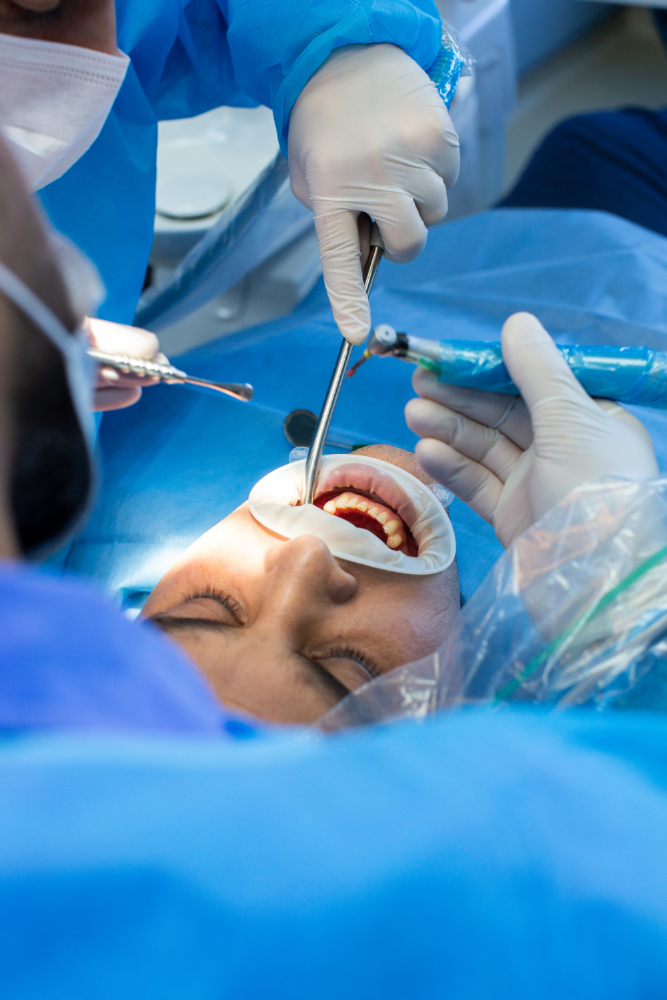
You will be given anesthesia or sedation as agreed beforehand. Options range from a local injection that numbs the area, through nitrous oxide or intravenous sedation, up to general anesthesia for more involved cases.
Your surgeon then works with sterilized instruments and techniques matched to your case. You should not feel pain during the procedure itself.
Step 4: Post-Surgical Follow-Up
Afterward, your surgeon gives you instructions to help you recover quickly and schedules follow-up visits to monitor healing.
Risks and Possible Complications
Every operation carries some risk. Most complications here are uncommon and manageable when caught early. The ones worth knowing include infection at the site, injury to a neighboring tooth, numbness in the lip or tongue from nerve irritation, and prolonged bleeding.
Two are specific to this kind of work: dry socket, where the clot over an extraction site breaks down and leaves bone exposed, and sinus perforation during upper back jaw procedures. Small fragments are occasionally left behind and may need a second visit to remove. Your surgeon will explain which of these apply to you, since the risk profile changes with the procedure.
Recovery and Healing Times
Most people feel like themselves again within two to three days, though the mouth keeps healing well past the point where you feel fine. Soft tissue generally closes over in about a month, and bone can take up to six months to rebuild.
The more extensive the work, the longer the timeline. A simple extraction typically heals faster than a graft, while gum grafting needs 1-2 weeks for initial healing and around 4-6 weeks for full recovery, depending on how your body responds. Follow your surgeon’s instructions to keep things on track. Avoid sticky or hard food and skip smoking, since both can disturb the site and invite bacterial infection.
| Stage | Typical Timeframe | What This Means |
|---|---|---|
| Feeling normal again | 2 to 3 days | Swelling and discomfort ease enough to return to most daily activity |
| Gum graft, initial | 1 to 2 weeks | Grafted tissue settles; soft diet still advised |
| Gum graft, full | 4 to 6 weeks | Site fully closed and stable |
| Soft tissue healing | About 1 month | Gum and inner cheek tissue finishes closing over |
| Bone healing | Up to 6 months | Jawbone rebuilds; matters most before implant placement |
What to Do After You Have Oral Surgery
Here is what you can expect and how to take care of yourself while you heal:
- Eat Soft Foods: Stick to gentle options like yogurt, mashed potatoes, applesauce, and smoothies while your mouth recovers. If you’ve had a tooth pulled, this list of foods to avoid after an extraction is worth a look before your first meal home.
- Manage Swelling and Pain: Use ice packs on your face for the first 24 hours to reduce swelling. Take any medication your dentist prescribed as directed.
- Keep Your Mouth Clean: Gently rinse with warm salt water to keep the area clean. Do not brush near the site for a few days, and avoid vigorous swishing or spitting.
- Take It Easy: Avoid hard exercise and heavy lifting for at least 48 hours. Keep your head slightly raised, even while sleeping, to help reduce swelling.
- Watch for Problems: Call your dentist right away if you have heavy bleeding, severe pain that medication does not touch, pus at the site, or a fever of 102 degrees Fahrenheit or higher. This rundown of emergency warning signs is worth keeping handy during recovery.

Why Choose Smile Lab for Your Oral Surgery Needs
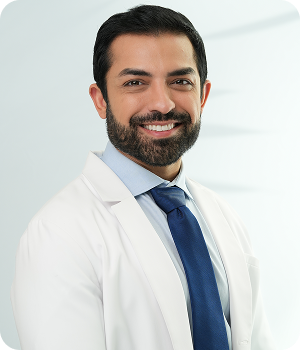
If you’re looking for experienced oral surgeons in Union Square, Smile Lab provides 3D imaging, digital scans, and other high-quality tools for accurate diagnosis. Oral and maxillofacial surgery at the practice is led by Dr. Cameron Lewis, whose training spans implants, bone grafts, sinus lift surgery, and oral pathology.
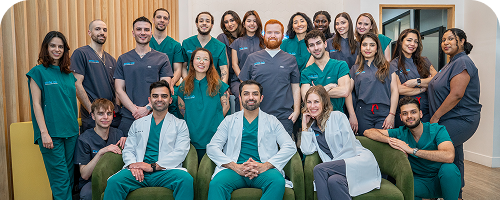
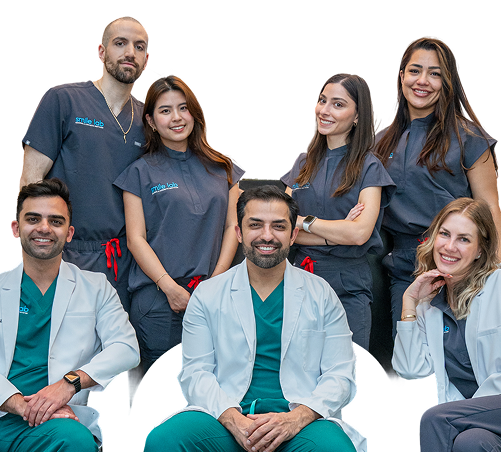
The clinical team brings years of experience to precise, safe procedures that restore both appearance and function. The practice’s review record speaks for itself.
Call now to Schedule Your Appointment
At Smile Lab, you will receive experienced & professional dental implant services in a supportive
and high-tech environment, ensuring you get the best care possible.
Or
Complete The Form Below
Conclusion
Mouth surgery covers the problems that medication and non-invasive care cannot reach, from a stubborn impacted molar to rebuilding bone that has worn away. Knowing what the procedure involves, what the risks are, and how long healing takes turns an intimidating recommendation into a manageable decision.