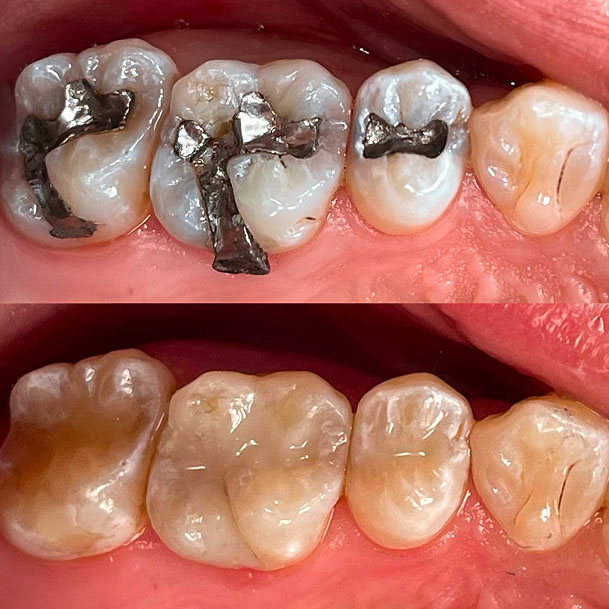

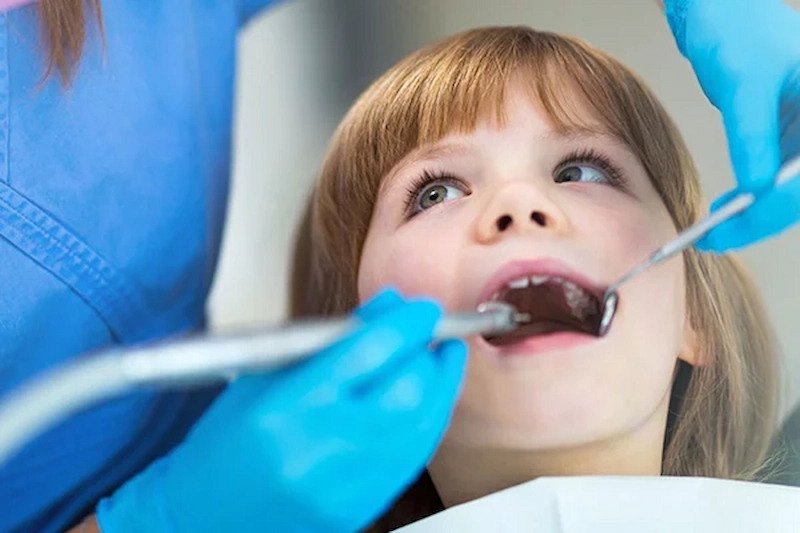
You can help by using simple words, booking the visit when your child is rested, and bringing a small comfort item. At Smile Lab in Union Square, the team explains each step so children can feel comfortable during the visit.
Key Takeaways
- Children should have their first dental visit when the first tooth appears or by age one. Future visits depend on their needs.
- A routine visit often includes an exam, plaque and tartar removal, polishing, and fluoride when needed.
- Most visits do not hurt. Mild pressure or short-term soreness may occur if the gums are tender.
- Parents can lower fear by using simple words and choosing a time when their child is rested.
- Professional care supports a healthy smile, but brushing, flossing, and parent help are still needed at home.
Should Kids Get Dental Cleanings?
Yes. Professional cleanings remove buildup that brushing may miss. They also let the dentist check the gums, bite, and growing teeth.
Regular visits can help find tooth decay before it causes pain. Children’s teeth cleaning also supports good oral hygiene and helps children get used to dental care.
When Should Cleanings Begin?
The American Academy of Pediatric Dentistry advises a first visit when the first tooth appears or by the first birthday. The first visit may focus more on an exam, parent tips, and helping the child adjust.
A visit every six months works for many children. Still, timing depends on cavity risk, gum health, braces, diet, and home care. Pediatric dentistry should be tailored to each child because every child’s oral health needs are different.
Baby teeth still need care even though they fall out later. They help with speech, chewing, face growth, and space for adult teeth.
What Happens During the Appointment?
A dental hygienist cleans teeth, or a dentist first checks the mouth for cavities, gum changes, and growth concerns. They then use small tools to remove plaque, polish the teeth, and apply fluoride when needed.
Parents can also learn how long a teeth cleaning takes, though the exact duration depends on the child’s age, comfort, and care needs.
Plaque and Tartar Removal
The provider uses a small tool to remove plaque near the gums and between teeth. Plaque can harden into tartar when it stays in place, and a toothbrush cannot remove hard tartar.
This step removes plaque and tartar that may lead to sore gums, bad breath, and cavities. The provider may also point out where the child’s teeth need more care at home.
Polishing, Fluoride, and X-Rays
A soft rubber cup and polishing paste remove light stains and smooth the enamel. Fluoride may then be applied to the teeth to help reduce the risk of cavities.
X-rays are not needed at every pediatric dental visit. The dentist uses them only when they may show problems that cannot be seen during the exam.
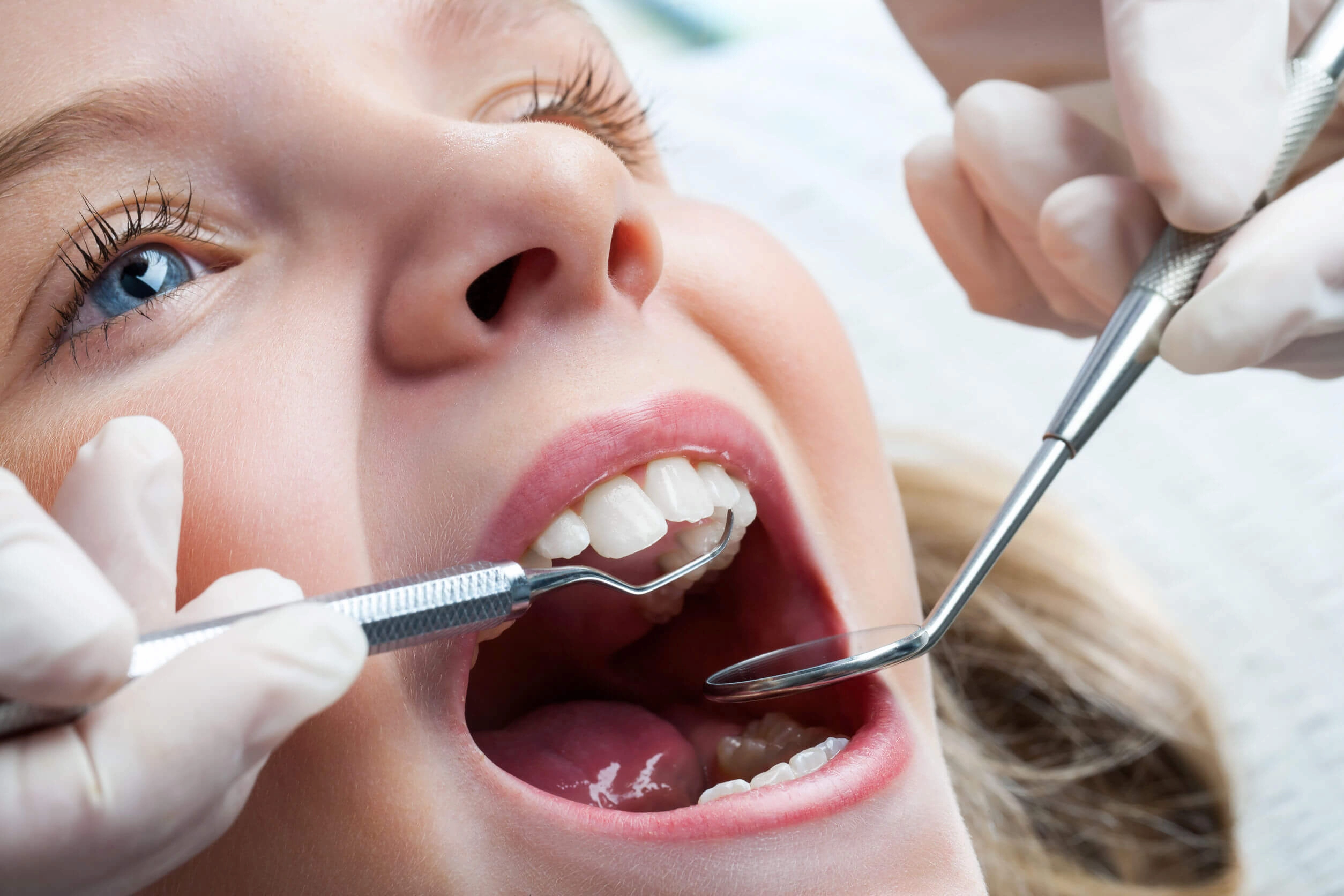
Routine vs. Deep Cleaning
Routine care clears buildup above and near the gums. Understanding the difference between teeth scaling vs. cleaning can help parents see why deep cleaning treats disease below the gums and is rare in young children unless there is a clear gum problem.
Children with braces may need extra care because food can collect around wires and brackets. Professional cleanings help remove these spots and show where brushing their teeth should be improved.
Are Dental Cleanings Safe for Kids?
Routine care is safe when a trained provider adjusts the visit to the child’s age, health, and comfort. The team should explain each step, use the right tools, and stop when the child needs a break.
Most children do not feel pain. Mild pressure, soreness, or light gum bleeding may happen if tartar is present or the gums are swollen.
How to Prepare Your Child
Tell your child that the dentist will count, brush, and check their teeth. Avoid words such as “needle,” “pain,” or “drill,” and do not promise that nothing will feel strange.
Choose a time when your child is rested and has eaten. A book, a pretend dental visit, or a small toy may help them feel comfortable.
Tell the office about strong fears, past bad visits, or sensory needs. This helps the pediatric dental team plan the right approach.
What to Expect Afterward
The dental team will tell you when your child can eat after fluoride because instructions may vary. Mild soreness or slight gum bleeding may occur if the gums are already tender.
Call a dentist if pain is severe, swelling starts, bleeding does not stop, or pain affects sleep or eating. Dark spots, bad breath, visible buildup, and red or swollen gums should also be checked.

Supporting Healthy Teeth at Home
Children need help until they can brush all tooth surfaces well. Use a rice-sized amount of fluoride toothpaste for children under three and a pea-sized amount from ages three to six.
Start flossing when two teeth touch. Timers, brushing charts, and plaque tablets can help, but they do not replace brushing, flossing, or professional cleanings.
Good home habits and regular visits work together to support a healthy smile. Parents can also ask for tips that match the child’s age and risk level.
Schedule Your Child’s Dental Visit
At Smile Lab, Dr. Waise Ebrahimi uses a preventive, careful approach to protect natural tooth structure. The team provides clear guidance to families seeking simple, personal dental care in Manhattan.
When you are ready to learn what your child needs, Schedule Your Visit for an exam and care plan.