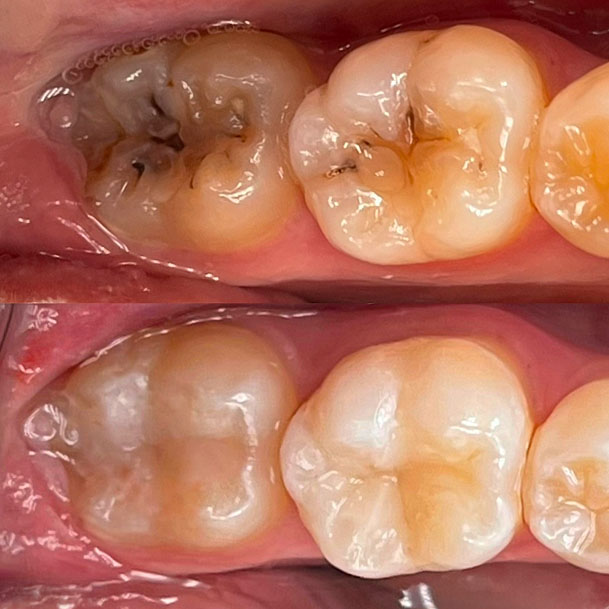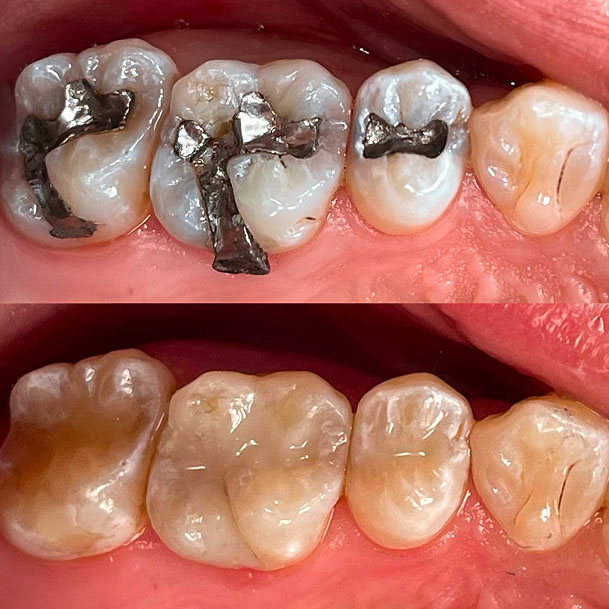
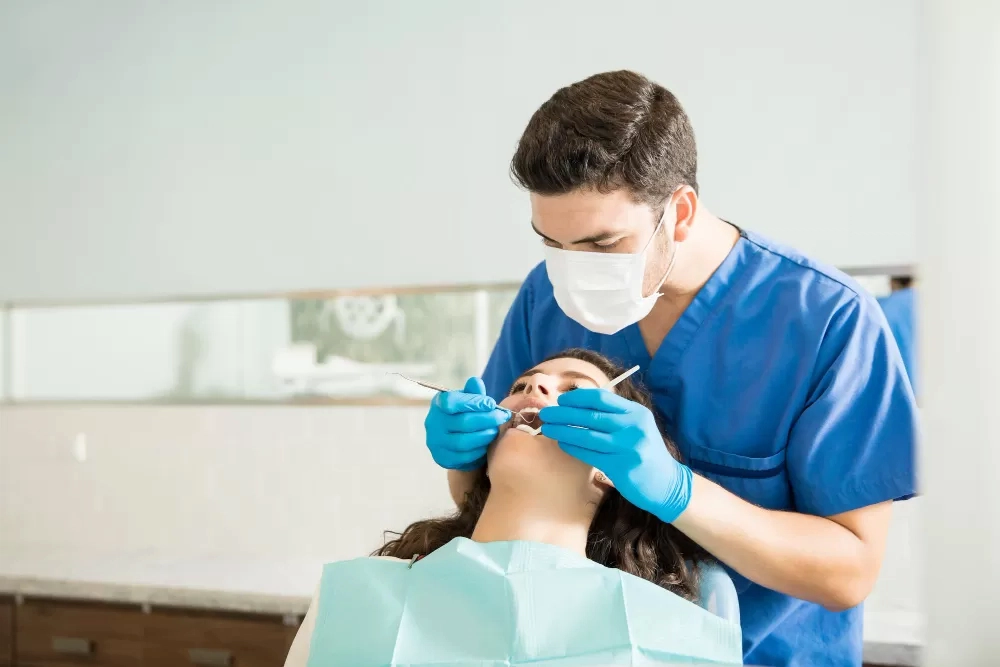
A dental hygienist also checks for changes such as bleeding gums, decay, or signs that may require a dentist’s evaluation. At Smile Lab in Union Square, patients receive a clear explanation of the cleaning process, recommended care, and expected cost.
Key Takeaways
- A professional dental cleaning usually takes 45 to 60 minutes and includes an exam, a gum check, plaque and tartar removal, polishing, flossing, and sometimes fluoride treatment.
- A dental hygienist removes buildup from areas that brushing and flossing at home cannot fully clean, especially around the gum line.
- Routine care supports oral hygiene, helps prevent cavities and gingivitis, and can improve bad breath caused by plaque or tartar.
- Some soreness or sensitivity can occur after cleaning, especially if the gums are inflamed or the buildup is heavy, but it usually fades quickly.
- Cost depends on the type of visit, X-rays, fluoride, and whether you need a regular visit or deeper gum care.
What Happens during Teeth Cleaning?
A teeth cleaning procedure follows a clear order. The dentist or hygienist reviews your health history, checks your gums, and may recommend low-radiation digital X-rays when they need a clearer view. Then the hygienist begins the cleaning process by removing plaque and hardened deposits from your teeth and around the gum line.
Plaque is a soft, sticky film that builds up daily. Tartar is hardened plaque that needs professional tools to remove. After scaling, the hygienist polishes the enamel and may finish by applying fluoride for added cavity protection.
Dental Hygienist Cleaning Teeth Methods
Professional teeth cleaning uses clinical methods that remove buildup, smooth enamel, and support better oral hygiene. The main methods include:
- Scaling removes plaque and tartar from the surfaces of your teeth and around the gum line, sometimes with an ultrasonic teeth cleaner when buildup is heavier.
- Polishing smooths the enamel and removes light surface stains after buildup is removed. For another approach to soft buildup and surface stains, Airflow teeth cleaning may also be worth understanding.
- Flossing removes loosened debris between teeth and checks how tight the contact areas feel.
- Applying fluoride may help protect your enamel when you are at higher risk of cavities or sensitivity.
The visit also provides practical guidance on brushing and flossing at home.
Routine Cleaning vs. Deep Cleaning
A regular dental cleaning is often called prophylaxis. It cleans above the gums and helps maintain oral health. A deep treatment cleans below the gums when inflammation, deeper pockets, or gum disease need more focused care.
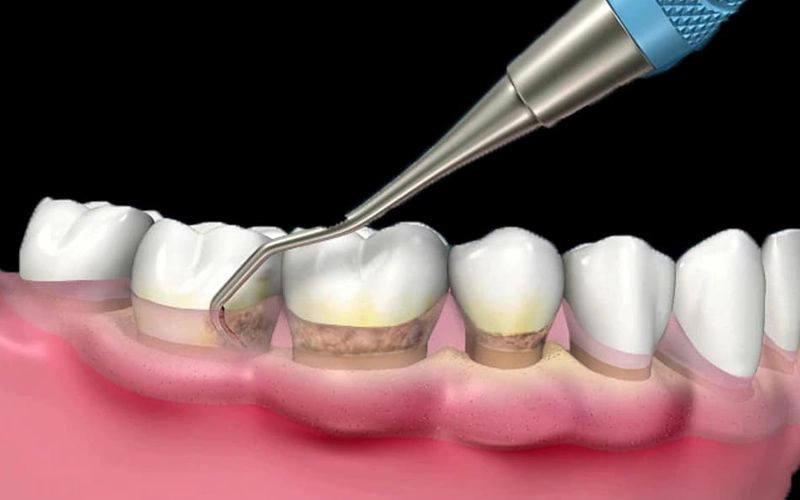
Professional cleanings are part of preventive dental care because your oral health can affect your comfort, confidence, and overall health. Your ideal schedule depends on your gums, buildup, cavity risk, and how often you should get your teeth cleaned.
Deep cleaning may require more than one visit when gum pockets are deep, buildup is heavy, or specific areas of the mouth need focused care.
Benefits, Discomfort, and Cost
Cleanings are good for most people because they reduce buildup, support gum health, and make daily care easier. Benefits include fresher breath, smoother enamel, less plaque, and better gum monitoring. They can also help gingivitis and bad breath when plaque, tartar, or bacteria near the gums are part of the problem.
The main downside is temporary soreness or sensitivity after cleaning, especially if your gums are inflamed or your enamel is sensitive. You should feel pressure, not sharp pain, and you can ask for pauses or comfort options during the visit.
At Smile Lab, a New Patient Exam & Cleaning costs $250. The office is in-network with most major PPO plans, and Medicaid and HealthFirst are accepted. Patients who cannot pay upfront can apply for a payment plan through Cherry, with 0% financing available.
When the Dentist Steps In
The hygienist handles prevention, buildup removal, polishing, gum measurements, and home-care coaching. The dentist steps in during a dental exam and teeth cleaning when the exam shows cavities, cracked enamel, gum concerns, pain, or changes that need diagnosis.
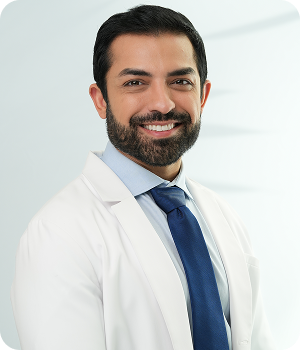
Dr. Waise Ebrahimi uses a conservative approach that focuses on preserving natural tooth structure while supporting whole-body wellness. That matters when a routine visit reveals a small issue that needs a clear next step.
Schedule Your Visit at Smile Lab
If you want a clear explanation of what your mouth needs, schedule your visit and see if Smile Lab is the right fit for you.