A quick search for teeth whitening shows warnings about enamel damage and chemical burns. It also promises a much brighter smile after one visit. Somewhere between the fear and the marketing sits the real answer, and it’s more straightforward than either extreme makes it sound. Once you know what happens inside your enamel during treatment, it’s easier to judge if it’s safe.
Key Takeaways
- Teeth whitening is safe for most people when done as directed, and the bleaching agents used target surface stains rather than the underlying tooth structure.
- The most common side effects, tooth sensitivity and gum irritation, are temporary and usually resolve within a few days after stopping treatment.
- In-office whitening uses higher concentrations under a dentist’s supervision for faster results, while at-home kits use gentler formulas that work more gradually.
- Pregnant or breastfeeding patients, children, and anyone with active cavities or gum disease should consult a dentist before undergoing whitening.
- Crowns, fillings, and veneers don’t whiten the same way natural enamel does, so existing dental work is worth mentioning before starting any treatment.
Yes, Teeth Whitening Is Safe When Done Right
Teeth whitening is safe and effective for most people, and dentists have been offering it for decades without any pattern of lasting damage. The active ingredient in most bleaching agents, usually hydrogen peroxide or carbamide peroxide, breaks down the stain compounds sitting on your enamel rather than eating into the tooth itself. That’s the part people miss when they ask if bleaching your teeth is bad: the process targets the stain, not the structure underneath it.
Some people notice mild sensitivity or a bit of gum irritation in the first day or two. That’s a normal, temporary reaction, not a sign that something went wrong. If you’ve been putting off whitening because of a bad experience with an old drugstore kit or a secondhand story, it’s worth revisiting with better information and, ideally, a dentist who can tell you what’s actually going on with your teeth.
Does Teeth Whitening Actually Work?
So does teeth whitening work? It does, particularly if your staining comes from everyday habits like coffee, tea, or a glass of red wine with dinner. Whether whitening works well for you depends on two things: the method you choose and what’s actually causing the discoloration beneath the surface. Professional treatments generally move faster than anything you’d pick up over the counter.
What Causes Teeth to Stain
Your teeth naturally reflect light, and over time, darker compounds called chromogens build up on your enamel and change how that light bounces back. That buildup is what makes teeth look dull, yellow, or discolored. Extrinsic stains sit on the surface and come from foods and drinks like coffee, tea, and red wine, as well as tobacco. Intrinsic stains form within the tooth itself, often due to aging, certain medications, or a prior injury.
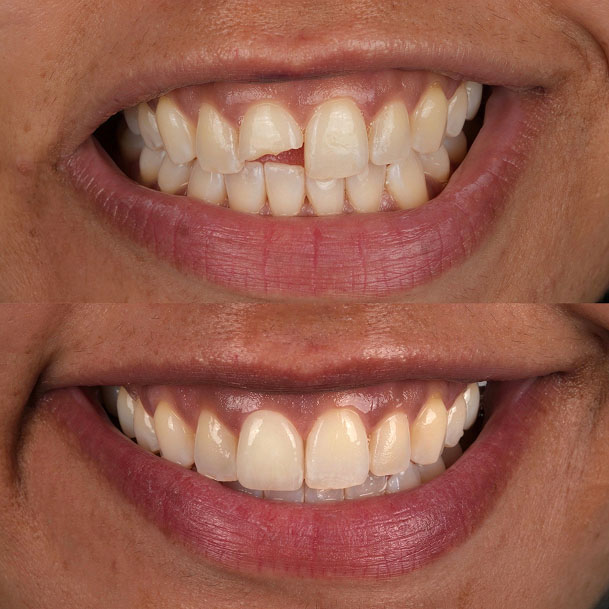
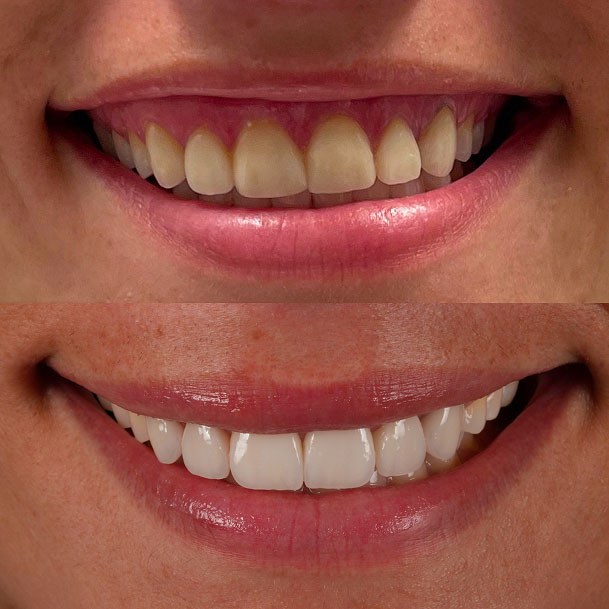
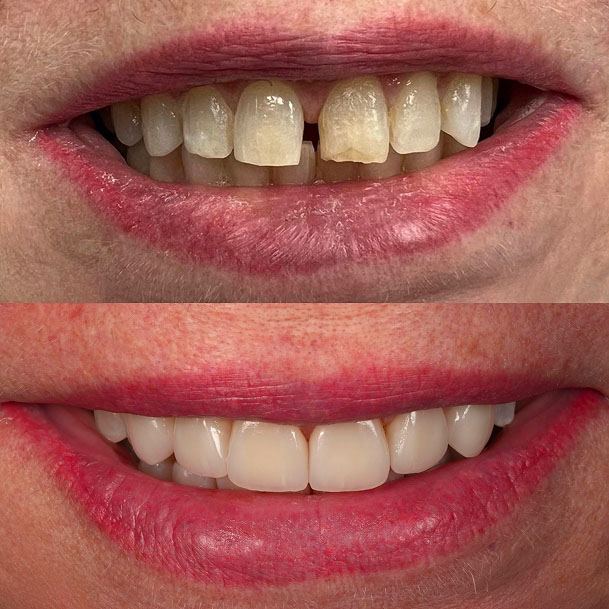
This distinction actually matters for your results. Whitening agents work by breaking chromogens into smaller, lighter-colored pieces, which is effective on extrinsic stains. Intrinsic stains typically don’t respond the same way, and something like bonding or porcelain veneers may be a better fit.
Can Yellow Teeth Become White Again?
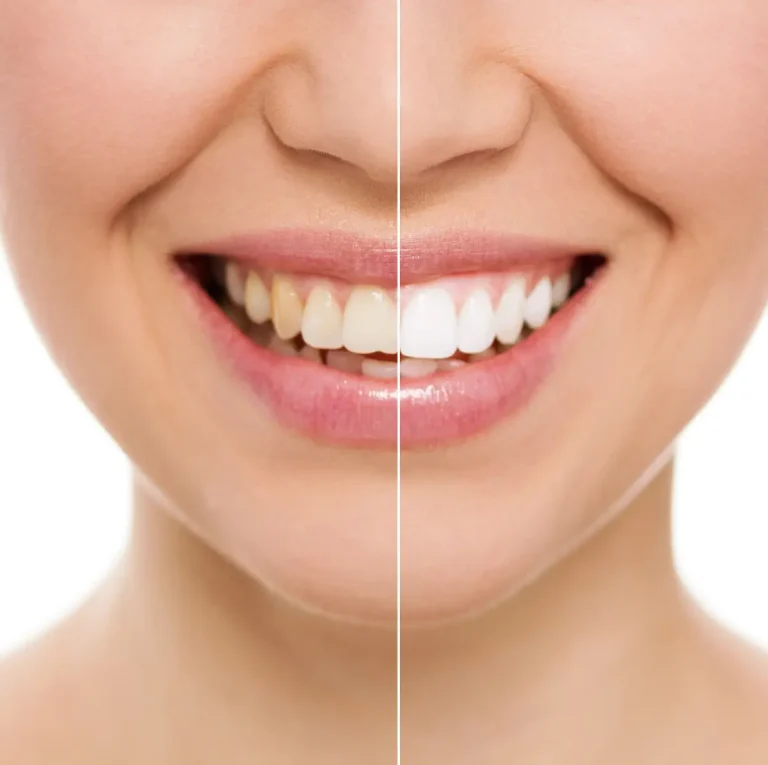
Yes, often more dramatically than people expect. Whitening breaks down the compounds responsible for the yellow cast, and most people see a visible difference within 1 to 2 weeks with at-home teeth whitening products.
Gel-filled trays tend to work fastest of the at-home options, with some peer-reviewed research on whitening methods showing visible results in as little as a few days.
In-office treatments can lighten teeth in a single session, since they use a higher concentration of the bleaching agent under supervision. How much whiter you’ll get still depends on your starting shade and what’s causing the staining in the first place.
Is Teeth Whitening Bad for Your Teeth?
No, not when you use it as directed. The side effects people worry about are almost always temporary and tend to result from overuse or misuse rather than from the whitening itself. This is where working with a dentist pays off: they can match you with the right product and schedule instead of leaving you to guess.
Tooth Sensitivity and Gum Irritation
Tooth sensitivity is the side effect most people actually run into. The whitening agent can irritate the nerves inside your teeth for a short stretch, which is uncomfortable even though it’s harmless. Gum irritation happens for a separate reason, usually because the gel touched your gums instead of staying on your teeth.
Less commonly, people notice an uneven whitening effect, especially if they have crowns, veneers, or fillings that don’t lighten the same way natural enamel does. Both sensitivity and gum irritation tend to clear up within a few days once you stop treatment. A few ways to reduce the odds of any of this:
- Choose a lower-concentration product if you already know you have sensitive teeth, and mention it at your next cleaning for sensitive teeth so your provider can adjust
- Space out your sessions instead of whitening every single day
- Stick to a well-fitted tray or strip so gel doesn’t spread onto your gums
- Pause treatment for a day or two if sensitivity shows up, then resume at a slower pace
Is It Safe for Enamel, Crowns, and Fillings?
Your natural enamel handles whitening well. The bleaching agent moves through your enamel to reach the dentin layer underneath, does its job breaking down stain compounds, and your saliva rehydrates everything afterward. It’s a more controlled process than “bleaching” tends to sound like.
Some laboratory research has looked at whether aggressive bleaching can affect enamel microstructure over time. However, that work has generally been done in controlled lab settings rather than on living teeth in day-to-day practice.
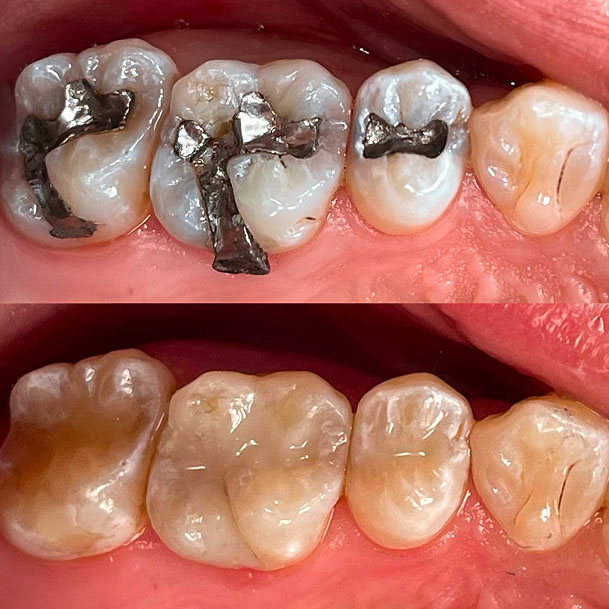
Dental crowns, fillings, and veneers are a separate concern: they’re made of materials that don’t respond to whitening the way your natural teeth do, which can leave them looking noticeably different from the rest of your smile after treatment. If you’ve got visible dental work in your smile line, mention it before you start any whitening plan.
Professional Teeth Whitening Safety vs. At-Home Kits
Both routes are safe when you follow the guidelines that come with them. Professional teeth whitening safety comes largely from supervision, since a dentist controls the concentration and protects your gums during the process. At-home kits use gentler formulas, which means more convenience but a slower path to results. Which one makes sense for you depends on your budget, your timeline, and how quickly you actually want to see a difference.
Do Dentists Recommend Professional Teeth Whitening?
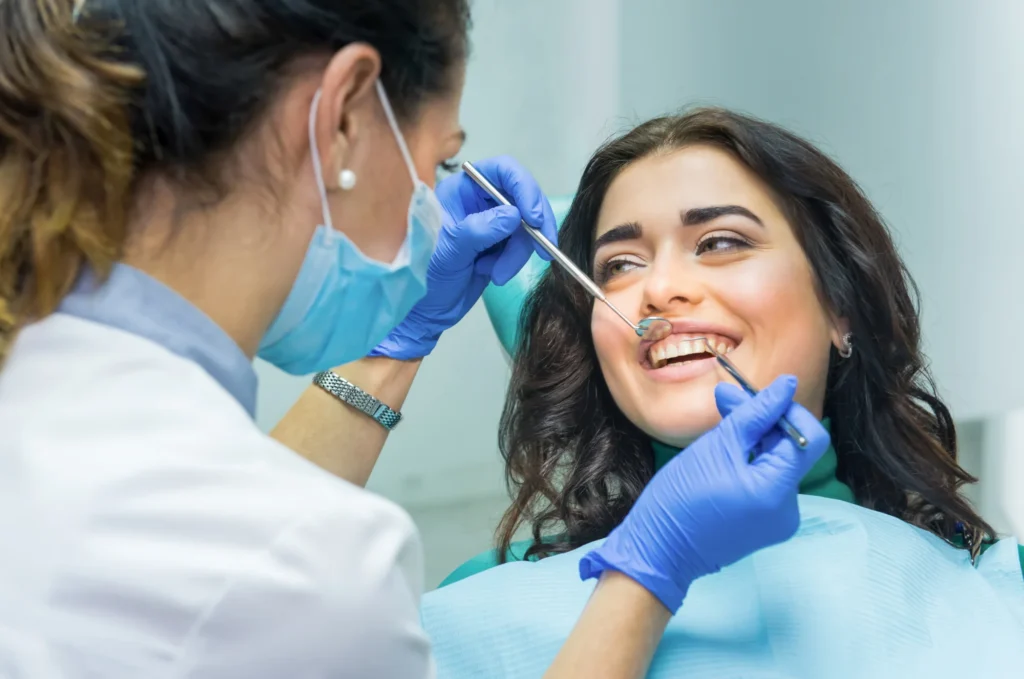
Many do, mainly because the results are faster and more predictable under supervision. Before anything starts, a dentist checks your teeth and gums for problems that whitening could make worse, something that’s easy to miss on your own.
This is where a practice with the right diagnostic tools has an advantage: at Smile Lab, Dr. Waise Ebrahimi uses low-radiation digital imaging to check for decay or gum issues before recommending any cosmetic treatment, which aligns with the conservative, preserve-the-tooth-structure approach he trained in at UCSF’s dental program.
In-office teeth whitening treatments also use higher concentrations of bleaching agents, and some visits pair the gel with a blue LED light to speed up the reaction, which is why you can often see visible change after a single session rather than waiting weeks. For a Manhattan schedule where a two-week strip routine competes with everything else on your calendar, that speed is often the deciding factor.
Is Teeth Whitening Safe at Home?
Yes, as long as you choose ADA-approved products and actually follow the instructions. Whitening strips, trays, and whitening toothpaste all fall into this category and rely on lower concentrations than you’d get at an office visit. That’s the tradeoff: gentler on your teeth, but slower to show results. Skipping the instructions or overdoing it is where sensitivity and irritation tend to creep in, and with strips that often comes down to whether you brush before applying them.
Who Should Avoid Teeth Whitening
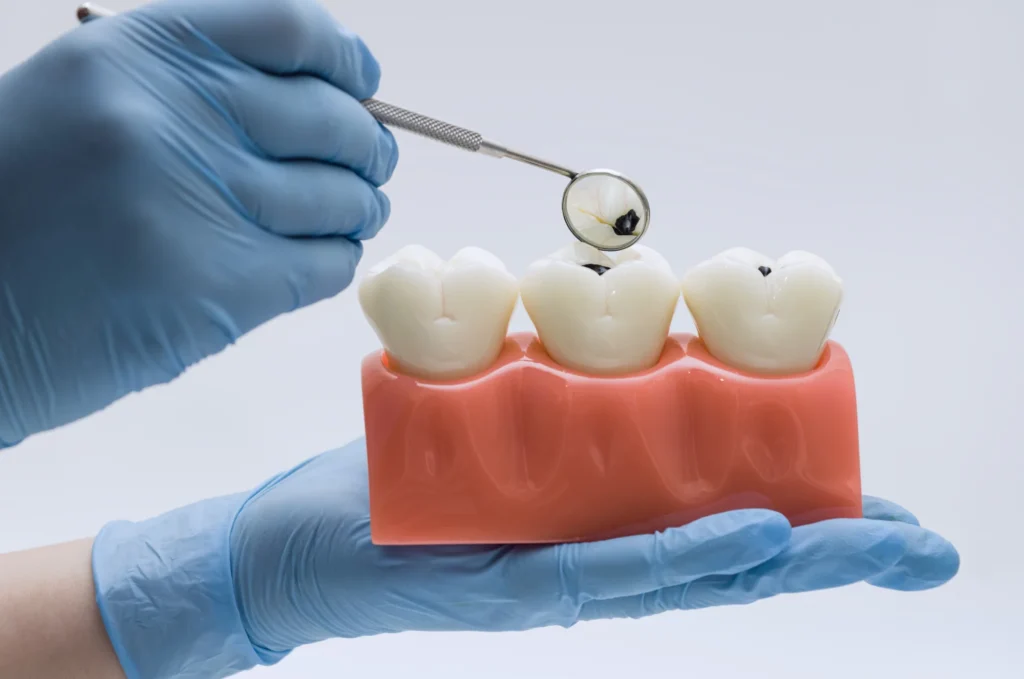
A few groups should check with a dentist before using bleaching products or starting whitening on their own. That includes anyone with active cavities, gum disease, or already sensitive teeth. Children, along with pregnant or breastfeeding patients, also fall into this category, for reasons worth walking through separately.
Pregnancy and Breastfeeding
There isn’t much research on whitening during pregnancy or while breastfeeding, and that gap matters more than people assume. Hormonal changes during this time already make gums more prone to sensitivity and inflammation. Because of that, most dentists suggest waiting until afterward, a short delay that avoids adding unnecessary strain during a period when your body is already managing a lot.
Whitening for Teens and Kids
Kids and teens shouldn’t whiten their teeth without a dentist weighing in first. Even when a teen’s teeth look fully grown, the internal structure can still be developing well past what’s visible. A dentist can determine whether a teen’s teeth are actually ready, which protects developing tooth structure from bleaching agents it doesn’t need yet.
The Healthiest Way to Whiten Your Teeth
The healthiest way to whiten your teeth starts with a consultation, not a drugstore aisle. A dentist checks for cavities or gum disease first, then points you toward a method suited to your teeth and your goals, rather than whatever’s on sale. From there, the healthiest habit is simple: follow the instructions and resist the urge to speed things up.
Good oral hygiene before and after treatment also plays a bigger role than most people expect. A few habits that make a real difference:
- Brush and floss consistently in the weeks leading up to treatment, since healthier gums respond better to whitening
- Cut back on foods and drinks like coffee, tea, and red wine right after treatment, when your teeth are more porous
- Use a straw for staining drinks once you’re back to your normal routine
- Keep up with regular teeth cleanings, since plaque buildup can dull results even after successful whitening
Choosing an ADA-Approved Product
Look for the ADA Seal of Acceptance before buying any over-the-counter whitening products. That seal, backed by the American Dental Association, means the product passed independent testing for both safety and effectiveness rather than just making claims on the box. ADA-approved tooth whitening products also meet strict standards for bleaching agent concentration, which lowers your risk of side effects later.
When to See a Dentist Before Whitening
See a dentist before starting any whitening treatment, even an at-home one. They’ll check for cavities, gum disease, or anything else whitening might aggravate, and help you pin down what’s actually causing your staining in the first place. That one visit does two things at once: it confirms your teeth are healthy enough to whiten, and it points you toward the option that’ll actually work for your teeth specifically.
At Smile Lab in Union Square, that first conversation is usually a quick one, and it’s the kind of step that saves you from guessing your way through a whitening kit that isn’t right for your teeth. If brightening your smile has been on your list for a while, a short consultation is a low-pressure way to find out what’s actually possible for you.