Key Takeaways
- Loose baby teeth usually fall out naturally. Gentle wiggling is acceptable, but forcing removal can damage the gums.
- Permanent teeth require professional care. Trying to extract them at home can cause bleeding, infection, and damage to surrounding tissue.
- Professional extraction typically involves local anesthesia to prevent sharp pain. A dentist chooses the appropriate method after examining the tooth.
- Proper aftercare supports recovery. Protect the blood clot, eat soft foods, and avoid activities that could disturb the healing area.
- Persistent pain, swelling, or a loose adult tooth requires dental evaluation. Early treatment may help preserve the natural tooth.
Can You Pull Out a Tooth Yourself?
Home removal is generally appropriate only when a baby tooth is extremely loose and nearly ready to fall out naturally. A firm, painful, damaged, or injured tooth needs professional evaluation, regardless of age.
Can You Pull Out a Loose Baby Tooth?
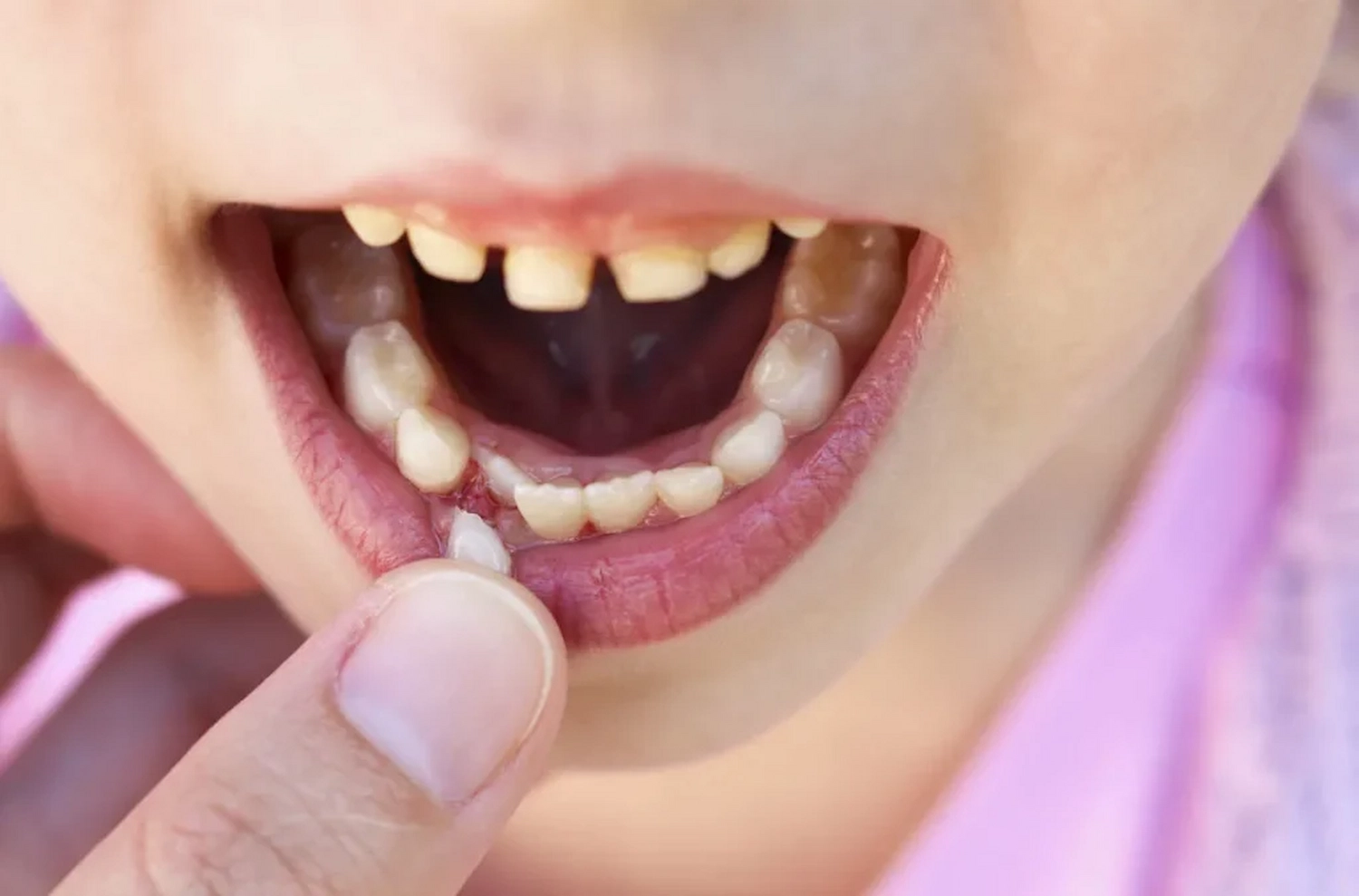
Baby teeth loosen as their roots gradually dissolve and permanent teeth develop underneath. When a tooth is loose and ready, normal eating, brushing, or gentle wiggling may help it fall out.
Parents should let the process happen naturally, even when their child is excited about a visit from the tooth fairy.
Why You Shouldn’t Pull an Adult Tooth
Permanent teeth have strong roots anchored in the jawbone. Pulling one without proper instruments and anesthesia can break roots, injure the gums, or cause significant bleeding.
A loose adult tooth may result from gum disease, trauma, or infection. Removing it without identifying the cause could mean losing a tooth that might otherwise be saved.
How to Remove a Loose Baby Tooth
The safest method is patience combined with gentle movement. Children can wiggle a loose tooth with clean fingers or their tongue, but they should never force it.
How to Tell if a Tooth Is Ready
A baby tooth is usually ready when it moves freely and causes little or no discomfort.
Look for these signs:
- The tooth moves easily in several directions.
- Gentle wiggling causes little or no pain.
- The tooth appears barely attached to the gum line.
If it feels firmly attached or hurts, stop and give it more time. A dentist can check for persistent discomfort or unusual looseness.
How to Remove a Baby Tooth Without Pain
Encourage gentle wiggling with clean fingers or the tongue. If the tooth is barely attached, clean gauze can provide a comfortable grip, but avoid twisting or pulling against resistance.
Once it falls out, apply gentle pressure with clean gauze if bleeding occurs. Never use string, pliers, or household tools to speed up removal.
How to Extract a Tooth Professionally
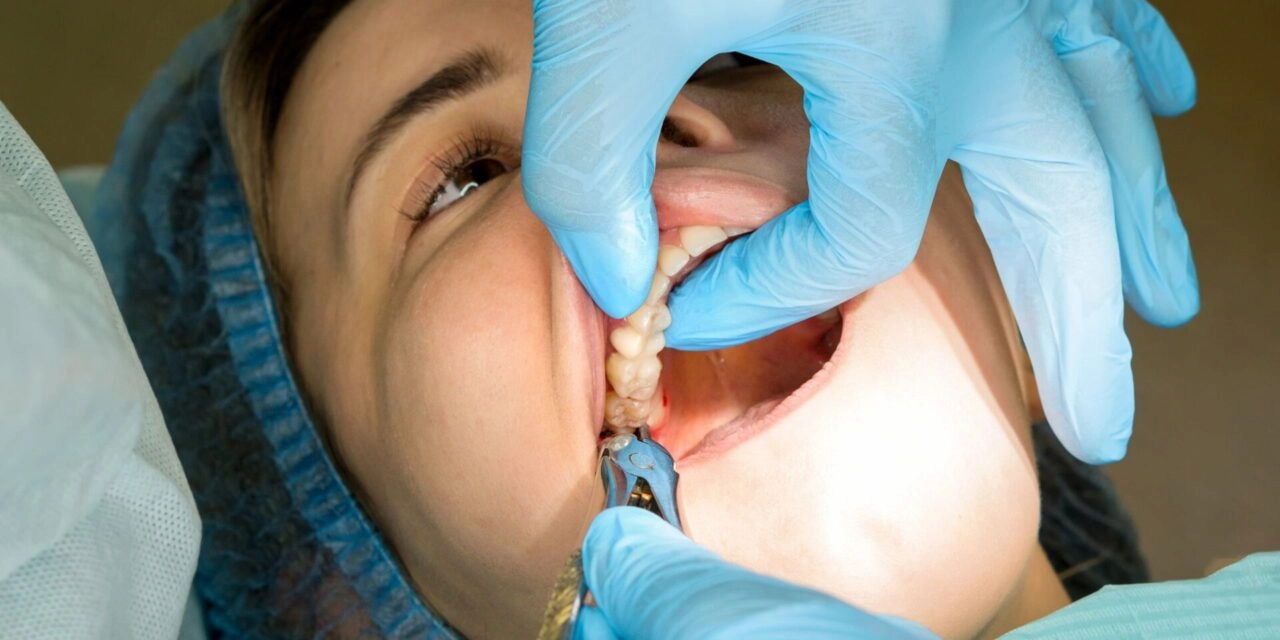
When extraction is necessary, a dentist examines the tooth, gums, and surrounding bone. Dental X-rays help assess root position, infection, and whether another treatment could preserve the tooth.
The Tooth Extraction Process
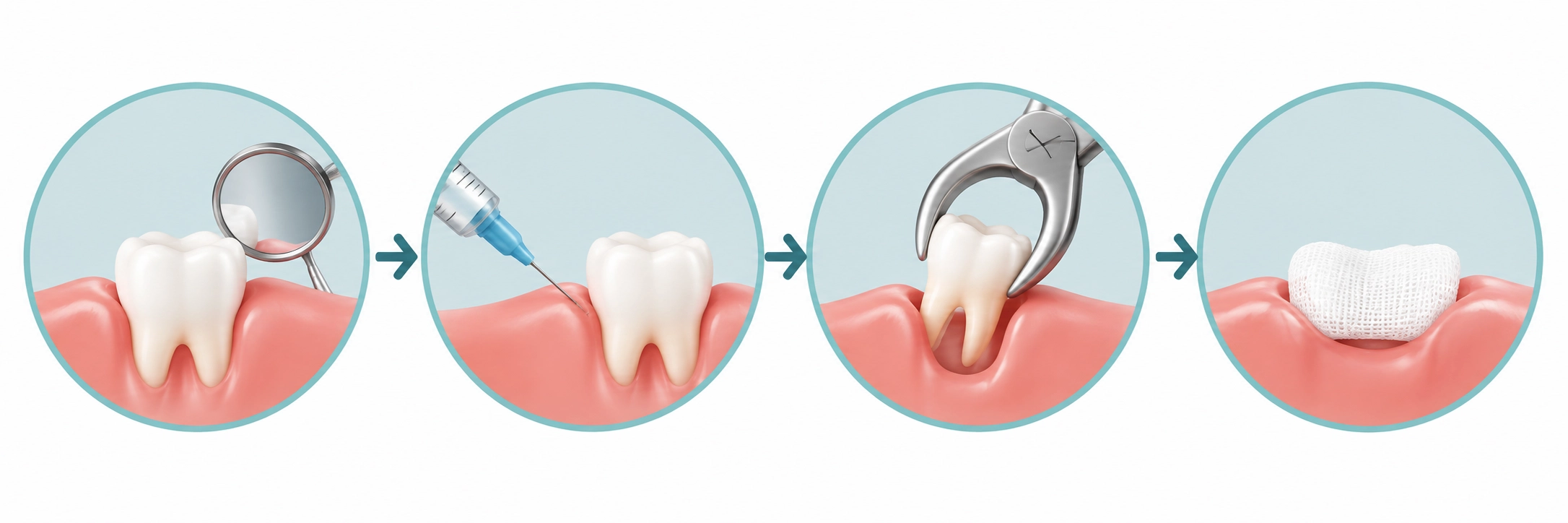
Professional extraction generally involves four steps:
- Examination: The dentist evaluates the tooth and reviews treatment options.
- Anesthesia: Local anesthetic numbs the area before removal.
- Extraction: Dental instruments loosen and remove the tooth.
- Aftercare: Gauze controls bleeding while healing begins.
Complex cases may require an oral and maxillofacial surgeon, particularly when teeth are deeply impacted or difficult to access.
Simple vs. Surgical Tooth Extraction
A simple extraction removes a visible tooth using specialized instruments. Surgical extraction may involve a small gum incision or removing surrounding bone to reach the tooth.
Your dentist recommends the appropriate procedure based on the tooth’s condition and position.
How Painful Is Tooth Extraction?
Local anesthesia blocks sharp pain during extraction, although pressure and movement are common sensations. Temporary soreness may develop after the anesthetic wears off.
Tell your dentist immediately if you experience sharp pain during treatment so they can check the anesthesia before proceeding.
What to Do After Tooth Removal
Recovery depends on the procedure, your health, and how well you follow aftercare instructions. Protecting the extraction site during the first few days helps the tissue heal.
How to Stop Bleeding and Reduce Pain
Bite gently on clean gauze as directed to manage bleeding. Apply an ice pack wrapped in a towel to your cheek to help control swelling.
Eat soft foods, stay hydrated, and use recommended pain medication. For meal ideas during recovery, explore these 50 soft foods to eat after tooth extraction. Avoid touching or disturbing the healing socket.
Tooth Extraction Healing Stages
Healing generally follows this timeline after professional extraction, although tooth extraction healing time varies depending on the procedure and your health.
| Recovery Period | What to Expect |
|---|---|
| First 24 Hours | A protective blood clot forms, and minor bleeding may occur. |
| Days 2–3 | Swelling and tenderness may reach their peak. |
| Days 4–7 | Pain and swelling usually begin improving. |
| Following Weeks | Gums continue closing, while deeper tissues heal gradually. |
Healing times vary. If the clot becomes dislodged or fails to develop properly, dry socket can cause significant pain and requires dental treatment.
What to Avoid During Recovery
Avoid smoking, drinking through straws, vigorous rinsing, and strenuous activity during the initial recovery period. These actions may disturb the protective clot.
Follow your dentist’s instructions about brushing, eating, and returning to normal activities. Knowing how to approach cleaning teeth after extraction can help you maintain oral hygiene without disturbing the healing area.
When Should You See a Dentist?
Schedule an examination if you experience persistent pain, swelling, unusual looseness, or bleeding that does not improve. Fever, worsening swelling, or severe discomfort also require prompt evaluation.
A permanent tooth knocked out by an injury needs immediate emergency dental care. Do not attempt to extract a tooth that remains attached.
Can a Loose Adult Tooth Be Saved?
Sometimes. Treatment depends on the cause, severity of movement, and condition of the supporting bone and gums.
Options may include treating gum disease, stabilizing the tooth, or addressing an infection. Early evaluation can improve the chances of preserving natural teeth.
Get Help with a Problem Tooth
At Smile Lab in Union Square, Manhattan, Dr. Waise Ebrahimi, DDS, follows a conservative approach focused on preserving natural teeth whenever possible. An examination can help determine whether treatment or extraction is the better option.
If you’re unsure about a loose or painful tooth, schedule a consultation to discuss your options and decide on next steps.