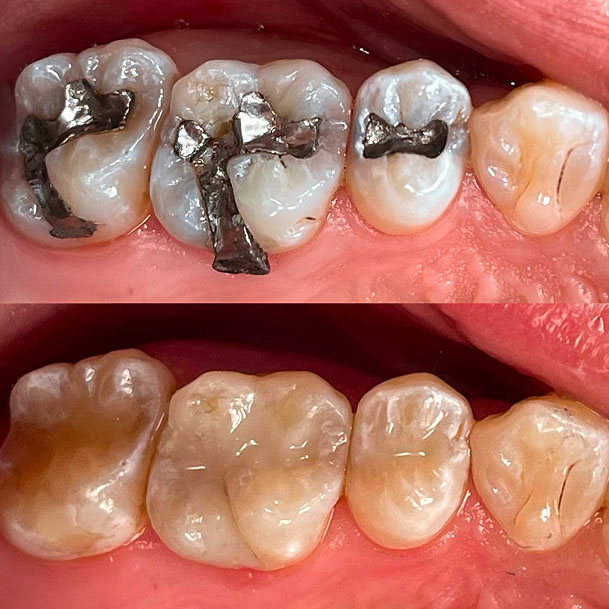
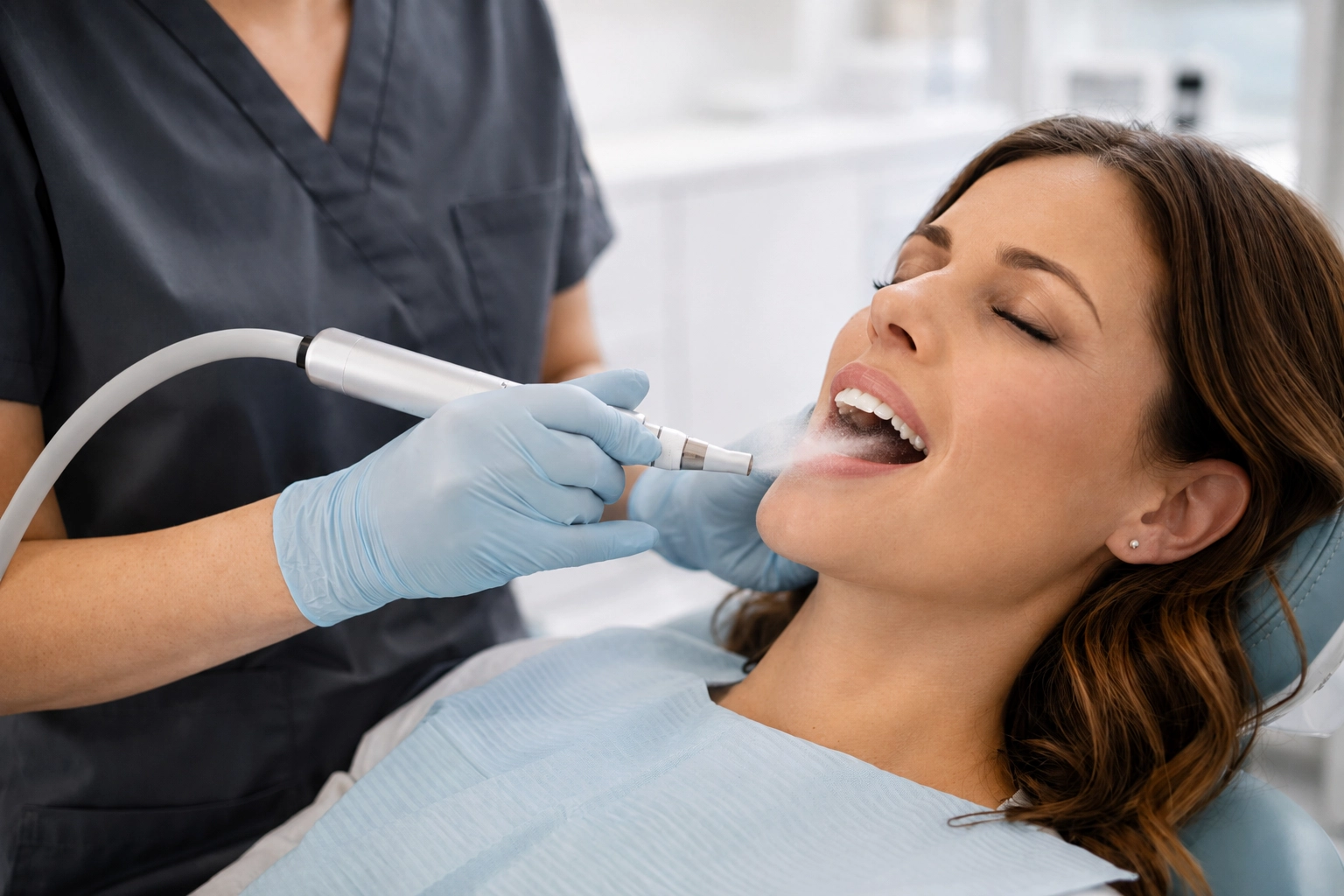
The treatment does not rely on pressure alone. It combines mechanical movement, irrigation, and professional technique to reach the gumline and other areas that are difficult to manage with a toothbrush. At Smile Lab, the approach is selected after an examination so it matches the patient’s gum health, restorations, sensitivity, and level of buildup.
Key Takeaways
- The “water tool” used during professional cleanings is usually a powered scaler that combines rapid vibrations with a cooling stream to loosen and flush away hardened deposits.
- Pressure alone does not remove tartar. The vibrating tip performs the main work, while the spray cools the instrument and clears debris.
- Powered scaling is generally safe and effective when used by a trained dental professional, although sensitivity, restorations, gum condition, and medical history can affect the technique.
- Dentists often combine mechanical scaling with hand instruments because each method offers different advantages for speed, precision, and access around the gumline.
- Home irrigators can support daily oral hygiene, but they cannot replace professional tartar removal or a dental examination.
What Is the Water Cleaning Tool?
The device is usually a powered scaler, although some practices also use an AIRFLOW® teeth cleaning system for soft biofilm and surface stains. Dental hygienists use it to loosen hardened deposits from enamel and around the gumline. It may look like the provider is cleaning teeth with a water jet, but the liquid is only one part of the treatment.
Powered Scaling With a Water Jet
The instrument has a narrow metal tip that moves thousands of times per second. The tip contacts buildup while a steady spray cools the area and washes away loosened material.
This method removes plaque and tartar more effectively than pressure alone. A dental professional may then use hand tools to inspect smaller spaces and clear anything that remains.
How Does the Device Work?
The system combines rapid movement, controlled contact, and irrigation. These elements work together during routine dental cleanings and periodontal care.
Vibrations Break Apart Tartar
Tartar, also called dental calculus, is hardened plaque that brushing and flossing cannot remove. The scaler tip moves at a very high frequency and breaks the deposit into smaller pieces.
Irrigation Cools and Flushes Debris
The spray prevents excess heat from building around the moving tip. It also clears loosened particles and helps the clinician see the treatment area.
Can Pressure Alone Remove Tartar?
Pressure can remove loose food and soft debris, but it cannot reliably detach hardened calculus from enamel or root surfaces. The vibration and professional technique perform most of the work.
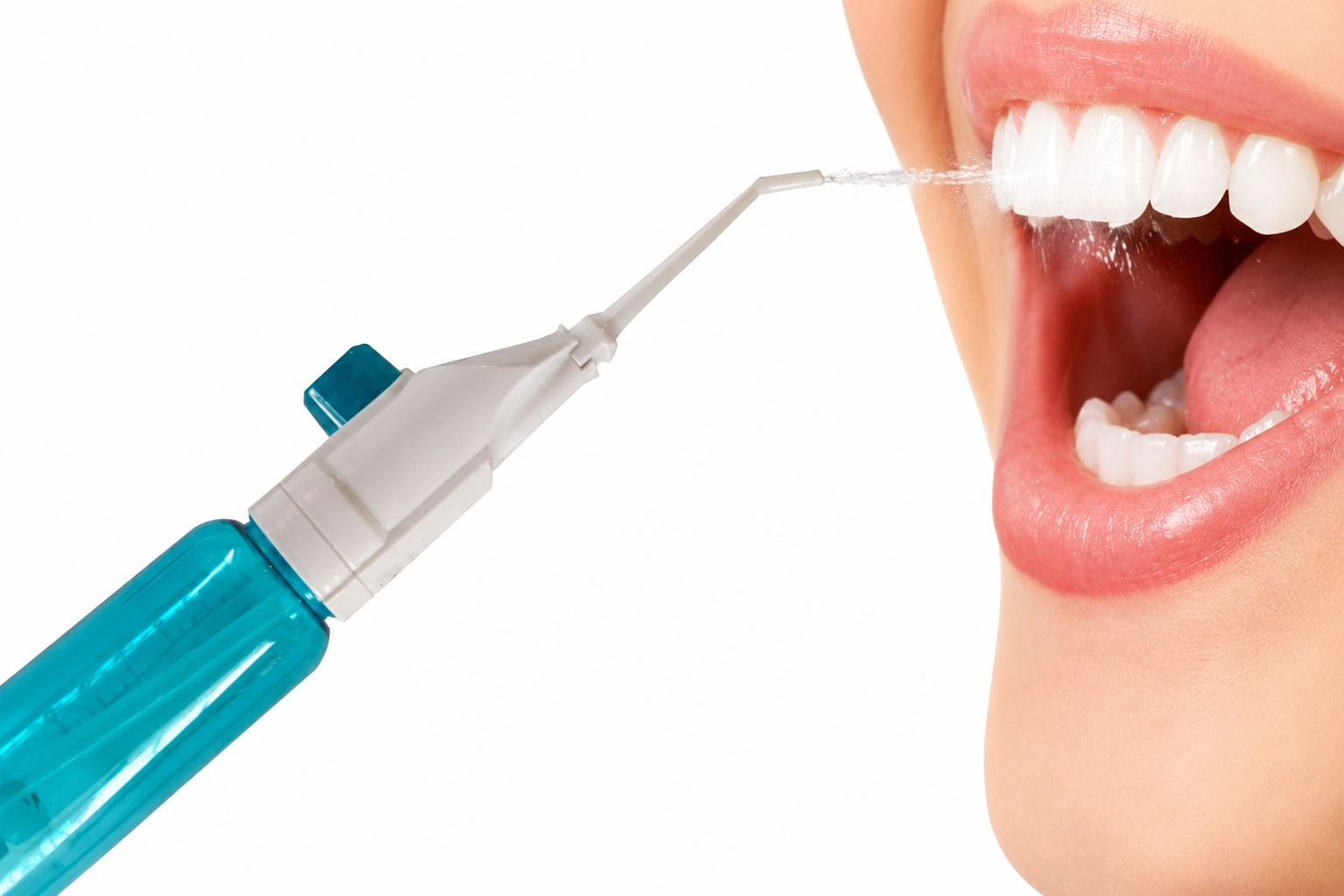
A home irrigator can support oral hygiene between visits, but it does not provide the same treatment as professional scaling.
Is Powered Scaling Good for Teeth?
Yes, it is generally safe and effective when the correct tip, power level, and technique are used. It can remove larger deposits quickly and reach areas near the gums that are difficult to manage at home.
Benefits of Mechanical Scaling
This approach can make treatment more efficient when buildup covers several surfaces. Smaller periodontal tips may also reach beneath the gumline and inside deeper pockets.
The device can support treatment for gingivitis and periodontal disease by reducing calculus and bacterial deposits. Results still depend on proper diagnosis, technique, and consistent home care.
Why Dentists Also Use Hand Tools
Powered and manual teeth cleaning tools serve different purposes. Mechanical scalers work efficiently on broad or heavy deposits, while hand tools provide greater tactile control in smaller areas.
Combining both methods allows the provider to adapt the appointment to the patient’s restorations, gum condition, sensitivity, and buildup.
Is the Procedure Painful?
Most patients feel vibration, pressure, cool liquid, and occasional scraping rather than sharp pain. Discomfort may be more noticeable around exposed roots, inflamed gums, heavy deposits, or sensitive teeth.
Common Sensations and Side Effects
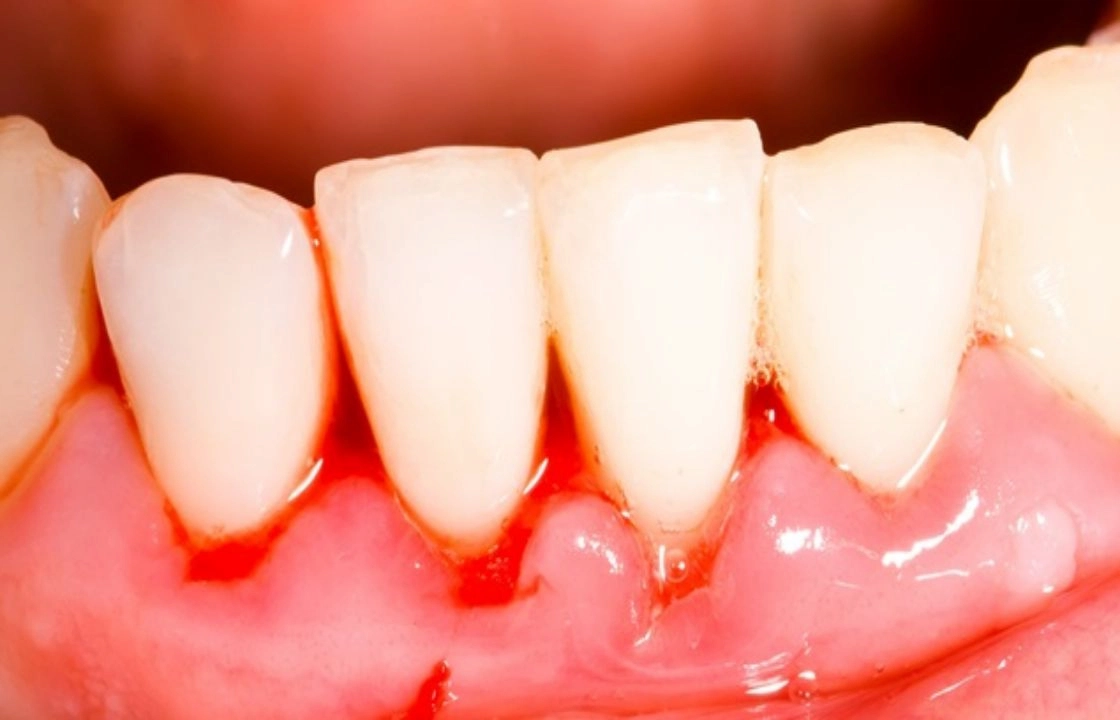
The device creates a buzzing sound, and fluid may collect in the mouth while suction removes it. Mild tenderness, brief temperature sensitivity, or bleeding can occur when the gums are already inflamed.
These effects often improve as the tissue settles. Persistent pain, swelling, or bleeding should be evaluated by a dentist.
How Dentists Reduce Discomfort
The provider can lower the power, change the tip, switch to hand instruments, or apply a numbing product when appropriate. Short breaks can also make the appointment easier.
At Smile Lab, Dr. Waise Ebrahimi follows a preventive and conservative approach focused on preserving natural tooth structure. The technique should fit the patient rather than using the same method for everyone.
When Dentists Use Extra Caution
Additional care may be needed around damaged enamel, exposed roots, implant surfaces, early decay, or certain restorations. Incorrect technique can affect compromised surfaces, which is why an examination matters before treatment.
Patients with implanted cardiac devices should also share their full medical history. The dentist can then determine which instruments and settings are appropriate.
How Cleaning Methods Compare
No single method is best for every mouth. The right choice depends on the type of buildup, gum condition, stain level, restorations, and comfort. In some cases, a dentist may also discuss laser teeth cleaning as an additional option for managing bacteria or supporting periodontal care.
Powered vs. Manual Scaling
Powered scaling uses a vibrating tip and cooling spray. Manual scaling uses hand-held instruments guided across the tooth surface.
Both can remove calculus. Mechanical devices may work faster on heavier deposits, while hand tools provide detailed control.
Scaling vs. Air Polishing
ScalingAir PolishingRemoves hardened plaque and tartarRemoves soft plaque and surface stainsBest for calculus and gum disease treatmentBest for biofilm removal and stain reductionOften used as part of routine or deep cleaningsCommonly used as a finishing step after scaling
These treatments are often used together because they address different types of buildup.
Routine Care vs. Deep Cleaning
A routine visit focuses on plaque, calculus, and stains above the gumline and around shallow spaces. A deep cleaning, also called scaling and root planing, treats deposits below the gums when periodontal pockets or bone loss are present.
Understanding the difference between deep cleaning and regular cleaning for teeth can help you know why a dentist may recommend one approach over the other.
The instrument alone does not determine which treatment you need. Gum measurements, imaging, and a clinical examination guide the decision.
Who Benefits From Powered Scaling?
The method may help people with moderate or heavy calculus, crowded areas, or buildup beneath the gums. It can also reduce the time needed to remove larger deposits.
Heavy Tartar and Gum Pockets
Thick calculus can be difficult to remove one small section at a time. A powered instrument can break it into manageable pieces before the provider completes detailed scaling.
Slimmer tips may also reach inside periodontal pockets as part of treatment for gum disease.
How Much Does Teeth Cleaning Cost?
In Manhattan, a routine dental cleaning without insurance commonly costs about $100 to $400, depending on the practice and whether the visit includes an exam or X-rays. Scaling and root planing generally costs around $235 to $435 per quadrant, with the total depending on how many areas require treatment.
What Affects the Price?
The amount of buildup, gum pocket depth, number of quadrants treated, imaging, anesthesia, and insurance coverage can all affect the final cost. These figures are general estimates because Smile Lab does not currently provide this service.
Can You Use Scaling Tools at Home?
Consumer devices do not match the equipment, visibility, training, or infection controls used in a dental office. Attempting to scrape tartar yourself can damage enamel, gums, or restorations.
Why Water Flossers Cannot Remove Tartar
Water flossers remove food particles and loose plaque by directing a stream of water between the teeth and along the gumline. However, tartar is hardened plaque that is firmly attached to enamel and root surfaces, so water pressure is not strong enough to break it away.
They are an excellent addition to daily oral hygiene, but only professional scaling can safely remove hardened calculus.
What Should You Ask Your Dentist?
Ask which instrument they plan to use, why it fits your needs, and what sensations you can expect. You can also discuss sensitivity, previous negative experiences, gum findings, and ways to make the visit more comfortable.
Smile Lab provides preventive and periodontal care in Union Square for patients balancing dental needs with a busy NYC schedule. When you are ready to understand which approach fits your mouth, Schedule Your Visit.