Key Takeaways
- Same-day emergency dental care can help alleviate pain, identify the underlying cause, and prevent dental problems from worsening.
- A dentist who accepts walk-ins can assist with urgent dental issues, such as a broken or cracked tooth, lost fillings, swelling, severe tooth pain, or a knocked-out tooth.
- Some symptoms require immediate attention, especially facial swelling, uncontrolled bleeding, trauma, or signs of infection.
- An emergency dentist can usually treat the source of dental pain more directly than urgent care or the ER can, unless the symptoms are life-threatening.
- Smile Lab provides emergency dental services in Union Square, with digital imaging, transparent pricing, and care led by Dr. Waise Ebrahimi.
Get Same-Day Dental Relief Today
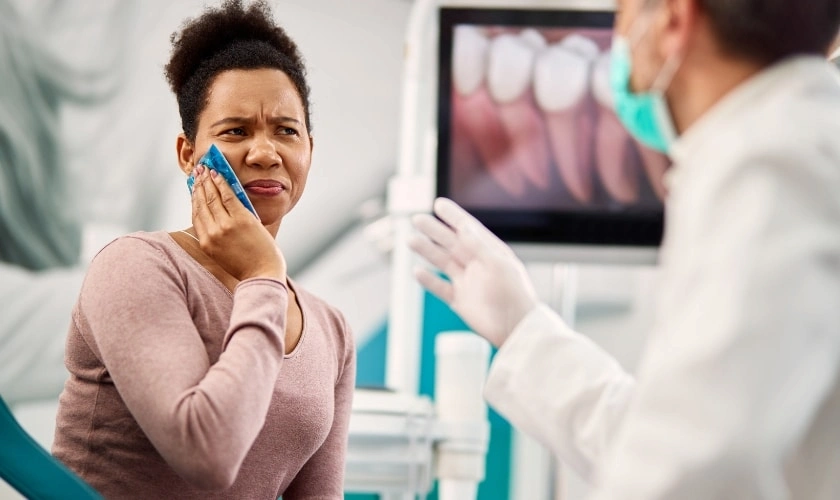
Dental pain can interrupt your workday, sleep, and ability to focus. If you are experiencing a dental emergency, call the dental office first so the team can review your symptoms and confirm whether a walk-in visit, same-day dental appointment, or another urgent care option is available.
Symptoms That Should Be Seen Today
Some dental symptoms should be checked the same day because they can affect comfort, function, or safety. Walk-in dental care can help you get evaluated sooner, relieve pain, and protect your oral health.
- Severe tooth pain that does not improve
- Facial or gum swelling
- Uncontrolled bleeding
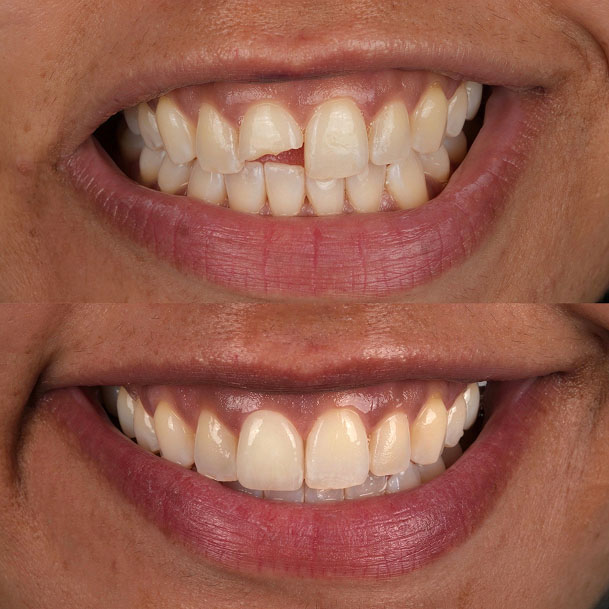
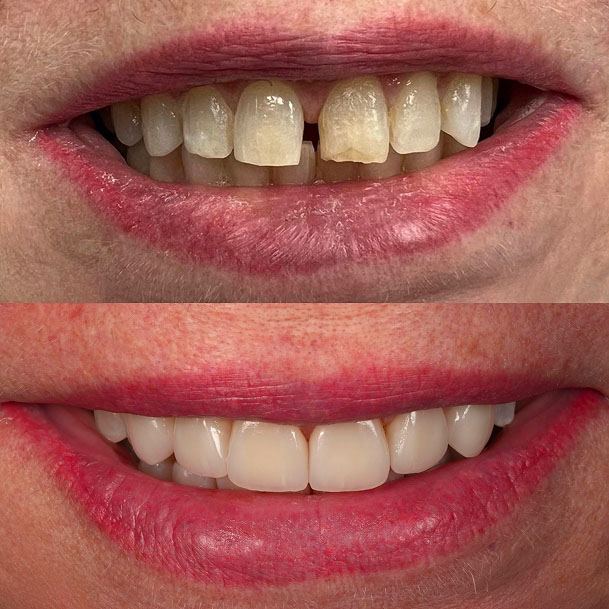
- A broken tooth or a cracked tooth
- A knocked-out tooth
- Signs of infection, such as pressure, pus, or fever
Other Urgent Dental Issues We Can Check
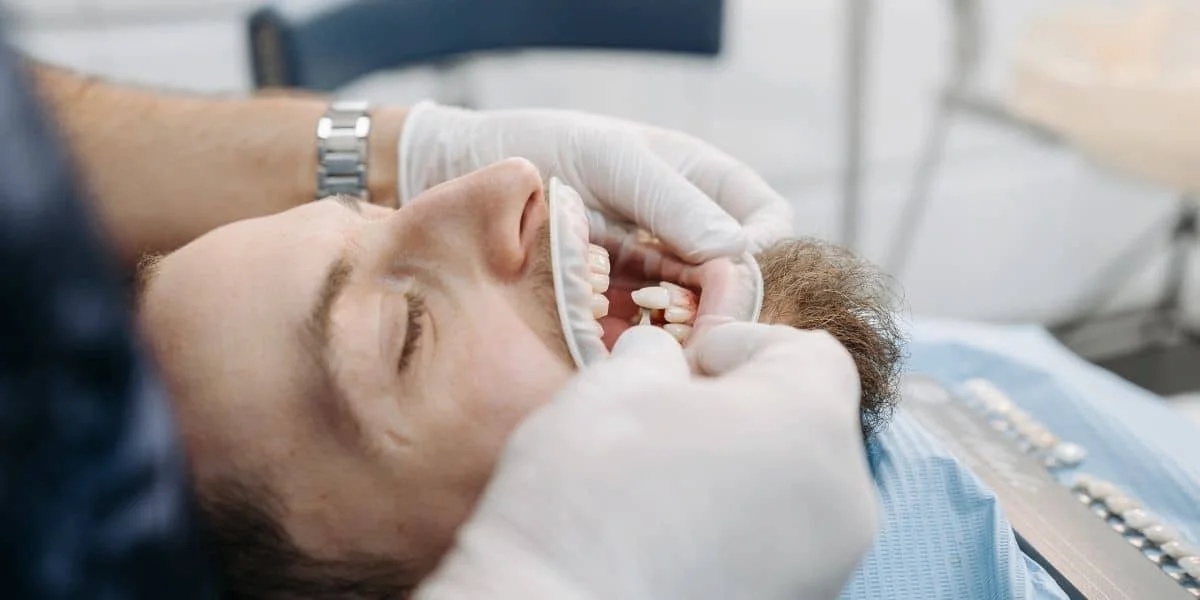
Not every emergency looks the same. Some dental issues start as pressure, sensitivity, or a loose restoration before they become more painful. A same-day exam can help confirm whether the problem needs treatment now or planned follow-up care.
- Toothache that keeps coming back or gets worse
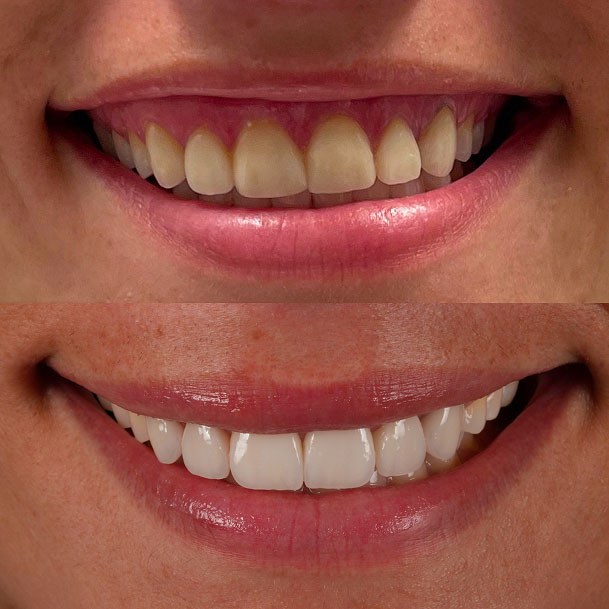
- Broken teeth, chipped teeth, or sharp edges
- Swollen gums around one tooth
- Wisdom tooth pain or jaw pressure
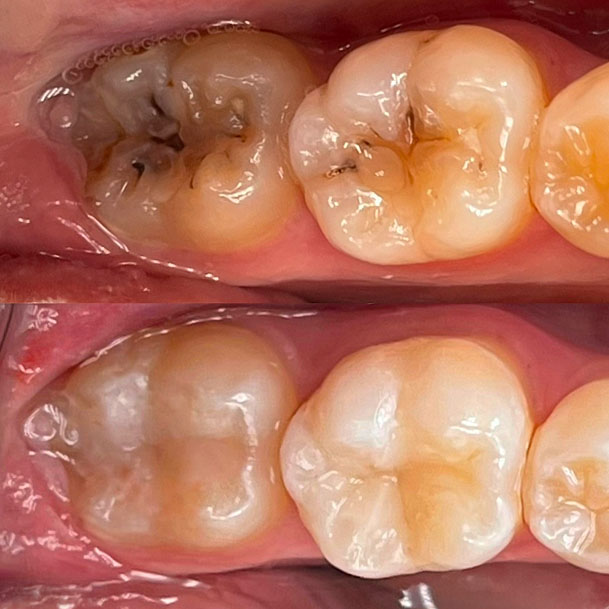
- A loose crown, lost filling, or damaged restoration
- A denture, aligner, night guard, or dental appliance that breaks or no longer fits
- Sinus-like pressure that may be linked to an upper tooth
Why Choose Smile Lab for Urgent Care
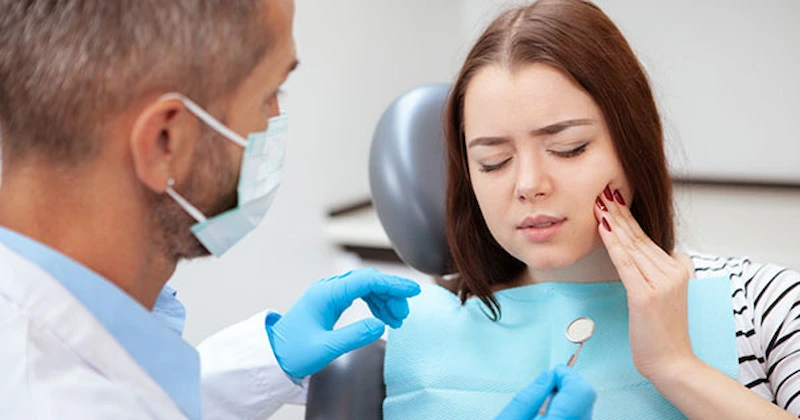
Urgent dental care should feel clear, calm, and focused on the problem in front of you. Dr. Waise Ebrahimi brings UCSF dental training, advanced Kois Center education, and, when possible, a conservative clinical approach. The Union Square dentist office, low-radiation digital imaging, and AI-supported diagnostics help patients get clear answers without bouncing between offices.
Comfort, Technology, and One Location
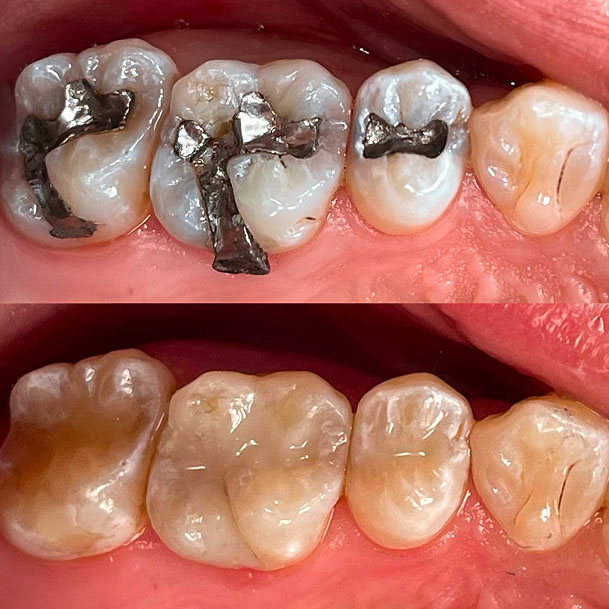
Emergency dentistry can involve fillings, crowns, root canal therapy, tooth extractions, gum care, or follow-up restorative treatment. A multi-specialty model helps keep your care organized in one place and can help prevent further complications. This can make the visit easier when you already feel stressed, nervous, or unsure how serious the issue is.
What to Do Before You Arrive
Small steps can help protect your tooth before your appointment. If symptoms are severe, call first so the team can guide you based on what happened.
- Rinse your mouth with warm water
- Avoid chewing on the painful side
- Use a cold compress for swelling
- Save any broken tooth pieces or loose restorations
- Keep a knocked-out tooth moist in milk or saliva
- Avoid hard foods if a tooth is cracked, broken, or sensitive
- Bring any crown, filling, denture, aligner, or night guard that came loose
If a Tooth Comes Out
A knocked-out tooth is time-sensitive. Hold the tooth by the crown, not the root, and keep it moist in milk or saliva. Contact the office right away so the team can explain the safest next step before you arrive.
ER, Urgent Care, or Dentist
A hospital emergency room may help with symptoms, medication, or serious medical concerns, but it usually cannot provide dental treatment such as a filling, crown, or root canal. Urgent care may offer temporary support, but a dental provider can examine the tooth directly and treat the underlying cause.
Call 911 or go to the ER if symptoms feel life-threatening, including trouble breathing, trouble swallowing, uncontrolled bleeding, major facial trauma, or rapidly spreading swelling.
What Happens During Your Visit
A same-day visit starts with a symptom review, exam, and digital X-rays if needed. The first goal is to safely relieve pain, assess any urgent risks, and explain your treatment options before care begins. Bring a photo ID, a medication list, and any loose crown, filling, aligner, night guard, tooth fragment, or recent dental record if available.
Clear Costs Before Treatment
Cost clarity matters when pain already creates stress. The team explains recommended care and reviews estimated costs before treatment begins. For emergency visits, PPO insurance is accepted, and uninsured patients can be seen for a flat fee of $99.