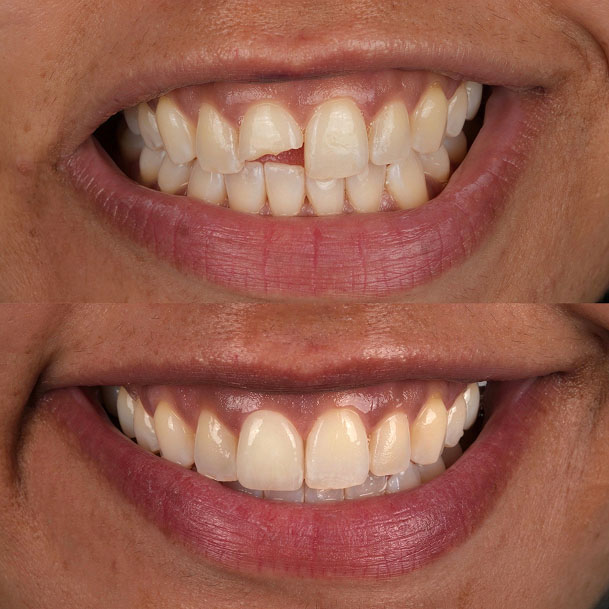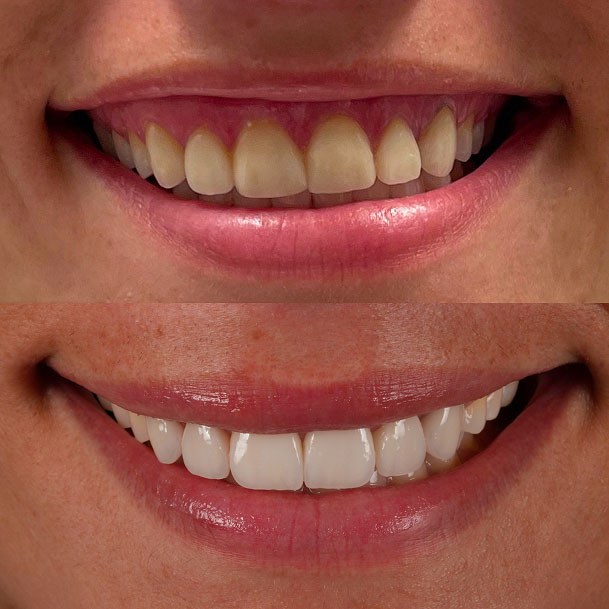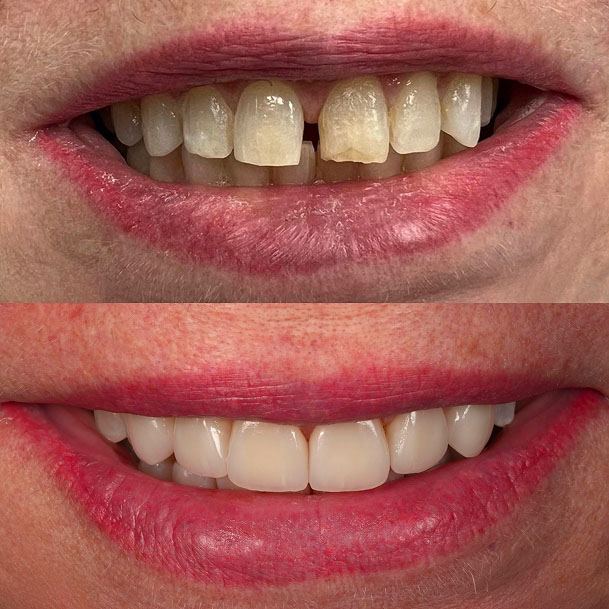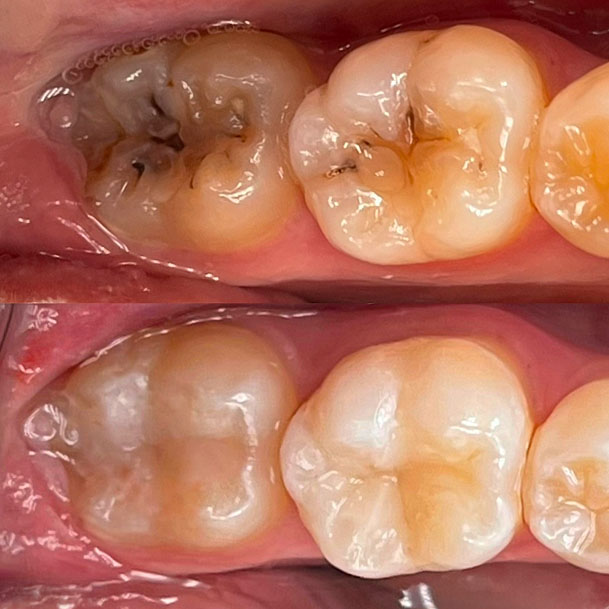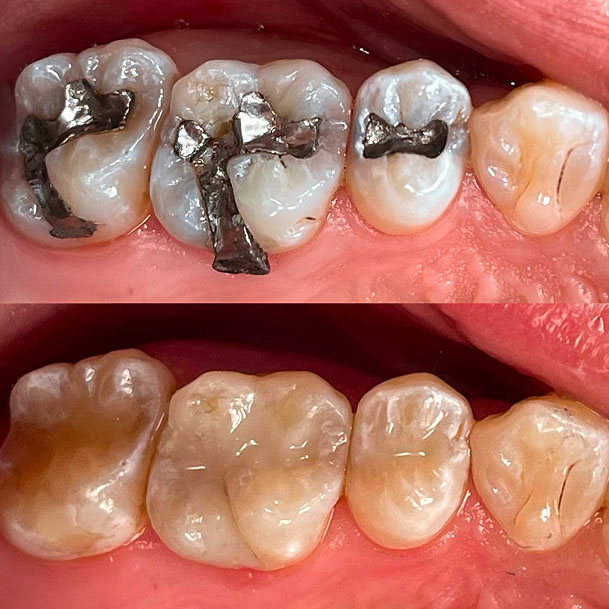

Teeth whitening, porcelain veneers, dental bonding, dental crowns, clear aligners, dental implants, and gum contouring are the most common cosmetic dentistry options available today. Each one addresses a different concern, whether that’s staining, chips, gaps, a missing tooth, or an uneven gum line, so the right choice depends on what’s actually bothering you.
Many of these treatments correct minor imperfections rather than serious dental problems, which is why whitening and bonding are often the fastest and most affordable starting points. Veneers, crowns, and implants take more time and cost more because they involve lab-made materials or, with implants, surgical placement.
Some of these procedures are purely cosmetic, while others, like crowns and implants, also restore function to a damaged or missing tooth rather than just changing its appearance. The only reliable way to know which one fits your case is a consultation, since factors like enamel condition, bite alignment, and gum health all affect which options actually apply to you.
Key Takeaways
- Cosmetic dentistry covers seven common procedures, including whitening, veneers, bonding, crowns, aligners, implants, and gum contouring, each addressing a different concern like staining, chips, gaps, or a missing tooth.
- Most cosmetic dental treatments cause little to no discomfort. Whitening and bonding are painless, while veneers and crowns involve only mild numbing for light tooth preparation.
- Results last anywhere from six months (whitening) to over a decade (implants and crowns), and outcomes depend on both the procedure chosen and how well you maintain them afterward.
- Costs vary widely by procedure and material, ranging from a few hundred dollars for whitening or simple bonding to significantly more for veneers, crowns, or implants, so an exact price requires an in-person consultation.
- Some procedures, like veneers, involve permanent changes to the tooth once enamel is removed, making it worth understanding what each option involves before committing to treatment.
Types of Cosmetic Dentistry Procedures
Cosmetic dentistry covers a wide range of treatments aimed at enhancing the aesthetics of your smile, from simple and affordable to more involved and long-lasting. The right cosmetic treatment depends on what’s bothering you: color, shape, spacing, or damage. Here’s a breakdown of the most common cosmetic dentistry procedures and what each one actually does.
Professional Teeth Whitening
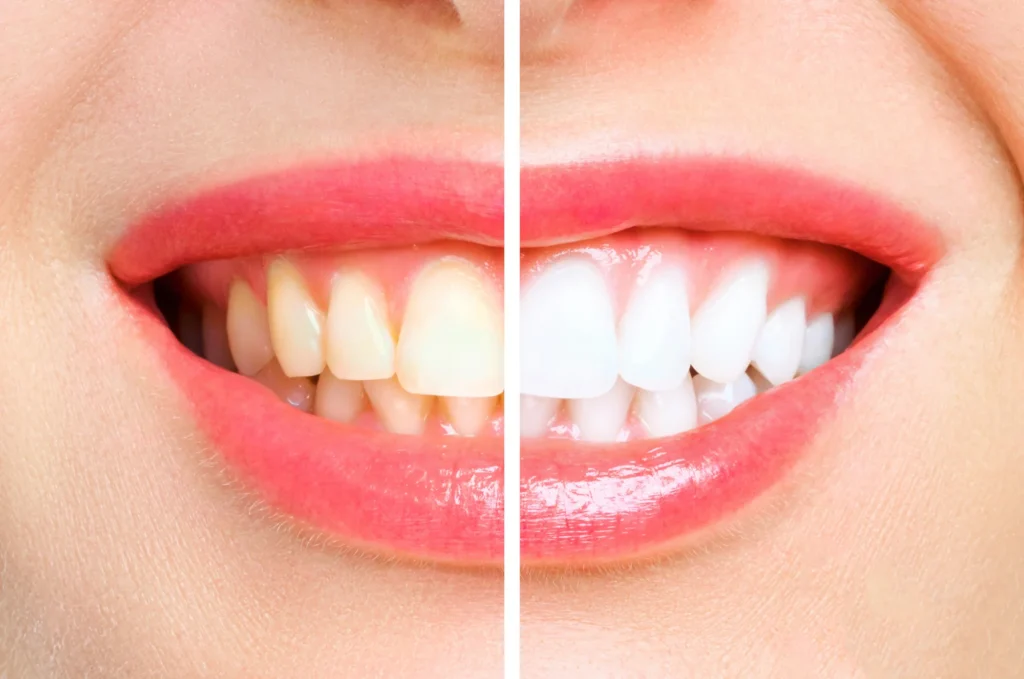
Professional teeth whitening is the fastest way to deal with discolored teeth, and it’s one of the most requested cosmetic dentistry procedures for a reason. A dentist applies a bleaching agent that lifts years of staining from coffee, wine, or smoking, and most patients finish this same-day teeth whitening treatment in under an hour. Unlike over-the-counter kits, the results are more even and noticeably brighter, since the concentration used in-office is stronger than what you can buy at a drugstore.
Veneers: A Popular Cosmetic Dental Procedure
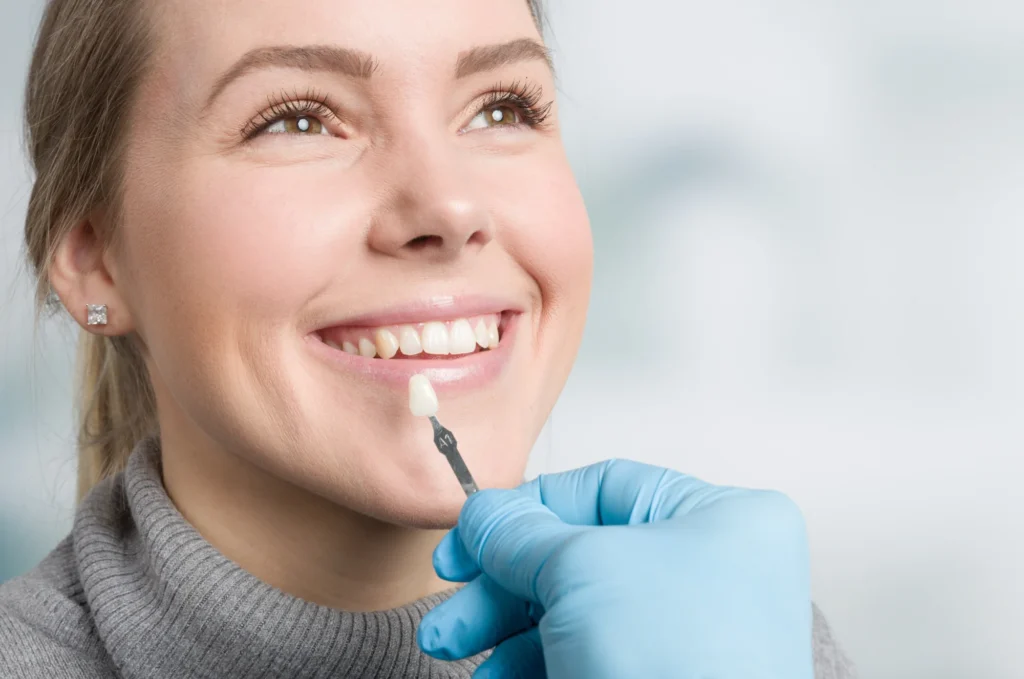
Porcelain veneers are thin shells bonded to the front of your teeth, and they’re one of the most versatile cosmetic dental procedures available. They can cover gaps between teeth, chips, and discoloration in one treatment, making them a common choice for anyone considering a full smile makeover rather than a single fix.
A small amount of tooth enamel is removed first, so the veneer sits flush against your natural teeth instead of looking bulky. Because that enamel doesn’t grow back, veneers are considered permanent once placed, and research published through the National Library of Medicine notes that long-term success depends heavily on ongoing care and hygiene.
Pricing varies by case, but porcelain veneers in NYC typically fall within a predictable range once your dentist evaluates your teeth.
Dental Bonding for Chips and Gaps
Dental bonding, sometimes called composite bonding, repairs a chipped or cracked tooth using a composite resin that matches your natural tooth color. Your dentist shapes the resin directly onto the damaged area and hardens it with a curing light, all in one appointment. It’s one of the more budget-friendly cosmetic dentistry techniques, and it doesn’t require the enamel removal that veneers do.

Dental Crowns and Onlays
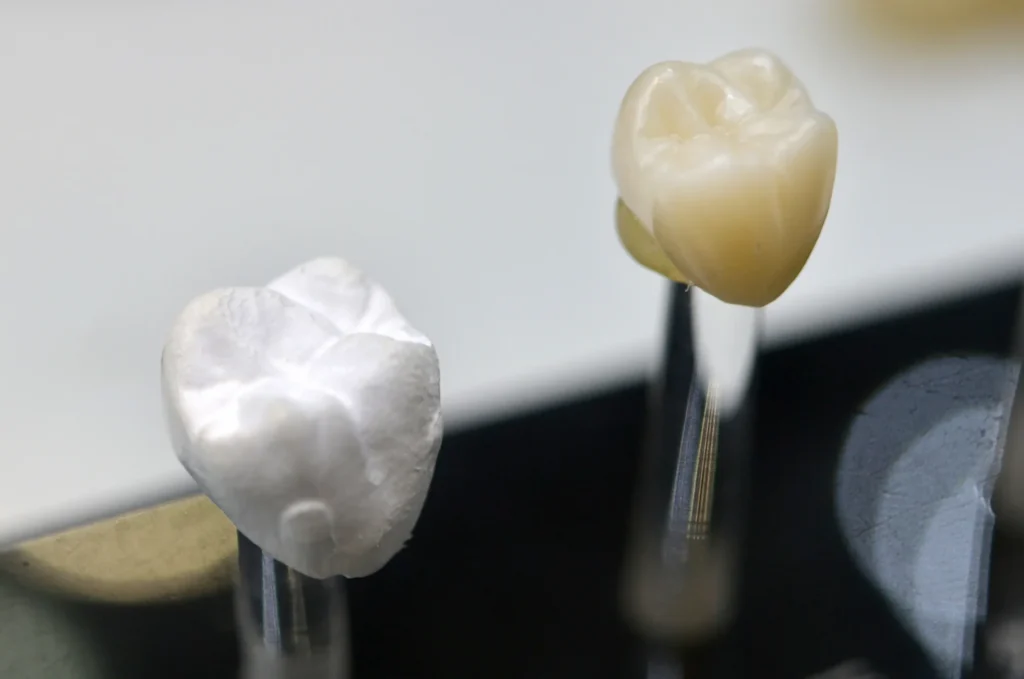
A dental crown covers an entire tooth, while an onlay covers just part of it, and there are several types of dental crowns to choose from depending on the material and where the tooth sits in your mouth.
Both treat damaged teeth that need more support than a filling can provide but aren’t so far gone that the tooth needs to come out, making them a middle ground between cosmetic and restorative dental treatment. Beyond appearance, a crown protects what’s left of the natural tooth structure from further breakdown.
Clear Aligners and Invisalign
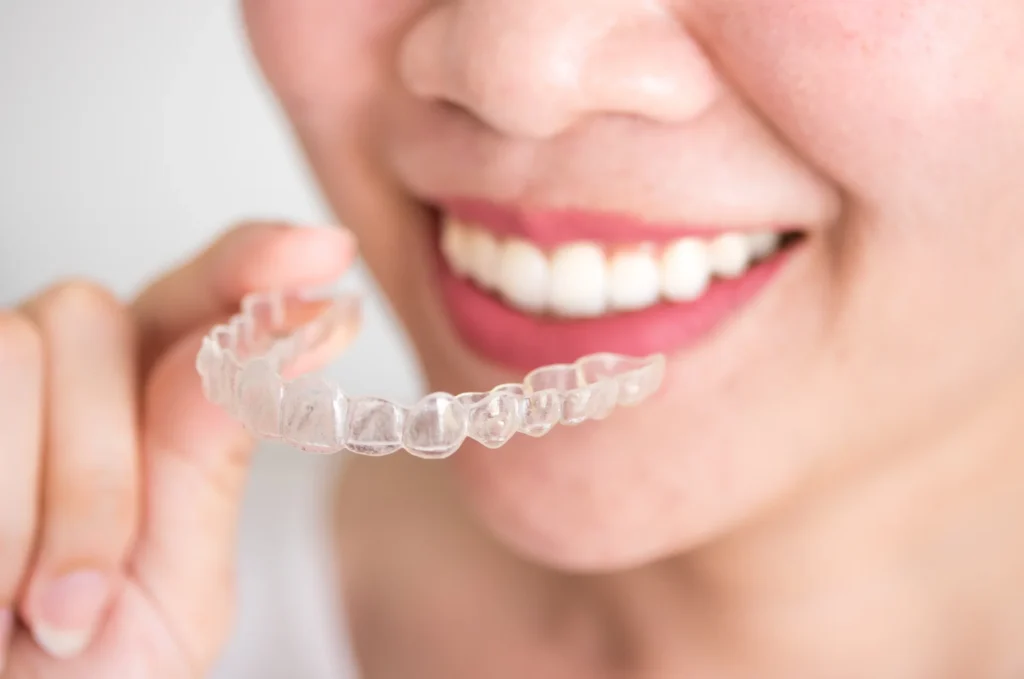
Clear aligners straighten front teeth and back teeth alike without brackets or wires. Digital scanning creates a custom set of trays that shift your teeth gradually over several months, based on a precise map of your current alignment. For anyone juggling client meetings or a packed calendar, this is often the appeal: no one has to know you’re mid-treatment.
Dental Implants for Missing Teeth
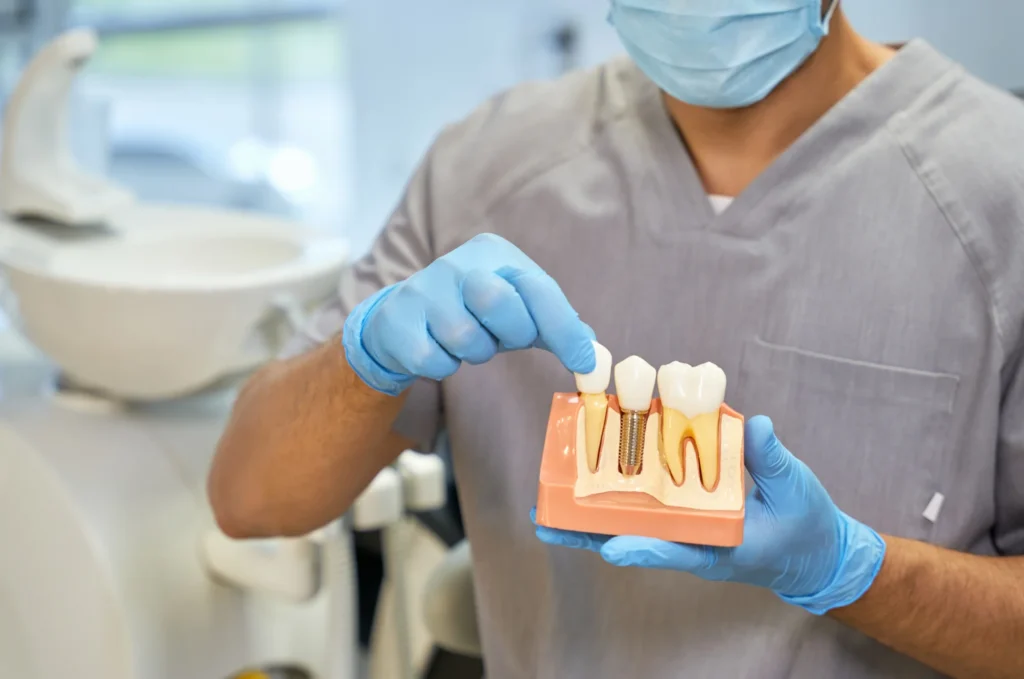
A dental implant replaces a missing tooth starting at the root. A titanium post is placed in the jaw, then topped with a crown that matches the surrounding natural teeth. Healing typically takes a few months, and following the right implant recovery steps helps it integrate properly, after which it functions like any other tooth and, unlike a bridge, doesn’t rely on adjacent teeth for support.
Gum Contouring for a Balanced Smile
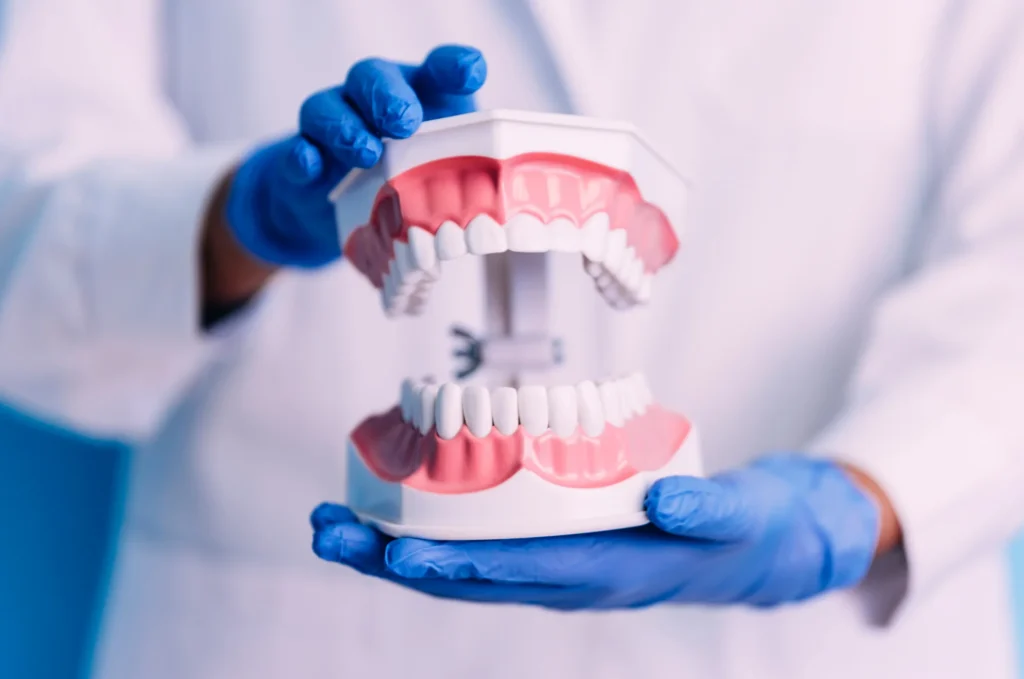
Gum contouring reshapes the gum line when it covers too much of the tooth or sits unevenly across the smile. A dentist removes small amounts of excess tissue, often with a laser, to reveal more of the tooth and bring balance to the overall shape of the smile.
Gum contouring is also one of several procedures that can help with long or prominent teeth, alongside options like reshaping or veneers.
What to Expect Before and During Treatment
Before booking anything, it helps to know whether you’re a candidate and what to expect.
Signs You’re a Good Candidate
Cosmetic dentistry works best on otherwise healthy teeth. If your main concern is appearance rather than decay or gum disease, your oral health is likely in good shape for cosmetic treatment. A quick consultation with low-radiation digital imaging is usually enough to confirm what your teeth actually need, not just what you assume they need.
A few signs it’s worth exploring your options:
- Your teeth are structurally sound, but stained, chipped, or unevenly spaced
- You’ve avoided smiling in photos or holding back at work because of how your teeth look
- A past dental visit left you unsure of what your actual options are
- You want a fix that lasts years, not a temporary cover-up
Is Cosmetic Dentistry Painful?
Most cosmetic dental treatment involves little to no discomfort. Whitening and bonding are painless. Veneers and crowns involve mild numbing since they require light preparation of the tooth surface. Compare that to a procedure like a root canal, which often tops people’s list of dental fears. Cosmetic work rarely comes close.
Questions to Ask at Your Consultation
Once you schedule an appointment, come prepared with a few questions: how long the procedure takes, how long the results typically last, and what happens if you’re not satisfied with the outcome. A dentist who takes the time to walk you through this, instead of rushing to a treatment plan, is usually a good sign of how the rest of your care will go.
How Long Does Cosmetic Dentistry Last?
Results vary by procedure. Teeth whitening typically lasts six months to three years, depending on diet and habits. Bonding typically lasts five to eight years.
Porcelain veneers last the longest of the common options, often five to fifteen years with reasonable care. Crowns can last well over a decade with proper care, and implants often last just as long or longer.
None of these are permanent in the sense that they need no attention, but with regular checkups, most patients get years of steady, reliable results. Outcomes also vary from person to person, and treatments like veneers and crowns involve permanent changes to the tooth, so it’s worth understanding what each option involves before committing.
Cosmetic Dental Procedures Cost and What Affects It
Cost depends on the procedure, how many teeth are involved, and the materials used, as outlined in this breakdown of cosmetic dentistry costs. At Smile Lab, here’s what these procedures typically run:
- Dental bonding: $950
- Porcelain veneers: $2,323 per tooth
- Resin veneers: $950 per tooth
- Dental crowns: $1,950 (gold crowns run lower, around $400)
- Clear aligners: $6,000 for a full course of treatment, covering 1 to 24 months
- Dental implants: $2,650 for the implant body, plus $3,300 for the abutment and crown
- Gum contouring: $550 for 1 to 3 teeth
Pricing varies based on how many teeth need treatment and the specific materials used, so these figures are a starting point, not a guarantee. The only way to get an exact number for your case is a consultation, since a dentist can quote accurately only after examining your teeth.
Why Patients Choose Smile Lab for Cosmetic Dentistry
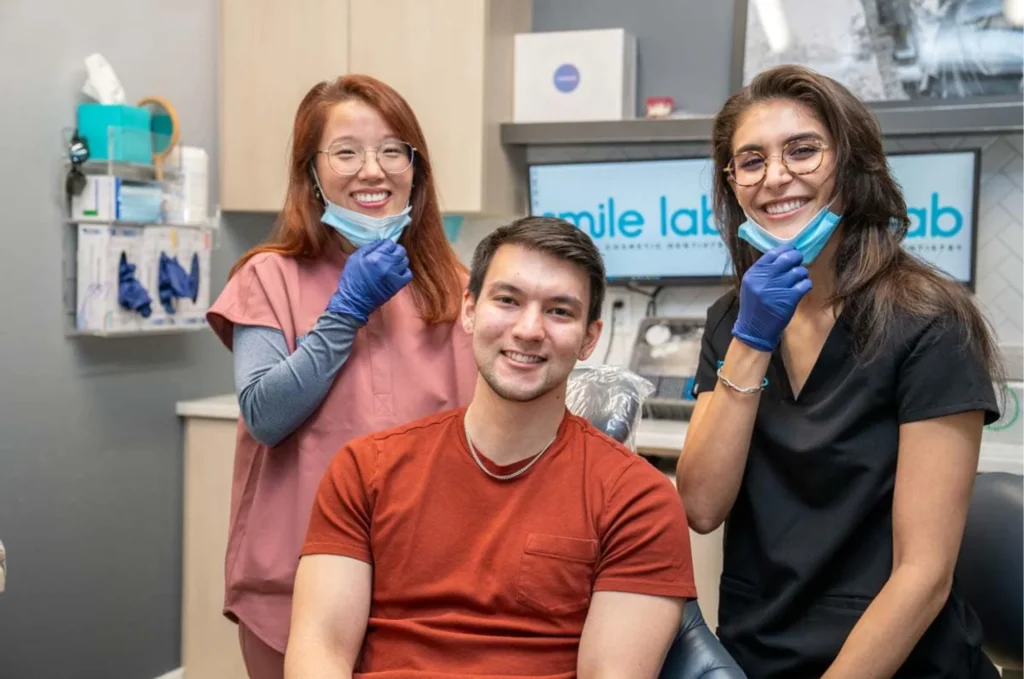
At Smile Lab, cosmetic dentistry starts with a conversation about what’s actually bothering you, not a pitch for the most expensive option on the menu. Dr. Waise Ebrahimi trained at UCSF. He also completed advanced training at the Kois Center. This program focuses on predictable, natural-looking outcomes.
It shows in his conservative approach to treatment. He fixes what needs fixing. He leaves the rest of your natural teeth alone. If a chip, a stain, or a gap has been sitting on your mind longer than it should, schedule a consultation and find out what your options actually look like.