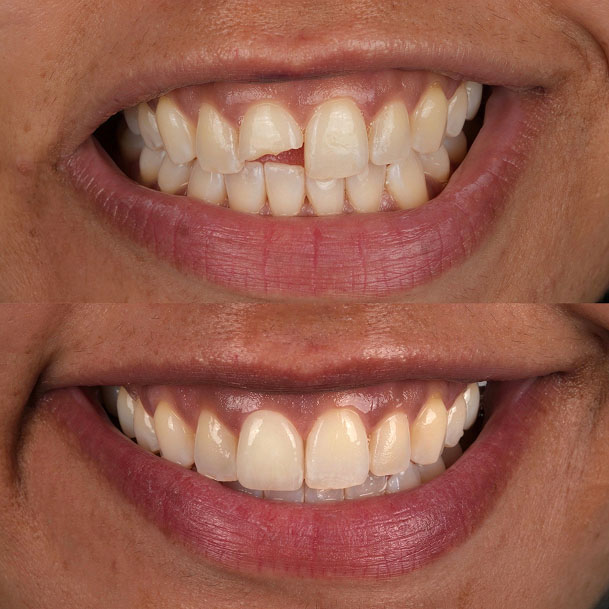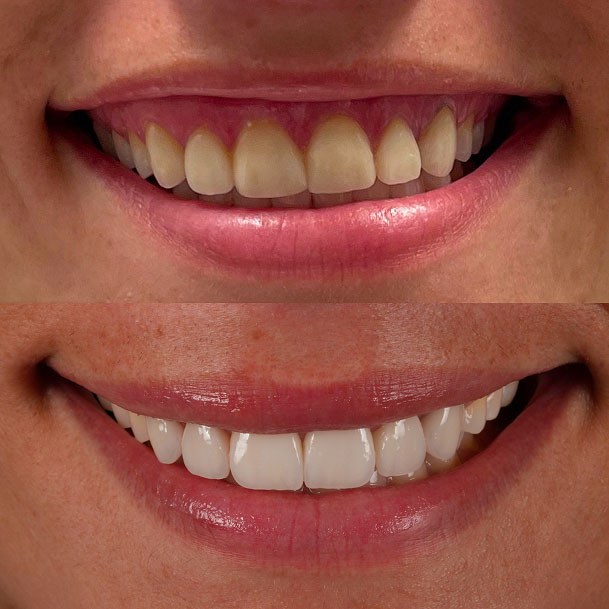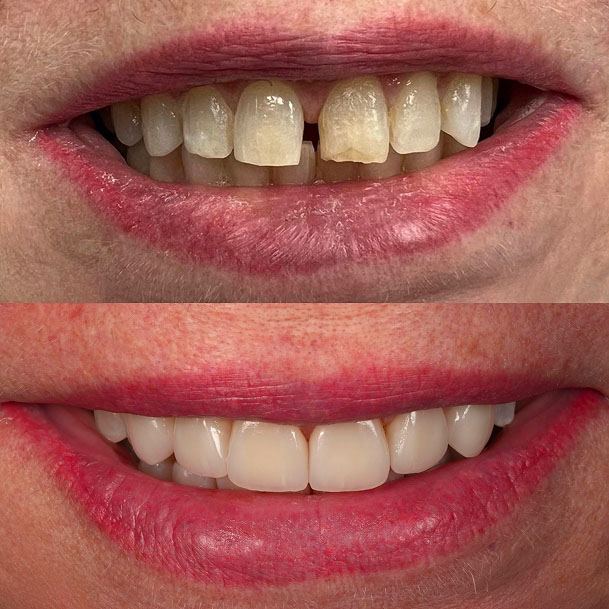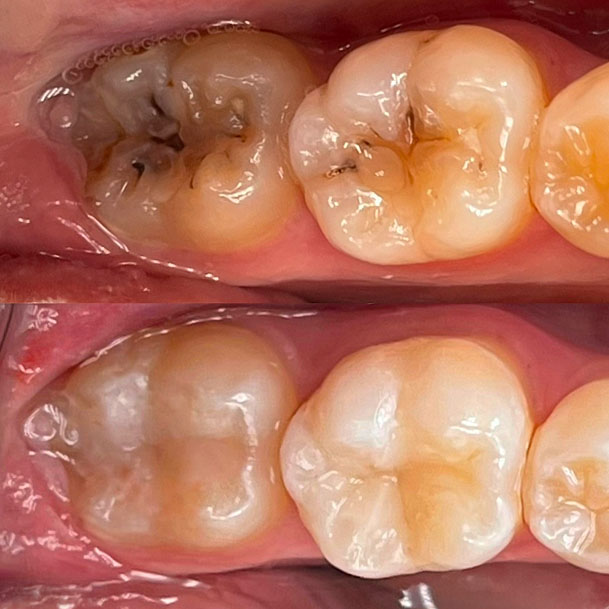
The risk depends on the formula, contact time, frequency, and your oral health. Overuse or poorly controlled application may cause temporary tooth sensitivity, gum burning, or irritation, and stronger formulas tend to raise these risks. At Smile Lab, Dr. Waise Ebrahimi can check for cavities, exposed roots, gum disease, and dental restorations before recommending a safer whitening option.
Key Takeaways
- Whitening products may fade some surface stains, but they cannot remove tartar or replace brushing, flossing, and professional cleanings.
- Products made for oral use are safer than household solutions because they control strength, contact time, and how the formula is applied to your teeth.
- Tooth sensitivity and gum irritation are common side effects, especially with strong formulas, frequent use, or prolonged contact.
- Whitening works best on stains from coffee, tea, wine, or tobacco. It may not fix color changes caused by injury, medicine, age, or dental work.
- Ask a dentist before whitening if you have cavities, gum disease, exposed roots, restorations, one dark tooth, or uneven results.
Is Brushing With Hydrogen Peroxide Safe?
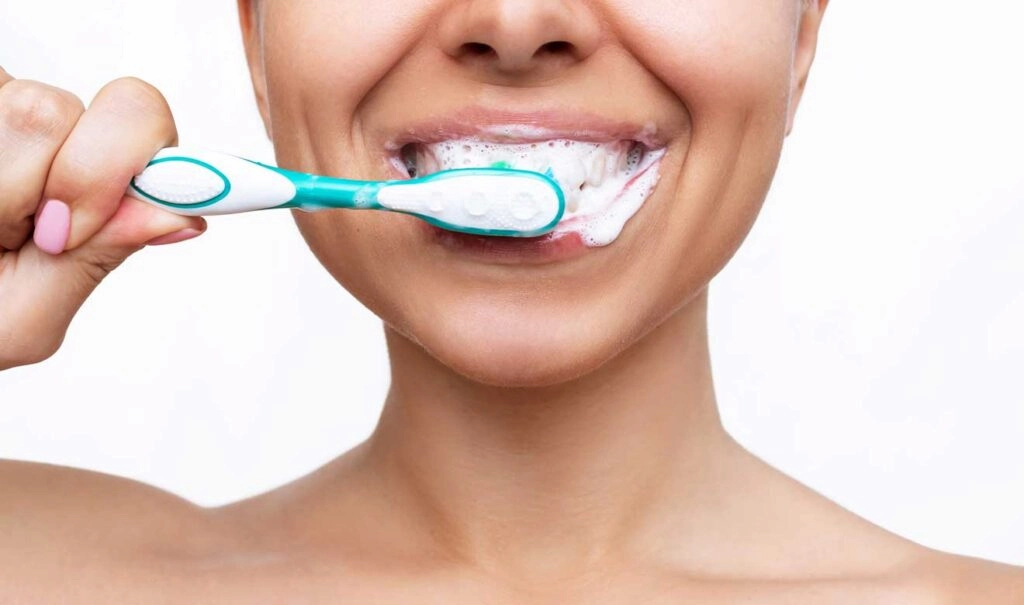
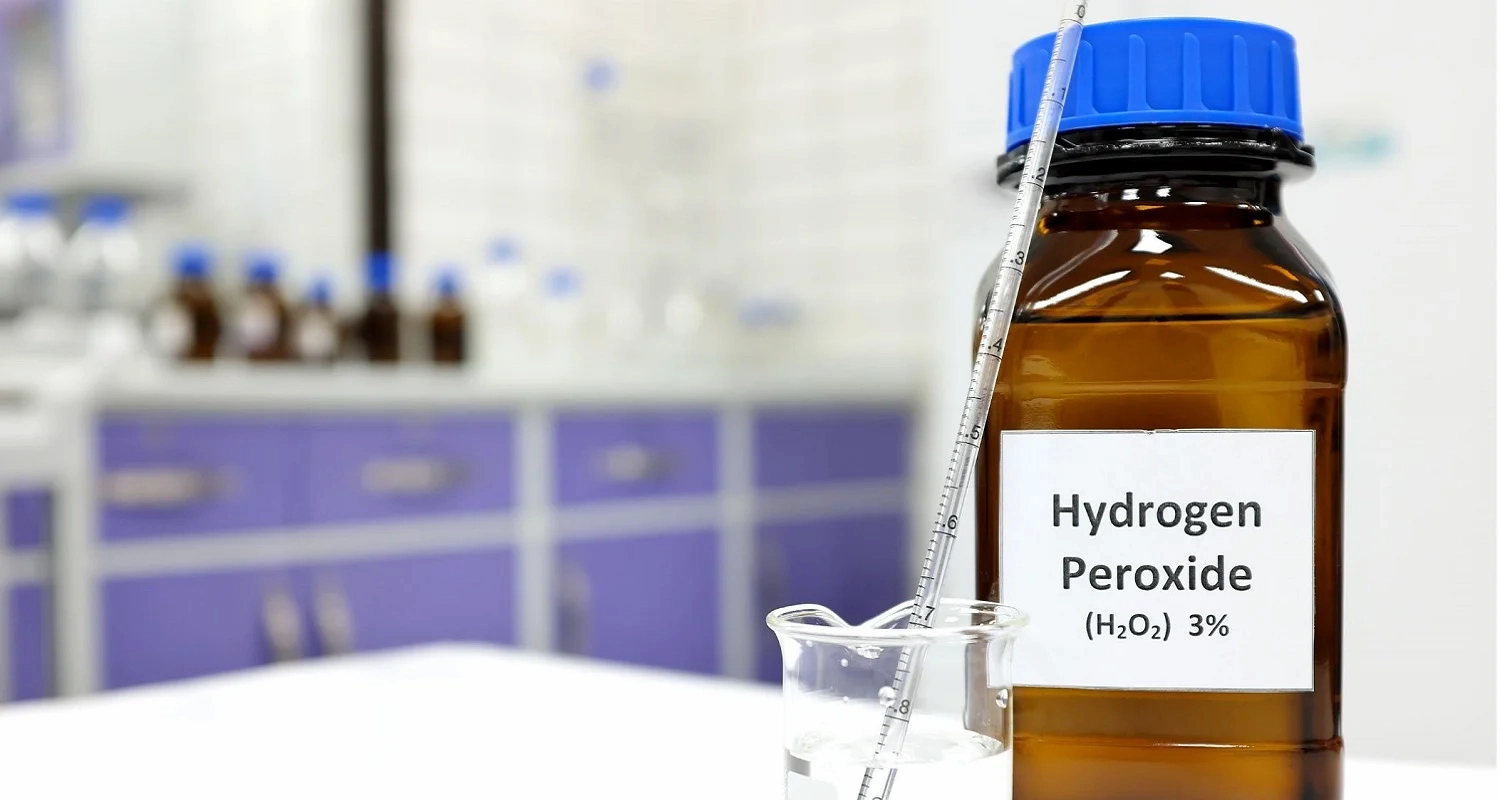
No, brushing directly with household hydrogen peroxide is not a safe daily practice. Pouring a 3% solution onto your toothbrush can spread the liquid across your gums, exposed roots, cavities, or other sensitive areas. As a bleaching agent, it may also cause burning, irritation, or tooth sensitivity when used without proper control.
Hydrogen peroxide can still be used safely in oral care products made for whitening. These products control the concentration, dose, and contact time. Follow the label, and do not create a homemade brushing routine with a household solution.
Does It Clean or Whiten?
This ingredient works mostly as a whitening agent. It changes the color of stain particles on the enamel. Some rinses also contain it, but they cannot remove hard tartar or replace the need for fluoride toothpaste and floss.
You still need to brush your teeth twice a day and clean between them. Whitening often works best on marks from coffee, tea, red wine, tobacco, and dark foods, but there are several reasons teeth may remain yellow despite daily brushing. Gray, brown, or deep discoloration may not respond as well.
These deeper color changes may result from medication, injury, age, or changes within a tooth. A single dark area should be checked by a dentist. Cosmetic treatment may not address the real cause.
Using Hydrogen Peroxide to Whiten Teeth
Use hydrogen peroxide only in oral care products, such as approved toothpastes, rinses, strips, or gels. Follow the label, never swallow the product, and rinse your mouth as directed. Do not apply household peroxide directly to the enamel.
Using several whitening treatments at once may raise the risk of irritation and sensitivity. Using one suitable product as directed is safer.
Possible Side Effects
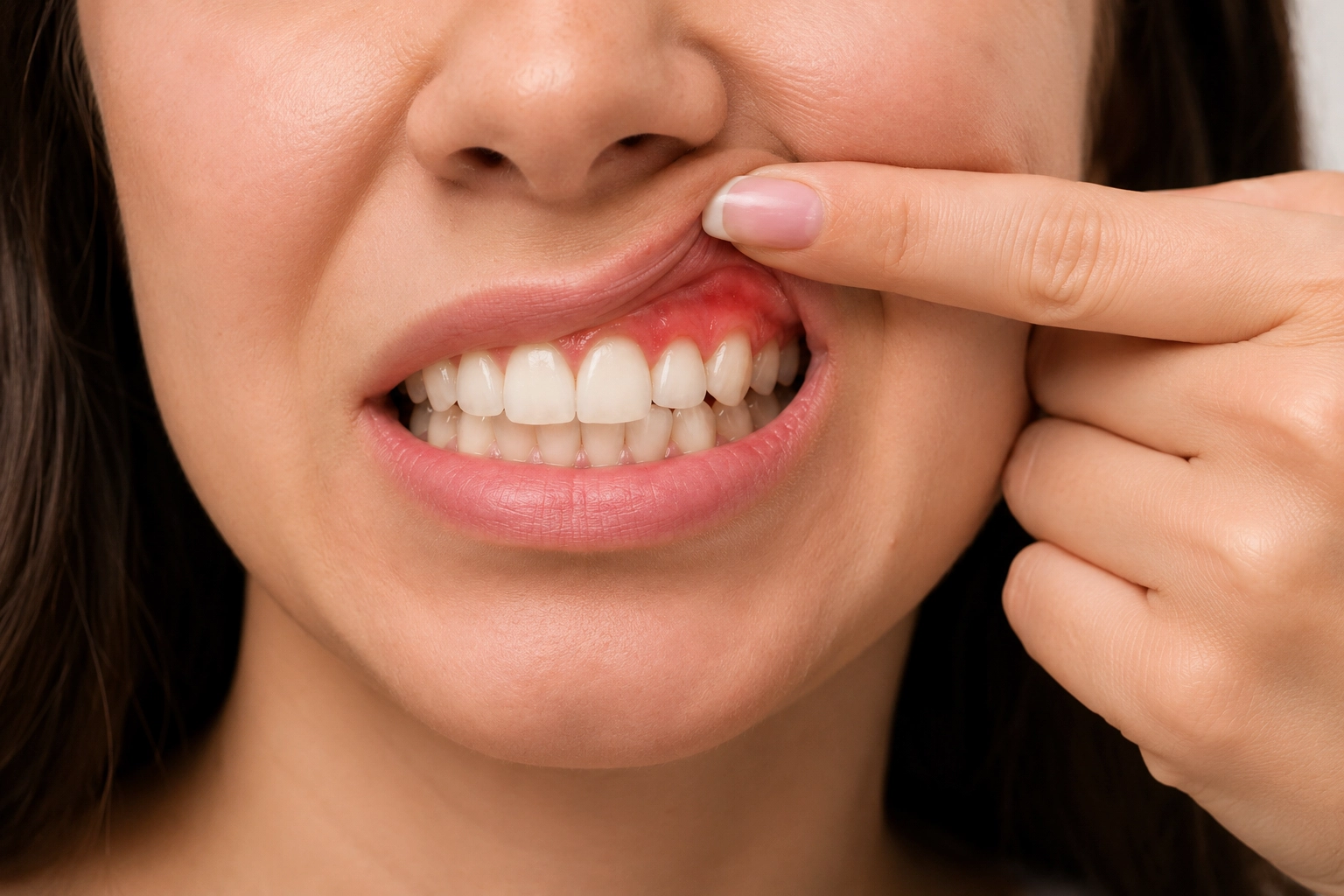
Tooth sensitivity and gum irritation are the most common side effects. The risk rises with strong formulas, long contact times, frequent use, and strips or trays that do not fit well. Gel that touches the gums may cause burning, redness, or pale spots.
Stop using the product if you have burning gums, sharp pain, or sensitivity that does not go away. Mild discomfort may improve after you pause treatment and avoid very hot or cold foods. Pain that lasts should be checked by a dentist.
A dental exam can look for cavities, exposed roots, cracked enamel, or gum swelling. These problems can make whitening hurt more. Treating them first may make future care safer.
Who Should Avoid It?
Talk to a dentist before whitening if you have cavities, gum disease, exposed roots, cracked enamel, or lasting sensitivity. The active ingredient may make these problems feel worse. It will not treat the cause of the pain.
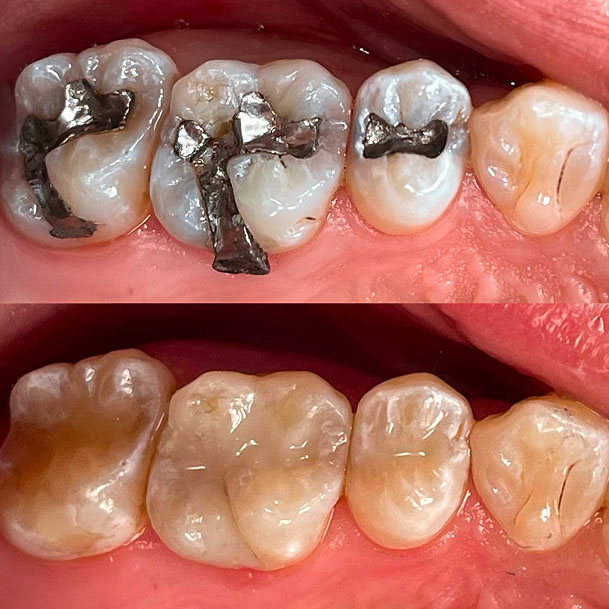
Crowns do not whiten like natural teeth, and veneers and fillings also do not lighten like natural enamel. Treating the areas around them may result in uneven shading. A dentist can help decide whether whitening or another option will give a better match.
At-Home Whitening vs. Dental Cleaning
At-home products may reduce some stains. They cannot remove hard tartar or treat cavities and gum disease. Professional cleaning removes plaque and tartar from areas that daily care may miss.
A cleaning may also reduce some outer stains without a chemical whitener. Professional whitening gives the dentist more control over the whitening solution, dose, and contact time. The dentist can also check for decay, gum loss, sensitivity, and dental work before treatment.
Safer Teeth Whitening Options
Choose a product made for oral use and follow its directions. If you use strips, learn whether you should brush before applying whitening strips to reduce irritation and apply them correctly. Check how often to apply it and how long to leave it on. Look for ADA-accepted options when available.
Do not mix several methods at once. The right product should suit your stain type, oral health, and sensitivity level. Dentist-supervised care may be a better choice for deep stains, uneven color, or sensitive areas.
Book a dental visit if one tooth turns dark, your gums become sore, or home products cause pain that lasts. At Smile Lab in Union Square, patients can discuss safer options tailored to their comfort and whitening goals. This can lower risks and improve the chance of even results.