For moderate to severe cases, traditional braces or clear aligners like Invisalign can align teeth, while significant jaw problems may require surgery. Some patients benefit from orthodontic treatment first, followed by veneers to refine tooth shape and color. At Smile Lab in Union Square, a detailed bite evaluation helps determine whether cosmetic treatment is appropriate or correcting the underlying alignment would provide better long-term results.
Key Takeaways
- Veneers cannot physically correct an overbite, but they can improve mild cases by changing tooth shape, length, and symmetry.
- Patients with healthy teeth, gums, and stable bite alignment may qualify for veneers. A dental examination determines whether cosmetic treatment is appropriate.
- A deep or heavy bite can increase pressure on veneers, raising the risk of chipping, cracking, or premature replacement.
- Traditional braces and Invisalign can correct many dental overbites by repositioning teeth. Severe jaw misalignment may require corrective surgery.
- Treatment costs and timelines depend on the method and severity of the bite problem. Orthodontics may be recommended before veneers for better long-term results.
Veneers Improve Appearance, Not Bite Alignment
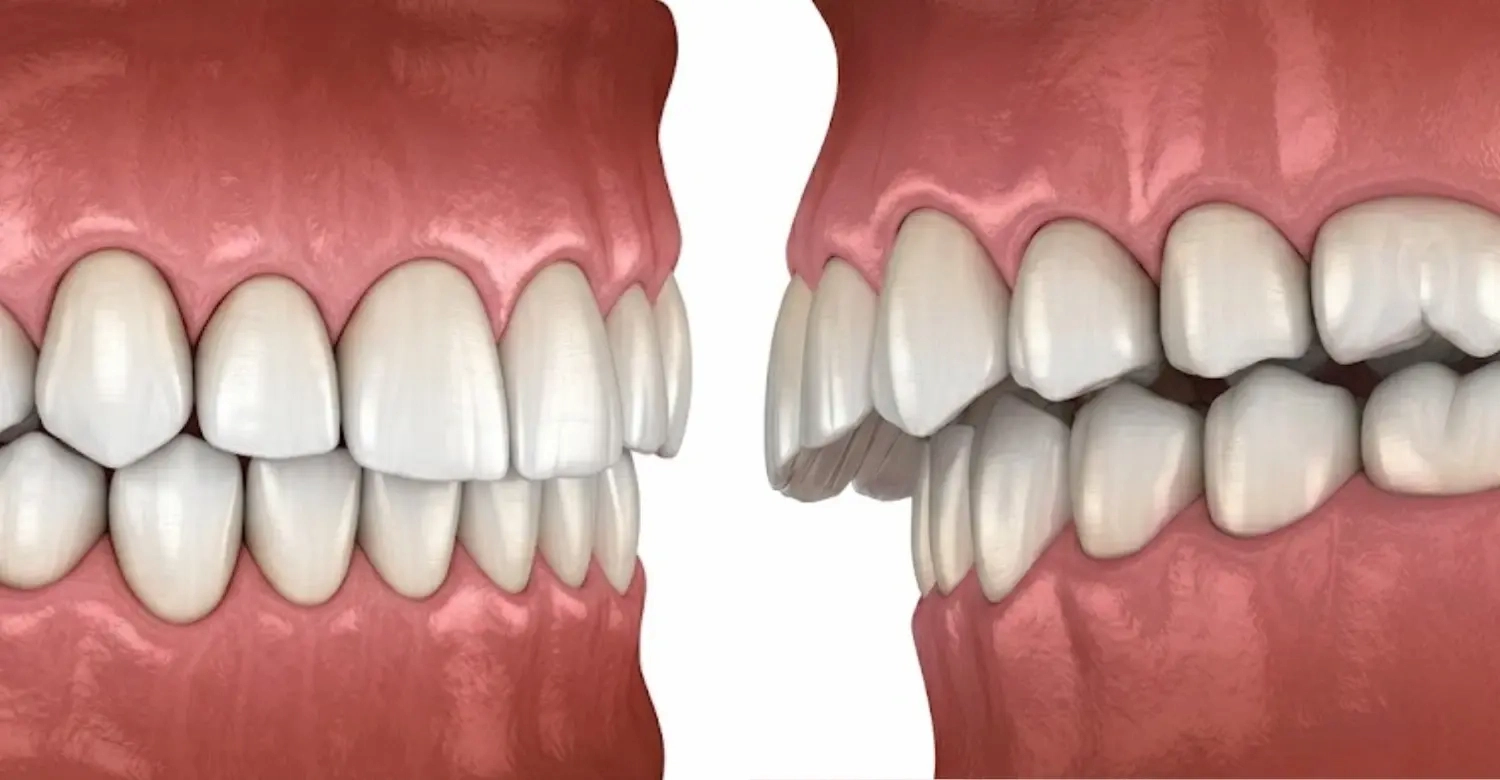
The top teeth normally overlap the bottom teeth slightly; a deep bite involves too much vertical coverage. Overbite and overjet describe two different measurements: overbite refers to vertical overlap, while overjet measures how far the upper teeth project forward. Excessive overbite and overjet are forms of malocclusion, meaning the teeth do not fit together properly.
Who Can Get Veneers for an Overbite?
People with healthy teeth, gums, and a stable bite may qualify for cosmetic treatment. If a tooth is significantly damaged, comparing veneers vs. crowns can help determine which restoration is appropriate.
A dentist examines tooth position, enamel, grinding habits, and jaw closure. A deep bite can put excess pressure on restorations, so protecting oral health comes first.
Can Porcelain Veneers Fix a Slight Overbite?
Porcelain shells cover teeth with uneven edges, small gaps, or irregular shapes. They can create a more balanced appearance when a slight overlap doesn’t disrupt biting. They can’t correct a true overbite, and some people need orthodontics before cosmetic work.
Can Veneers Fix an Overbite in Adults?
No, veneers cannot correct an overbite in adults because they do not move teeth or change jaw alignment. They may improve the appearance of a mild overbite if the bite is stable, but orthodontic treatment is needed to correct tooth positioning.
At Smile Lab in Union Square, Dr. Waise Ebrahimi draws on his Kois Center training to evaluate bite function and preserve natural tooth structure before recommending cosmetic treatment.
How Dentists Evaluate Your Bite
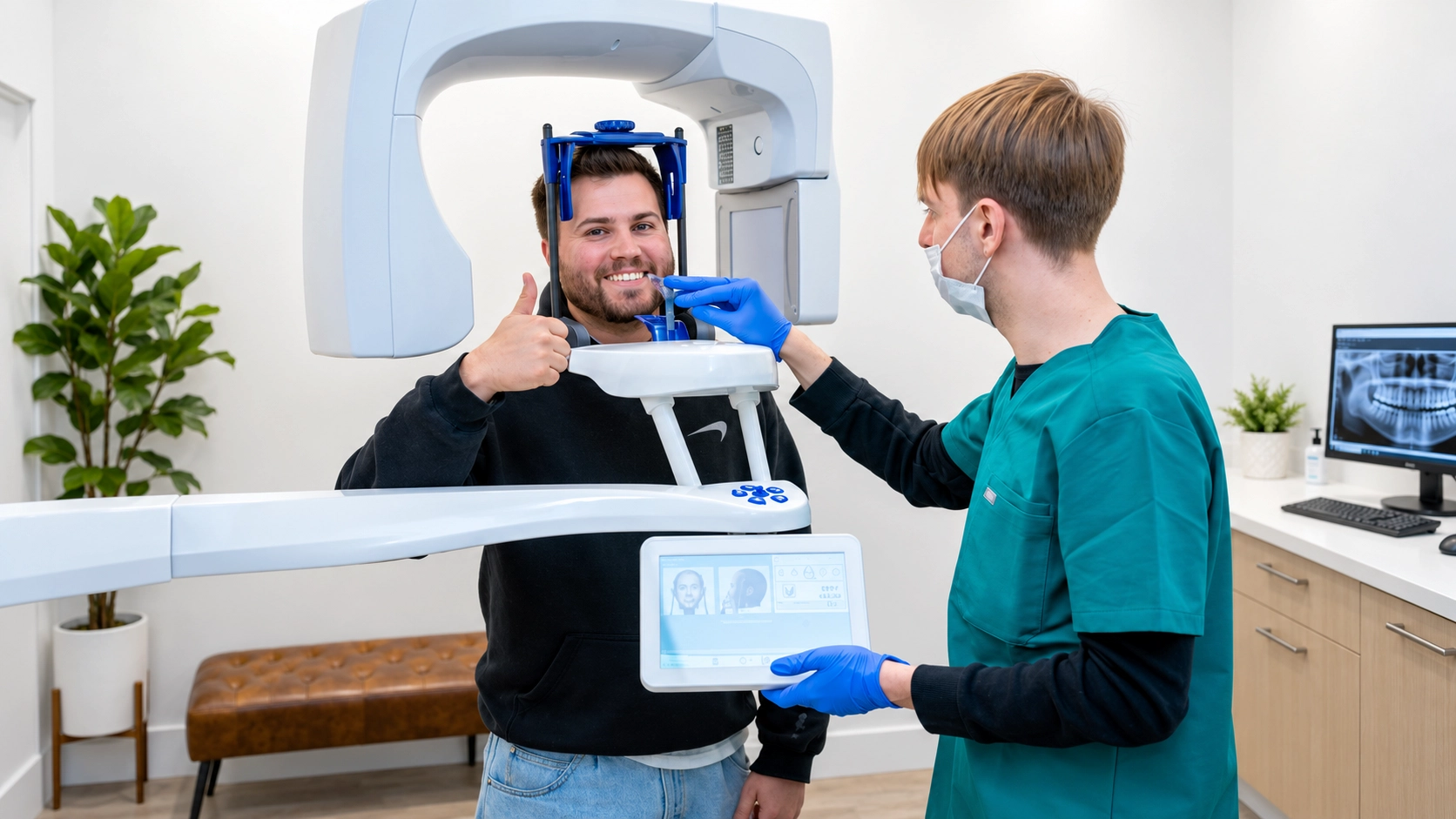
Before recommending veneers, a dentist measures the vertical and horizontal overlap between your upper and lower teeth. The examination also checks enamel wear, gum health, grinding habits, and how your teeth contact when you bite.
Digital scans, photographs, and X-rays when needed help identify whether the problem involves tooth position, jaw alignment, or both. These findings determine whether cosmetic treatment is appropriate or orthodontics should come first.
Veneers for an Overbite: Results and Risks
These thin coverings change the visible shape and color of teeth without correcting the underlying alignment. Most porcelain options involve removing some enamel, making the procedure generally irreversible. Grinding or excessive tooth contact can chip or loosen restorations.
Over time, you may need repairs or replacements, so understanding whether veneers are permanent can help you set realistic expectations.
Before-and-After Results
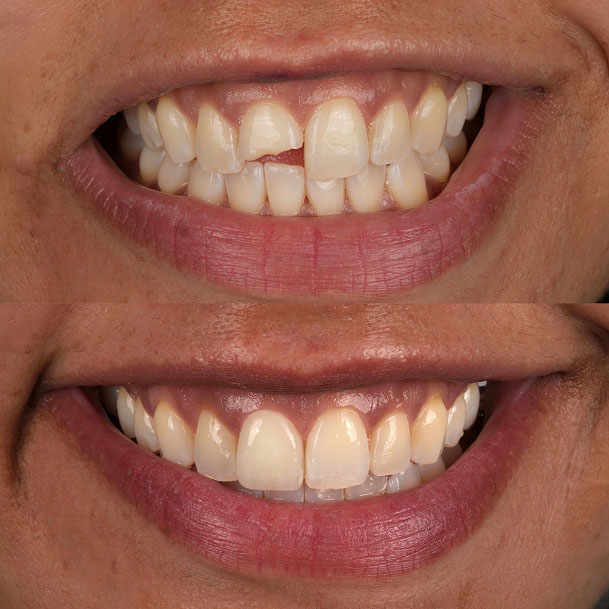
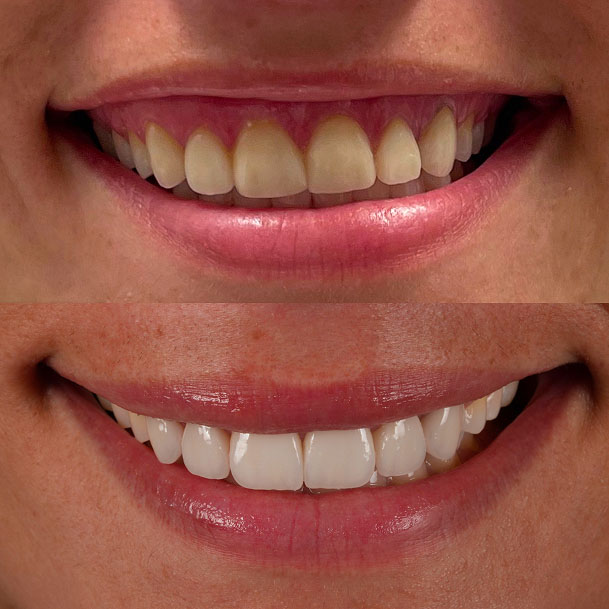
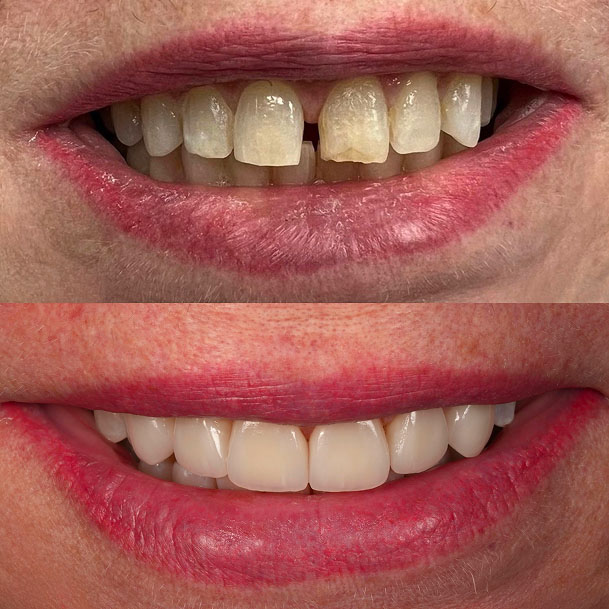
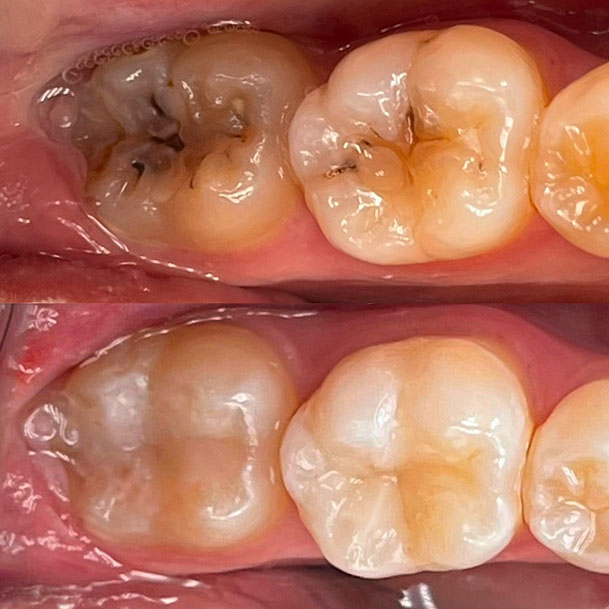
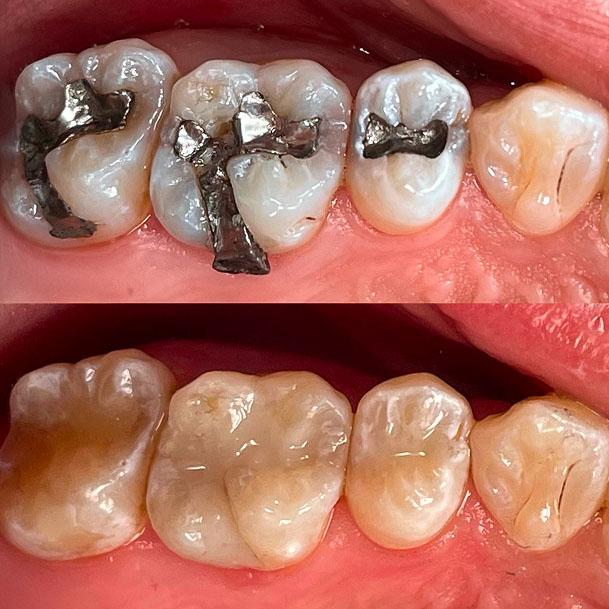
Photos can show an improved smile line, but they cannot prove the bite was corrected. Ask whether the result came from porcelain veneers alone or orthodontics followed by cosmetic work. That distinction helps you set realistic expectations for appearance and dental health.
How to Permanently Fix an Overbite
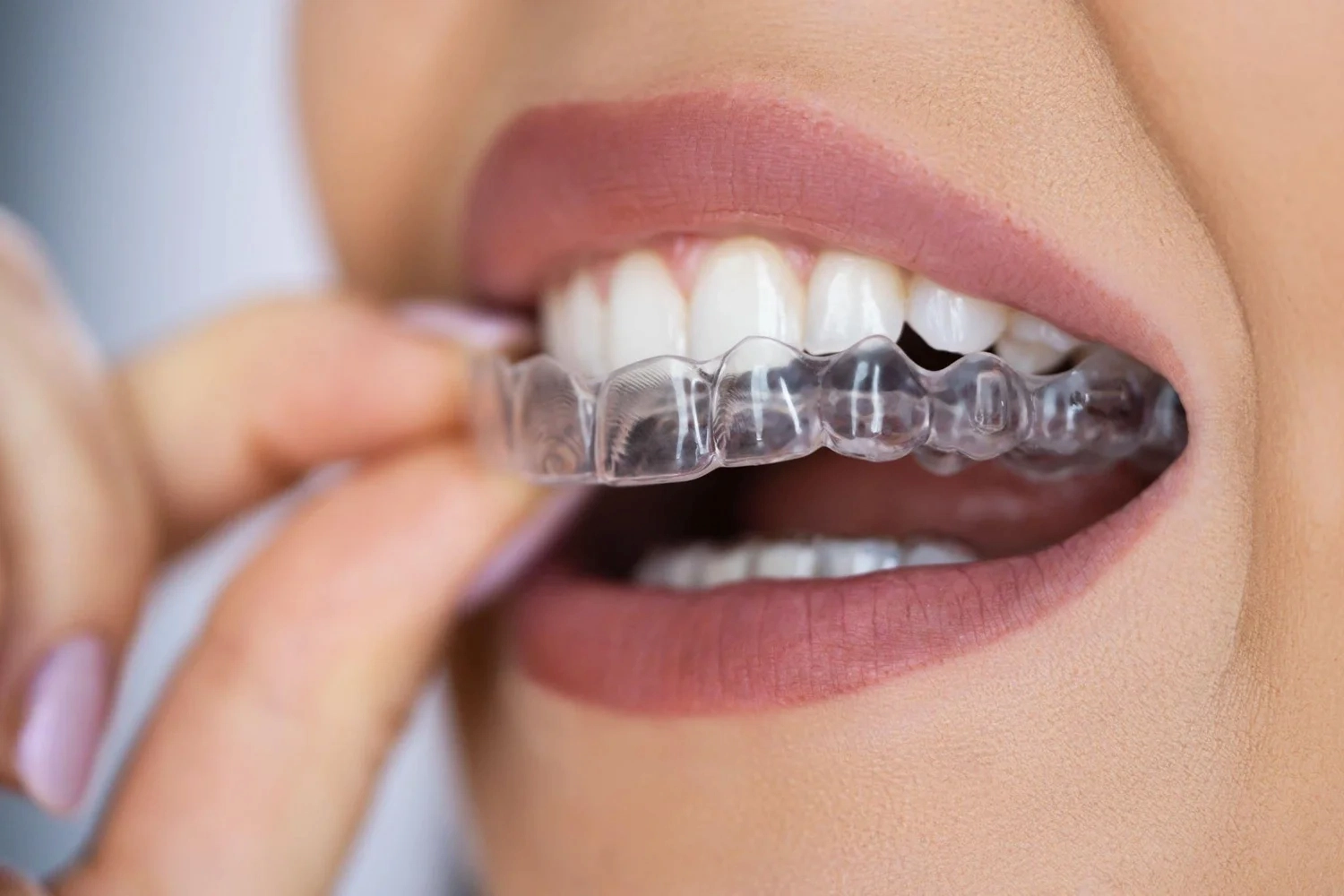
Braces and clear aligners move teeth to improve how they come together. Severe jaw differences sometimes require corrective surgery in addition to orthodontics. Results can last, although most people need retainers after treatment.
Veneers vs. Braces and Invisalign
Traditional braces can address many complex alignment problems, while Invisalign may suit selected cases. Cosmetic shells change the appearance of individual teeth rather than their position. An orthodontic exam helps determine which option best fits your bite and goals.
Which Treatment Is Right for You?
The best option depends on whether your concern involves tooth appearance, alignment, or jaw position. Each treatment serves a different purpose. If your concern is mainly cosmetic, consider alternatives to veneers, such as dental bonding, to compare options.
| Dental Concern | Treatment to Consider | Primary Benefit |
|---|---|---|
| Mild cosmetic irregularities with a stable bite | Veneers | Improves tooth shape and appearance |
| Excessive overlap caused by tooth positioning | Braces or clear aligners | Moves teeth and improves bite alignment |
| Significant jaw misalignment | Orthodontics and possible jaw surgery | Addresses structural problems |
Some patients benefit from straightening their teeth before receiving veneers. This approach may reduce the amount of enamel that needs to be removed and help protect cosmetic restorations from excessive biting forces.
Is 20 Too Late to Fix an Overbite?
No. Orthodontic care works for adults, including people in their twenties and beyond. Once jaw growth is complete, significant skeletal differences may require a different approach than tooth movement alone.
Overbite Treatment Costs and Timelines
Porcelain veneers at the Union Square practice start at $2,323 per tooth; resin versions start at $950 per tooth. The practice lists clear aligner treatment at $6,000, while braces pricing varies by provider and case. Cosmetic restorations may take a few visits, while orthodontic care often lasts months or longer.
A bite examination can clarify what is appropriate before you commit to anything. You can also discuss cost concerns or uncomfortable past dental experiences. To compare costs, appearance, and function, schedule a consultation to discuss your options.