Used correctly, chewing can support your oral hygiene without becoming the center of your hygiene routine. At Smile Lab, we recommend evidence-based habits that protect oral health. Professional care is still needed when pain, bleeding, or sensitivity continues.
Key Takeaways
- Sugar-free chewing gum can increase saliva, rinse away loose debris, and reduce harmful acids after meals.
- Chewing for about 20 minutes can support dental hygiene when brushing is unavailable, but it cannot replace daily brushing and flossing.
- Xylitol may help limit cavity-related bacteria, including Streptococcus mutans, but it cannot repair an established cavity.
- This habit cannot remove tartar or fully clear plaque from tooth surfaces and between neighboring areas.
- Stop chewing and seek dental guidance if you develop ongoing jaw pain, bleeding, swelling, sensitivity, or bad breath.
Does Tooth Cleaning Gum Work?
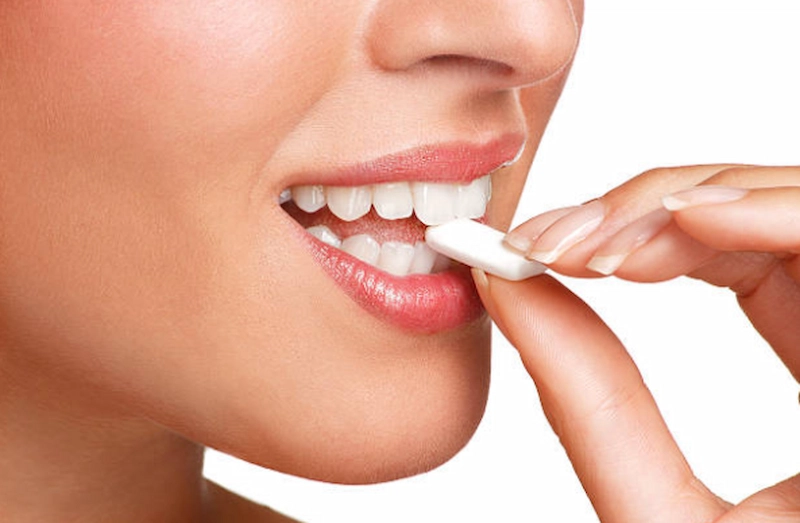
Sugar-free chewing gum can rinse away loose debris after eating. The chewing motion stimulates saliva production, which helps reduce acidity when brushing is not immediately possible. The gum base does not scrub away plaque or reach below the gumline.
How Saliva Supports Oral Health
Saliva carries minerals that support natural enamel remineralization. It also limits dry mouth and may lower the risk of tooth decay. These benefits work best alongside consistent hygiene practices. Other foods may also increase saliva and loosen debris, but understanding whether apples clean your teeth can help you separate useful habits from claims that overstate their effects.
Best Gum for Cleaning Teeth
Choose a product without added sugar. Chewing sugar-free gum is safer than choosing a sugary option that feeds cavity-causing bacteria. Look for the ADA Seal of Acceptance when available. Whitening products may reduce minor surface discoloration, but persistent marks may require a different approach than removing brown stains from teeth naturally.
Xylitol Gum for Teeth
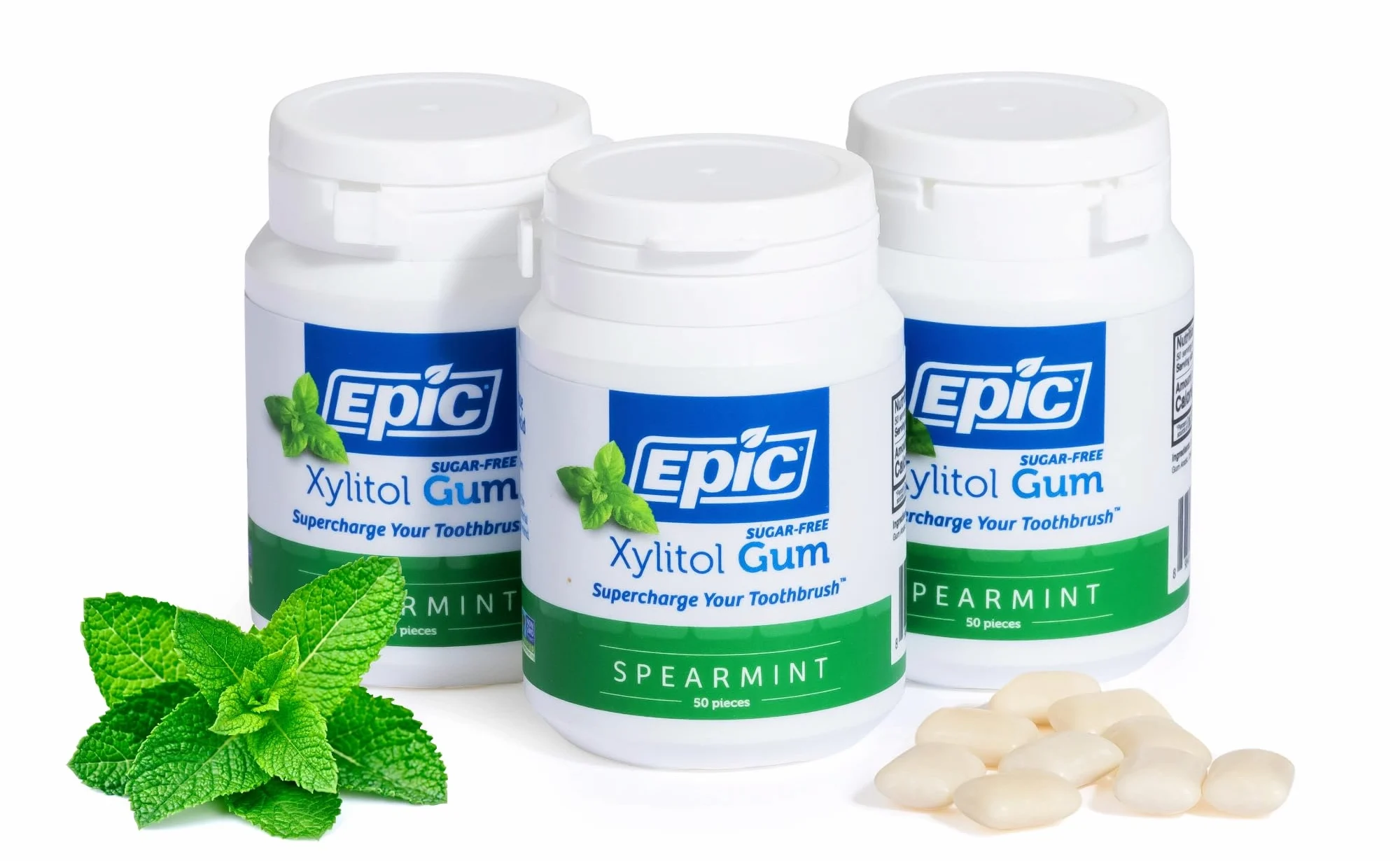
Xylitol is a sugar alcohol that oral bacteria cannot process as readily as regular sugar. Research suggests it may help reduce Streptococcus mutans as part of a complete dental hygiene routine. Large amounts may cause stomach discomfort, so follow the product label.
How to Use It After Meals
Chew for about 20 minutes after eating when you cannot brush your teeth. After a professional cleaning, follow your dentist’s guidance on how long after teeth cleaning you can eat, especially if fluoride or another treatment was applied.
This can help during a busy Manhattan workday, after lunch near Union Square, or between appointments. Longer sessions do not always offer more benefit.
Can It Repair Teeth or Cavities?
No chewing product can repair a cavity. Increased saliva may support very early remineralization, but it cannot rebuild damaged structure after a hole forms. Pain, sensitivity, or visible damage requires a dental exam.
It Does Not Replace Oral Care
Chewing may loosen debris, but it cannot reach every space between neighboring surfaces or below the gumline. Plaque requires brushing and flossing, while tartar requires professional removal. Dr. Waise Ebrahimi follows a preventive approach at Smile Lab focused on preserving natural tooth structure.
Gum Disease, Bleeding, and Jaw Pain
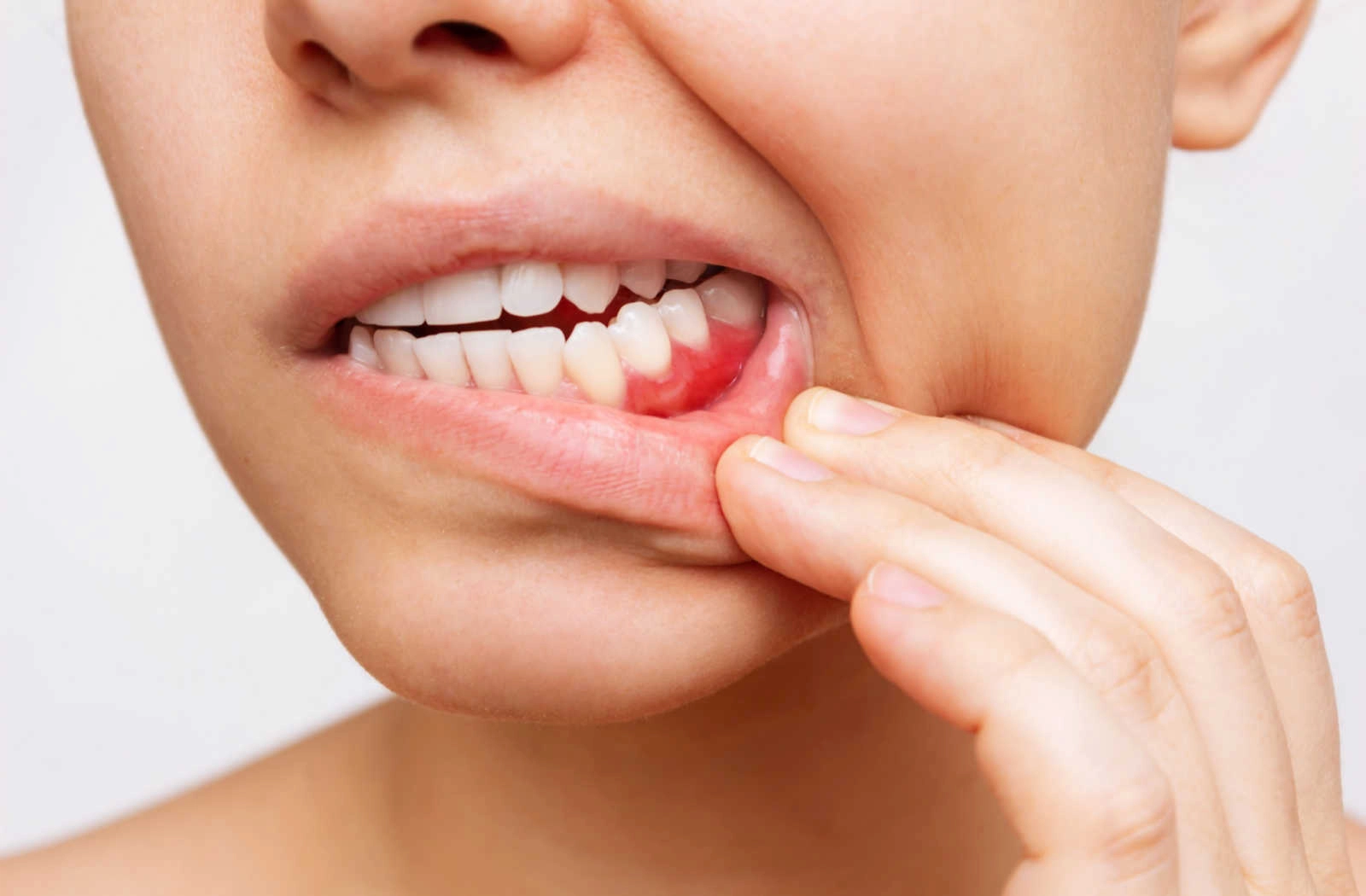
Chewing does not treat periodontal disease or ongoing inflammation. Repeated motion may also worsen TMJ pain, clicking, headaches, or jaw fatigue. Stop if discomfort develops, and schedule an evaluation if bleeding, swelling, or pain continues.
Get Personalized Dental Guidance
This habit can support oral health, but it cannot diagnose pain, treat decay, or replace professional care. Smile Lab helps NYC patients understand their symptoms and choose practical next steps without judgment. Schedule Your Visit when home care no longer provides relief.