Apples also contain natural sugars and acid that linger on enamel and briefly soften it. Rinse with water after eating one, then wait 30 to 60 minutes before you brush so you aren’t scrubbing a softened surface. Keep brushing twice daily with fluoride toothpaste and flossing once a day for real plaque removal.
How Do Apples Interact With Your Teeth?
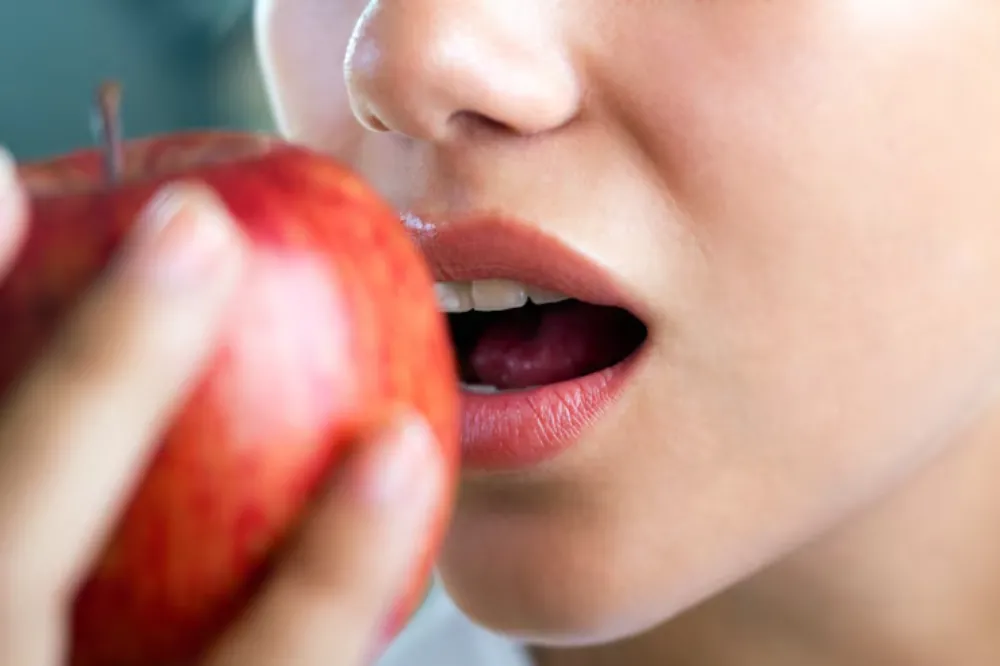
When you bite in, your jaw works harder because of the fibrous flesh. That extra chewing creates a mild scrubbing action that dislodges loose food particles from tooth surfaces.
The fruit also slides across enamel instead of clinging to it, so it leaves less residue than stickier snacks. Chewing also releases natural juices, and those juices carry mild acids that briefly soften enamel.
Why do my teeth feel clean after eating an apple? That fresh, almost squeaky feeling comes from the surge of saliva and the scrubbing texture, not from plaque removal. Your mouth feels rinsed because it is, but the sticky bacterial film along the gumline stays put.
Can Apples Really Clean Your Teeth?
Apples may help in a pinch, but they cannot clean your teeth as effectively as a toothbrush or floss. The texture and natural compounds reduce some surface debris, but they never reach between molars or below the gumline, where bacteria concentrate. The fruit is not a substitute for daily oral care.
Is eating an apple like brushing your teeth? No. Brushing physically disrupts and lifts plaque off the surface; a crisp bite only rinses and loosens. Treating fruit as a stand-in for a toothbrush leaves that film in place while adding sugar and acid on top of it.
| What it does | Eating an apple | Brushing and flossing |
|---|---|---|
| Removes plaque | No | Yes |
| Loosens surface debris | Partly | Yes |
| Reaches between teeth | No | Yes, with floss |
| Cleans below the gumline | No | Yes, with floss |
| Increases saliva flow | Yes | No |
| Delivers fluoride | No | Yes |
| Adds sugar and acid | Yes | No |
Do Apples Make Your Teeth Whiter?
Apples will not whiten your smile in any lasting way. The fruit contains malic acid, a compound used in some whitening products, so a crisp bite can lift very light surface staining and make your teeth look marginally brighter right after eating.
That effect is cosmetic and short-lived. Malic acid lifts stains because it is acidic, the same property that softens enamel. Rubbing apple slices across your smile, a trick that circulates online, drives acid into the surface and speeds erosion.
Thinner enamel exposes the yellow dentin underneath, so the habit deepens discoloration over time rather than reversing it. Enamel thinning is one of several reasons teeth can look yellow even with a solid brushing routine. The ADA’s review of whitening notes that do-it-yourself methods lack the evidence behind dentist-supervised options.
If color is the real concern, professional teeth whitening works on the stain layer without stripping enamel. The Smile Lab guide on removing brown stains naturally covers what does and does not work at home.
How Apples Might Support Oral Health
Four things do most of the work here: saliva, vitamin C, antioxidants, and fiber.
Saliva Production
Chewing triggers saliva flow, and saliva is the mouth’s own defense system. It washes away loose debris, buffers acid, and limits the bacteria that drive decay. Reduced saliva, known clinically as xerostomia, is linked to higher rates of cavities and gum inflammation.
Vitamin C
Apples have a notable amount of vitamin C, roughly 8 percent of the daily value in a medium fruit. Research on vitamin C and oral health links adequate intake with less gum inflammation and bleeding.
Are apples good for your teeth and gums? For gums, yes; the vitamin C and antioxidants genuinely help. For enamel, the sugar and acid make it a trade-off you manage through timing and rinsing.
Antioxidants
Apples carry quercetin, phloridzin, and chlorogenic acid. These antioxidants help counter the bacteria tied to decay and bad breath, and reduce inflammation in soft tissue.
Fiber
Apples also have a high fiber content that acts as a gentle scrub and gives gum tissue a light massage while you chew. Fiber also slows sugar absorption, limiting the acid spikes bacteria feed on.
A Look at The Nutritional & Chemical Components of Apples (Typical Values)
| Component | Amount |
|---|---|
| Fiber | About 2.4 grams per medium apple (182g) |
| Water | Around 86% of the fruit's weight |
| Vitamins | Vitamin C: ~8% of the daily value per medium fruit |
| Natural acids | Malic acid |
| Sugar content | About 10–15% |
| pH level | Between 3.3 and 3.9 (acidic range) |
Are Apples Bad for Your Teeth? Downsides You Need to Know
Alongside the benefits, there are real downsides worth knowing.
Sugar and Acid Erosion Risks
Apples contain fructose, and plaque bacteria feed on it, releasing acid as a byproduct. Combined with the fruit’s own acidity, this softens enamel and raises cavity risk when exposure happens often. Research on erosion from food and drink shows acidic items measurably weaken enamel.
Softened enamel is not lost enamel. Saliva and fluoride restore mineral content within about an hour, which is exactly why timing matters; the Smile Lab guide on how long enamel takes to remineralize explains the window in detail.
Sticky Residue and Cavity Concerns
Fibers can lodge between molars or along the gumline. Left there, that debris feeds bacteria and hardens into plaque, which is why flossing after a fibrous snack matters more than people assume.
Why Do Apples Hurt My Teeth?
Sharp, brief pain when you bite in usually points to exposed dentin. Enamel is the hard outer shell; dentin sits beneath it and contains microscopic tubules running toward the nerve.
Acid erosion, aggressive brushing, and gum recession all thin or expose that layer. Once dentin is uncovered, cold and acidic foods reach the nerve directly, which is why a chilled apple stings.
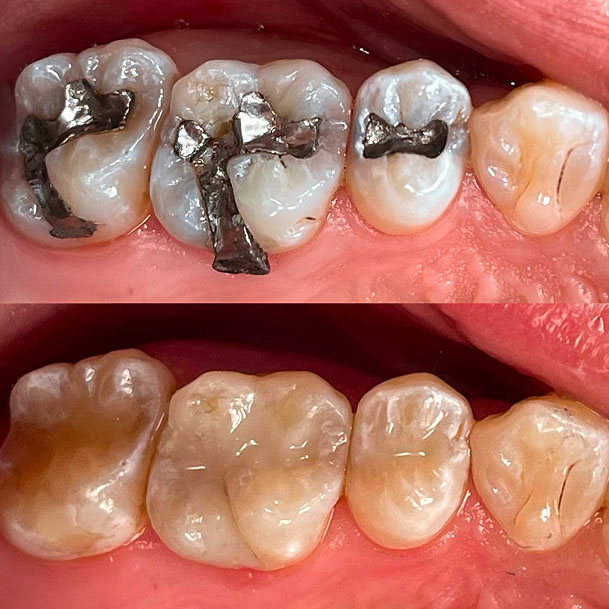
Biting through firm fruit can also flag a cracked tooth or a failing restoration, both of which need a dentist’s exam rather than a diet change if the pain traces back to a soft spot in the tooth itself, a cavity filling treats the cause before it spreads.
Can Apples Cut Your Gums?
Occasionally, yes. Biting into firm fruit can scrape or nick gum tissue, especially when gums are already inflamed or receding. The skin can also wedge under the gumline and irritate it.
Minor scrapes heal within a few days. Rinse with warm salt water and leave the spot alone. Bleeding every time you eat something firm usually points to gingivitis rather than the fruit, and a professional cleaning is the fix.
Tips to Enjoy Apples Without Harming Your Teeth
You do not need to cut the fruit from your diet. A few habits remove most of the risk:
- Eat apples with meals rather than as frequent snacks, which shortens the total time enamel spends exposed to sugar and acid.
- Rinse with water afterward to clear sugar and acid before they settle in.
- How long after eating an apple can you brush your teeth? Wait 30 to 60 minutes. Brushing a softened surface wears it down instead of protecting it.
- Pair the fruit with cheese or nuts. Dairy buffers acid and supplies calcium that supports enamel.
- Slice it instead of biting straight in. Is biting into an apple bad for your teeth? Not for healthy enamel, but it can strain crowns, veneers, braces, and cracked teeth.
Do you need to brush after eating an apple? Not as a separate session. Rinse, wait, then brush at your normal twice-daily times with a fluoride toothpaste, which the ADA recommends for cavity prevention. Skipping that step regularly is when problems start.
Other Fruits That Help Clean Your Teeth Naturally
Apples are a popular choice, but not the only food that supports a healthy smile. Other produce offers similar benefits, from gentle scrubbing to stronger enamel and gums. A few worth adding to your diet:
| Food | Oral health benefit |
|---|---|
| Strawberries | Reduce surface stains and bacteria |
| Celery & carrots | Gently clean the surface through fibrous texture |
| Leafy greens | Support gum health and strengthen enamel |
| Broccoli | Protect enamel and clean as you chew |
Conclusion
Apples are not a replacement for brushing and flossing, but they earn a place in a healthy routine. The fibrous texture and saliva boost deliver real benefits when you eat them mindfully, and the sugar and acid stay manageable with rinsing and timing.
Eating them mindfully is one small piece of a bigger routine, and that is where Smile Lab comes in. The Smile Lab team helps patients keep a healthy, confident smile through personal guidance and science-backed treatment.
FAQs
Can I eat apples with braces?
You can, but avoid biting into a whole apple, since the force can damage brackets or wires. Slice it into small pieces to reduce pressure on the hardware.
Can I eat an apple after brushing my teeth?
You can, though it is not ideal. Brushing strips the protective saliva layer, so acid reaches enamel more easily right afterward. Rinse with water and let saliva rebuild before brushing again.
What’s the best time to eat apples for dental health?
Eat them during or right after a meal to shorten the window enamel spends exposed to acid. Saliva flow is already higher at mealtimes, so it neutralizes acid faster.
Are there any risks to eating apples if you have sensitive teeth?
Natural acidity can trigger discomfort when dentin is exposed. Pair the fruit with cheese or nuts, rinse afterward, and skip eating it straight from the fridge, since cold intensifies the response.