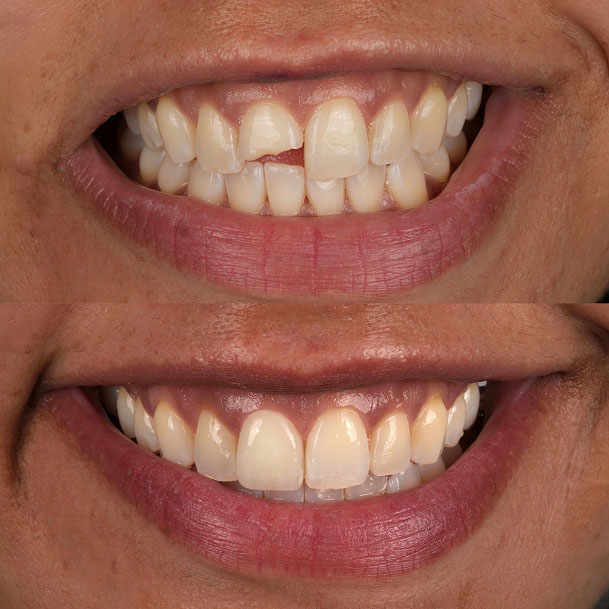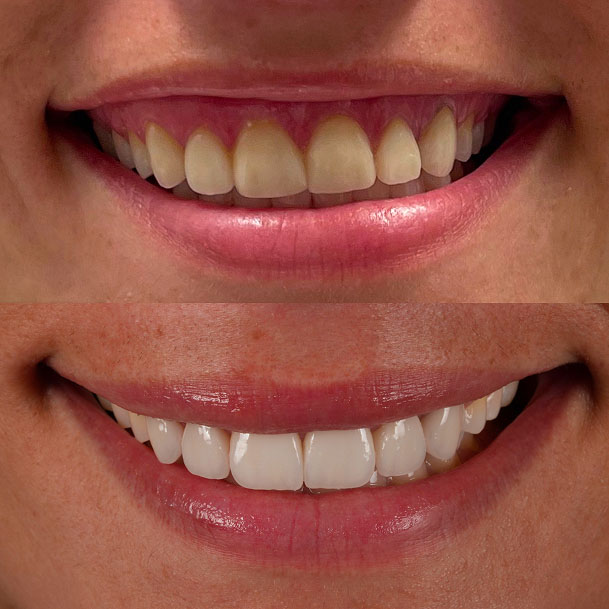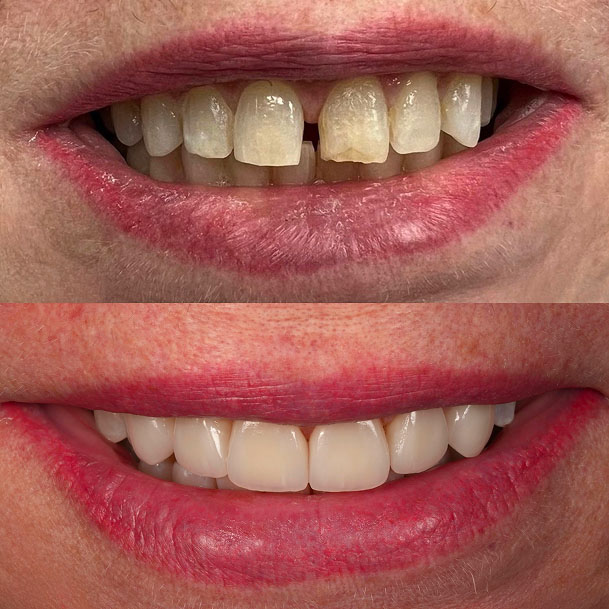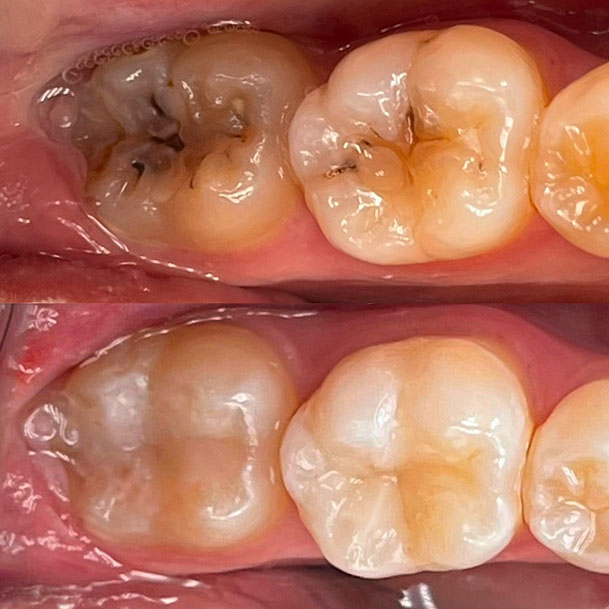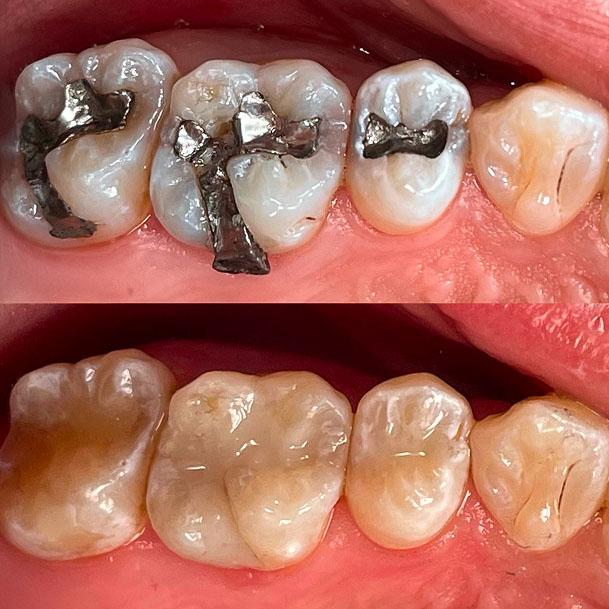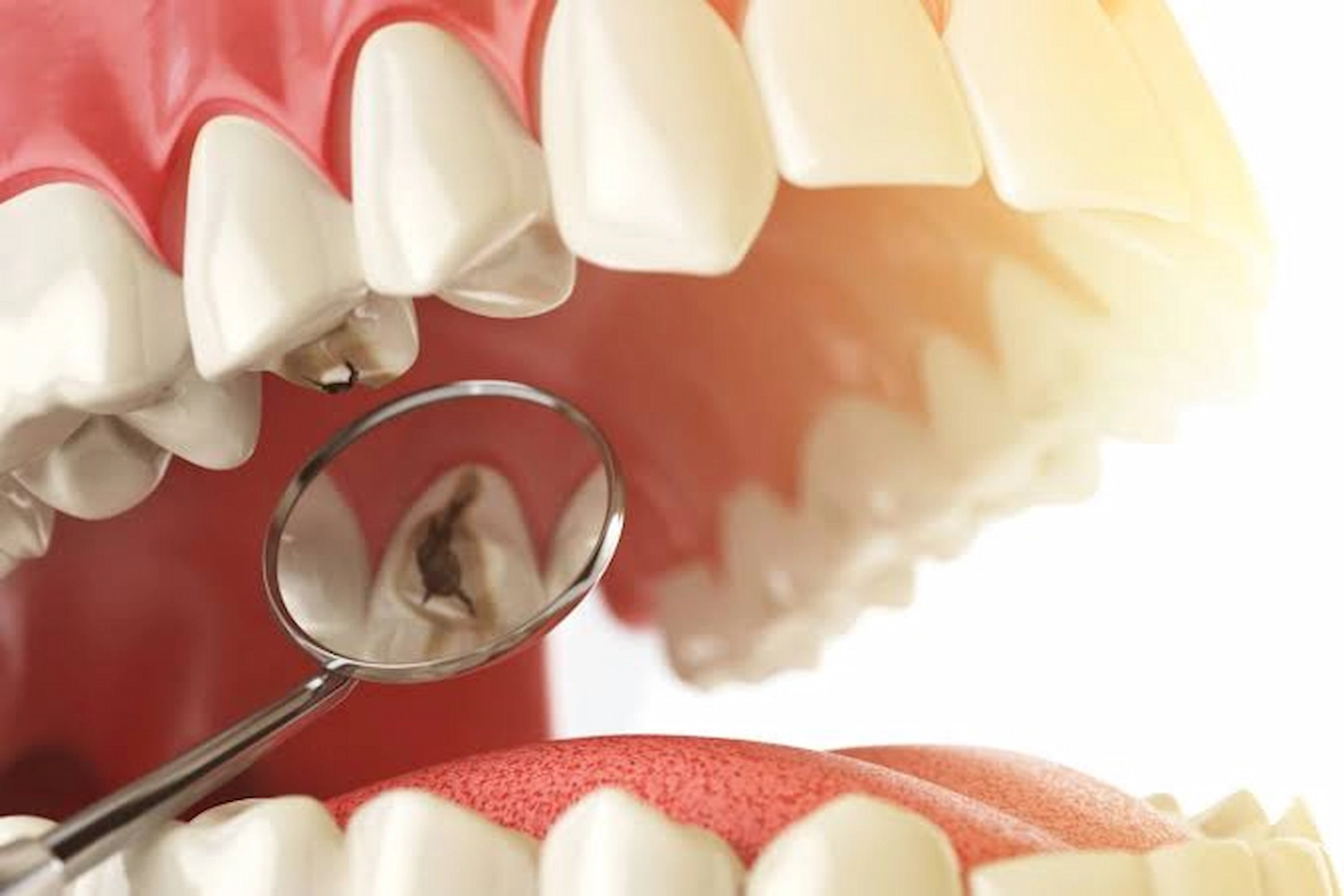
Nearby teeth can still develop tooth decay, so good oral hygiene is essential. Brushing, flossing, and regular dental visits help protect your teeth and gums. At Smile Lab in Union Square, Manhattan, Dr. Waise Ebrahimi checks implant health and helps patients prevent long-term problems.
Key Takeaways
- Dental implants cannot get cavities because their materials don’t decay like natural tooth enamel.
- Nearby teeth and gums still need care. Plaque can cause cavities in natural teeth and infections around implants.
- Peri-implantitis can lead to bone loss and implant failure if left untreated.
- Brush and floss daily to help protect implants. Regular dental cleanings also help keep your gums healthy.
- Pain, swelling, bleeding, or a loose implant may signal a problem. See your dentist if you notice these signs.
Can Dental Implants Get Cavities?
The quick answer is no. Implants cannot get cavities because they have no enamel and dentin. Unlike natural teeth, they don’t develop tooth decay, but they aren’t maintenance-free.
Concerns about cavities in dental implants often involve nearby teeth or gum infections. Good oral health helps prevent these problems.
Why Dental Implants Cannot Develop Decay
Most implants have a titanium or ceramic post and an artificial crown. These materials do not break down from bacterial acids like natural tooth enamel.
Can Cavities Form Around Dental Implants?
Yes, nearby natural teeth can still get cavities. Plaque can also build up near the implant and harm the surrounding gums.
Can Dental Implants Get Infected?
Yes. Bacteria can cause gum swelling around an implant. Early gum inflammation, called peri-implant mucositis, can lead to peri-implantitis, a condition that damages the gums and bone. Learn how dental implants and gum disease are connected and why early care matters.
What Is the Main Reason Implants Fail?
One major cause of implant failure is bone loss from peri-implantitis. Poor healing, smoking, and too much pressure from biting can also cause problems.
Signs of Dental Implant Problems
Dental implant problems can cause changes in your gums or the area around the implant. Watch for these warning signs:
- Bleeding gums: Bleeding when you brush or floss may signal gum inflammation.
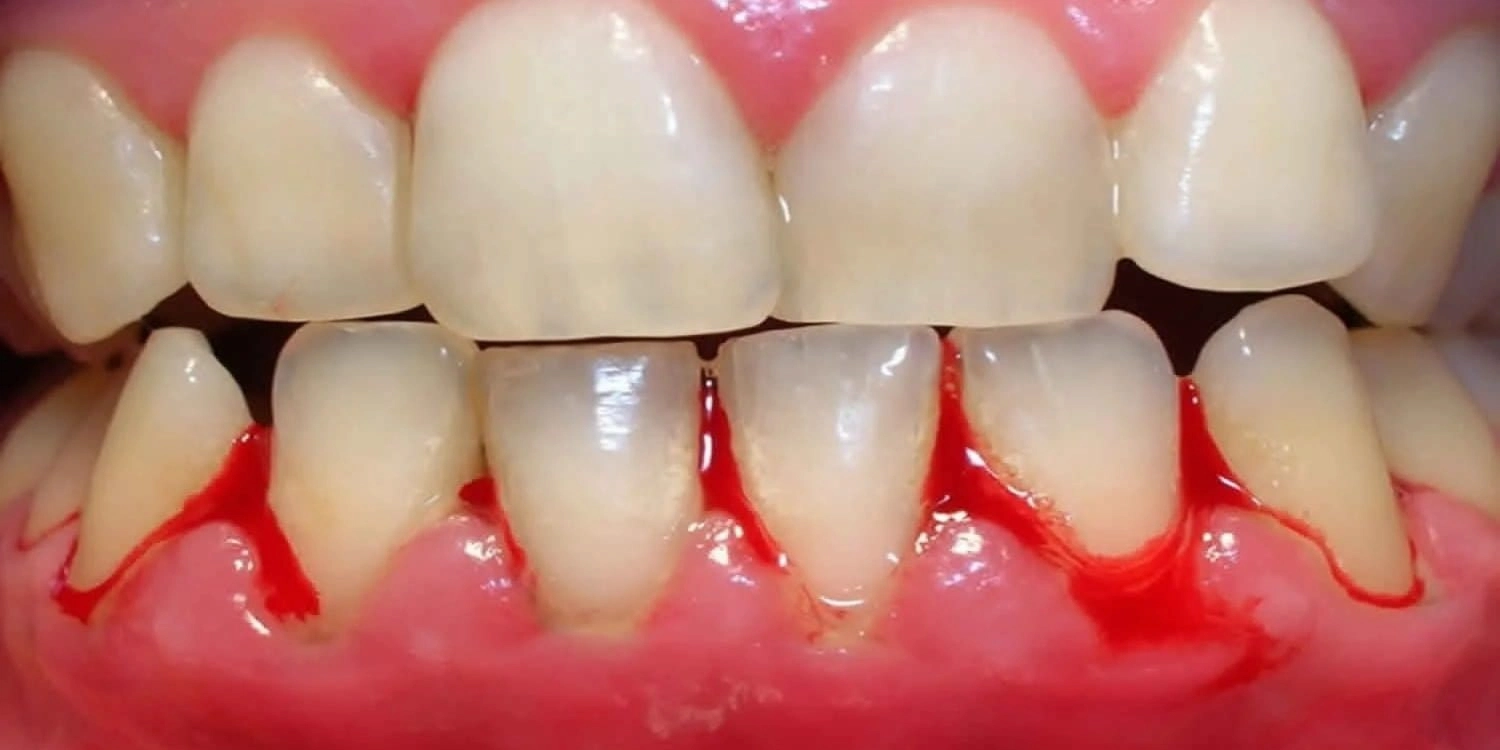
- Swelling: Red or swollen gums around the implant may indicate infection.
- Bad breath: Ongoing bad breath or a bad taste may result from bacterial buildup.
- Loose implant: Movement in the implant or crown may signal a problem that needs dental care.
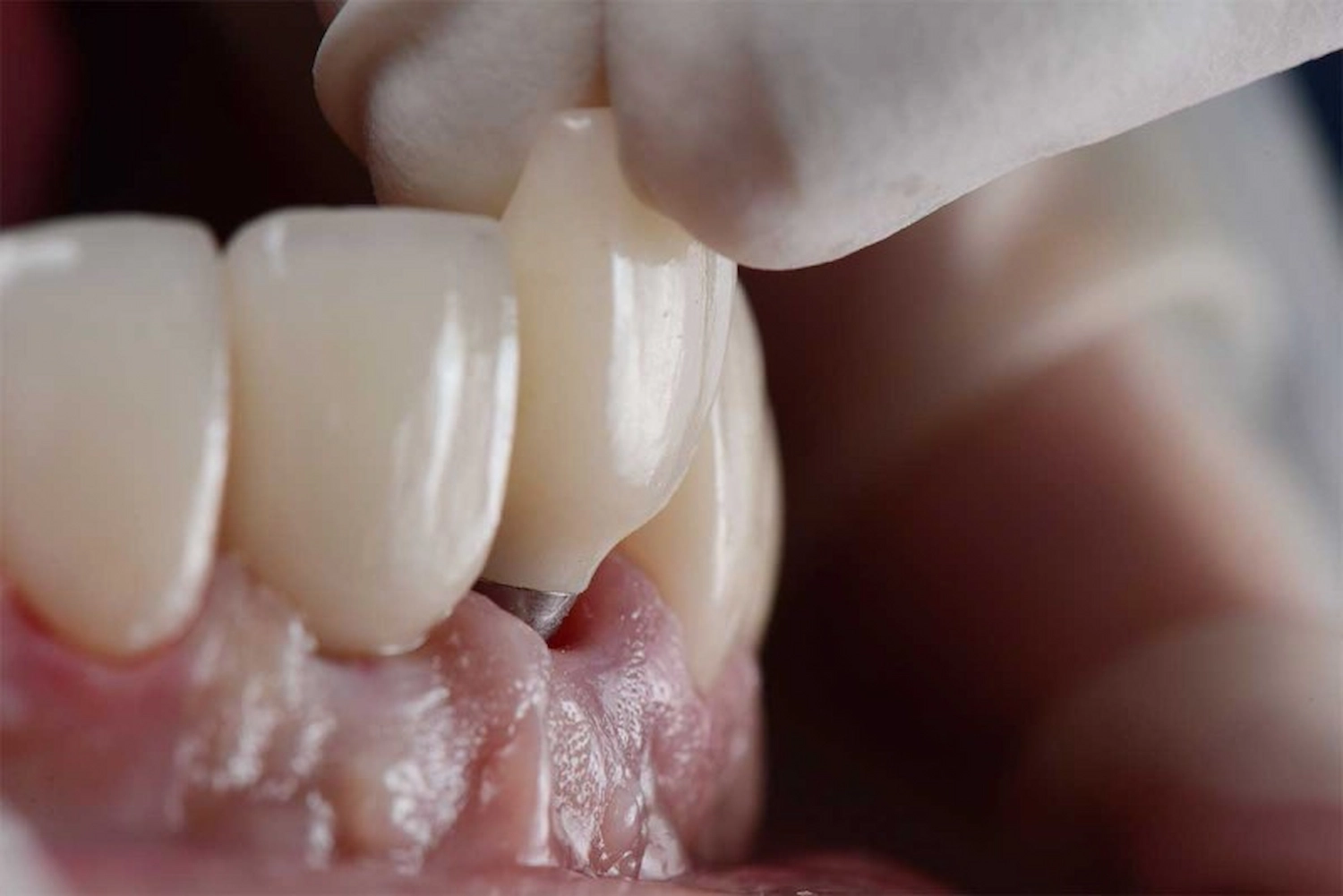
- Persistent pain: Pain that continues or gets worse after healing may indicate an issue.
These signs may point to gum disease, infection, or other implant problems. Learn more about the signs of dental implant infection, and see your dentist if you notice any of them.
Do Dental Implants Hurt?
Mild pain after surgery is normal. Learn how to relieve dental implant pain during recovery. Pain that lasts too long or worsens may signal a problem.
Do Dental Implants Last Forever?
With proper care, implants can last for decades. The crown may need replacement sooner due to wear or damage.
Can Dental Implants Go Bad Years Later?
Yes. Gum infections, bone loss, or crown damage can occur years after treatment.
How to Keep Dental Implants Healthy
To properly care for your implant:
- Brush twice a day with a soft-bristled toothbrush.
- Use floss or an interdental brush to clean between teeth.
- Use a non-abrasive toothpaste for dental implants.
- Schedule regular dental checkups and cleanings.
Good dental implants and oral hygiene habits help keep your gums healthy.
Do Fake Teeth Get Yellow?
Artificial crowns resist stains better than natural teeth, but they can still change color over time. Good cleaning habits help reduce stains.
When to See a Dentist
See your dentist if you notice pain, swelling, bleeding, or a loose implant. Early care can prevent small problems from worsening.
At Smile Lab, Dr. Waise Ebrahimi uses his dental implant placement training to check for problems and help protect your oral health. If you have concerns about your implant, schedule a consultation to learn about your options.