Most patients can return to a normal diet within 7–14 days, as comfort allows, although surgical extractions may take longer; avoid hard, crunchy, spicy, or sticky foods until the area has healed enough.
At Smile Lab in Union Square, Manhattan, Dr. Waise Ebrahimi provides personalized aftercare instructions to help patients recover safely and understand when they can resume their usual meals.
Key Takeaways
- You can usually eat a few hours after a tooth extraction, once the numbness wears off and bleeding has stopped.
- During the first 24–48 hours, choose soft, cool, or lukewarm foods like yogurt, mashed potatoes, scrambled eggs, and applesauce.
- Between days 2 and 5, gradually introduce soft solids. Most patients can return to a normal diet within 7–14 days, depending on their recovery.
- Avoid straws, hot drinks, alcohol, and hard or crunchy foods during early healing to protect the blood clot and reduce the risk of dry socket.
- Contact your dentist if you experience worsening pain, persistent bleeding, fever, or other unusual symptoms during recovery.
When Can I Eat After a Tooth Extraction?
Most patients can start eating soft foods within a few hours, once the numbness wears off and bleeding has stopped. If you’re wondering whether you can eat three hours after the procedure, the answer is often yes, as long as you feel comfortable and your dentist has cleared you to do so.
Wait until you can feel your lips, tongue, and cheeks normally to avoid accidentally biting them. If you still need gauze to control bleeding, wait before eating and follow your dentist’s instructions.
What Can I Eat After Tooth Extraction?
Choose soft, cool foods that require little chewing during early healing. These protect the sensitive area while helping you maintain your energy and nutrition. For more meal ideas, explore these 50 soft foods to eat after tooth extraction.
Safest Foods During the First 24 Hours
During the first day, choose foods that are smooth, soft, and easy to chew. Good options include:
- Plain yogurt without crunchy toppings
- Applesauce or mashed bananas
- Pudding or gelatin
- Smoothies eaten with a spoon
- Soft avocado
After the first 24 hours, you can usually introduce lukewarm mashed potatoes, scrambled eggs, and soft pasta.
What Can I Eat on Day 4?
By day four, swelling and discomfort may start to improve, making eating easier. You can try soft rice, flaky fish, tender pasta, or well-cooked vegetables if chewing feels comfortable.
When you’ve had multiple teeth extracted, recovery may take longer. Continue choosing softer meals if the area remains sensitive.
When Can I Eat Solid Foods Again?
Most patients can gradually return to a regular diet over several days to one or two weeks, depending on the procedure and tooth extraction healing time. Start with tender foods before introducing meals that require more chewing.
Avoid forcing yourself to chew through discomfort. Pain or renewed bleeding suggests you should return to softer options.
Eating with Stitches or After Wisdom Tooth Removal
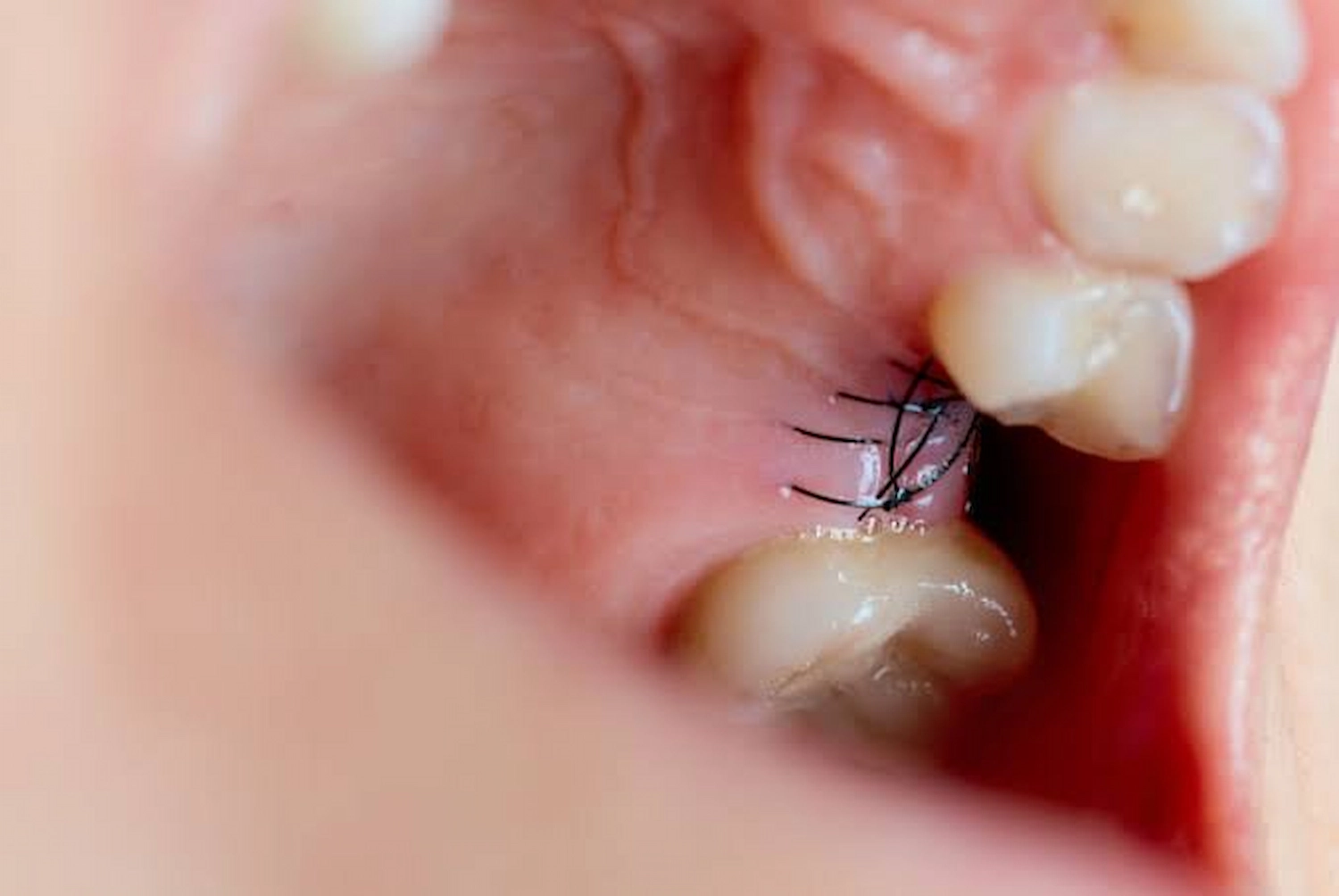
If you have stitches, you can usually eat soft foods once the numbness wears off and bleeding is controlled. After wisdom teeth removal, most patients should stick to soft foods like yogurt, mashed potatoes, and scrambled eggs for the first few days. Stitches do not necessarily mean you must avoid all solid foods, but you should avoid chewing near the surgical area.
You can often introduce tender pasta, soft fish, and other easy-to-chew foods around days 3–5, depending on your comfort and your dentist’s instructions. Returning to a regular diet may take 1–2 weeks or longer, especially after impacted wisdom teeth are removed. Avoid hard, crunchy, and sticky foods until your dentist confirms they are safe.
Foods and Drinks to Avoid After Extraction
Certain foods can irritate the wound, increase discomfort, or interfere with healing. During early recovery, avoid:
- Hard or crunchy foods, including chips and nuts
- Sticky foods, such as caramel and chewy candy
- Acidic foods, including citrus fruits
- Spicy meals that cause irritation
- Very hot foods and beverages
- Alcohol and drinks consumed through straws
You can usually introduce warm foods after the first day, once bleeding is controlled. For coffee, wait at least 24 hours and follow your dentist’s advice about caffeine and temperature.
How to Protect the Extraction Site
After oral surgery, your body forms a protective clot inside the empty socket. This is one of the first steps toward healing.
Blood clots protect the underlying bone and nerves while new tissue develops. Avoid smoking, vigorous rinsing, forceful spitting, and drinking through straws because these actions may dislodge the blood clot.
Can Food Touch the Extraction Site?
Brief accidental contact is usually not a problem, but avoid chewing directly over the wound. Small food particles can collect around the socket and cause irritation.
After the first 24 hours, gently rinse with warm salt water after meals if your dentist recommends it. Avoid picking at the wound with your tongue, fingers, or toothbrush. Following proper post-extraction oral hygiene can also help keep the area clean without disturbing the healing socket.
When Is Dry Socket No Longer a Risk?
Dry socket occurs when the protective clot breaks down or is displaced before the wound heals. The condition typically develops within the first three to five days.
The risk generally decreases as the socket heals, especially after the first week. There is no exact day when everyone becomes completely risk-free, so continue following your aftercare instructions.
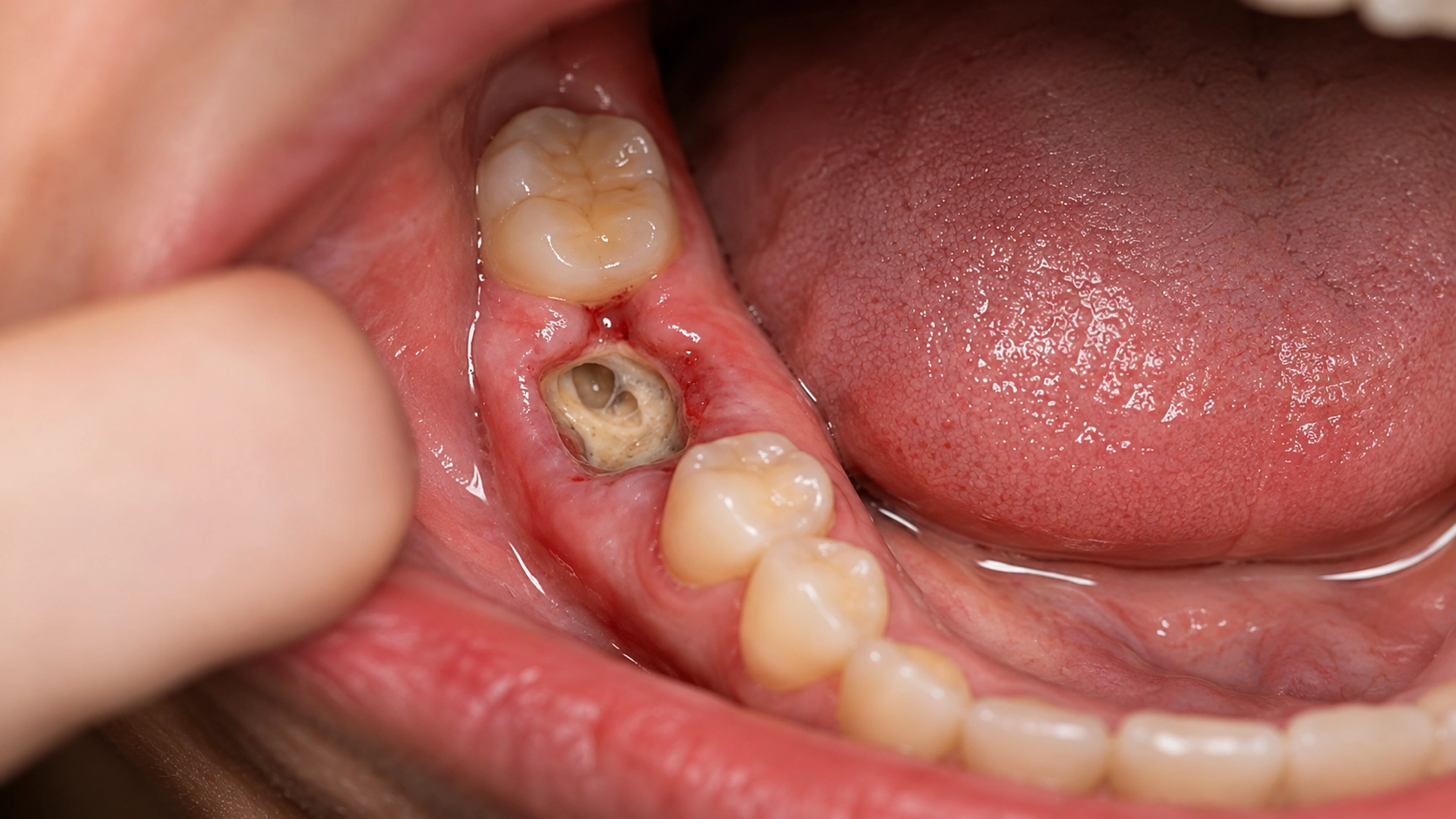
When to Contact Your Dentist
Mild soreness, swelling, and minor bleeding can occur during early recovery. Contact your dentist if you experience worsening pain after a few days, persistent bleeding, fever, or an unpleasant taste accompanied by increasing discomfort.
Dr. Waise Ebrahimi, DDS, emphasizes conservative dental care and personalized recovery instructions. At Smile Lab in Union Square, Manhattan, patients can discuss their symptoms, healing progress, and questions about returning to normal meals.
If you’re unsure about your recovery or planning a procedure, schedule a visit for guidance based on your dental needs.