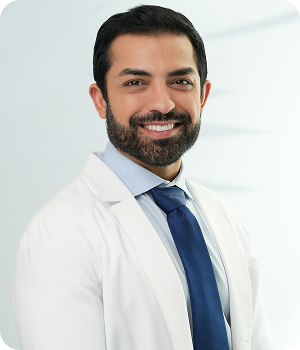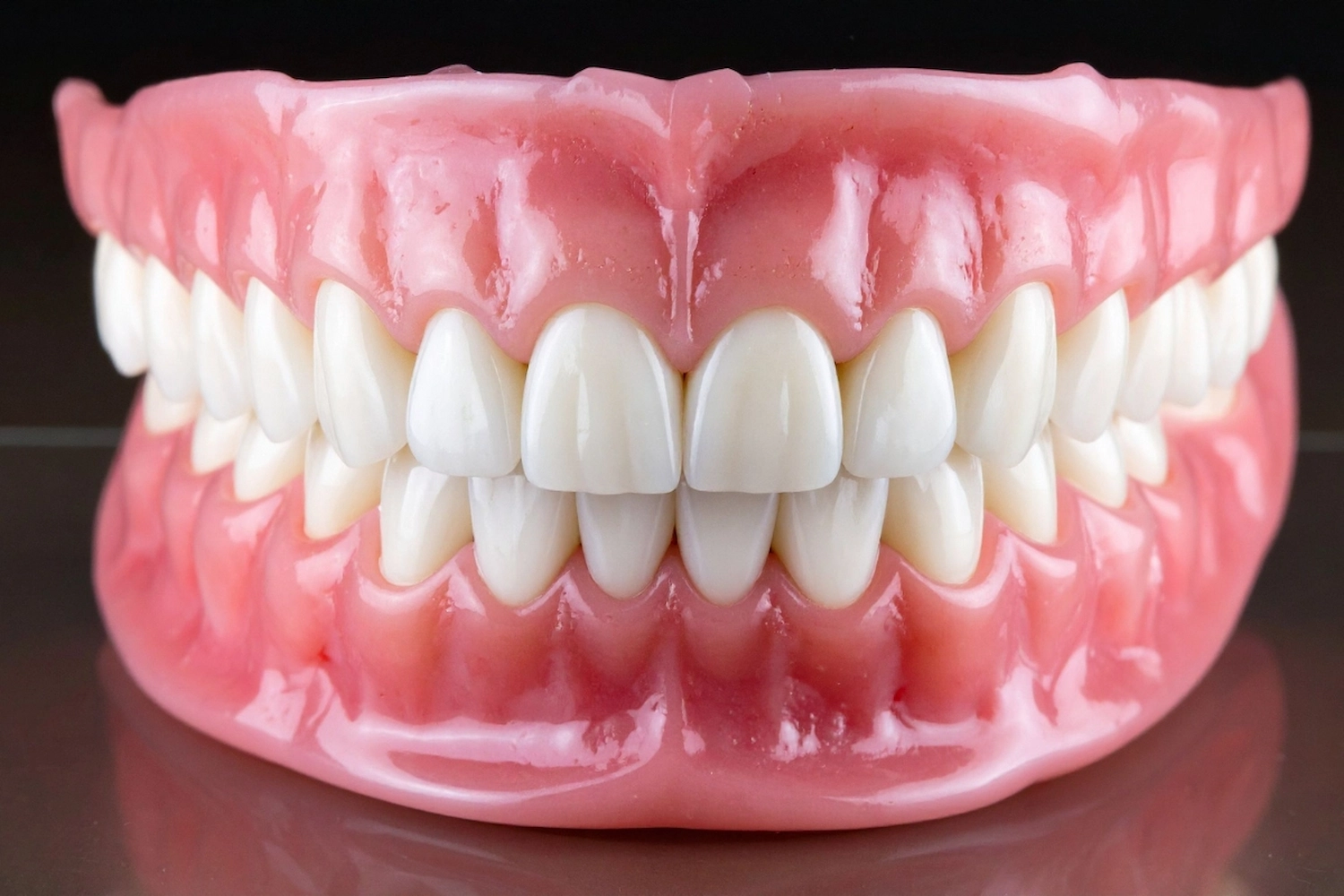
Your dentist may ask you to keep them in place for the first 24–48 hours, depending on your needs. At Smile Lab in Union Square, Dr. Waise Ebrahimi, DDS, can assess your oral health and help you plan your treatment and recovery.
Key Takeaways
- Immediate dentures replace missing teeth on the day of extraction, so you can keep your usual appearance while healing.
- Your dentist may ask you to wear them for the first 24–48 hours to protect healing gums.
- Eating soft foods, cleaning your dentures, and following your dentist’s advice can help your mouth heal.
- Changes in your gums and jawbone may cause your dentures to loosen and need adjustments.
- Dentists usually fit permanent dentures after your mouth has healed enough, which may take several months.
Can You Wear Dentures Immediately After Extraction?
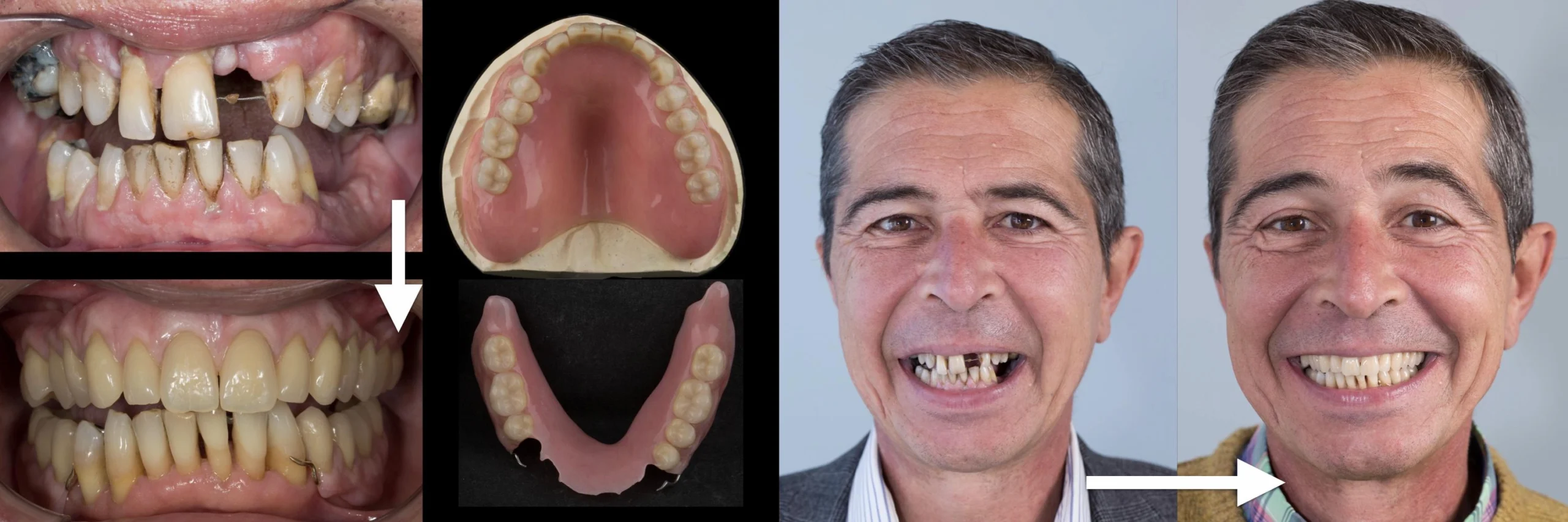
Yes, your dentist can place immediate dentures after extraction if the treatment was planned in advance. They cover the extraction sites and help you maintain your usual appearance while your gums heal.
Can You Wear Your Old Dentures?
Your existing partial dentures may no longer fit after tooth removal. Your dentist should check them before you wear them again, since a poor fit can irritate healing gum tissue.
How Do Immediate Dentures After Tooth Extraction Work?
Before surgery, your dentist takes impressions of your mouth. A dental lab then makes a temporary denture that you can place right after your remaining teeth are removed. This means you do not have to spend the healing process without natural teeth or replacements.
Benefits and Limitations of Immediate Dentures
Immediate dentures offer several benefits:
- Help you keep your usual appearance.
- Protect areas where teeth were removed.
- Help you get used to speaking and eating.
- Reduce time spent without teeth.
The main drawback is that the fit changes as your gums and bone heal. You may need adjustments to keep them comfortable.
How Long Does It Take to Fit Dentures?
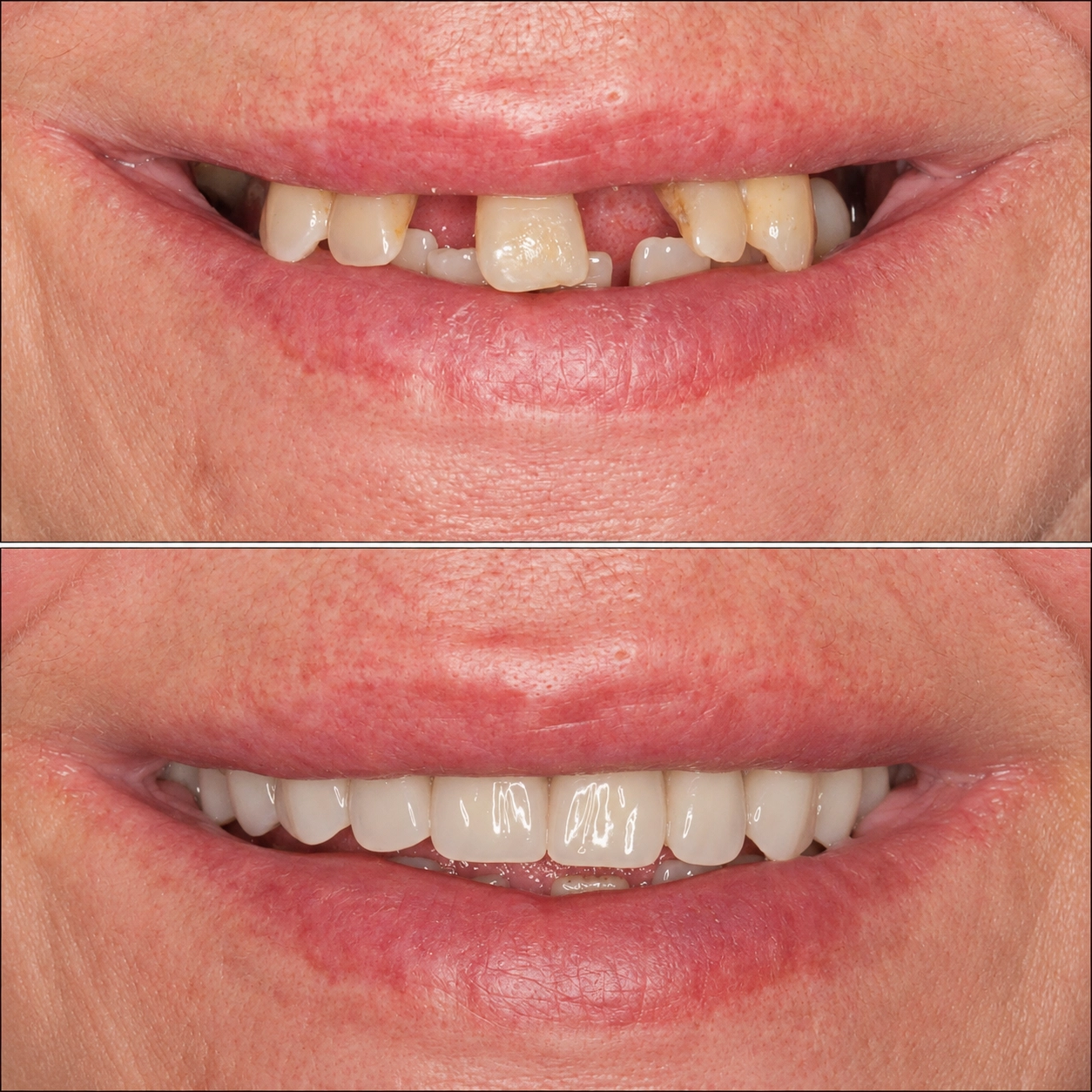
Immediate dentures usually take 1–3 weeks to prepare and are fitted on the day of tooth extraction. Permanent dentures are often fitted 3–6 months after extraction, once your gums have healed enough. Making and fitting the permanent set may take another 2–6 weeks, depending on your treatment plan.
What to Expect During Recovery
The healing period depends on your oral health and how many teeth were removed. Recovery also varies by procedure, as explained in our guide to wisdom teeth removal recovery. Learn more about tooth extraction healing time and what to expect during each stage of recovery.
| Recovery Stage | What to Expect |
|---|---|
| First 24 hours | Mild bleeding, swelling, and soreness |
| Days 2–3 | Swelling and soreness may peak |
| Days 4–7 | Pain and swelling usually start to improve |
| Following weeks | Gums heal and change shape |
| Following months | Deeper healing continues, and the fit may change |
Managing Pain and Discomfort
Small sore spots may form where your dentures press against your gums. Your dentist can adjust the fit or add a soft lining to make them more comfortable during adjustment.
When to Contact Your Dentist
Call your dentist if you have severe pain, bleeding that will not stop, fever, or swelling that gets worse. You should also seek help if your dentures become too painful to wear or will not fit back into place.
How Long Should You Keep Immediate Dentures In?
Your dentist may ask you to wear them without removing them for the first 24–48 hours. Taking them out too soon can allow your gums to swell, making them harder to put back in.
Do Gums Heal Faster With Dentures In or Out?
Neither option always heals faster. Wearing them at first can protect your gums, while taking them out when advised allows cleaning and helps relieve pressure.
When Should You Not Wear Your Dentures?
Remove them when your dentist tells you to, or if you have severe discomfort that needs checking. You may need to sleep with them at first, but your dentist will explain when you can start taking them out at night.
How to Care for Your Dentures
Good daily care helps protect your gums and makes wearing your new teeth more comfortable.
Eating and Drinking
Follow a soft diet with foods like yogurt, mashed potatoes, eggs, and lukewarm soup. For more meal options, explore these 50 soft foods to eat after tooth extraction. Avoid hard, crunchy, sticky, or very hot foods during early recovery.
Cleaning Your Dentures
Once your dentist allows removal, clean them with a denture brush and a suitable cleanser. Avoid hot water and rough toothpaste. Rinse your mouth gently, following your dentist’s instructions. If you still have natural teeth, follow the recommended steps for cleaning teeth after extraction without disturbing the healing areas.
Speaking and Adjusting to Dentures
Your speech may sound different at first. Reading aloud and practicing words can help you get used to your new teeth. Most daily activities become easier as you adjust.
Immediate vs. Permanent Dentures
As your mouth heals, your dentist may adjust your current dentures or suggest a permanent set. If you’re considering dentures after extractions, a consultation can help you understand your options and what to expect.