Key Takeaways
- Plan before surgery. Tell your dentist about your health, medications, and concerns. Ask which type of anesthesia you will need.
- Follow food and drink rules. Fasting depends on the type of anesthesia you receive. Always follow your dentist’s instructions.
- Arrange a ride and time to rest. If you receive sedation or general anesthesia, have an adult take you home. Plan a few days off if you need them.
- Get your recovery supplies ready. Buy soft foods, gauze, and ice packs. Avoid straws, smoking, and habits that may slow healing.
- Know what to expect after surgery. Pain and swelling often peak on days two or three. Your gums and deeper tissues will keep healing over the next few weeks.
What to Do Before Wisdom Teeth Removal
Start planning a few days before your visit. Your dentist will give you instructions based on your health and treatment plan.
Review Your Medical History and Medications
Tell your dentist about health issues, allergies, medications, and supplements. Blood thinners may affect bleeding, while some drugs can interact with anesthesia. Never change prescribed medications without medical advice.
Dr. Waise Ebrahimi, DDS, focuses on careful planning and saving natural teeth when possible. A dental exam helps determine if extraction is needed. You can also learn which dentists remove wisdom teeth and when you may need an oral surgeon.
Discuss Anesthesia and Transportation
Your dentist or oral surgeon will recommend anesthesia based on your health and whether your wisdom teeth are impacted.
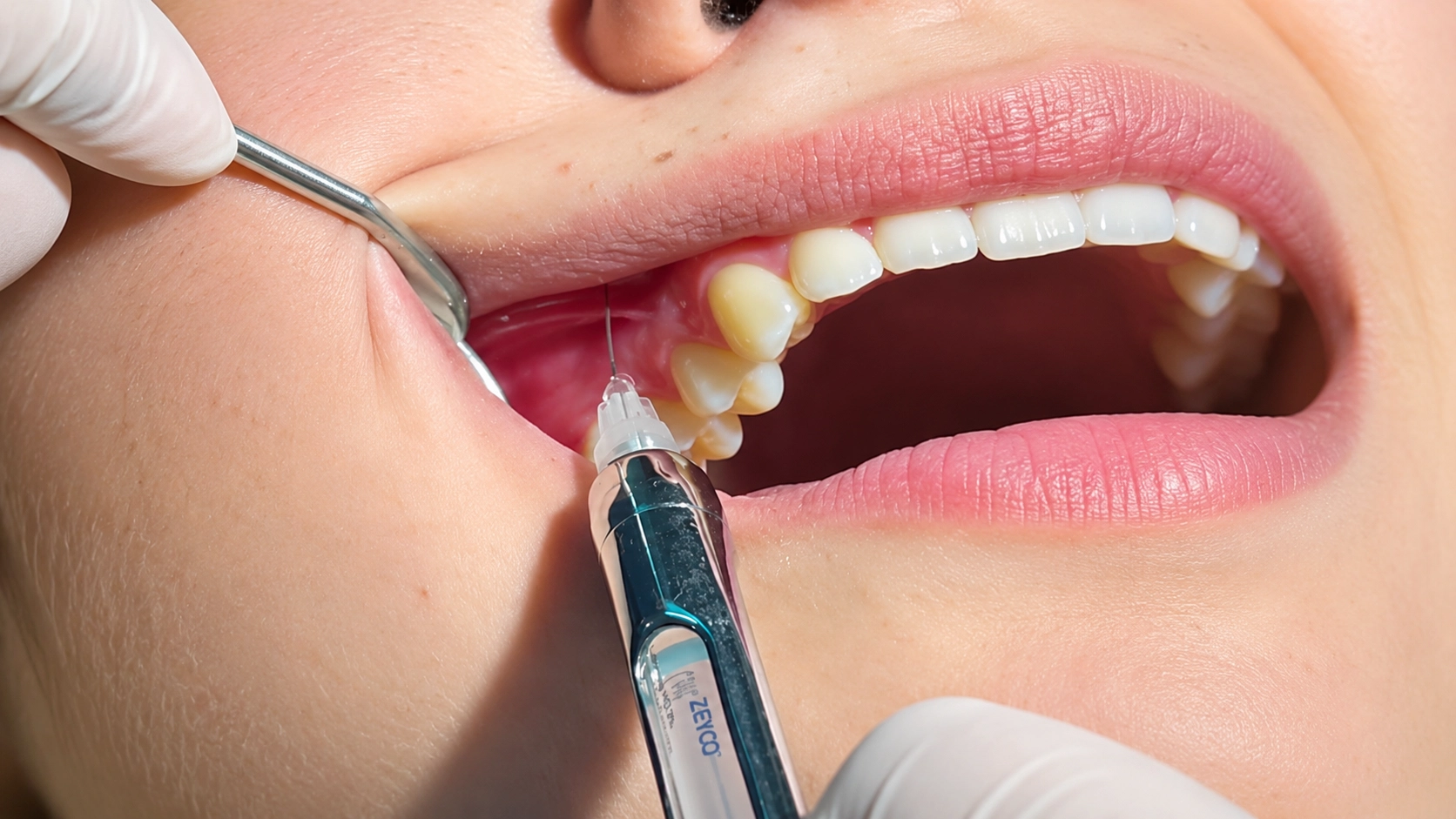
Local anesthesia numbs the area while you stay awake. Sedation helps you relax, while general anesthesia puts you fully asleep. Wisdom tooth removal normally requires at least local anesthesia to prevent pain.
If you receive sedation or general anesthesia, arrange a ride home and adult support afterward. Plan for 1 to 3 days off work, or longer if advised.
Prepare Soft Foods and Recovery Supplies
Buy yogurt, applesauce, mashed potatoes, eggs, and mild soups. For more meal ideas, explore these 50 soft foods to eat after tooth extraction. Keep gauze, an ice pack, and prescribed medications nearby.
The American Association of Oral and Maxillofacial Surgeons (AAOMS) recommends planning transportation and recovery supplies before oral surgery.
Preparing for Wisdom Teeth Extraction the Day Before
Check your appointment time, review instructions, and get enough sleep. Your last meal before wisdom tooth extraction depends on the type of anesthesia.
Follow Fasting and Medication Instructions
For some procedures, standard guidance allows a light meal up to six hours before anesthesia and certain clear liquids up to two hours before. Your surgeon may give different instructions, so always follow their rules.
Ask whether to take your regular medications with a sip of water. The American Society of Anesthesiologists explains why fasting requirements vary.
Can Pineapple Juice Help Before Surgery?
Pineapple contains bromelain, a substance studied for its effects on swelling. There isn’t enough evidence that drinking pineapple juice before surgery reduces swelling. Never drink it during a required fasting period.
What to Do on Surgery Day
Wear loose clothes and follow your dentist’s rules about jewelry, makeup, and contact lenses. Bring your ID, medication list, and required forms.
Brush your teeth gently unless told otherwise. Confirm your ride home before leaving.
What Not to Do Before Wisdom Teeth Removal
Some habits can affect anesthesia or slow healing. Before surgery:
- Avoid smoking, vaping, and recreational drugs as directed.
- Do not drink alcoholic beverages during the period your surgeon specifies.
- Never stop prescribed medications without approval.
- Follow all fasting instructions.
- Avoid unapproved supplements or pain medicines.
Smoking increases the risk of healing problems. Tell your dentist about recent substance use.
How to Prepare for a Faster Recovery
Protecting the extraction site helps your mouth heal. Follow your dentist’s aftercare instructions and avoid hard exercise. These wisdom teeth removal recovery tips can help you plan for the first few days after surgery.
How to Reduce Swelling After Surgery
Use a cold pack on your cheek for short periods during the first 24 hours, as directed. Keep your head raised while resting.
Is Day 2 or 3 Worse After Removal?
Pain and swelling often peak on days two or three. Symptoms should then start to improve. Learn more about recovery after getting your wisdom teeth removed and what to expect at each stage.
What to Expect During Recovery
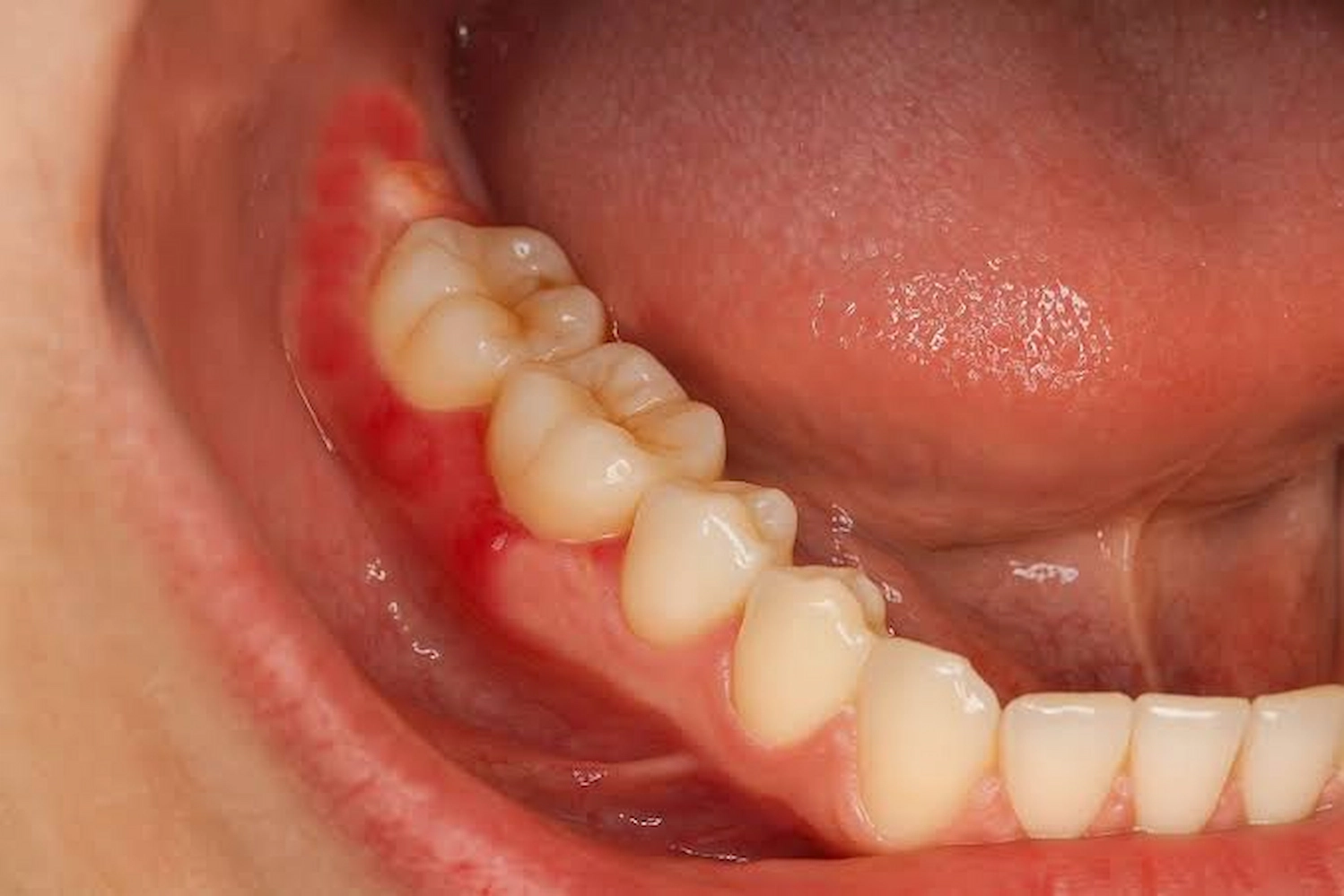
A blood clot forms inside the socket to protect the surgical site. Avoid straws, forceful rinsing, and smoking to lower the risk of dry socket.
Use gauze as directed to control bleeding. Gum tissue closes as healing continues. Follow your dentist’s advice on cleaning your teeth after extraction to keep your mouth clean without disturbing the healing area.
The NHS advises getting dental help for bleeding that will not stop, worsening pain, or signs of infection. Seek emergency care if you have trouble breathing or swallowing.
Wisdom Teeth Removal Preparation Checklist
Before surgery, make sure you have:
Get Ready for Your Wisdom Teeth Removal
A dental visit can help you find out whether extraction is needed. At Smile Lab in Union Square, Manhattan, you can discuss your concerns and get a care plan based on your needs.
Schedule a consultation when you’re ready to explore your options.