Proper aftercare helps prevent complications and supports healing. Rest during the first 24 hours, use cold compresses to manage swelling, eat soft foods, and avoid smoking, straws, forceful rinsing, and strenuous exercise during early healing. Increasing pain, persistent bleeding, fever, or worsening swelling may signal a complication that needs dental attention.
Key Takeaways
- Recovery time: Most people feel better within 3–7 days, while initial healing typically takes up to two weeks.
- Peak discomfort: Pain, swelling, and jaw stiffness often peak during the first 48–72 hours.
- Daily activities: Plan for several days of rest, especially after surgical extractions.
- Aftercare: Eat soft foods, clean gently, and protect the blood clot to support healing.
- Warning signs: Worsening pain, fever, persistent bleeding, or increasing swelling require dental evaluation.
How Long Does It Take to Recover from Wisdom Teeth Removal?
Most people recover from wisdom teeth removal within 3–7 days, although initial healing can take up to two weeks. Pain and swelling usually peak during the first 48–72 hours, then gradually improve. Many patients can return to work, school, and normal daily activities within a week, although tooth extraction healing time varies, and the gums and underlying bone may continue healing for several weeks or months.
Recovery time depends on whether the teeth were fully erupted or impacted, how many were removed, and the extraction’s complexity. Fully erupted teeth generally require less recovery time, while impacted teeth may involve incisions, bone removal, or stitches that extend healing. Following your dentist’s aftercare instructions helps reduce discomfort and prevent complications.
Day-by-Day Wisdom Teeth Recovery Timeline
The following timeline describes common healing stages after extraction. Your experience may vary depending on the procedure and your body’s response.
| Recovery Period | What to Expect |
|---|---|
| First 24 hours | Blood clot formation, mild bleeding, and initial swelling |
| Days 2–3 | Peak swelling, soreness, and jaw stiffness |
| Days 4–5 | Less discomfort and easier chewing |
| Days 6–7 | Gradual return to normal activities |
| Days 8–14 | Continued gum healing and reduced sensitivity |
| Following weeks | Socket closure and deeper tissue healing |
First 24 Hours: Initial Recovery
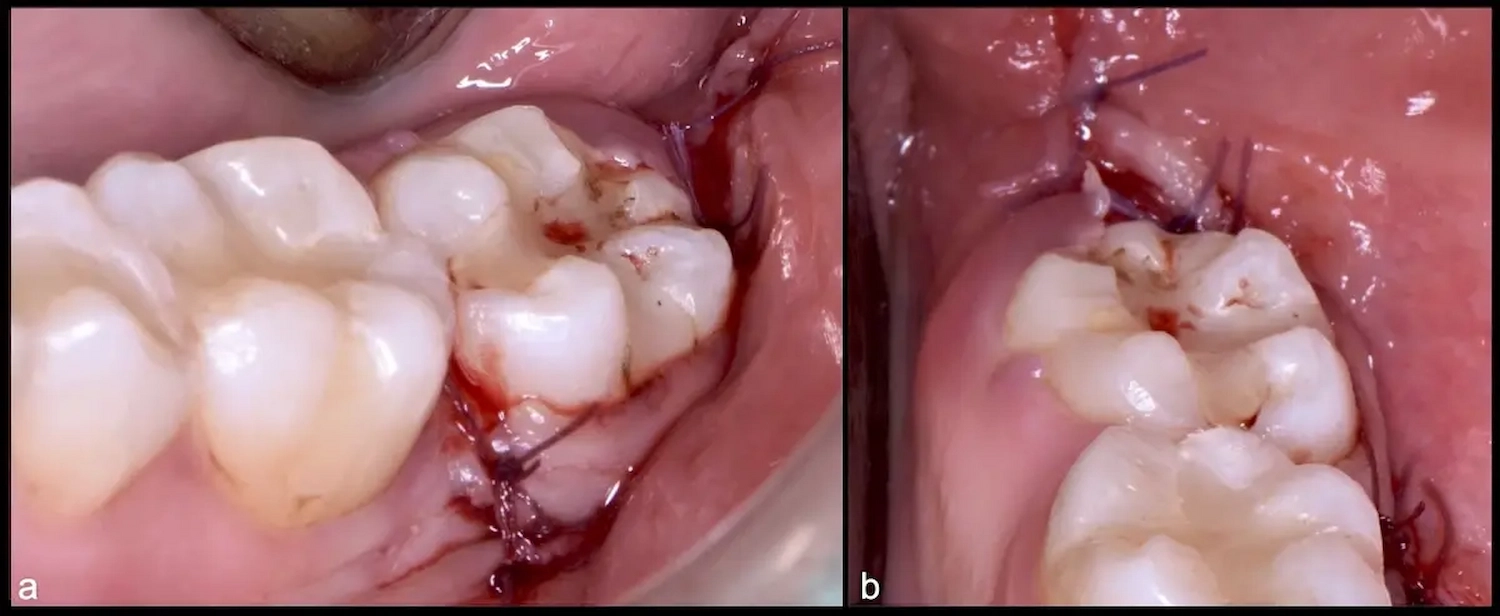
A protective blood clot forms inside each empty socket after surgery. It covers the exposed tissues and supports early healing.
Mild bleeding, numbness, and soreness are expected. Bite on gauze for about 30 minutes, or as directed, and replace it if bleeding continues. Rest with your head elevated and avoid disturbing the surgical sites.
Days 2–3: Peak Pain and Swelling
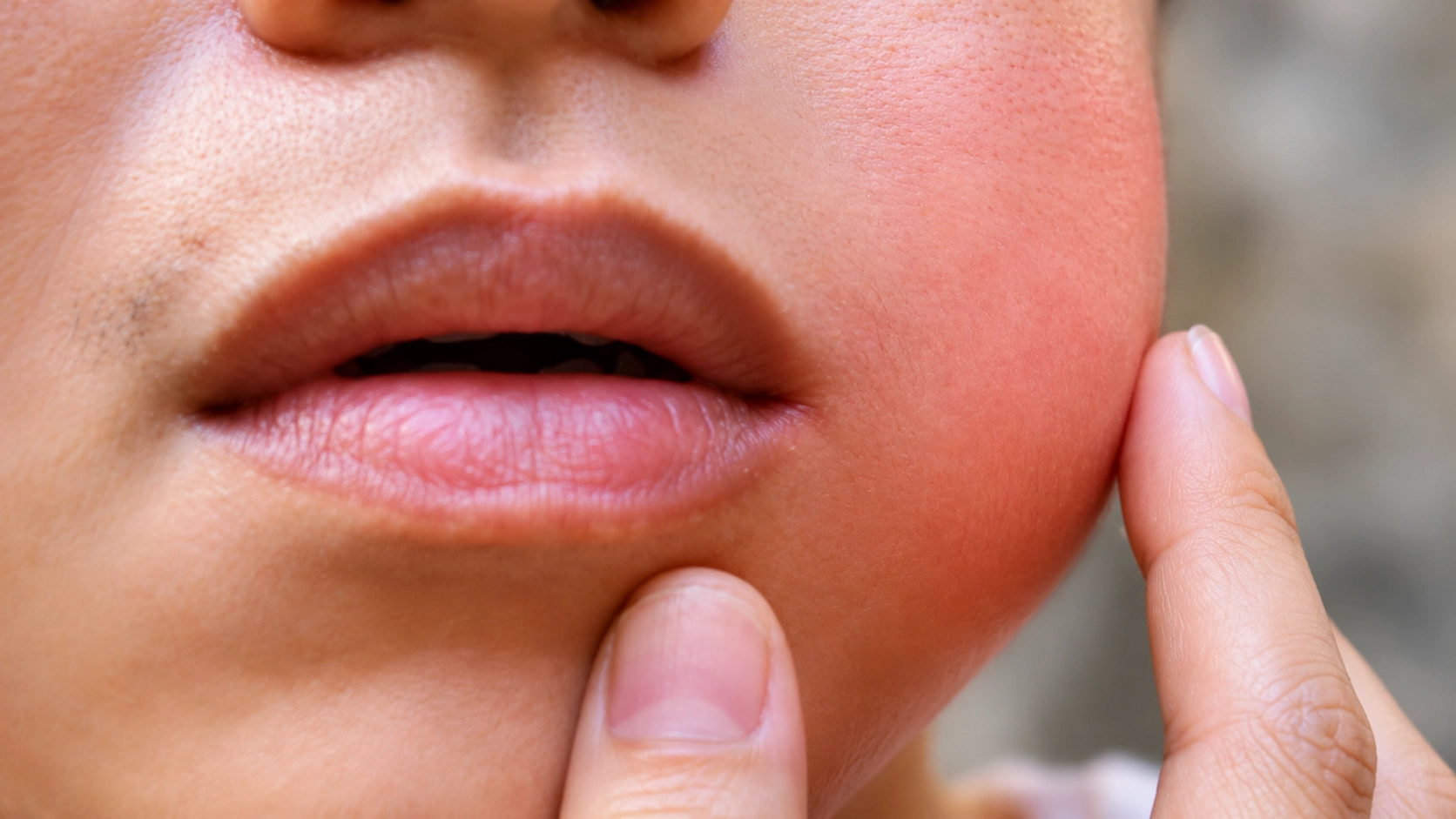
Day 3 is often the most uncomfortable because inflammation typically peaks around 48–72 hours after surgery. Your cheeks may appear swollen or bruised, and jaw stiffness can make chewing difficult.
These symptoms are usually temporary. Pain should remain manageable with recommended medication and begin improving as swelling decreases.
Days 4–5: Early Improvement
Swelling and tenderness generally begin to decrease, making eating, speaking, and opening your mouth easier.
You may still experience soreness around the extraction sites, particularly after impacted teeth are removed. A sudden increase in pain during this stage may indicate dry socket rather than normal healing.
Days 6–7: Returning to Normal
By the end of the first week, many people feel comfortable returning to their usual schedules. Mild tenderness may remain, especially when chewing near the surgical areas.
You can gradually introduce more foods as tolerated, but avoid hard or crunchy textures until your dentist confirms they are appropriate.
Days 8–14: Continued Healing
Most visible swelling and discomfort should have improved considerably by the second week. Your gums continue closing over the sockets, although small openings may remain.
Maintain oral hygiene and follow any remaining dietary restrictions. Persistent jaw stiffness or tenderness should gradually decrease.
Following Weeks: Healing and Stitches
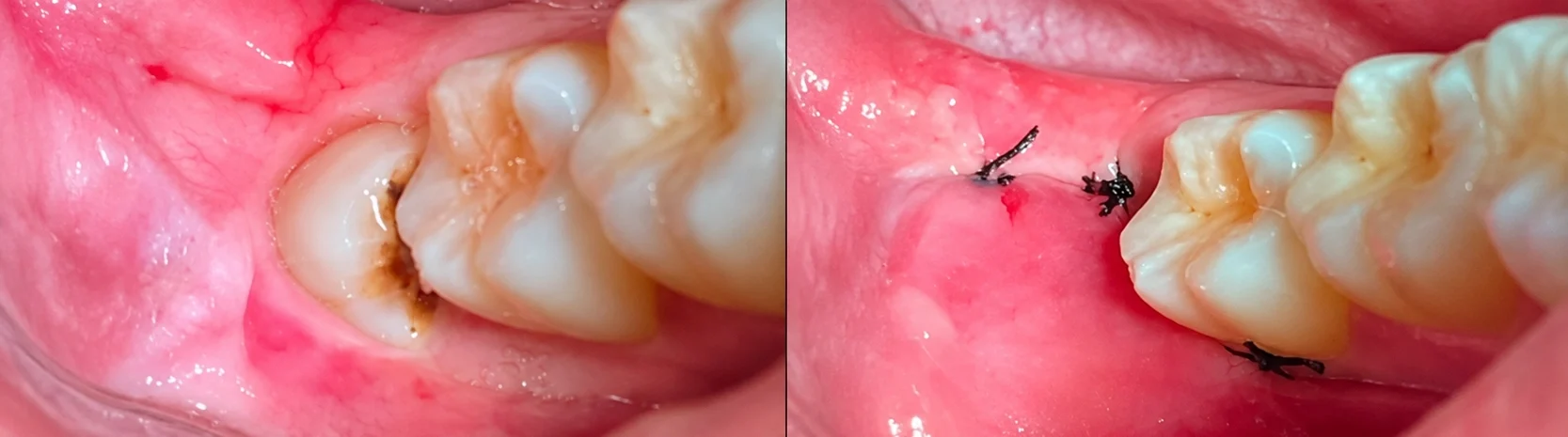
Gum tissue gradually covers the extraction sites over several weeks, while the underlying jawbone continues healing for months.
Dissolvable stitches often disappear within 1–2 weeks, although timing depends on the material used. Non-dissolvable stitches require removal by your dental provider.
Stitches protect and close the surgical area, but they don’t necessarily mean healing will take longer.
How to Speed Up Wisdom Teeth Recovery
You cannot control the exact healing timeline, but following aftercare instructions helps prevent setbacks. Protect the blood clot, control swelling, maintain nutrition, and keep your mouth clean.
Managing Pain and Swelling
Apply a cold compress to your cheek during the first 24–48 hours. Use a wrapped ice pack for about 20 minutes, then take a 20-minute break.
Take prescribed medication as directed. Ibuprofen or acetaminophen may help control discomfort when appropriate for your health, but follow your dentist’s recommendations.
Avoid smoking, vaping, and drinking through straws during early healing because they can increase the risk of complications.
Foods to Eat and Avoid
Choose soft, cool, or lukewarm foods that require little chewing.
Recommended foods include:
- Yogurt, pudding, and applesauce
- Mashed potatoes and scrambled eggs
- Smooth soups that are not hot
- Smoothies eaten with a spoon
- Oatmeal and soft pasta
Avoid chips, nuts, seeds, hard bread, and spicy foods until the surgical areas are less sensitive. Small food particles can become trapped inside healing sockets and cause irritation.
Cleaning Your Mouth Safely
Avoid vigorous rinsing, forceful spitting, and brushing directly over the surgical sites during the first 24 hours.
After that period, your dentist may recommend gentle warm saltwater rinses following meals. Follow proper cleaning techniques after tooth extraction and continue brushing your other teeth carefully to reduce bacterial buildup.
If food gets trapped near a healing socket, rinse gently rather than using sharp objects or aggressive brushing. Contact your dentist if debris remains or causes discomfort, and use an irrigation syringe only if instructed.
When Can You Resume Normal Activities?
Your return to work, school, and exercise depends on your symptoms, the extraction’s complexity, and whether you received sedation.
Rest and Returning to Work
Plan to rest on the day of surgery. Many dentists recommend allowing approximately 3–5 days for initial recovery, although some patients return to desk work sooner after uncomplicated procedures.
Can you return to work after three days? Often, yes, if bleeding has stopped, discomfort is controlled, and swelling is improving.
If you have a physically demanding job or a long Manhattan commute, you may need additional rest. After sedation, arrange transportation home and follow your provider’s instructions about driving and other restricted activities.
Talking and Exercising After Extraction
You can usually speak after the anesthesia wears off, although prolonged conversations may cause discomfort while your jaw remains stiff.
Avoid heavy lifting and strenuous workouts during early healing because increased blood pressure can trigger bleeding or swelling.
You can resume light activity as symptoms improve. Ask your dental provider when it is appropriate to return to intense exercise, particularly after surgical removal.
Normal Healing vs. Complications
Mild bleeding, swelling, bruising, and tenderness are expected during early healing. These symptoms should gradually improve rather than worsen.
Knowing when discomfort is no longer typical helps you seek treatment before a complication progresses.
Dry Socket and Infection Symptoms
Dry socket occurs when the protective blood clot breaks down or becomes dislodged, exposing the underlying bone.
Symptoms commonly develop within 1–5 days and may include severe, throbbing pain that spreads toward the ear or jaw. The risk decreases as the socket heals, particularly after the first week.
An infection may cause worsening swelling, fever, pus, or an unpleasant taste accompanied by increasing pain.
Both conditions require dental evaluation. Treatment may involve cleaning the area, placing a medicated dressing for dry socket, or prescribing medication when clinically appropriate.
When to Contact Your Dentist
Contact your dentist promptly if you experience:
- Severe pain that worsens after initial improvement
- Increasing swelling after day 3
- Bleeding that continues despite firm gauze pressure
- Fever, pus, or persistent unpleasant drainage
- Numbness or tingling that persists after anesthesia wears off
Difficulty breathing or swallowing requires emergency medical attention.
Dr. Waise Ebrahimi, DDS, emphasizes preventive and conservative dental care, including recognizing symptoms that deserve further evaluation. Patients should follow their treating dentist’s specific postoperative instructions because individual surgical needs can differ.
Does Removing Four Wisdom Teeth Take Longer?
Removing four teeth may cause more swelling and soreness than removing one, particularly when several teeth are impacted.
However, the complexity of the extractions matters more than the number alone. Four fully erupted teeth may be easier to remove than one deeply impacted lower molar requiring extensive surgery.
A dentist for wisdom teeth can evaluate tooth position, root development, and surrounding structures to estimate your expected healing time.
Get Guidance for Your Recovery
Understanding the healing process can help you prepare for surgery and recognize when symptoms need attention. Your dentist can explain what to expect based on your extraction, medical history, and daily routine. If you’re still planning your procedure, understanding tooth extraction cost can also help you prepare.
At Smile Lab in Union Square, Manhattan, patients can discuss wisdom tooth concerns, treatment options, and postoperative care in a setting focused on comfort and clear communication.
If you have questions about an upcoming extraction or symptoms that are not improving, schedule a consultation to better understand your next steps.