Not all wisdom teeth need removal. Healthy teeth that grow in the right position may not cause problems. At Smile Lab in Union Square, wisdom teeth extraction with an oral surgeon costs $1,200, though the number of teeth and services included should be confirmed during your consultation. Most people start feeling better within 3–7 days, though full healing takes longer.
Key Takeaways
- General dentists can remove some wisdom teeth. Complex cases may need an oral surgeon.
- Healthy wisdom teeth do not always need to be removed.
- Dental exams and X-rays help dentists decide if removal is needed.
- Local anesthesia keeps the area numb during treatment. Sedation may help patients relax.
- Most patients start feeling better within 3–7 days, but full healing takes longer.
- Costs depend on the number of teeth, how hard they are to remove, and the anesthesia used.
Can a Regular Dentist Remove Wisdom Teeth?
Yes, a regular dentist can remove wisdom teeth if the procedure is simple and within their training. General dentists also check these teeth for signs of decay, infection, or other problems.
A fully erupted tooth is often easier to remove. A tooth trapped under the gums or close to a nerve may need more complex treatment.
Your dentist will check the tooth before deciding what care you need. You can start with a regular dental exam, even if you are unsure whether you need surgery.
When Do You Need an Oral Surgeon?
You may need an oral surgeon if a tooth is stuck deep in the jaw, grows at an angle, or sits close to a nerve. These cases can be harder to treat and may need special surgical care.
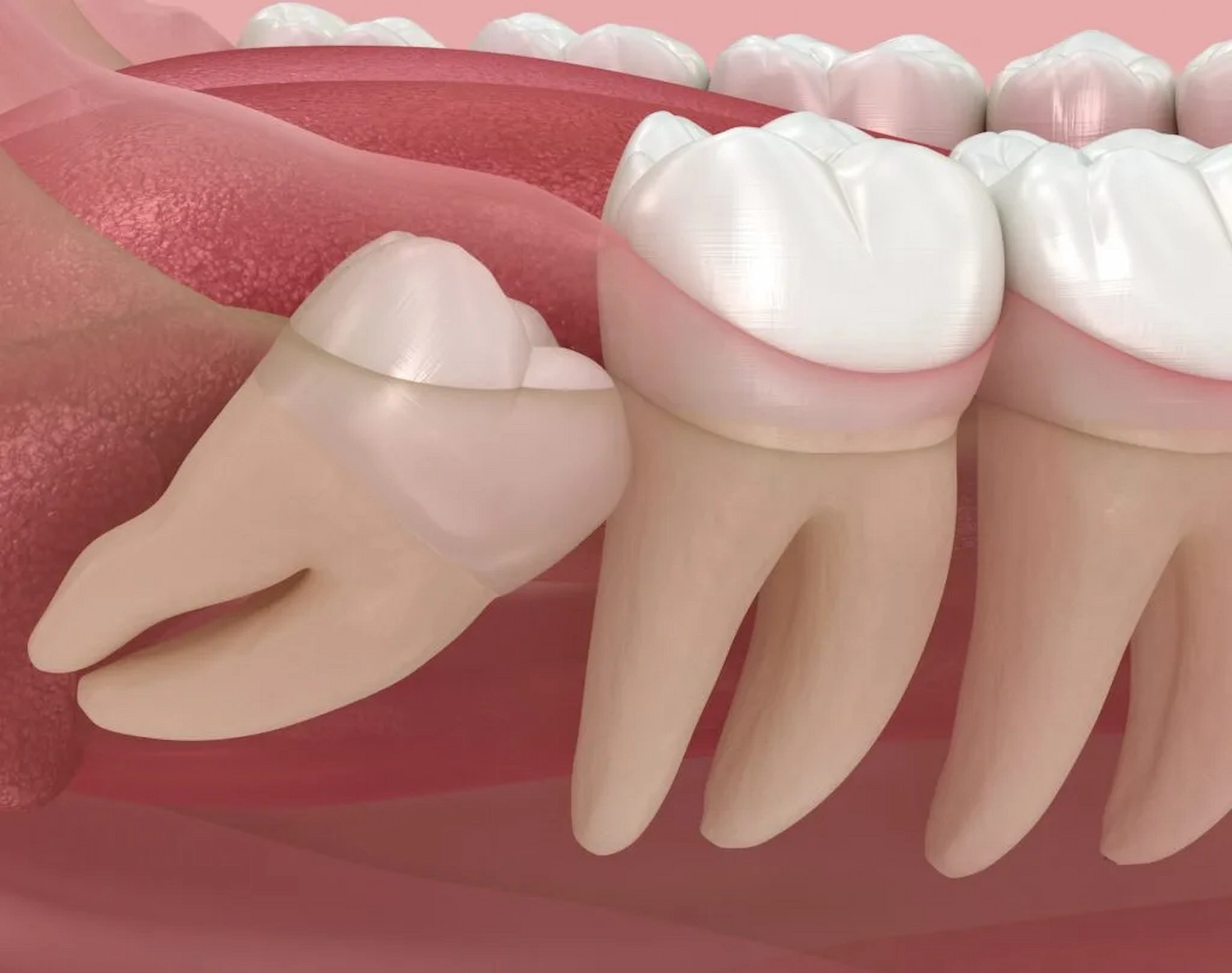
Oral and maxillofacial surgeons have advanced training in treating the mouth, jaw, and nearby tissues. They often remove impacted wisdom teeth and handle complex cases that need deeper sedation.
Your dentist may refer you to a surgeon after checking your X-rays and medical history. This does not mean something is seriously wrong. It means a specialist may be better suited to your needs.
Do Dentists Still Recommend Removing Wisdom Teeth?
Yes, dentists still recommend removal when these teeth cause pain, infection, decay, or damage. They may also suggest it when there is a clear risk of future problems.
Common reasons for removal include:
- Repeated infections: Partly erupted teeth can trap food and bacteria under the gums. Learn about the early signs of a wisdom tooth infection and when to see a dentist.
- Tooth decay: Back molars can be hard to reach with a toothbrush or floss.
- Gum disease: Bacteria can cause swollen gums and damage the tissue around nearby teeth.
- Damage to nearby teeth: An impacted wisdom tooth may harm the adjacent molar.
- Cysts: Fluid-filled sacs can sometimes form around trapped teeth and damage the jawbone.
Not every impacted tooth needs removal. Your dentist will look at your symptoms, X-rays, and the health of nearby teeth before making a recommendation. Once removed, wisdom teeth do not grow back. If you notice a new tooth-like structure later, our guide explains whether wisdom teeth can grow back after removal.
According to NHS guidance on wisdom tooth removal, teeth that aren’t causing problems may stay in place and be checked during routine visits.
Can You Keep Your Wisdom Teeth?
Yes, you can keep your wisdom teeth if they are healthy, grow in the right position, and are easy to clean. They should also work well with the rest of your teeth.
Even an impacted tooth may not need removal if it causes no disease or damage. Your dentist will check its position and watch for changes over time.
Dr. Waise Ebrahimi, DDS, focuses on preventing dental problems and keeping natural teeth when possible. This approach helps patients avoid unnecessary treatment.
Regular dental visits can help catch decay, gum problems, or other changes early.
What Happens During Wisdom Teeth Removal?
The process starts with a dental exam. Your dentist will check each tooth, review your health history, and explain whether removal is needed.
Wisdom tooth removal may involve a simple extraction or surgery. The method depends on how much of the tooth has grown through the gums, its root position, and whether bone blocks access.
Most patients can go home the same day. Your provider will explain what to expect before, during, and after treatment.
Dental Examination, X-Rays, and Anesthesia
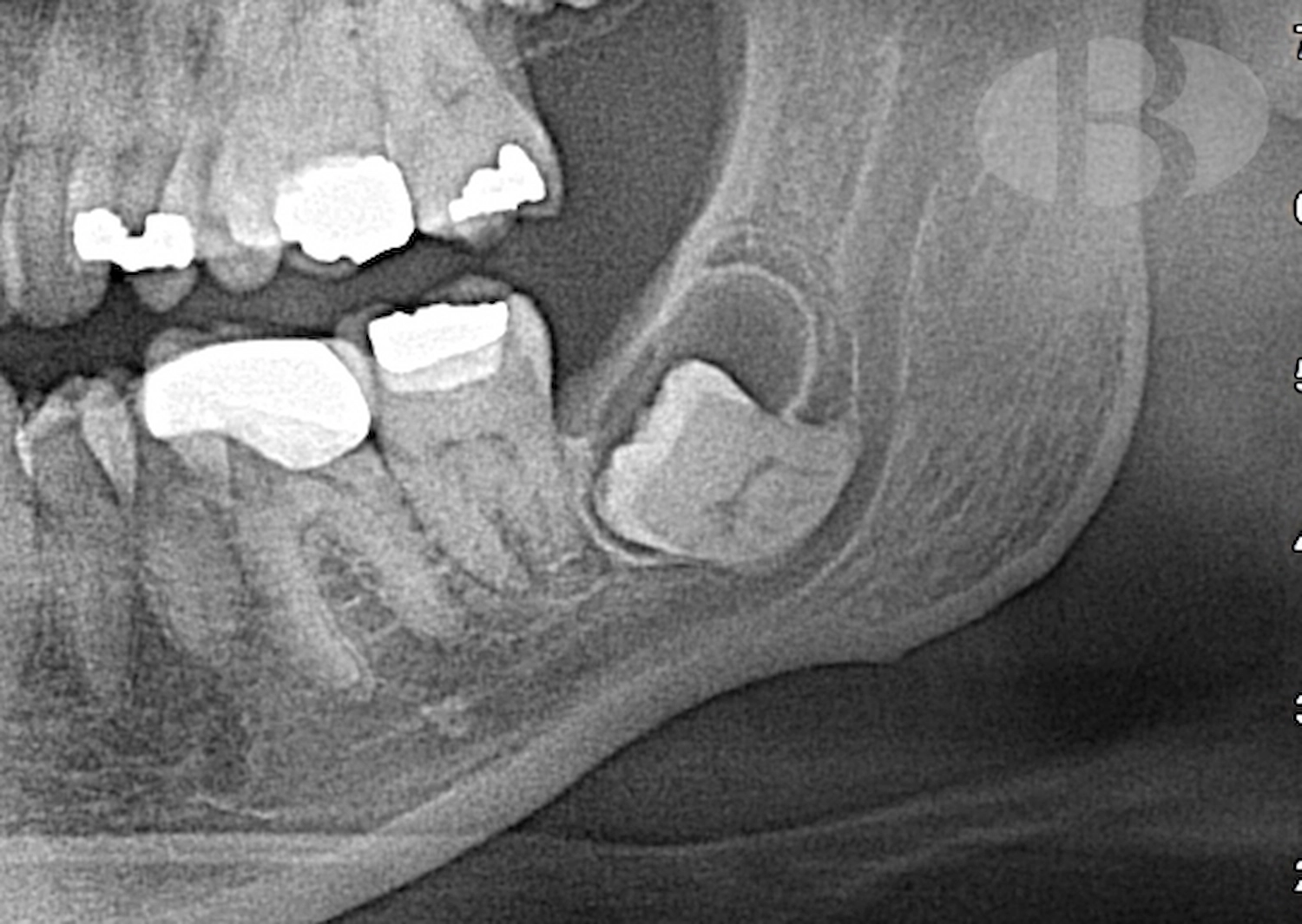
Your dentist will check your gums, look for signs of infection, and take X-rays when needed. These images show where the teeth sit and how close their roots are to nearby nerves.
Your provider will also ask about your health, medications, allergies, and past reactions to anesthesia. This helps them choose a safe treatment plan.
The type of anesthesia depends on your health, the procedure, and your comfort needs.
- Local anesthesia: Numbs the area while you stay awake.
- Sedation: Helps you relax or feel sleepy. Local anesthesia can also block pain.
- General anesthesia: Keeps you unconscious during the procedure. It may be used for certain complex cases.
If you need sedation or general anesthesia, your provider may give you special instructions before treatment.
Before your appointment:
- Tell your provider about your health conditions and medications.
- Follow any instructions about eating and drinking before treatment.
- Arrange for someone to take you home if you receive sedation or general anesthesia.
- Plan time to rest after surgery.
Do not stop taking prescribed medicine unless your treating clinician tells you to.
Simple vs. Surgical Extraction
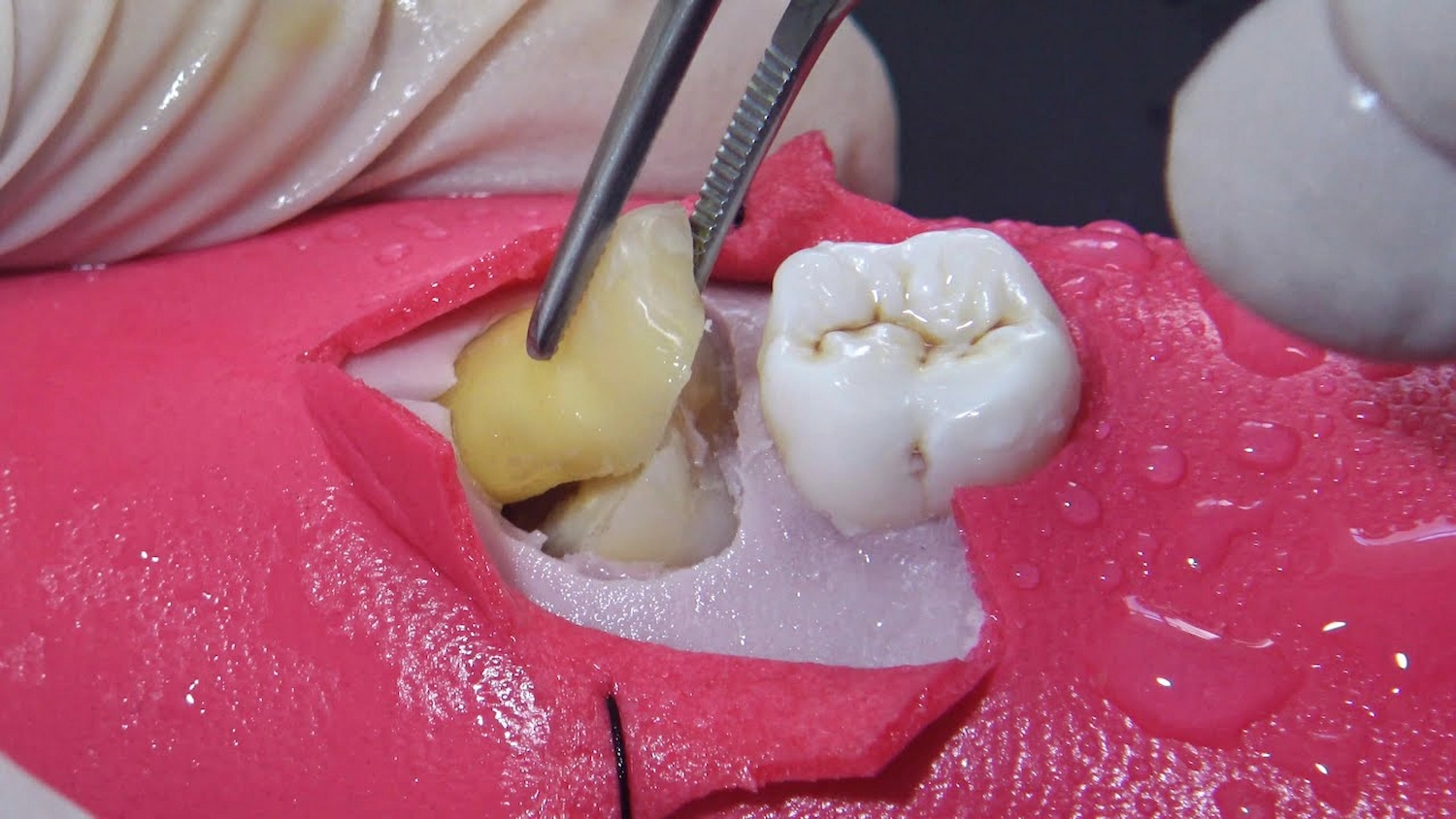
A simple extraction is often used when the tooth has grown fully through the gums. The dentist loosens the tooth with special tools and removes it from the socket.
A surgical extraction may be needed if the tooth is trapped under the gums or bone. The provider may make a small cut in the gums, remove some bone, or divide the tooth into smaller pieces.
| Recovery Period | What to Expect |
|---|---|
| First 24 hours | Mild bleeding, numbness, and early swelling |
| Days 2–3 | Swelling and soreness may peak |
| Days 4–7 | Pain and swelling usually improve |
| Days 7–14 | Gums continue healing, and jaw stiffness decreases |
| Following weeks | Deeper tissues continue to heal |
Both methods aim to remove the tooth while protecting nearby tissues.
Possible risks include infection, dry socket, bleeding, and nerve injury. Nerve damage can cause numbness that is usually temporary but can rarely last longer. Your provider will explain the risk of complications based on your case.
How Painful Is Wisdom Teeth Removal?
You should not feel sharp pain while the area is fully numb. You may feel pressure or movement as the tooth is removed, but the treatment should not cause sharp pain.
If you feel pain during the procedure, tell your dentist right away. They can check the numbness and give you more anesthetic if needed.
Some soreness is normal once the anesthesia wears off. Pain depends on how hard the tooth was to remove and how your body heals.
Your provider may suggest pain medicine and cold packs to help with discomfort and swelling. Most people feel better after the first few days.
If past dental visits have made you nervous, tell your provider before treatment. Knowing what will happen and discussing your options can help you feel more at ease.
How Long Does Recovery Take?
Most people start feeling better within 3–7 days after removal. More complex extractions may take longer to heal.
Pain and swelling often increase during the first two or three days, then slowly improve. The gums may take a few weeks to heal, while the bone and deeper tissues need more time.
Some patients return to work the next day. Others need a few days of rest, especially after surgery or sedation.
Your dentist can help you decide when it is safe to return to your normal routine.
Recovery Tips and Warning Signs
Good aftercare helps your mouth heal. A blood clot forms in the empty socket, protecting the bone and nerves underneath while new tissue grows.
Follow your provider’s instructions and these common care tips. For more guidance, see our wisdom teeth removal recovery tips.
- Eat soft foods such as yogurt, eggs, and mashed potatoes.
- Avoid smoking, straws, and forceful spitting to protect the clot.
- Do not rinse your mouth hard during the first 24 hours.
- After 24 hours, use gentle saltwater rinses if your provider recommends them.
- Brush your other teeth as usual, but be gentle around the extraction site.
- Avoid hard or crunchy foods that could irritate the healing gums. See which foods to avoid after tooth extraction while your mouth heals.
- Take medications only as directed.
Some pain and swelling are normal after removal. Still, certain signs mean you should contact your dentist.
Call your dentist promptly if you notice:
- Severe pain that gets worse after a few days.
- Swelling that keeps increasing or becomes severe.
- Fever, pus, or a bad taste that does not go away.
- Bleeding that continues despite following instructions to apply pressure.
- Growing difficulty opening your mouth.
- New or lasting numbness in your lip, chin, or tongue.
Severe pain a few days after removal may signal dry socket. This happens when the blood clot does not form well or comes out too early. Your dentist can treat the area and help ease the pain.
Get emergency medical care right away if you have trouble breathing or swallowing, especially with fast-growing swelling in your face or neck. These signs may point to a serious infection or another urgent problem.
The NHS guide to wisdom tooth removal also explains recovery, warning signs, and when to seek help.
How Much Does Wisdom Teeth Removal Cost?
At Smile Lab in Union Square, NYC, wisdom teeth extraction with an oral surgeon costs $1,200. The final cost depends on your treatment needs and any additional services.
Several factors can affect the price:
- Number of teeth: Removing multiple teeth may increase costs.
- Extraction complexity: Impacted teeth may require surgery.
- Anesthesia: Sedation or general anesthesia may cost extra.
- X-rays: You may need additional imaging.
Your dentist will examine your teeth and explain the recommended treatment. Ask for an itemized estimate to confirm what the $1,200 fee covers and whether additional charges apply. For a broader price breakdown, read our guide on how much it costs to remove wisdom teeth in Manhattan.
How to Choose a Dentist for Wisdom Teeth Removal
Start by finding a dentist who can clearly explain your condition and treatment options. Simple and complex extractions may require different skills, so experience matters.
When comparing dental offices in Manhattan, look for a provider who answers your questions and explains the risks and benefits.
Here are five useful questions to ask:
- Do you perform this type of extraction? Ask whether the dentist has treated cases like yours.
- Will I need an oral surgeon? Find out when you may need a specialist.
- What anesthesia options do you offer? Discuss your health needs and pain concerns.
- What risks should I know about? Ask about infection, nerve injury, and healing problems.
- What happens after treatment? Make sure you will receive aftercare instructions and know whom to call if you have a problem.
A good dental visit should help you understand why removal is needed, what other options exist, and what recovery may look like.
Location can also make a difference. Choosing a dental office near your home or workplace may make follow-up visits easier.
You should feel comfortable asking questions before agreeing to treatment.
Schedule a Wisdom Teeth Evaluation in NYC
You don’t need to wait for pain to have your third molars checked. A dental exam can show whether they are healthy, need regular monitoring, or should be removed.
At Smile Lab in Union Square, NYC, the focus is on clear answers, preventive care, and treatment plans based on your needs. An exam can help you understand your options and whether you need an oral surgeon.
If you have pain near your back molars or feel unsure about a recommendation to remove them, talking with a dentist can help. You can review your X-rays, discuss next steps, and choose without feeling rushed.
Schedule Your Visit when you are ready to have your wisdom teeth checked.