Use D6210–D6214 for cast metal pontics, D6240–D6243 for porcelain-fused-to-metal, or D6245 for porcelain or ceramic. A three-unit ceramic bridge supported directly by two implants may use D6075 for each retainer and D6245 for the middle tooth. When separate abutments are needed, codes such as D6056 or D6057 and D6068 may apply instead. At Smile Lab, your dentist can explain how bridge materials, the number of replacement teeth, and the attachment method affect the codes on your treatment plan.
Key Takeaways
- Each part of an implant bridge has its own CDT code. These parts include abutments, retainer crowns, and pontics.
- D6056 and D6057 identify standard and custom abutments. D6068 and D6075 describe ceramic bridge retainers attached to abutments or implants.
- D6240, D6242, and D6245 identify pontics made from different materials. These codes describe replacement teeth, not the whole bridge.
- A three-unit bridge usually has two retainers and one pontic. Extra abutment codes may apply based on the design.
- The correct codes depend on the materials, support type, and treatment plan. Your dentist can explain each code on your estimate.
What Are the ADA Codes for Implant Bridges?
No single dental code covers an implant-supported bridge. The American Dental Association (ADA) uses Current Dental Terminology (CDT) codes to identify each part. The correct CDT code depends on the materials used and how the bridge attaches to its supports.
Common implant bridge ADA codes include:
| Tooth Position | Incorrect Code | Correct Code |
|---|---|---|
| #29 | D6065 | D6075 |
| #30 | D6245 | D6245 |
| #31 | D6065 | D6075 |
D6075 is the correct code for ceramic retainers attached directly to implants
in this example. D6245 identifies the pontic between them.
These codes are examples, not a fixed set for every patient. Each procedure code must match the work done. Your treatment estimate should show which code applies to each tooth or bridge part.
Implant Bridge Codes by Component
The dental code for a bridge depends on its parts, materials, and how it attaches to the implants. A fixed partial denture uses retainers for support and pontics to replace missing teeth. Each part may require its own CDT code.
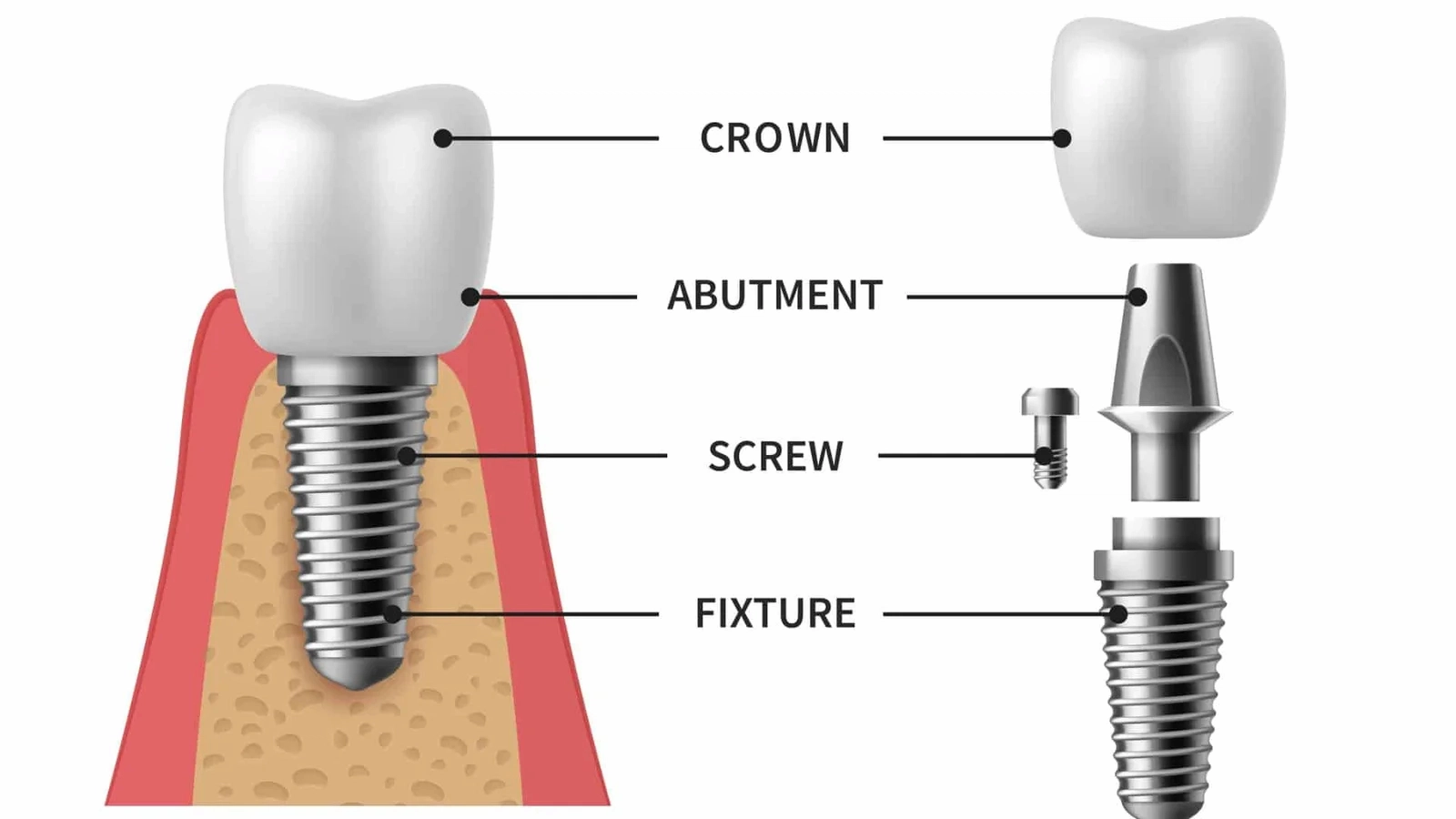
Dental Codes for Implant Abutments
An abutment is a key part of a dental implant; it connects the implant to the bridge. Two common codes apply:
- D6056: A prefabricated abutment that comes ready-made and can be adjusted to fit.
- D6057: A custom abutment made to fit the patient’s implant position and needs.
A bridge with two custom abutments may list D6057 twice, once for each connector.
Implant Bridge Retainer Crown Codes
Retainers attach the bridge to implants or abutments. The code depends on the support type and material:
- D6068: A ceramic retainer attached to an implant abutment.
- D6075: A ceramic retainer attached directly to an implant.
- D6071: A retainer made of porcelain fused to noble metal and supported by an abutment.
Your dentist selects the code based on the bridge’s design, materials, and how it attaches.
Pontic Codes: Is D6240 a Bridge?
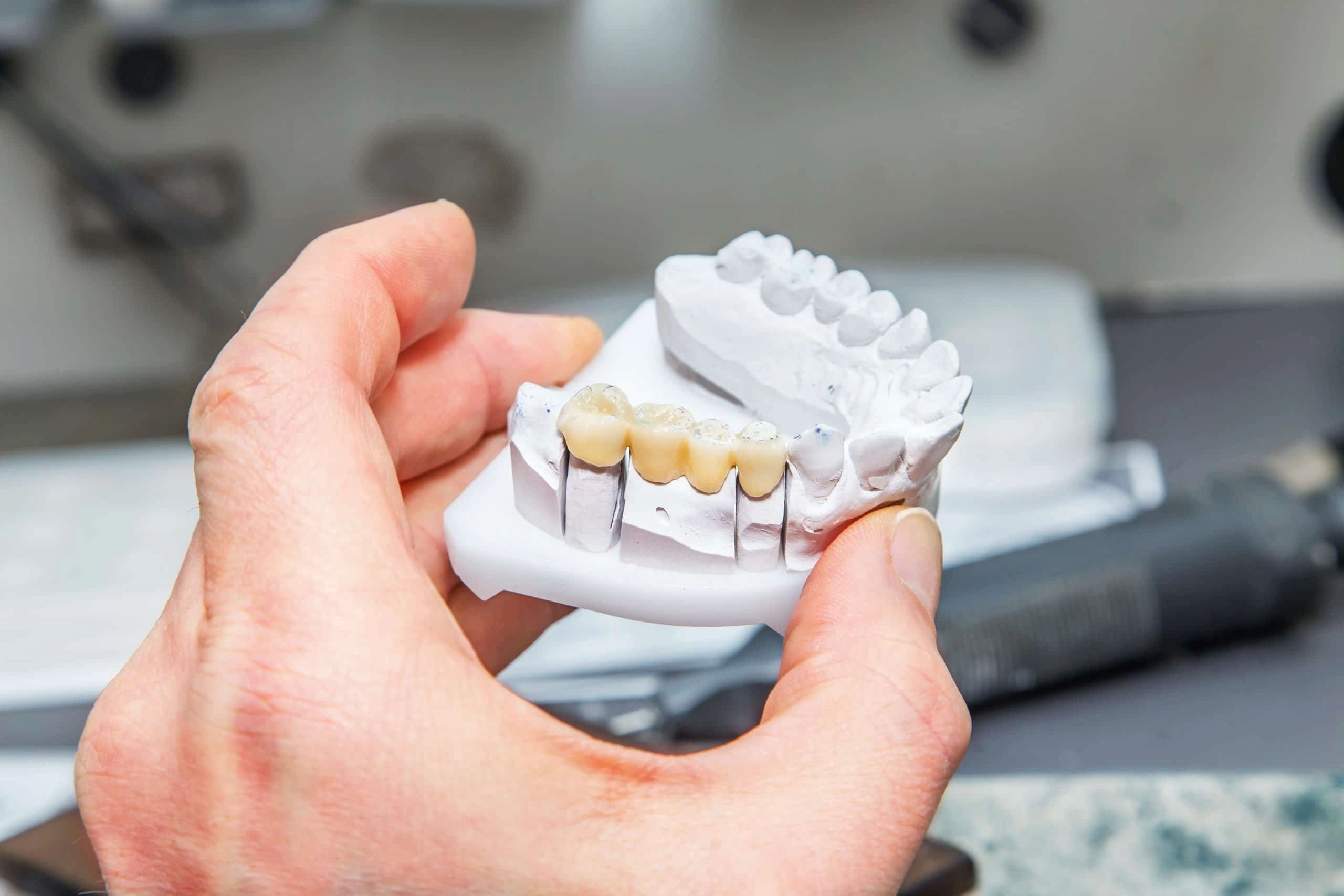
D6240 is not a code for an entire bridge. It identifies a pontic, which is an artificial tooth that fills the space left by a missing tooth.
Common pontic codes include:
- D6240: Porcelain fused to high noble metal.
- D6242: Porcelain fused to noble metal.
- D6245: Porcelain or ceramic, including zirconia.
A bridge may contain one or more pontics. Each pontic needs a code that matches its material and tooth position.
Implant-Supported vs. Abutment-Supported Codes
These terms explain how a bridge connects to dental implants. An abutment-supported bridge uses a separate connector between the implant and the bridge. A directly implant-supported bridge attaches to the implant without that separate part.
This difference affects which supported retainer code applies. The materials also matter, so two similar-looking bridges may use different codes. If you’re new to implant treatment, learn what dental implants are and whether they’re safe.
D6058 vs. D6065: What’s the Difference?
D6058 describes a single ceramic crown attached to an abutment. D6065 describes a single ceramic crown attached directly to an implant. Both codes apply to individual crowns, not bridge retainers.
For example, consider a three-unit ceramic bridge supported by implants at tooth positions #29 and #31. The missing tooth at position #30 needs a pontic.
Tooth PositionIncorrect CodeCorrect Code#29D6065D6075#30D6245D6245#31D6065D6075
D6065 is incorrect for the supporting units because it describes single crowns. D6075 is the correct code for ceramic retainers attached directly to implants in this example. D6245 identifies the pontic between them.
Three-Unit Implant Bridge Coding Example
A three-unit bridge can replace one missing tooth using two implants for support. If the bridge uses two custom abutments, the codes may include D6057 and D6068 at each support. D6245 may apply to the ceramic pontic.
A bridge attached directly to the implants may use D6075 for each retainer and D6245 for the pontic. This example doesn’t require separate abutment codes. The dentist chooses the accurate codes based on the final design.
A porcelain-fused-to-metal bridge may use another set of codes. For example, a three-unit bridge made with noble metal may use D6057 and D6071 at each support, plus D6242 for the pontic. The metal type and attachment method determine the final code choices.
Implant vs. Traditional Bridge Codes
A traditional fixed bridge rests on prepared natural teeth instead of implants. For example, D6740 identifies a ceramic retainer placed on a natural tooth. D6068 and D6075 describe ceramic retainers used with implants.
Both types may use D6245 for an all-ceramic pontic. The main difference is how the bridge is supported. If you’re comparing other treatment options, our dental implant vs. crown comparison explains how these restorations differ. Your dentist will look at nearby teeth, bone health, and your needs before recommending an option.
Common Coding Mistakes and Treatment Estimates
A correctly coded treatment plan matches each code to the work performed. Common mistakes include using single-crown codes for bridge retainers or choosing the wrong pontic material. Another mistake is listing an abutment code when the bridge attaches directly to the implant without a separate abutment.
Clear supporting documentation helps explain the treatment and confirm each code. Your dental records may include:
- Tooth positions: Show which teeth are missing and where the implants and pontics sit.
- Bridge materials: Identify ceramic, zirconia, or porcelain-fused-to-metal.
- Abutment details: Show whether the connectors are standard or custom-made.
- Dental images: Show implant positions, nearby bone, and other details needed for treatment.
- Clinical notes: Include a narrative explaining why the bridge is needed and how its parts connect.
These details help your dentist keep clear records and explain the treatment estimate. If you’re reviewing treatment costs, you can also learn whether dental implants are tax-deductible. Codes should match the work performed and the current ADA CDT code set. The code set changes over time, so checking the latest version helps prevent errors.
At Smile Lab in Union Square, Dr. Waise Ebrahimi, a certified dental implant placement specialist, reviews your oral health and treatment options before planning care. You can ask what each code means, how your bridge will attach, and which materials may work best for you. To explore your options, schedule a Consultation.