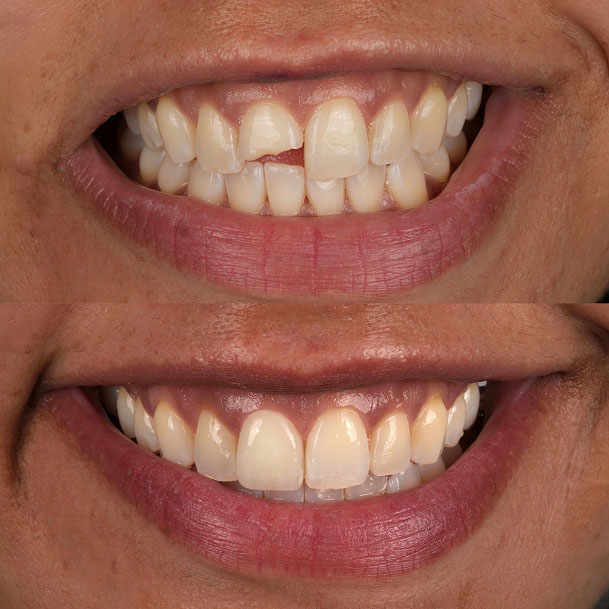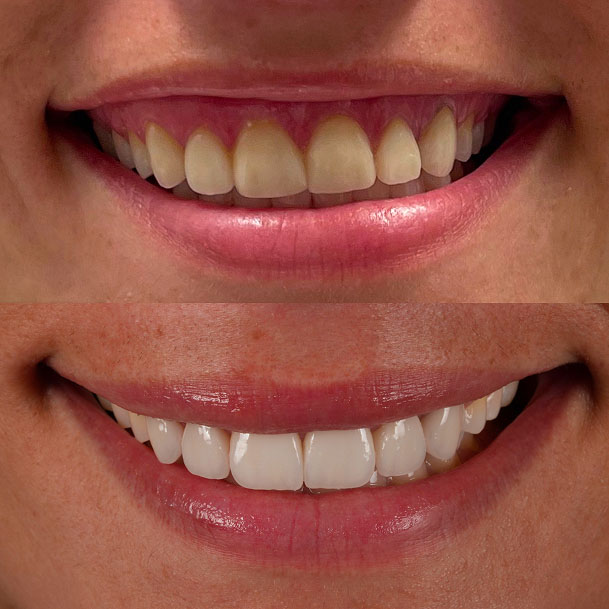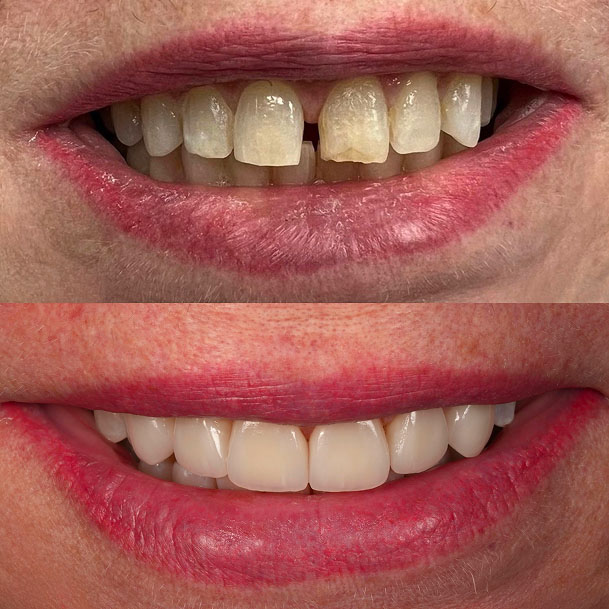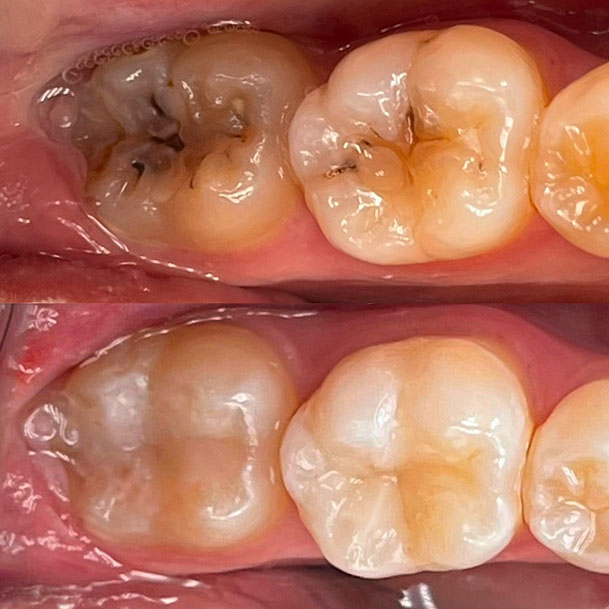
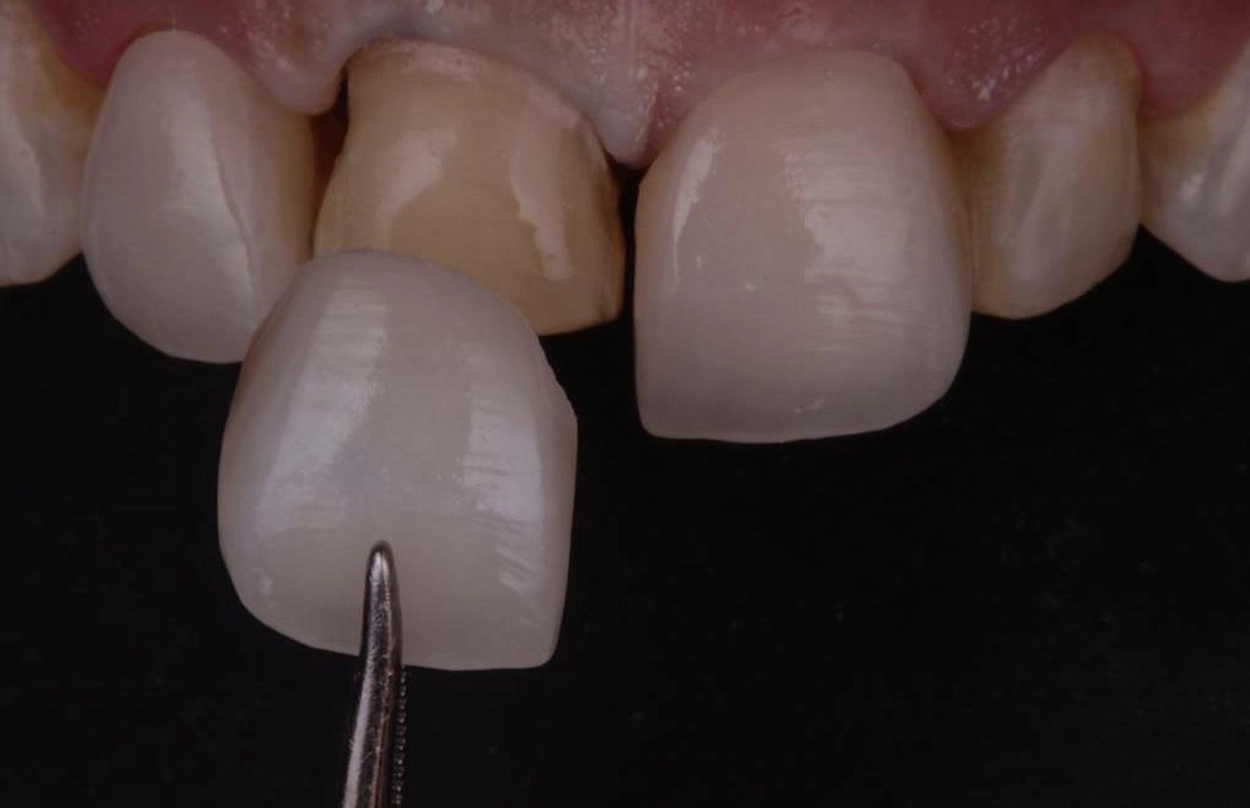
If a veneer comes loose, avoid chewing on the exposed tooth, rinse the restoration with water, and store it safely in a hard container. Never use household glue to reattach it, as this can damage the veneer or tooth. At Smile Lab in Union Square, a dentist can assess the underlying tooth and determine whether rebonding, repair, or replacement is the best treatment option.
Key Takeaways
- Dental veneers can fall off, but detachment is uncommon when they are properly bonded and maintained.
- Weak bonding, tooth decay, teeth grinding, and biting hard objects can cause veneers to loosen or detach.
- If a veneer falls off, store it safely, avoid chewing on the exposed tooth, and never use household glue to reattach it.
- A dentist may reattach an intact veneer, while damaged restorations or underlying tooth decay may require repair or replacement.
- With proper oral hygiene, regular dental checkups, and protective habits, porcelain veneers can last 10 to 15 years or longer.
Can Veneers Fall Off Easily?
Properly bonded dental veneers should not detach easily from healthy teeth. Their stability depends on the bonding technique, the condition of your teeth, and your daily habits.
How Often Do Veneers Fall Off?
Detachment is uncommon. A systematic review reported a 2% debonding rate for ceramic veneers across the studies analyzed. Individual risks vary with placement and oral health.
Can Porcelain Veneers Fall Off?
Yes. Porcelain restorations can loosen because of weakened bonding, excessive pressure, or underlying tooth damage. Proper placement reduces these risks.
Can Composite Veneers Fall Off?
Yes. Composite resin restorations can chip, loosen, or separate from the tooth. They are often easier to repair than porcelain alternatives.
Why Do Veneers Fall Off?
Several factors affect how securely a restoration stays attached. Understanding the cause helps prevent repeated problems.
Bonding Problems, Tooth Decay, and Early Failure
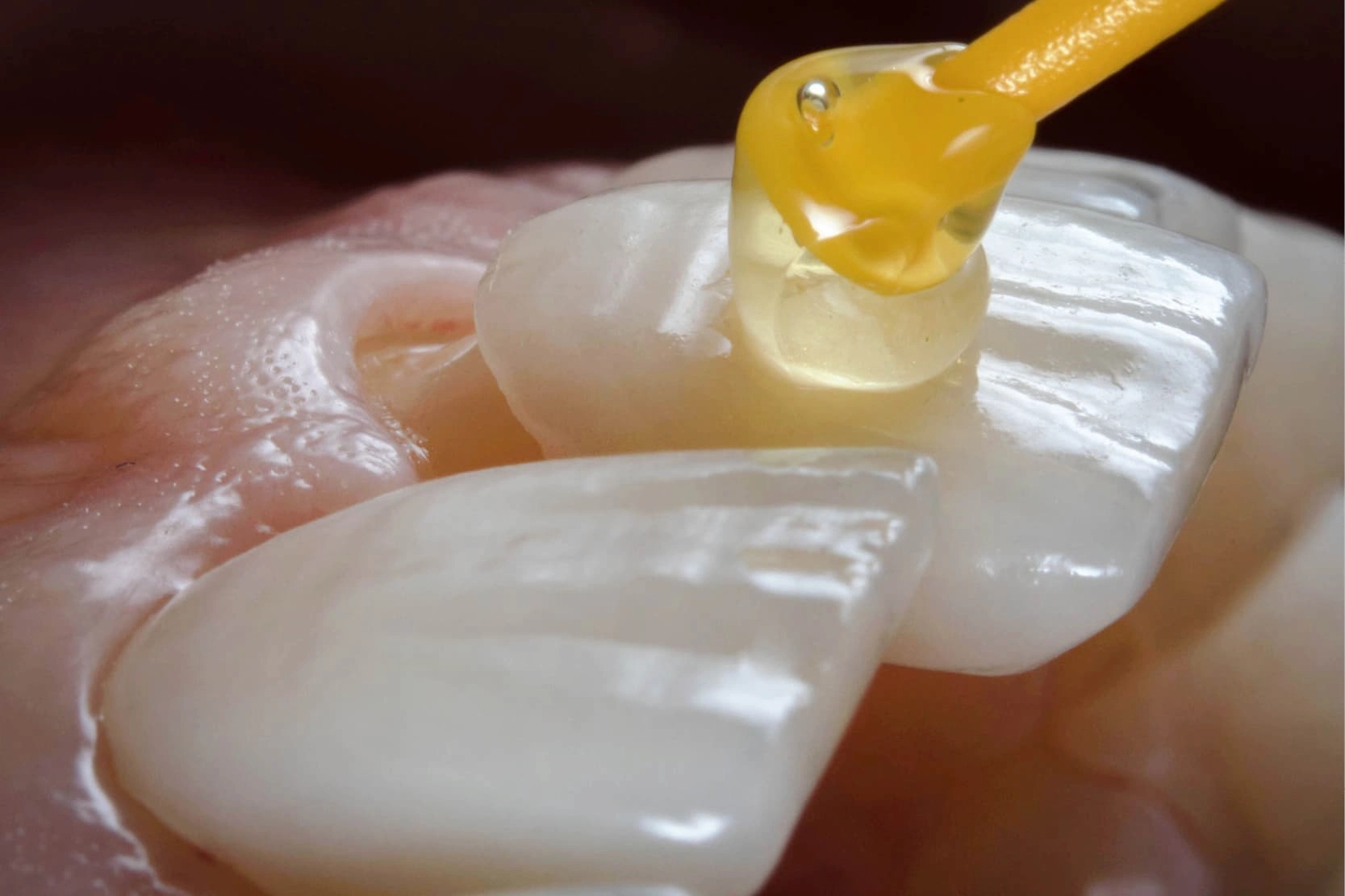
Weak adhesive bonds, moisture during placement, or tooth decay can cause detachment. If your veneer fell off after one month, a dentist should evaluate the bonding and underlying tooth.
Teeth Grinding, Hard Foods, and Trauma
Biting hard objects or using your teeth to open packages increases pressure on restorations. If you grind your teeth at night, repeated pressure can weaken the bond or cause fractures.
What to Do If a Veneer Falls Off
If a veneer becomes detached, follow these steps:
- Save the restoration in a clean container.
- Rinse your mouth gently with water.
- Avoid chewing on the exposed tooth.
- Never use household glue to reattach the veneer.
- Contact your dentist for an evaluation.
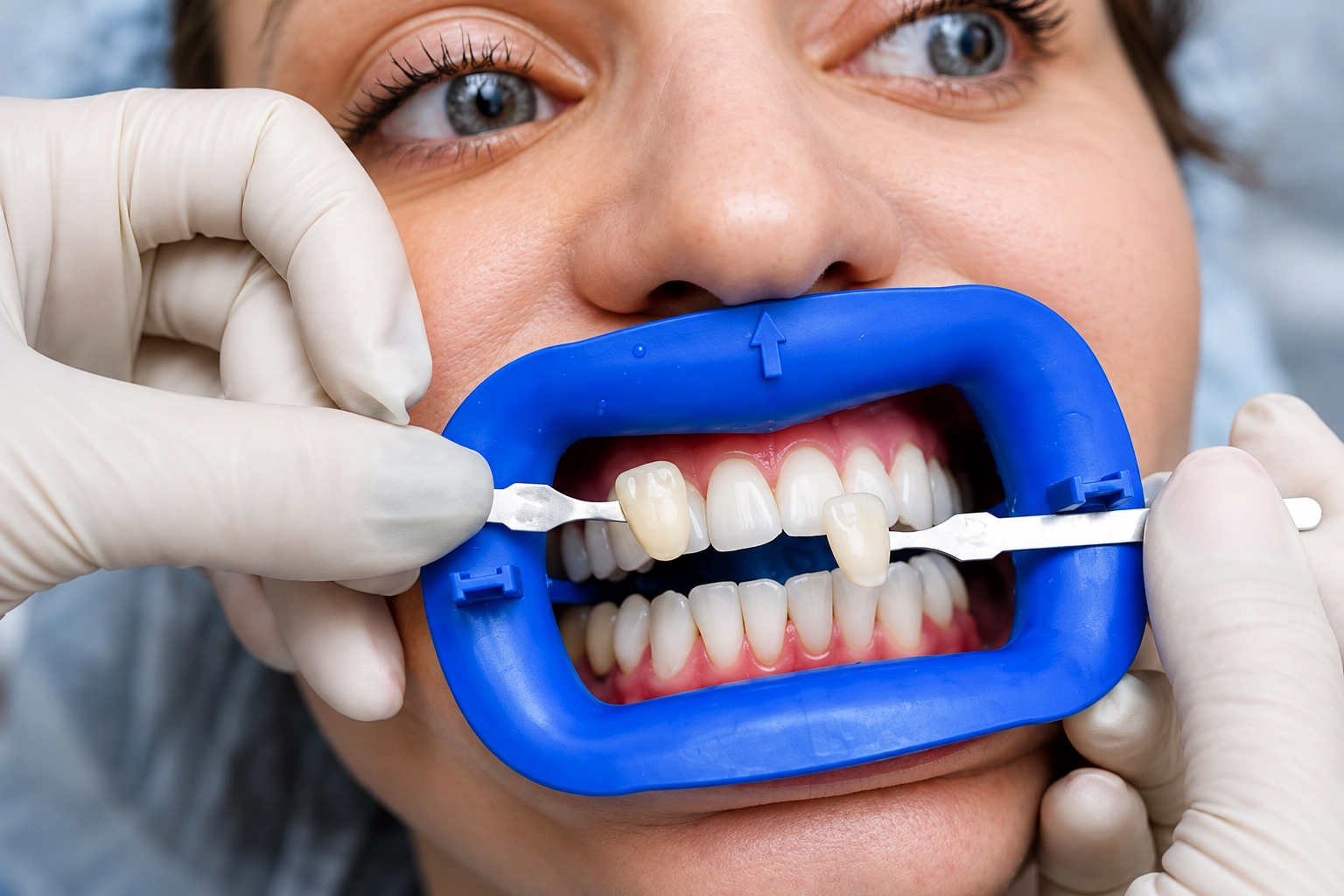
Keep the restoration safe, even if it appears damaged. Your dentist can determine whether it can be reused.
Can a Fallen Veneer Be Reattached?
Yes, you may be able to reattach veneers if the restoration and underlying tooth remain intact. Damaged veneers or teeth affected by decay may require different treatment. If the underlying tooth cannot be saved, your dentist may discuss replacement options, including dental implants, and explain whether dental implants are painful.
Can Veneers Be Removed Safely?
Dentists can remove bonded restorations using specialized techniques. Trying to remove them at home may damage enamel or expose sensitive tooth surfaces.
How Long Do Veneers Last?
Porcelain restorations often last 10 to 15 years or longer with proper care. Composite alternatives generally last less and may need repairs sooner.
Longevity depends on placement, bite pressure, and oral hygiene.
Do Veneers Ruin Your Teeth?
Properly planned treatment does not automatically damage your teeth. Traditional porcelain placement usually requires removing some enamel, making the procedure generally irreversible. Some patients may qualify for no-prep veneers, which require little or no enamel removal depending on the tooth’s condition.
Good dental care helps protect the natural tooth beneath the restoration and reduces the risk of decay under veneers.
How to Keep Veneers from Falling Off
Protecting your restorations starts with simple daily habits:
- Brush twice daily and floss properly around veneers.
- Avoid biting ice, pens, or hard objects.
- Wear a nightguard if your dentist recommends one.
- Attend regular dental checkups.
- Address loose restorations before they cause further damage.
These habits support long-term stability and reduce unnecessary repairs.
When to See a Dentist
Contact your dentist if a restoration feels loose, shifts when biting, or exposes a sensitive tooth. Seek prompt attention for severe pain, swelling, or a broken tooth.
At Smile Lab in Union Square, Dr. Waise Ebrahimi applies his advanced Kois Center training in cosmetic dentistry to evaluate damaged restorations while prioritizing natural tooth preservation.
If something feels wrong, you can schedule an appointment to explore your treatment options and protect your oral health.