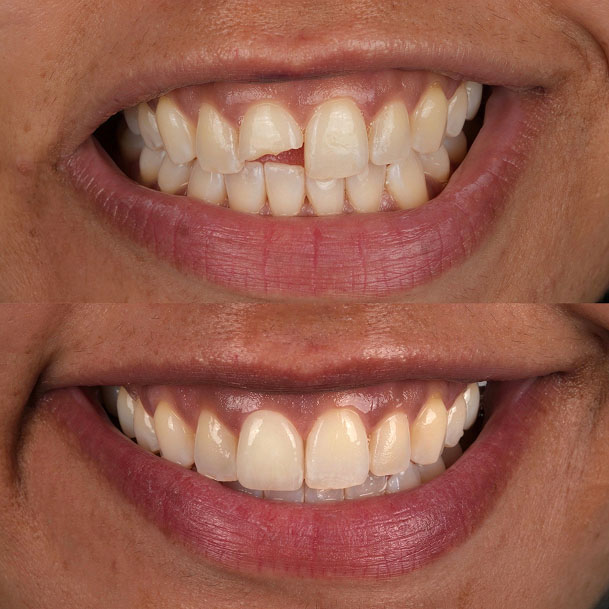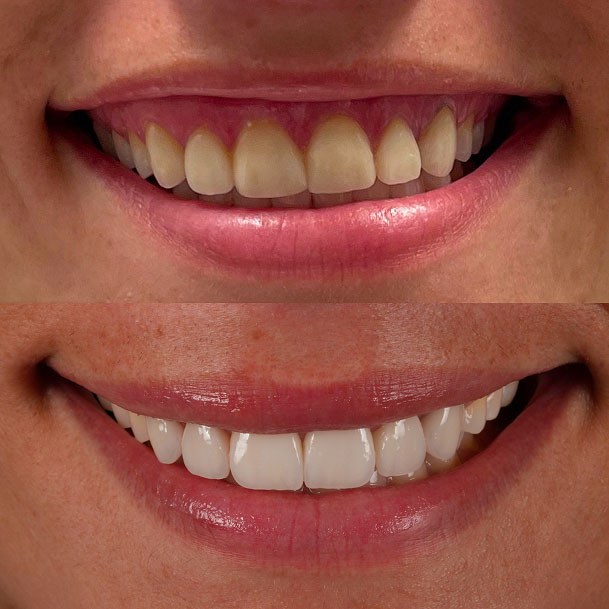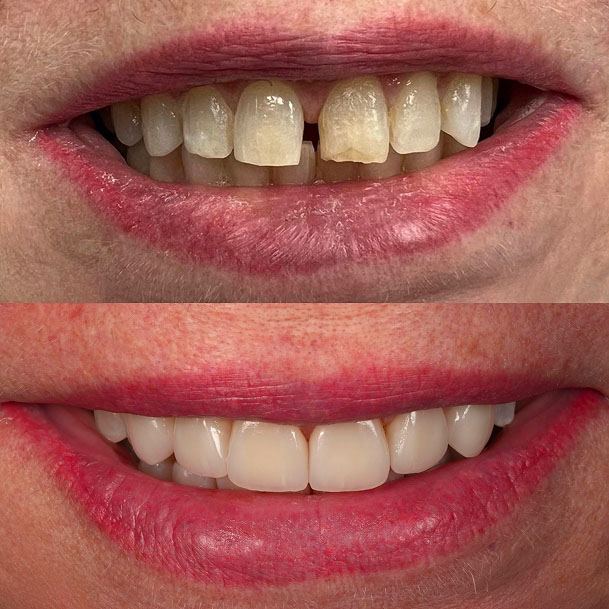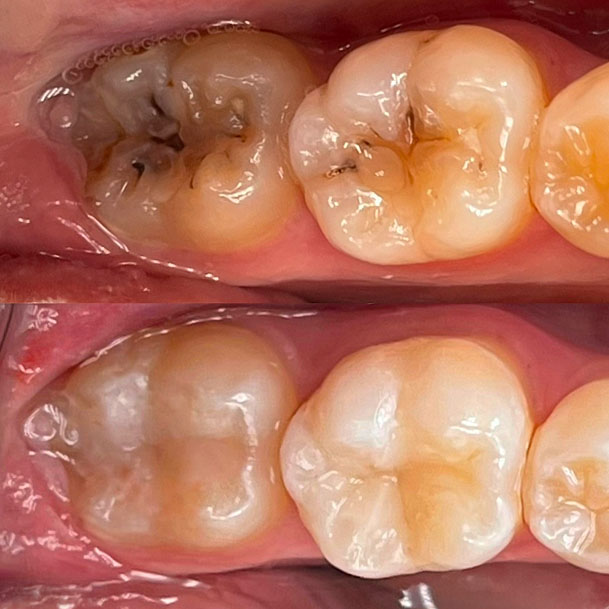

At Smile Lab in Union Square, the dental team can assess your brushing and flossing technique, remove hardened buildup, and monitor your teeth and gums during orthodontic treatment. Regular professional care matters because braces can trap plaque and make early enamel damage or gum irritation harder to notice.
Key Takeaways
- Brush above and below every bracket with a soft-bristled toothbrush and fluoride toothpaste at least twice daily.
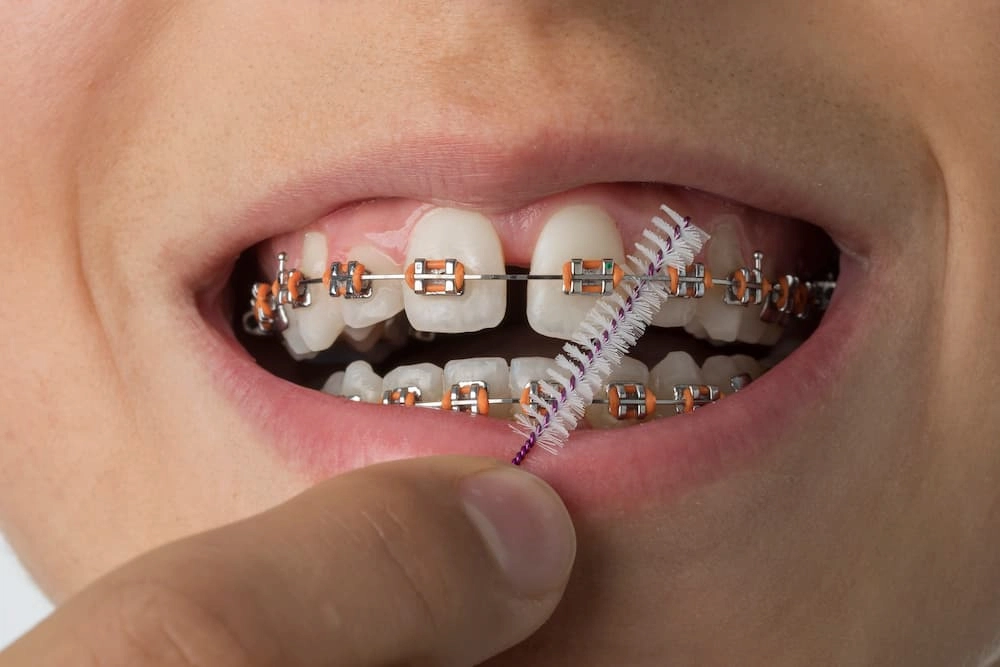
- Floss beneath the wires once a day and use an interdental brush to clear trapped food from small spaces.
- Rinse with water when you cannot brush, but wait 30 to 60 minutes before brushing after acidic foods or drinks.
- Professional dental visits can remove tartar that home care cannot reach while the appliances remain in place.
- Contact your dentist or orthodontist if you notice persistent bleeding, white spots, tooth pain, loose brackets, or bent wires.
7 Tips for Daily Braces Care
- Rinse before brushing to loosen food debris.
- Angle the brush above and below each bracket.
- Cover the front, back, and chewing surfaces.
- Brush gently along the gum line.
- Floss beneath the wires every day.
- Use an interdental brush for trapped food.
- Check your work with a mirror.
These steps create a simple routine for protecting your teeth and gums while wearing braces. Follow the same order each day so you do not overlook the back molars, wire edges, or spaces between brackets.
How to Clean Your Teeth with Braces
Start by rinsing your mouth with water for about 30 seconds. This loosens larger pieces of food and makes brushing your teeth easier. Rinsing can also help after snacks when a toothbrush is not available.
Brush Around Brackets and Wires
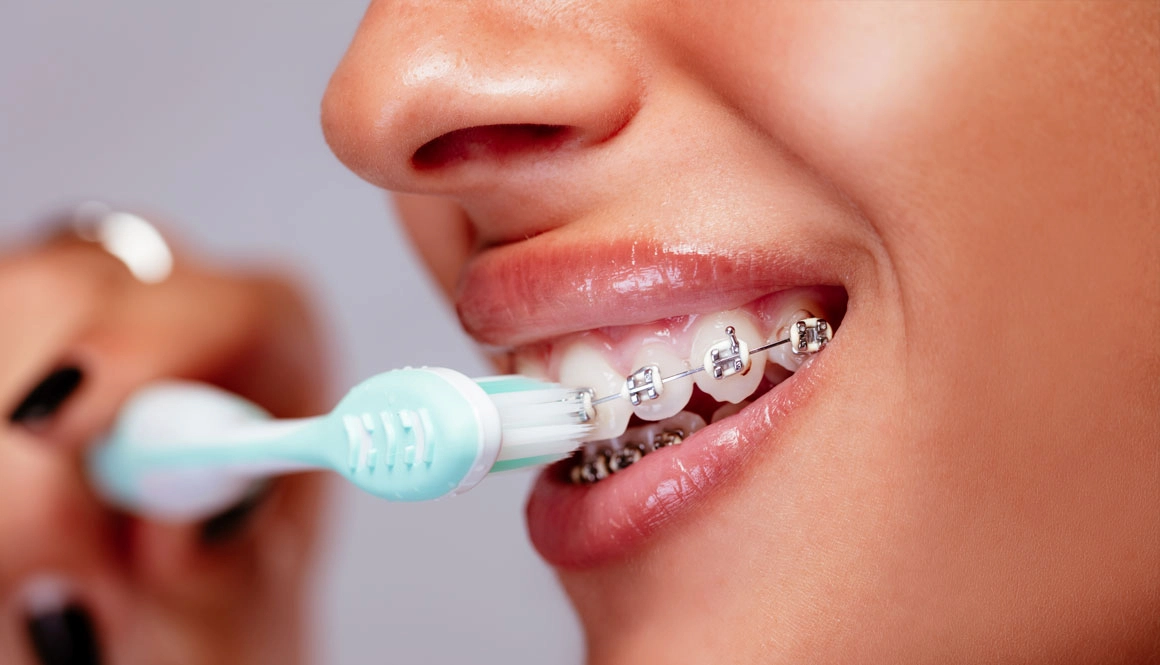
Hold the toothbrush at about a 45-degree angle toward the gums. Brush downward over the tops of the brackets, then angle the bristles upward to reach beneath them. Use small circular movements and light pressure to remove plaque without irritating the tissue.
Cover Every Tooth Surface
Brush the front, back, and chewing surface of every tooth. Spend extra time on the back molars and the area where the teeth and gums meet. These spaces often collect food particles and plaque even when the visible areas appear clear.
Floss Beneath the Wires
Use a floss threader or orthodontic flosser to guide floss beneath the wire. Curve it around each tooth and move it gently under the edge of the gums. Complete this step once daily to support oral hygiene and reduce the risk of gum disease.
Check for Missed Areas
Inspect the brackets and wires with a mirror after brushing and flossing. Look for visible food, cloudy buildup, or rough spots that may need more attention. An interdental brush can help remove debris from tight areas without bending the wire.
Brushing with New Braces
You can brush on the first day of treatment, even if your mouth feels tender. Use lukewarm water, a soft brush, and slower movements until the soreness improves. Properly bonded brackets should not come loose from normal brushing.
Contact your orthodontist if a wire cuts your cheek or a bracket feels loose. Orthodontic wax may protect the area temporarily, but damaged appliances need professional attention.
Care After Meals
Brush after meals when food remains around the brackets, and you have access to your supplies. When this is not practical during a commute or busy NYC workday, rinse several times with water. Complete a full routine when you return home.
Do not brush immediately after citrus fruit, soda, sports drinks, or other acidic foods. Acid can temporarily soften enamel, so rinse with water and wait 30 to 60 minutes. This delay helps protect the surface from unnecessary wear.
A small travel kit can make daily care easier. Pack a toothbrush, fluoride toothpaste, floss threaders, orthodontic wax, and an interdental brush.
Best Tools for Braces Care
A soft manual or electric toothbrush can work well when paired with good technique. Choose a small brush head that fits around brackets, avoid pressing hard against the wires, and replace it when the bristles flatten or spread.
Useful options include teeth cleaning tools designed to reach around brackets and wires:
- Fluoride toothpaste to strengthen enamel and lower the risk of tooth decay.
- Interdental brushes to clear spaces around brackets and wires.
- Floss threaders to guide floss beneath orthodontic wires.
- A water flosser to flush loose material from hard-to-reach areas, using a method similar to high-pressure water teeth cleaning tools used for targeted debris removal.
- Fluoride mouthwash to support enamel protection as a final step.
Daily Care and Common Mistakes
Complete your most detailed routine before bed and clean between adjacent surfaces every day. Saliva flow decreases while you sleep, so leaving plaque overnight can increase cavity risk. A two-minute timer can help, but full coverage matters more than finishing at an exact time.
Avoid rushing, skipping the back molars, or relying only on mouthwash. These habits can leave buildup around brackets and along the gums. Use a mirror or plaque-disclosing tablet if you struggle to see where your routine is missing food particles and plaque.
Limit sticky foods that cling to brackets and hard foods that can damage wires. Cut firm foods into smaller pieces and choose water between meals when possible.
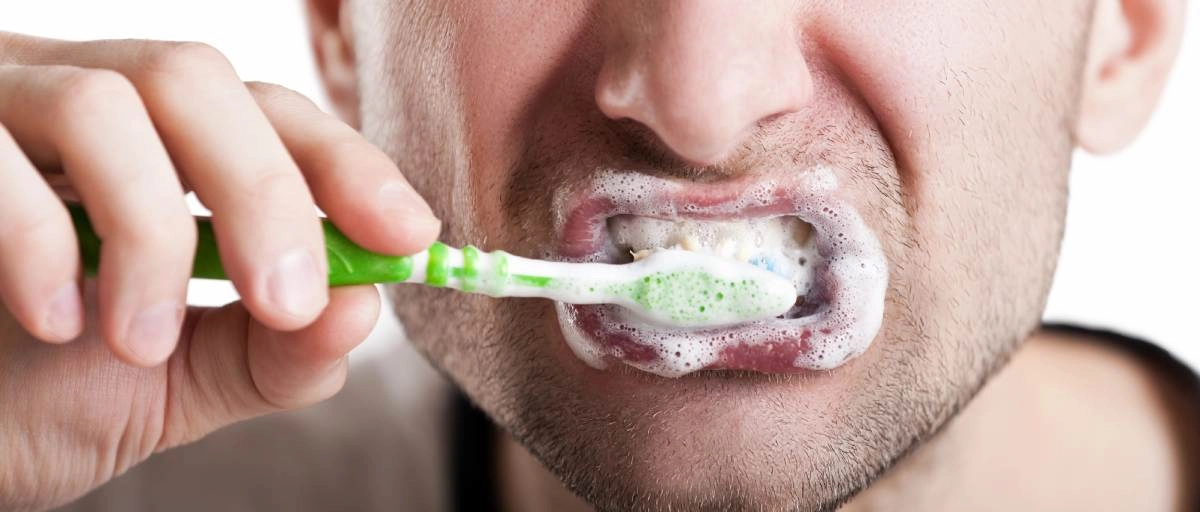
Can Teeth Cleaning Be Done with Braces?
Yes, a dentist or dental hygienist can complete a professional cleaning while brackets and wires remain in place. They use scaling and polishing instruments to remove tartar and work carefully around the appliances. The orthodontist usually does not need to remove the wire for a routine visit.
Home care removes soft plaque, but it cannot remove hardened tartar. A professional visit also allows the dental team to check for inflammation, cavities, and early white spots near brackets.
Dr. Waise Ebrahimi takes a preventive and conservative approach at Smile Lab, with a focus on protecting natural tooth structure. Your dentist manages preventive exams and gum health, while your orthodontist manages tooth movement, brackets, and wires.
Professional Cleaning Cost
The cost depends on your oral condition and the type of care required rather than the orthodontic appliances alone. At Smile Lab, both a New Patient Exam & Cleaning and a Recall Exam & Cleaning cost $250.
A deep cleaning treats buildup below the gums and requires an examination to determine the recommended care and cost. Learning about the different types of teeth cleaning can help you understand why the recommended procedure may vary.
Patients who prefer not to pay the full amount upfront can apply for a payment plan through Cherry. Eligibility and payment terms depend on the application. Apply for Cherry financing.
When to Contact Your Dentist
Seek dental guidance if bleeding, swelling, bad breath, or visible buildup continues despite consistent care. Chalky white marks near brackets may indicate early enamel mineral loss and should be evaluated. Tooth pain, sensitivity, or swelling also requires a dental assessment.
Contact your orthodontist for broken brackets, bent wires, or appliance-related pain. You do not need to wait until treatment ends to address a concern. Schedule Your Visit with Smile Lab when you need professional care or clear guidance during treatment.