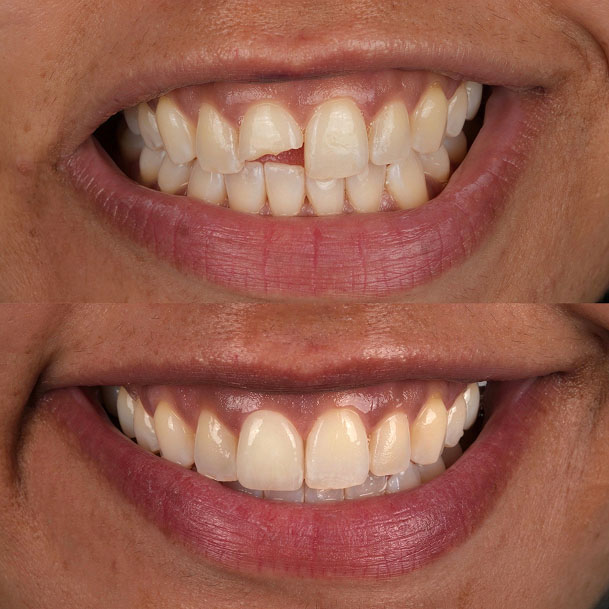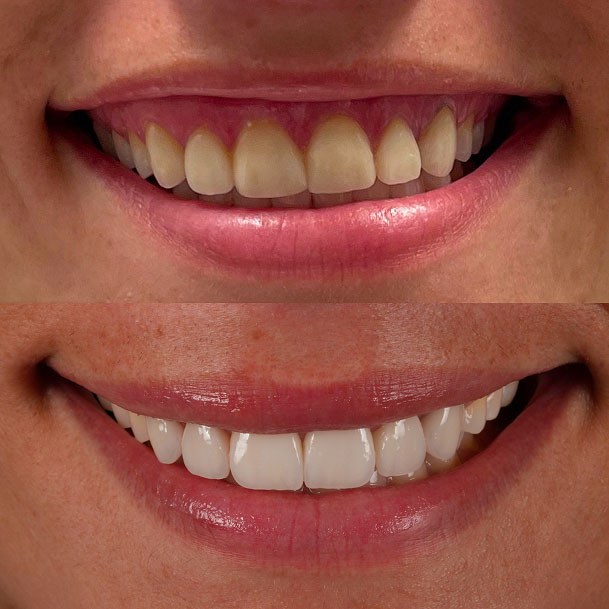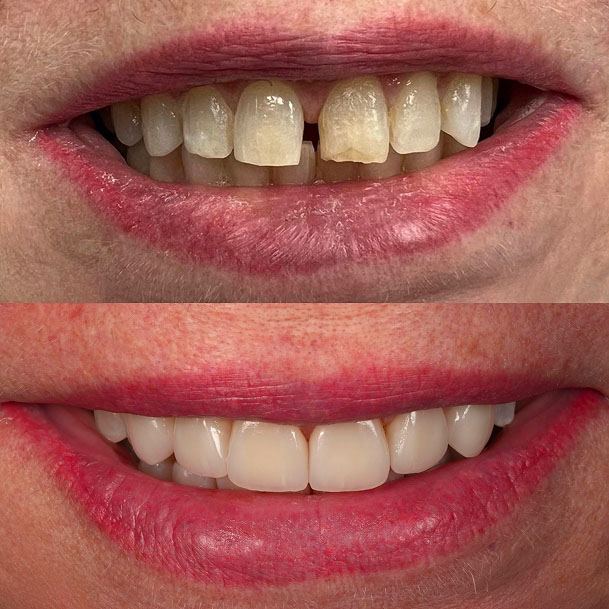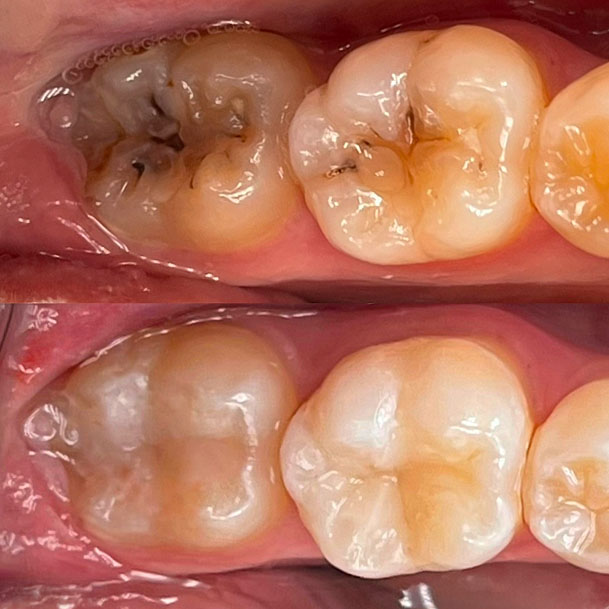
At Smile Lab, a dental evaluation can identify whether stains, hardened buildup, enamel wear, or another concern is affecting your results and recommend the safest option for your mouth.
Does Baking Soda Actually Clean Your Teeth?
Yes. Sodium bicarbonate is a mild abrasive that mechanically disrupts soft plaque and lifts external stains from the tooth surface, and studies published in the Journal of the American Dental Association confirm its stain-removal effectiveness in both plain form and in formulated toothpaste.
Plain household powder is not a complete oral care product, though. It contains no fluoride, no controlled abrasiveness rating, and no long-term cavity protection, which is why the American Dental Association recommends a fluoride toothpaste that lists baking soda as an ingredient over homemade paste for daily use.
Key Takeaways
- This household powder may reduce surface stains and soft plaque, but it cannot remove tartar, reverse cavities, or change deep discoloration.
- It contains no fluoride, so it should not replace a cavity-protection toothpaste in your daily oral care routine.
- Use a small amount with water and light pressure, no more than two to three times per week, especially with sensitivity, gum recession, or restorations.
- Avoid combining it with lemon juice or vinegar; acidic ingredients soften enamel and increase erosion risk.
- See a dentist if buildup feels hard, stains do not improve, or brushing causes pain, bleeding, or lasting discomfort.
Is Baking Soda Healthy and Safe for Teeth?
Sodium bicarbonate is considered a low-abrasive ingredient when used correctly. It supports oral health by neutralizing the acids that contribute to enamel erosion and by disrupting the bacterial biofilm behind gingivitis.
That said, it can’t substitute for a complete dental product. It lacks fluoride and the balanced formulation that protects teeth and gums during daily brushing, so dentists treat it as an occasional aid rather than a toothpaste replacement.
Baking Soda for Teeth and Gums: Side Effects
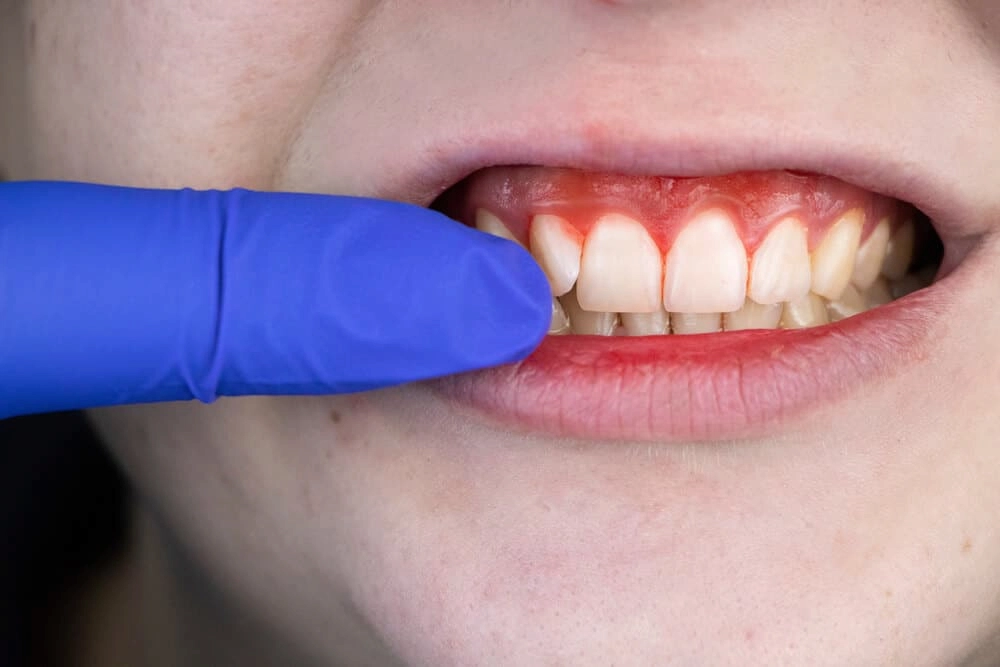
Frequent use, hard scrubbing, or a coarse mixture may irritate the gums and worsen sensitivity near exposed roots. Ask a dentist before applying it if you have enamel erosion, braces, veneers, crowns, bonding, or gum recession, since abrasion around these areas can cause lasting harm.
Is Baking Soda Safe for Sensitive Teeth?
If you already have sensitive teeth, sodium bicarbonate may make the problem worse. The abrasive action can wear at thinning enamel and expose more dentin, so use it sparingly, apply only light pressure, and switch to a sensitivity-formulated toothpaste if discomfort continues.
What Can Baking Soda Remove From Your Teeth?
Its mild abrasive action loosens soft plaque and reduces external stains caused by coffee, tea, tobacco, red wine, and pigmented foods. These changes affect the outer surface rather than the tooth’s natural color, so the visible improvement is real but limited.
Can It Remove Plaque?
Yes, to a point. Baking soda grains disrupt the plaque biofilm where a toothbrush can reach, and its alkaline pH makes the mouth less hospitable to cavity-causing bacteria. It cannot fully clean between teeth or below the gumline, so brushing and flossing remain essential parts of oral care. Chewing gum may support saliva flow, but it cannot replace brushing, as explained in our guide on whether gum can clean teeth.
Can It Remove Tartar?
No. Once plaque hardens into tartar, a toothbrush and household paste cannot remove it safely.
A deep cleaning of the teeth uses dental instruments to remove hardened deposits above and below the gumline without damaging the enamel. Seek help if your mouth still feels rough after brushing.
Can It Whiten Teeth? What Before and After Results Are Realistic?
It may brighten mild surface discoloration, but it is not a bleaching treatment or a strong teeth whitener. Realistic baking soda teeth before-and-after results include slight brightening of coffee, tea, or tobacco stains after two to four weeks of consistent use, not the dramatic shade change advertised by professional whitening.
If discoloration appears brown, learn what may help remove brown stains from teeth naturally and when dental care is needed. This method cannot correct deep stains, medication-related discoloration, or internal color changes.
Can Baking Soda Get Rid of Cavities or Tooth Decay?
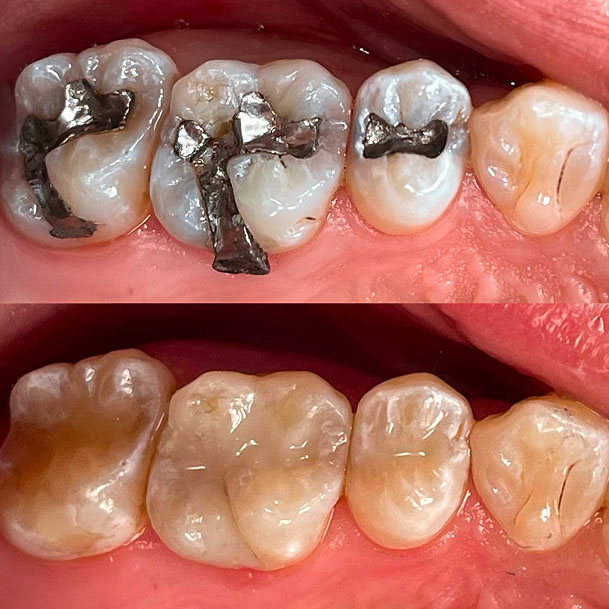
No. Sodium bicarbonate cannot heal cavities, reverse tooth decay, or repair a tooth that has already broken through the enamel. Once decay reaches dentin, only a dentist can restore the tooth with a filling, inlay, crown, or root canal, depending on how deep the damage runs.
Its alkaline pH may help slow the acidic conditions that lead to decay in the first place, which is different from treating decay that already exists. Dental science does not support claims that baking soda gets rid of cavities at home, and delaying professional care lets small cavities grow larger and more expensive to fix.
Does Baking Soda Remineralize Teeth?
Not directly. Remineralization needs minerals like calcium, phosphate, and fluoride to rebuild weakened enamel, and sodium bicarbonate provides none of these. It can neutralize acid on the tooth surface, creating conditions that support natural remineralization rather than driving it.
For active enamel repair, a fluoride toothpaste, a professional fluoride treatment, or a remineralizing product your dentist recommends will do more than plain powder alone. Learn more about remineralizing teeth naturally.
How to Clean Your Teeth With Baking Soda Safely
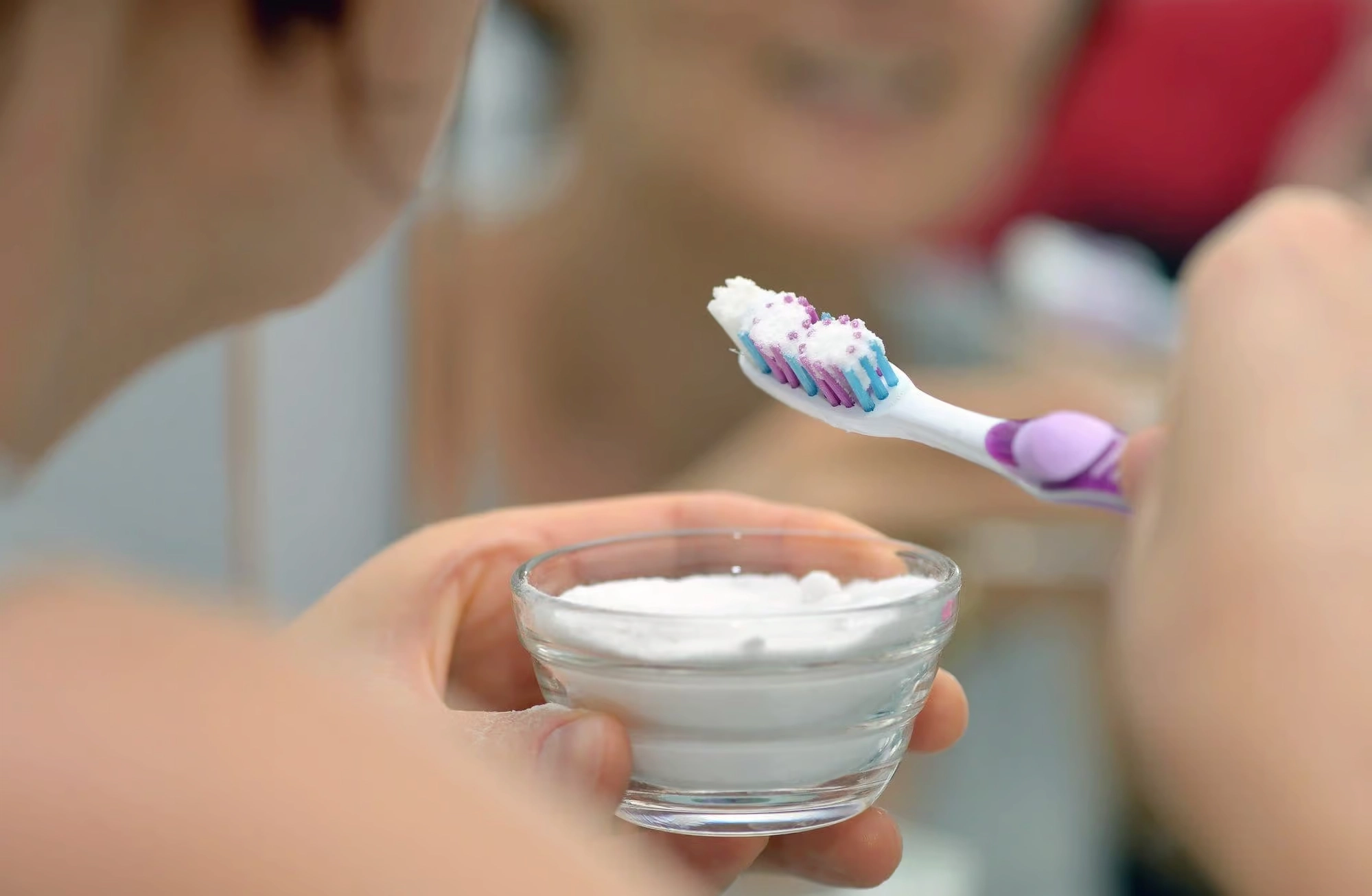
For routine care, choose a fluoride toothpaste that already lists sodium bicarbonate as an ingredient. If you want to brush with plain powder occasionally, follow these steps:
- Wet a soft-bristled toothbrush with clean water and shake off the excess.
- Dip the damp bristles into about a quarter teaspoon of baking soda, or mix a quarter teaspoon of powder with a few drops of water in a small dish to form a thin paste.
- Brush gently in small circles for two minutes, covering every tooth surface with light pressure. Never scrub hard, especially near the gumline.
- Spit out the mixture and rinse your mouth thoroughly with water until it feels clean and free of grit. Rinse your toothbrush as well.
- Follow with your usual fluoride toothpaste to restore cavity protection.
Avoid homemade mixtures with lemon juice, vinegar, or uncontrolled amounts of hydrogen peroxide. Acidic ingredients weaken enamel, while concentrated whitening mixtures may irritate the gums or heighten sensitivity.
How Often Should You Use It?
Limit brushing teeth with baking soda to two or three times per week at most. Daily use, or hard pressure at any frequency, can thin the enamel over time and worsen root sensitivity. You can use a properly formulated fluoride toothpaste with sodium bicarbonate as directed on the label, usually twice a day.
Stop using any product that causes sharp pain, gum irritation, or lasting sensitivity. If the discomfort persists, a dentist can check for enamel erosion, exposed roots, or decay before you continue using it.
Baking Soda and Toothpaste
Mixing household powder with toothpaste may change the formula’s texture and abrasiveness. A product already made with sodium bicarbonate provides a more consistent amount of each ingredient.
Why Fluoride Still Matters
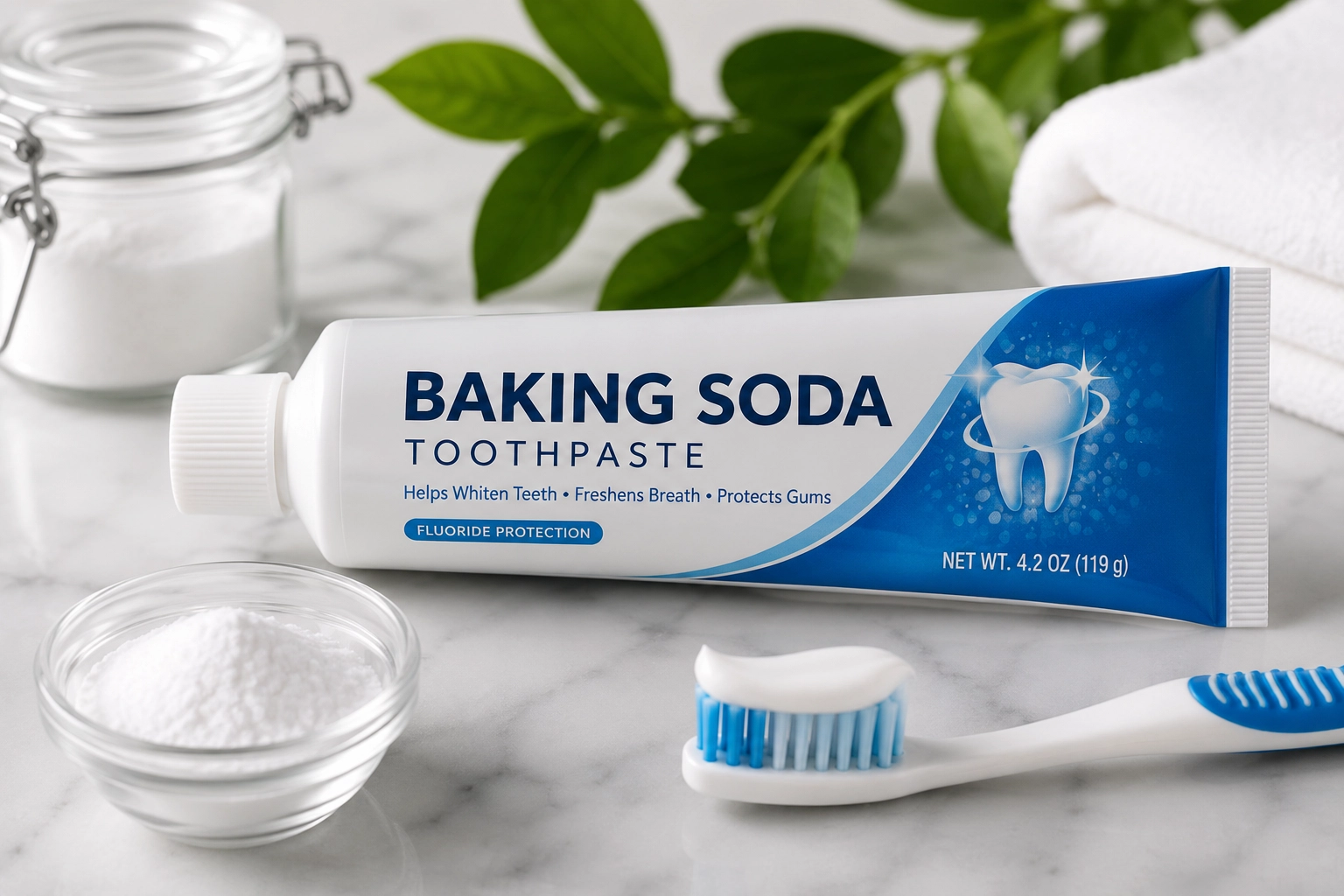
Fluoride strengthens enamel and helps prevent tooth decay, which is exactly what plain baking soda cannot do. Choose a toothpaste with baking soda and fluoride for stain-removing support in a product intended for routine use, and look for the American Dental Association Seal of Acceptance on the packaging.
Can Baking Soda Toothpaste Irritate Gums?
It can, especially at higher baking soda concentrations or with heavy pressure. If your gums bleed, sting, or feel tender after switching to a baking soda toothpaste, ease the pressure and shorten your brushing time first. If irritation continues beyond a week, a dentist can check for gingivitis, recession, or a reaction to another ingredient in the formula.
Common Household Mixtures for Baking Soda Oral Care
Some online recipes offer little added benefit, while others may expose enamel and gum tissue to avoidable irritation.
Baking Soda and Hydrogen Peroxide
Hydrogen peroxide is found in regulated whitening products, but homemade concentrations are difficult to control. A DIY mixture may cause gum irritation or sensitivity, so professional guidance is safer.
Baking Soda and Coconut Oil or Salt
Coconut oil does not replace brushing and flossing, and evidence does not show that it prevents cavities or provides dependable whitening. Salt adds abrasion but does not improve cavity protection or turn the mixture into a complete toothpaste.
Baking Soda and Vinegar or Lemon Juice
Avoid both combinations. Vinegar and lemon juice are acidic, and the American Dental Association warns that repeated acid exposure erodes enamel, softening the tooth surface before the abrasive powder rubs against it and accelerating wear rather than whitening.
Baking Soda vs. Baking Powder for Cleaning Teeth
Baking soda and baking powder are not the same product. Baking soda is pure sodium bicarbonate; baking powder blends sodium bicarbonate with acids like cream of tartar and a starch filler, all designed for food preparation rather than oral care.
Do not use baking powder for cleaning your teeth. Its added acids can weaken enamel, the starches feed oral bacteria, and the product was never made or tested for mouth use. The sodium bicarbonate teeth cleaning benefits described above do not carry over to baking powder.
When to See a Dentist
Schedule professional care if you notice hard buildup, persistent bleeding, bad breath, or stains that do not improve. Depending on your gum health, your dentist may discuss options such as laser teeth cleaning. A dentist can distinguish surface discoloration from tartar, decay, thinning enamel, or internal staining that no home remedy will fix.
Dr. Waise Ebrahimi follows a preventive and conservative approach that focuses on preserving natural tooth structure before recommending whitening or restorative treatment. At Smile Lab in Union Square, you can receive guidance tailored to your enamel, restorations, habits, and goals, rather than relying on a general home remedy.
Schedule Your Visit when you are ready to find the safest option for your smile.