
Lorem ipsum dolor sit amet, consectetur adipiscing elit. Ut elit tellus, luctus
A personalized dental care plan is a written roadmap your dentist builds around your mouth, your medical background, your goals, and your budget. It sets out which procedures you need, what order they happen in, roughly what each costs, and when.
No two smiles are alike. Your teeth vary in shape, alignment, color, and health, so a sequence built for someone else can miss what your mouth actually needs. Personalized dental care plans exist to make that difference explicit before any work starts.
What Goes Into a Personalized Dental Care Plan
Five inputs shape the plan, and your dentist weighs them together rather than one at a time.
- Current oral condition. Decay, gum health, bite alignment, worn enamel, and how existing work is holding up.
- Medical background. Conditions and medications that change what is safe for you and how quickly you heal.
- Appearance goals. Color, shape, spacing, and how your smile looks when you talk.
- Daily habits. Grinding, smoking, coffee, and how much time you give to hygiene at home.
- Budget and timeline. What you can spend now, and what can safely wait.
Step One: Listening To Your Goals
Your dentist starts by asking what you like and dislike about your smile. Some people want a better look; others care more about comfort, chewing function, or keeping what they have for decades.
Goals shape sequence. A plan has to reflect what matters most to you rather than looking correct on paper. Being specific this early prevents mismatched expectations later. Patients visiting a dentist in SoHo, NY begin this process with a consultation focused on listening and understanding priorities.
Step Two: A Thorough Oral Exam
Next comes a full exam. Your dentist checks each tooth, your gums, bite alignment, jaw movement, and signs of decay, gum disease, worn enamel, or nighttime grinding.
X-rays or digital scans show what sits below the surface: bone level, root condition, and how previous work is performing. Many of these checks are part of routine general dentistry and form the base of any personalized oral health plan.
Your medical history matters just as much. Diabetes is linked to more severe gum disease and slower healing, and some prescriptions reduce saliva, which raises decay risk, according to the CDC. Tell your dentist about both. Sequence matters here. Stabilizing active disease before cosmetic changes gives the cosmetic result a sound foundation, so it holds longer.

Step Three: Reviewing Your Options
With the exam done, your dentist lays out the realistic paths: prevention, restorative work, alignment, or cosmetic changes, and most plans combine two or three of these rather than sticking to one.
For each option, you should hear the upside, the downside, how long it lasts, and what happens if you wait. Customized dental treatments get phased across months when your budget or calendar calls for it. This is where a personalized dental treatment stops being an idea and becomes a schedule with dates on it.
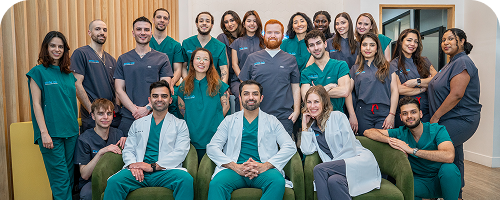
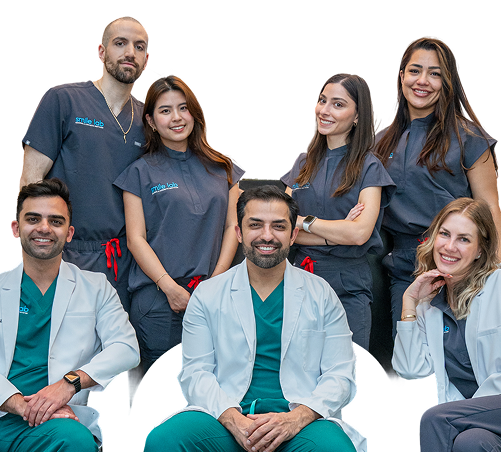
Some procedures, like extractions or implant placement, get handed to a specialist within the same practice. At Smile Lab, that typically means Dr. Marcello Guglielmi, a board-certified oral and maxillofacial surgeon, so the surgical part of your plan stays in-house rather than sending you elsewhere. Ask what happens if you decline a step, and get that answer in writing before you agree to anything.
What a Personalized Plan Costs
Cost depends entirely on which procedures land in your plan. Smile Lab is in-network with most major PPO plans, and 0% financing is available. The figures below are out-of-pocket rates at the Union Square office for patients without insurance.
| Procedure | Out-of-pocket | Chair time | Warranty |
|---|---|---|---|
| New patient exam and cleaning | $250 | 50 min | n/a |
| Deep cleaning (SRP), includes maintenance visit | $1,400 | Two 1-hour visits, plus 30 min at 3 months | n/a |
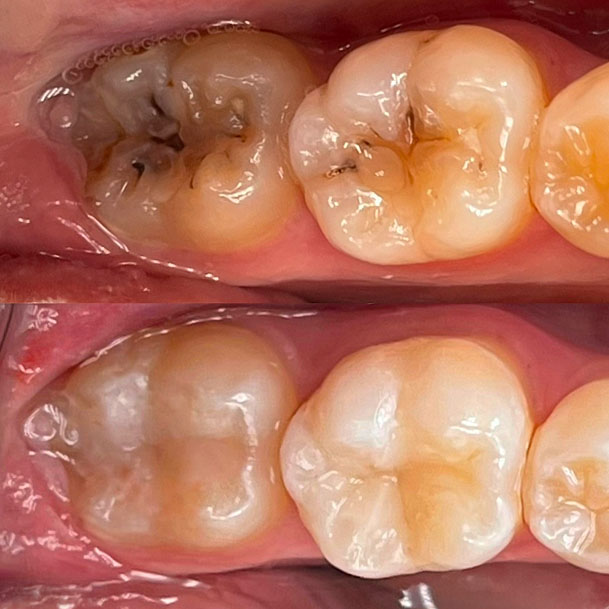
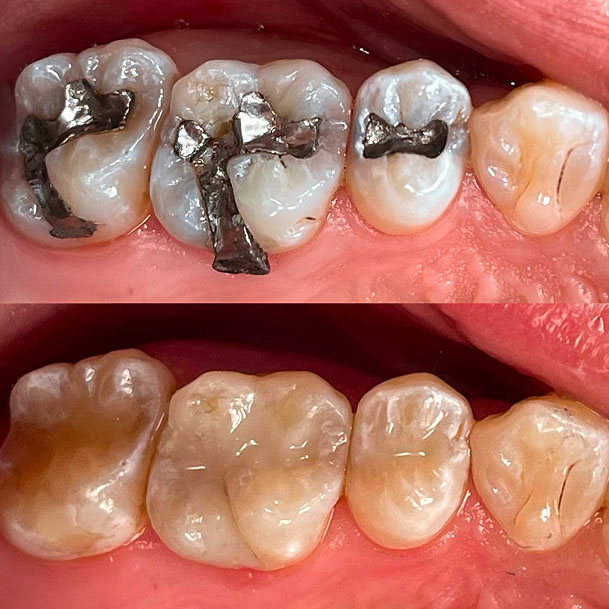
| Filling, 1 to 4 surfaces | $300 to $450 | 40 min to 1 hour | 1 year |
| Crown | $1,950 | 1 hour prep, 1 hour delivery 3 weeks later | 5 years |
| Onlay | $1,950 | 1 hour | n/a |
| Bonding | $950 | Single visit | n/a |
| Veneer, resin | $950 per tooth | 1 hour | n/a |
| Veneer, porcelain | $2,323 per tooth | 1 hour | n/a |
| In-office whitening | $350 | 1 hour | n/a |
| Clear aligners (CandidPro) | $6,000 | 1 to 24 months | 3 years, refinements included |
| Night guard | $650 | Scan and delivery | n/a |
| Retainers, top and bottom | $650 | 1 hour scan, 30 min delivery 2 weeks later | 2 years |
| Root canal | $1,400 front, $1,600 premolar, $1,800 molar | 1 to 1.5 hours | n/a |
| Implant body | $2,650 | 1 hour | n/a |
| Abutment and crown | $3,300 | Multiple visits | n/a |
Step Four: Using Digital Planning Tools
Photos, intraoral scans, and software models let your dentist map changes precisely before touching a tooth. Personalized dental treatment planning has become far more exact because of it. You also get a preview. Results are never guaranteed, but seeing a proposed outcome makes the tradeoffs concrete and sets expectations you can hold your dentist to. Precision cuts rework. Fewer surprises mid-procedure means fewer adjustment visits later.
Designing Dental Smiles Digitally
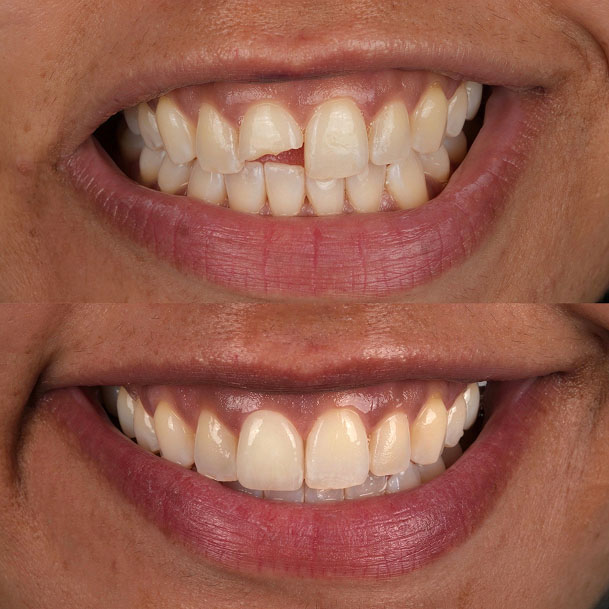
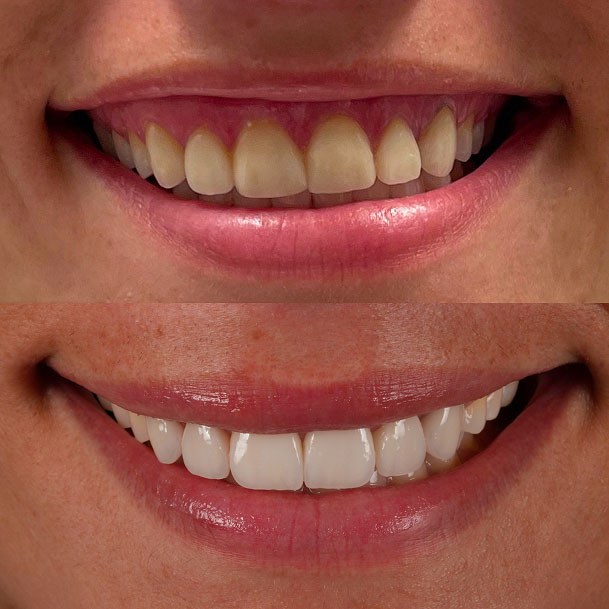
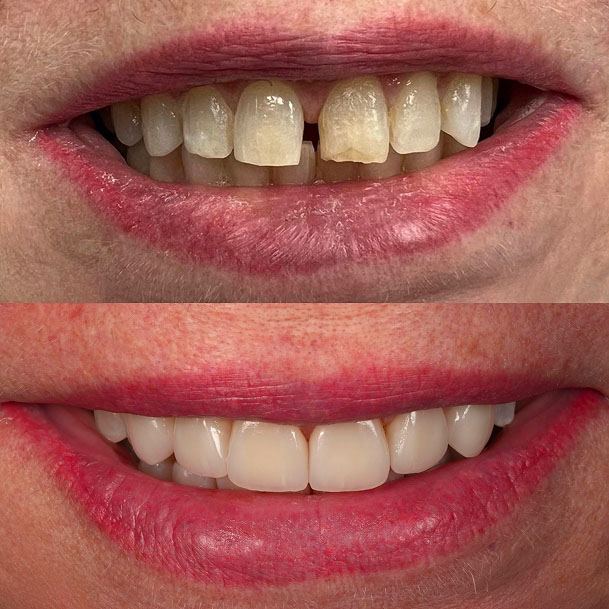
Digital smile design maps proposed shape, length, and proportion against your face, not just your mouth. Designing dental smiles this way turns a vague request like “straighter” into measurable targets your dentist can either hit or tell you are unrealistic.
Step Five: Building a Realistic Timeline
Every plan carries a schedule. Some work finishes in one visit; alignment and implants run for months. Your dentist marks what is urgent, what is elective, and what can safely wait a year or more.
A timeline stops rushed decisions. It also lets you plan around appointments, recovery, and follow-up support from a dentist in Manhattan, NYC who tracks the plan over time.
Step Six: Adjusting the Plan Over Time
Plans are not fixed. Your mouth changes, priorities shift, and new issues surface, so your dentist reviews progress at each visit and revises whatever is left. That review is what separates a customized dental journey from a one-time quote. Small problems caught at a checkup rarely turn into expensive ones.
Why Personalization Matters
Personalized approach dentistry means every step ties back to what you actually said you wanted, not a generic script. A personalized dental plan accounts for the whole picture: comfort, appearance, function, and how long the results hold up.
Patients who understand their plan tend to complete it. Knowing the sequence, the cost, and the reason behind each step removes most of the anxiety that makes people cancel appointments and put off care.
Building the plan comes down to three things: listening, careful examination, and an honest conversation about tradeoffs. That is what makes the process predictable instead of something that happens to you.
What a Personalized Approach to Dentistry Looks Like
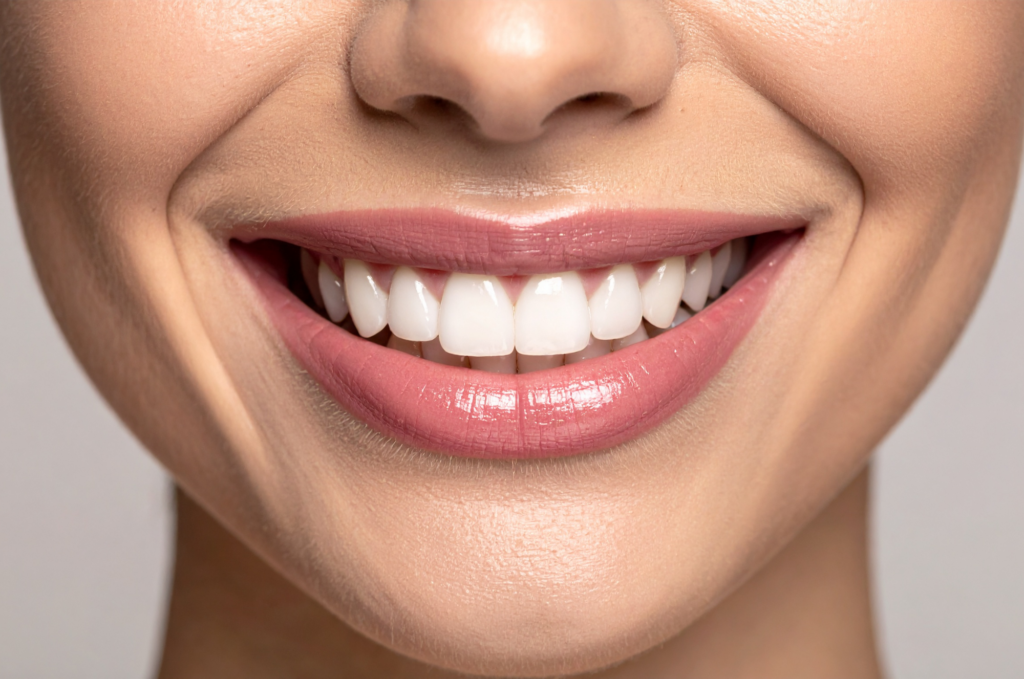
A personalized approach to dentistry means the plan changes when you do. Two patients can share a diagnosis and still get different sequences, because their budgets, health, and goals differ. The clinical findings are objective; the order and pace are yours to shape.
Common Questions
- How long does it take to get a personalized dental care plan? Usually one visit. The exam, imaging, and goals conversation happen together, and you should leave with a written sequence and a cost estimate. Cases involving surgery or alignment sometimes need a second consultation.
- Does insurance cover it? The exam and imaging that produce the plan are generally covered as preventive under most PPO plans. Coverage for the procedures inside the plan varies; some are covered fully, some partly, and cosmetic work usually is not. Ask for a line-by-line breakdown before you agree to anything.
- What is the difference between a treatment plan and a smile plan? Mostly wording. A plan focused on disease and function gets called a treatment plan; one weighted toward appearance gets called a smile plan. A good plan covers both.
- Can I change the plan after agreeing to it? Yes. Phasing is normal and so is reordering. Tell your dentist when money, timing, or priorities shift, and the sequence gets rebuilt around the new constraint.
- What if I only want part of the plan? That is common and perfectly acceptable, provided you understand what declining a step risks. Your dentist should tell you plainly which items are optional and which ones create bigger problems if skipped.