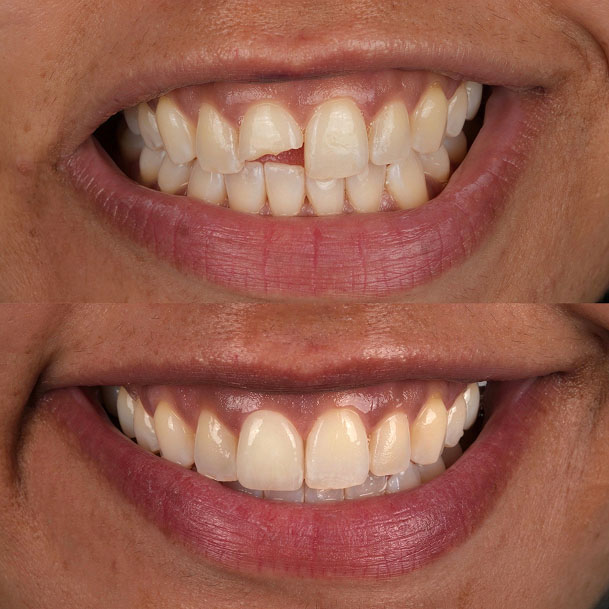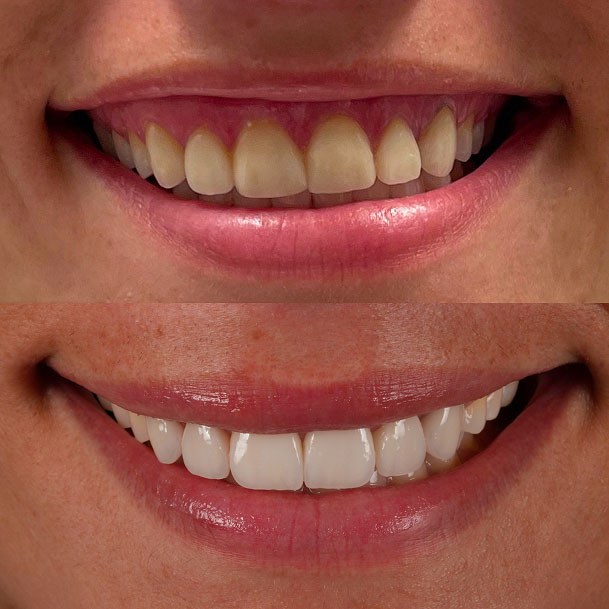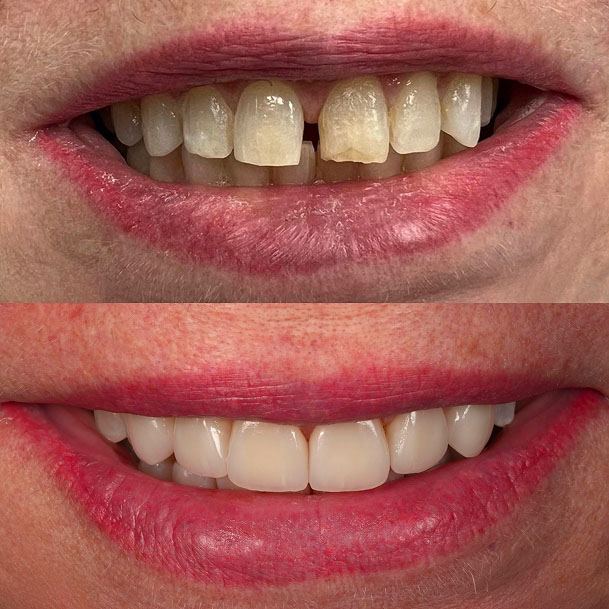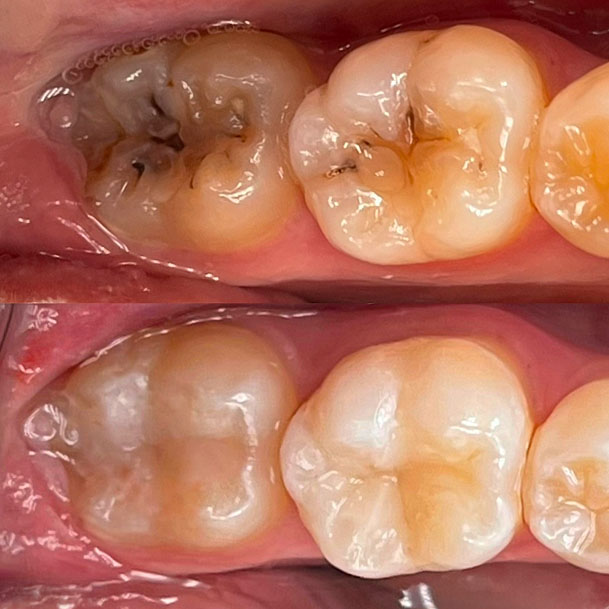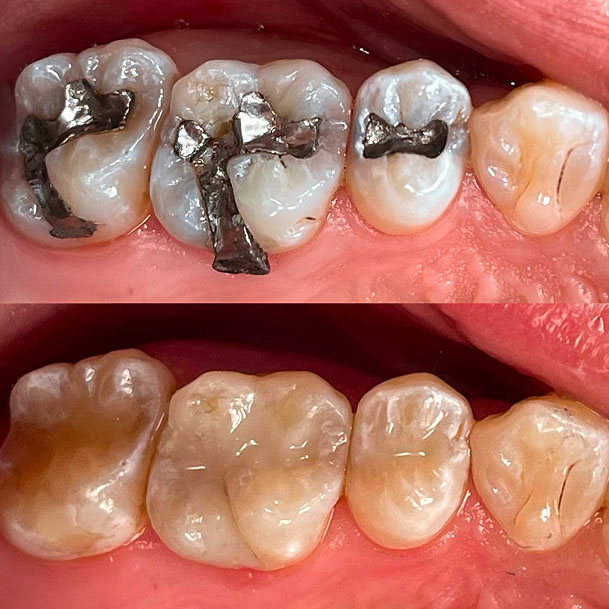
Veneers are widely hailed as a one-time fix for discolored, fractured, or stained teeth. Ideal for people with otherwise healthy enamel, they offer a quick and cost-effective way to cover imperfections that might be hurting your confidence.
Are Veneers Permanent?
Partly. The procedure is permanent. The shells themselves are not.
Placing a porcelain veneer means removing a thin layer of enamel from the front surface of the tooth, and enamel does not grow back. That part of the decision is irreversible. The restoration bonded on top, however, has a working lifespan and will eventually need to be replaced, usually after 10 to 20 years.
So permanent veneers are permanent in the sense that matters most: once your enamel is reduced, those front teeth will always need a covering of some kind. What sits on them is replaceable. What was removed underneath is not.
Improve your Smile
What are Veneers?
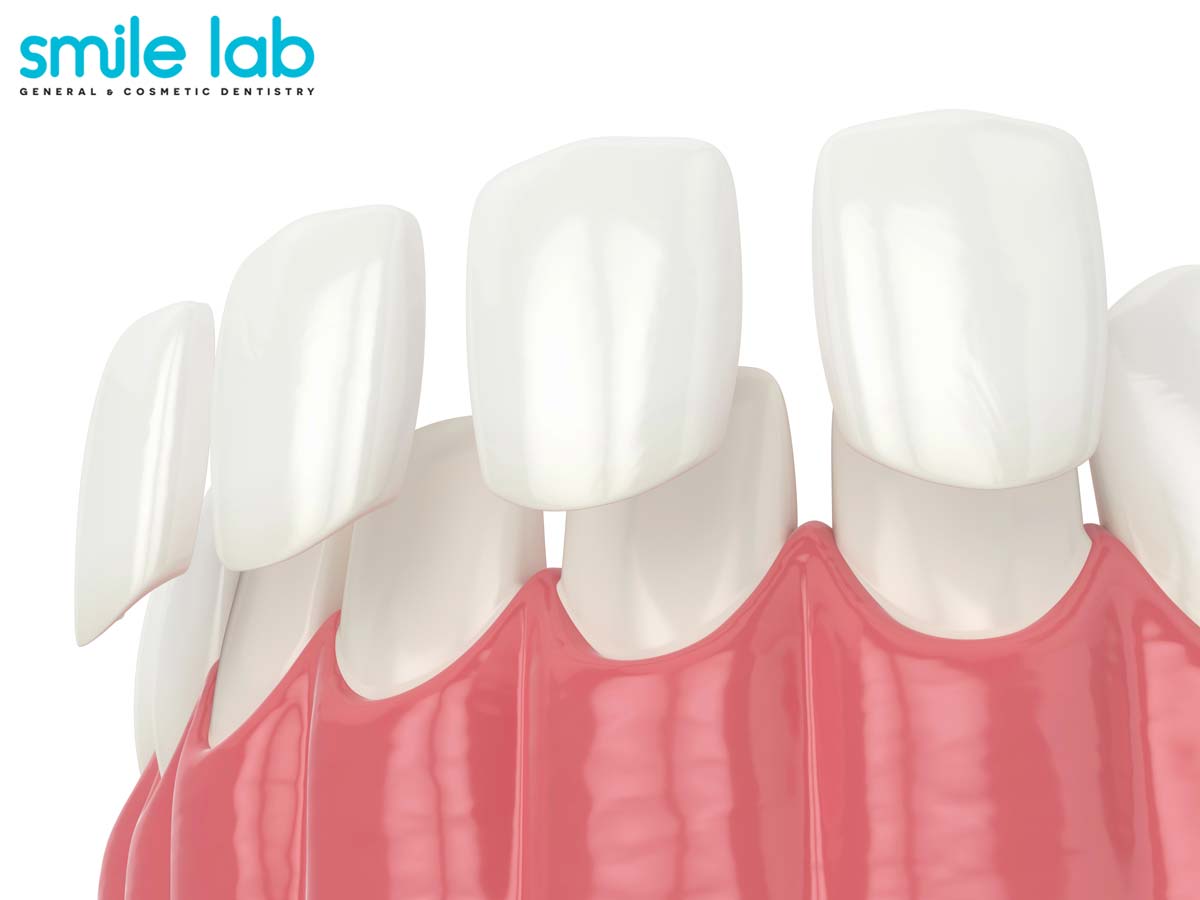
placed along your front teeth. Their purpose is to hide chips, stains, fractures, and other flaws, and to fully restore your appearance and confidence.
These shells blend with the natural color of surrounding enamel, making them virtually indistinguishable. Porcelain is also more stain-resistant than natural enamel, which means the finished result needs little extra upkeep.
Here is the full list of cosmetic issues veneers are used to correct:
- Deep discoloration and yellowing that whitening cannot lift
- Chips and small fractures on the front surface
- Gaps between the front teeth
- Slightly crooked or rotated teeth that do not need orthodontics
- Misshapen, pointed, or undersized teeth
- Worn edges from grinding or age
- Uneven lengths across the smile line
- Old, discolored bonding that no longer matches
Types of Veneers
Not every option carries the same commitment. There are three broad categories worth knowing before you choose.
Porcelain veneers are the most durable and the most natural-looking. They require enamel reduction, which makes them irreversible.
Composite resin shells cost less and can often be completed in a single visit. Enamel reduction is minimal or sometimes unnecessary, so this option is closer to reversible.
No-prep and minimal-prep options are ultra-thin porcelain shells that preserve most of the natural surface. They only work for specific cases, usually small teeth or minor spacing, and not every patient is a candidate.
What Our Patients Say
EXCELLENT Based on 2276 reviews
 Posted on Google
 Jou Min Chen (Jumin)I've been taking all my treatments over here for over a year now and so far I'm pretty satisfiedPosted on Google
 nikhil keswaneyDr basseri was amazing he took into account my fiances anxitey i to account and performed the filling even after hours he definitely earned 2 permenant patients.Posted on Google
 AkusaBeautiful experience! For my first dental visit- I had a smooth experience. Everyone was super nice. From the dentist, to the receptionist… all of the above.My teeth feels amazing. Super patient and explains everything clearly. I recommend, and I will definitely be back!Posted on Google
 Brynden FosterThis team is so helpful and kind! I always feel like a VIP coming for my cleaning and I couldn’t recommend them more.Posted on Google
 bhanu dattastaff was very helpful and they explained the procedure and payment options in a friendly wayPosted on Google
 Robina ShieldsMy experience with Smile Lab Dentistry Union Square "Wonderful", right down to the teeth cleaning.. that will make a person smile.Posted on Google
 Peter ChauLove coming here as a patient. Everyone here is super nice and thorough. I had my wisdom teeth done here which was an excellent experience. I now commute all the way to the city just to get my regular check ups here because it’s worth the trip. Also, I never had a hygienist floss my teeth before this place
Improve your smile today
Benefits of Getting Veneers
While the procedure is not reversible, it provides a level of correction that no other single cosmetic option can match.
The main benefits:
- One procedure fixes several problems at once, including color, shape, chips, and small gaps
- Results are visible in two visits rather than months of orthodontic work
- Porcelain resists coffee, tea, and red wine staining better than natural enamel
- Far less tooth structure is removed than a crown requires
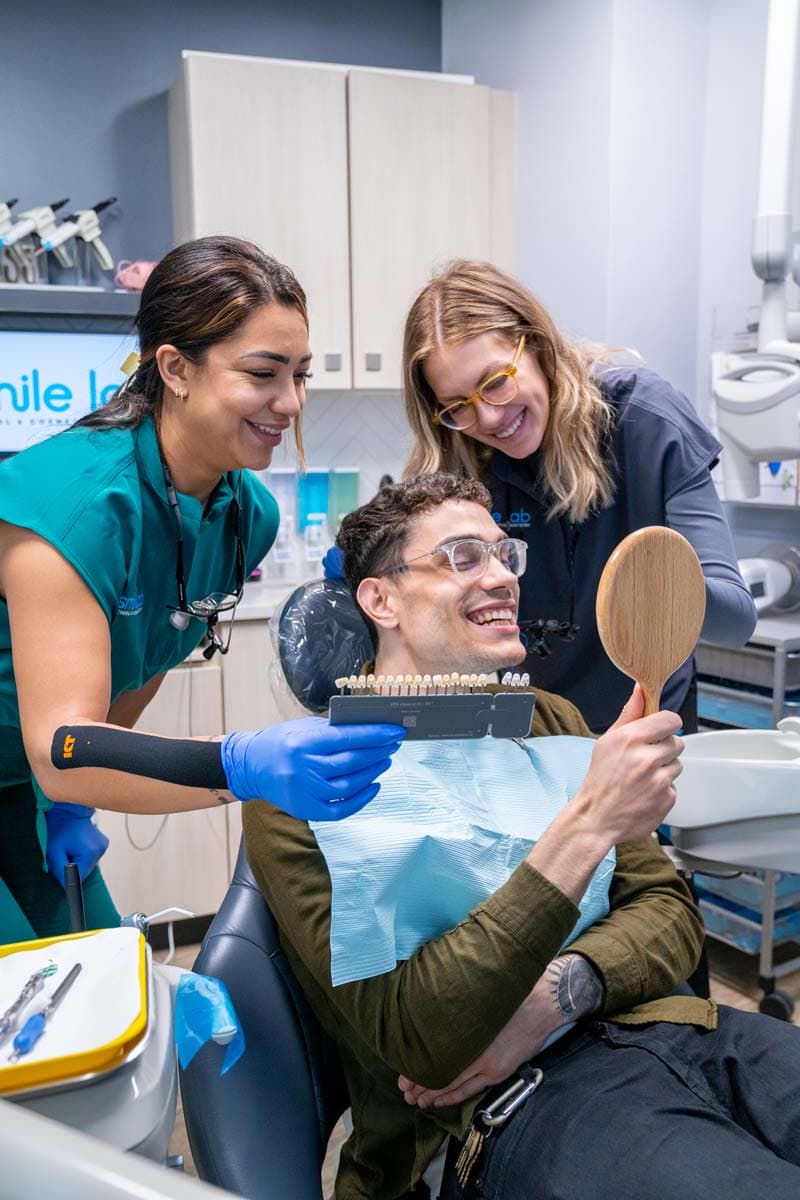
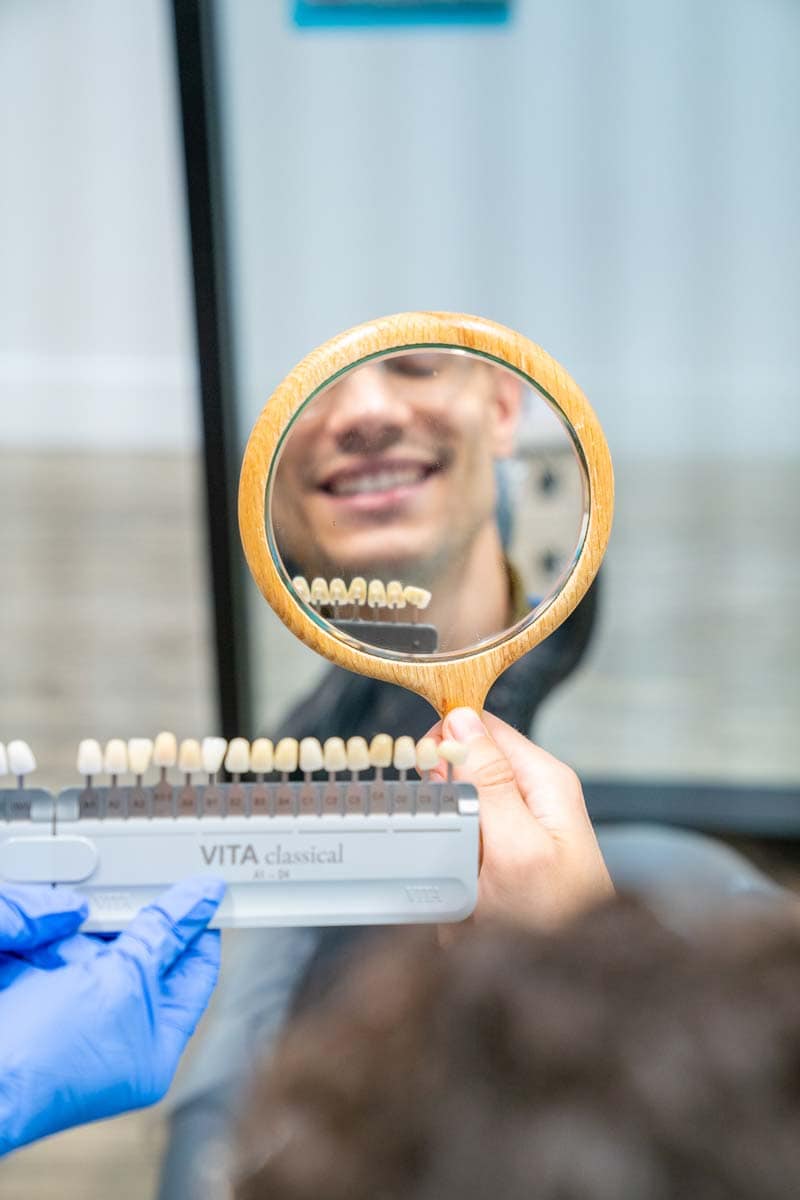
- The color and shape are chosen before anything is bonded, so you approve the outcome first
The comparison people ask about most is how a veneer stacks up against a crown or an implant. They solve different problems, and picking the wrong one costs you healthy tooth structure you cannot get back.
A veneer covers only the front surface, so the tooth stays largely intact. A crown wraps the entire tooth and is the right call when decay, a large filling, or a fracture has already compromised the structure. An implant replaces a tooth that is gone entirely, including the root.
If your natural tooth is healthy and the issue is purely its appearance, a veneer is the conservative choice. If you are not sure which category your tooth falls into, a quick evaluation will tell you whether a veneer is enough or whether a more involved option makes more sense.
| Option | Best for | How much natural structure is altered | Reversible? | Typical lifespan |
|---|---|---|---|---|
| Porcelain veneer | Healthy front teeth with cosmetic flaws: color, chips, small gaps, shape | Thin layer of enamel from the front surface only | No | 10 to 20 years |
| Composite veneer | Minor cosmetic corrections, or a lower-cost trial before committing | Minimal to none in many cases | Often yes | 5 to 7 years |
| Crown | Teeth already weakened by decay, large fillings, or fracture | The full circumference of the tooth is reduced | No | Backed by a 5-year warranty at Smile Lab |
| Implant | A tooth that is missing entirely, root included | Replaces the tooth; requires surgical placement in bone | No | Designed as a lifetime replacement |
Improve your oral health today!
Stop waiting! Call now to schedule your Dental Implant Consultation at Smile Lab
How Long Do Veneers Last?
Porcelain veneers typically last 10 to 20 years with good care, making them a durable long-term option. Composite resin shells wear faster and generally need to be replaced every five to seven years.
Porcelain veneers are the better pick for durability, natural appearance, and stain resistance. They cost more upfront, and the tradeoff is fewer replacements over time rather than a lower total cost.
Four things decide where you land in that range:
- Material. Porcelain consistently outlasts composite in clinical use.
- Home care. Soft-bristle brushing, daily flossing, and non-abrasive toothpaste protect the bonded margins where failures usually start.
- Grinding. Bruxism is the single fastest way to crack a shell. A night guard is not optional if you clench your teeth.
- Placement quality. Margin fit and bonding technique matter more than any other variable under your control.
Habits worth avoiding: chewing ice, biting pens or fingernails, opening packaging with your front teeth, and heavy daily exposure to staining drinks without rinsing.
Monitor the condition of the shells over time. If you notice a chipped edge, a rough margin, or any sense that one has loosened, book a visit promptly rather than waiting for it to fail. Routine teeth-cleaning visits are also the easiest way to catch these problems early, since your hygienist checks the margins at every visit.
Are Veneers Permanent or Removable?
Porcelain veneers are permanent. Once the enamel is reduced and the shells are bonded, the procedure cannot be undone.
The reason has little to do with the shells and everything to do with the preparation. Before a porcelain restoration can be fitted, your dentist removes a thin layer of enamel to make room for it. That enamel does not regenerate, so the front surface will always need a covering to stay protected.
Over time, the bonded shells fuse tightly to the underlying structure, shielding it from damage and keeping it in good condition. If they were simply removed and nothing replaced them, the exposed surface would be vulnerable to sensitivity, wear, and decay.
Are porcelain veneers permanent in every case? Yes, when standard preparation is used. The two exceptions are composite resin, which often requires little or no reduction, and no-prep porcelain, which preserves nearly all of the natural surface. Ask which type you are actually being quoted for, because the answer changes whether the decision can be reversed.
What Happens When a Veneer Needs Replacing?
This is the part most articles skip, and it is the practical version of the permanence question.
When a porcelain shell chips, wears, or debonds, it gets replaced rather than removed. Your dentist removes the old restoration, cleans and evaluates the underlying surface, and bonds a new one. The prepared surface is already the right shape, so replacement is usually simpler and faster than the original placement.
If the underlying structure has developed decay or the margin has receded, a crown may be recommended instead. That is a step up in coverage, not a failure of the original work.
What you cannot do is walk away with your natural teeth bare. Replacement is a maintenance cost you should budget for, not a hypothetical.
What to Expect During the Procedure
Porcelain placement takes two appointments, usually two to three weeks apart.
- At the consultation, your dentist evaluates whether you are a candidate, discusses shade and shape, and takes a digital scan. Some cases include a wax-up, allowing you to preview the result before committing.
- At the preparation visit, a thin layer of enamel is reduced, a final impression is taken, and temporary shells are placed while the lab fabricates the permanent set.
- At the delivery visit, the temporaries come off, the new restorations are checked for fit, color, and bite, then bonded with cement and polished. Chair time is about an hour per tooth.
Composite work is different. In most cases, the material is applied, shaped, and hardened directly in the mouth in a single appointment.
How Much Do Permanent Veneers Cost?
Cost depends almost entirely on the material and the number of teeth you are treating. Porcelain sits at the top of the range because of lab fabrication and longevity; composite resin costs less upfront but resets the clock sooner.
| Option | Cost per tooth | Chair time | Replacement cycle |
|---|---|---|---|
| Porcelain veneer | $2,323 | 1 hour | 10 to 20 years |
| Composite resin veneer | $950 | 1 hour | 5 to 7 years |
| Bonding | $950 | Single visit | Repairable and reversible |
| Zoom whitening | $350 | 1 hour, 2 passes | Top-ups as needed |
| Crown | $1,950 | 1 hour prep, 1 hour delivery 3 weeks later | 5 year warranty |
Make Sure You’re Ready for Veneers Before You Get Them
Should you get veneers? Ask yourself three questions before you say yes.
- Is your natural tooth structure healthy? Veneers correct appearance, not disease. Active decay or gum problems get treated first.
- Is the problem purely cosmetic? If your only complaint is color, professional whitening is far less invasive and considerably cheaper.
- Are you comfortable with a lifelong commitment? If any part of you wants an exit, choose something reversible.
Gentler alternatives depend on what is bothering you. For discoloration or yellowing alone, a whitening procedure addresses it without permanently altering your enamel.
For misshapen, crooked, or gapped front teeth, teeth bonding is worth considering. It uses a tooth-colored resin applied directly to close gaps and reshape edges, and it can usually be removed or redone later.
For alignment issues across the whole arch, clear aligners address the actual position of the teeth rather than covering the problem.
Frequently Asked Questions
- Can you go back to your natural teeth after veneers? No, not after porcelain placement. The enamel removed during preparation does not grow back, so those front teeth will always need a restoration of some kind, whether that is a replacement veneer or a crown.
- Do teeth rot underneath veneers? They can if home care slips. The shell covers only the front surface, so the back and the gumline margins are still exposed to plaque. Brushing, flossing, and regular checkups prevent it. A well-placed restoration on a healthy tooth does not cause decay on its own.
- What do veneers look like after 10 years? Well-maintained porcelain typically still looks natural at the ten-year mark, though it may need attention sooner depending on wear. Composite typically shows discoloration and surface dulling much sooner.
- Can permanent veneers be removed? They can be removed, but the exposed surface beneath cannot be left bare. Removal is part of a replacement, not a route back to your original appearance.
- Are veneers worth it if only one tooth is affected? Often, yes, though matching the shade of a single restoration against the surrounding natural enamel is technically harder than treating several at once. Many patients choose to treat several front teeth together for a more consistent shade match.
Fully Restore Your Smile with Veneers from Smile Lab NY Today
For most cosmetic complaints, veneers are the option dentists reach for first. The procedure itself is conservative compared with a crown, and a single visit can address chips, fractures, gaps, crookedness, and discoloration.
Minimally invasive does not mean risk-free, though. Sensitivity, margin issues, and debonding can happen, and handling them well depends on the clinician placing the work.
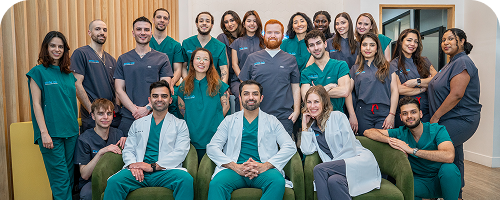
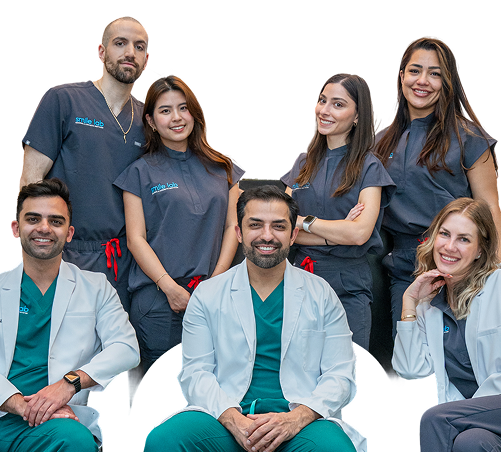
Smile Lab’s cosmetic team in Manhattan handles veneer placement in-house, with digital scanning and shade approval before anything is bonded permanently. Every case starts with an evaluation of whether veneers are genuinely the right answer for you.
Call now to Schedule Your Appointment
At Smile Lab, you will receive experienced & professional dental implant services in a supportive
and high-tech environment, ensuring you get the best care possible.