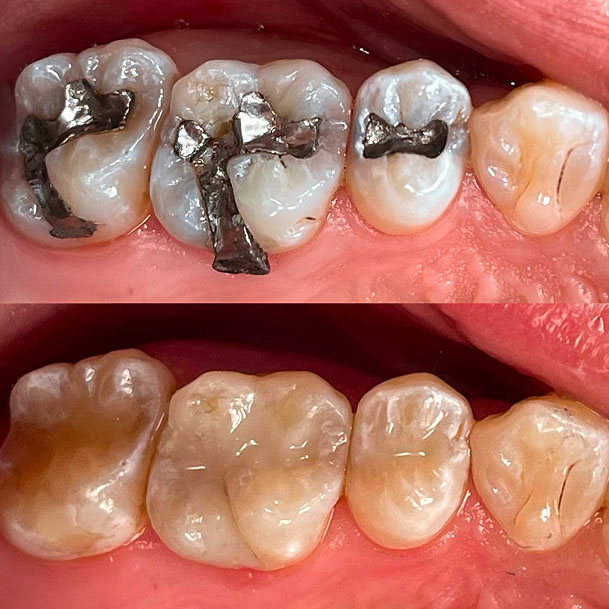


Plaque and tartar removal can temporarily expose sensitive areas or irritate inflamed gum tissue. Recovery also depends on whether you received routine preventive care or scaling and root planing. At Smile Lab, patients receive clear guidance about expected symptoms and signs that require closer attention.
Key Takeaways
- Mild soreness and sensitivity often improve within one or two days.
- Warm salt water, sensitive toothpaste, soft foods, and careful brushing can reduce discomfort.
- Deep cleaning may cause longer tenderness because treatment reaches beneath the gumline.
- Severe, worsening, or localized pain may signal decay, infection, a crack, or another dental issue.
- Contact a dentist if symptoms last for weeks or are accompanied by swelling, fever, pus, or bite pain.
How to Stop Pain After Teeth Cleaning
Simple home care can calm irritation while the gums heal. Avoid common triggers and give the treated area time to recover.
Rinse with Warm Salt Water
Mix half a teaspoon of salt into one cup of warm water. Swish gently for 30 seconds, then spit it out. This may soothe tender tissue without interfering with healing.
Use Toothpaste for Sensitive Teeth
Desensitizing toothpaste can reduce discomfort caused by exposed dentin. Use it consistently because the effect may build over several days. A dental cleaning for sensitive teeth may also include adjustments such as lighter pressure, short breaks, or desensitizing products.
Choose Soft Food and Drink
Eat soft, mild meals if chewing feels uncomfortable. Avoid very hot, very cold, sugary, or acidic foods because they may expose tooth surfaces.
Brush and Floss Gently
Continue cleaning your teeth, but use light pressure near tender areas. A soft-bristled toothbrush supports oral hygiene without adding unnecessary friction along the gumline.
Use Pain Relievers Safely
An over-the-counter pain reliever may help with short-term soreness. Follow the product label and ask a healthcare professional before use if you have medical conditions, take other medicines, or are uncertain about safety.
Why Do My Teeth Hurt After the Dentist?
The cleaning process removes plaque and hardened deposits that brushing cannot reach. This may uncover irritated gums, dentin, or root surfaces that were previously covered by buildup.
Plaque and Tartar Removal
Professional cleanings may leave the gumline tender when substantial tartar has accumulated. The sensation should gradually fade rather than become stronger.
Gum Pain After Dental Cleaning
Inflamed gums may bleed or feel sore once plaque is removed. Continue gentle dental care because consistent plaque control supports healthier tissue and better oral health.
Exposed Dentin and Tooth Roots
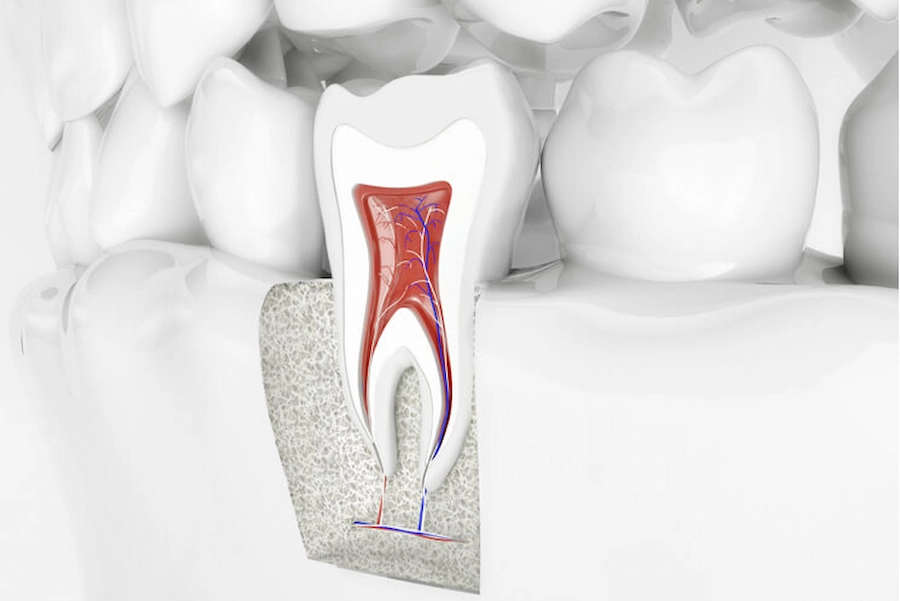
Gum recession or tartar removal may uncover dentin and root surfaces. These sensitive areas react more strongly to cold air, sweets, touch, and temperature changes.
Localized or Nerve-Like Pain
Discomfort in one tooth may result from decay, a crack, an exposed root, or another condition unrelated to the appointment. Throbbing, electric, or spontaneous sensations require more attention than brief sensitivity to cold.
Is Pain After Teeth Cleaning Normal?
Mild tenderness, gum soreness, and temporary temperature sensitivity are common following treatment. These symptoms should become less noticeable each day and should not interfere with sleep or normal eating.
A routine visit usually causes little lasting discomfort. Scaling and root planing reaches below the gumline, so soreness may continue for one or two days, while tooth sensitivity may remain for up to a week. Some patients also notice more visible gaps between teeth after deep cleaning because removing tartar and reducing gum inflammation can reveal spaces that were previously less noticeable.
Learning whether a deep teeth cleaning hurts can help you understand what to expect during treatment and recovery.
When Pain May Signal a Problem
Symptoms that grow stronger rather than fade are not part of a typical recovery. Contact a dentist if discomfort persists for several weeks, affects a single tooth, disrupts sleep, or makes biting difficult.
Seek prompt dental care for facial swelling, fever, pus, a bad taste, or worsening pain. These signs may occur with infection, advanced inflammation, decay, or structural damage.
At Smile Lab in Union Square, Dr. Waise Ebrahimi uses a preventive and conservative approach to identify the cause and preserve healthy tooth structure whenever possible.
What Is the 3-3-3 Rule?
The 3-3-3 rule is an informal term sometimes used online to refer to an ibuprofen dosing schedule. It is not appropriate for everyone because safe use depends on tablet strength, medical history, and other medications. Follow the package directions or ask your dentist or physician what is safe for you.
How to Prevent Future Pain
Keep regular appointments so less tartar builds up between visits. Tell your hygienist about any previous sensitivity, gum soreness, or dental anxiety so the approach can be adjusted accordingly.
For persistent discomfort or questions about your next visit, schedule a Consultation to receive advice based on your specific needs.