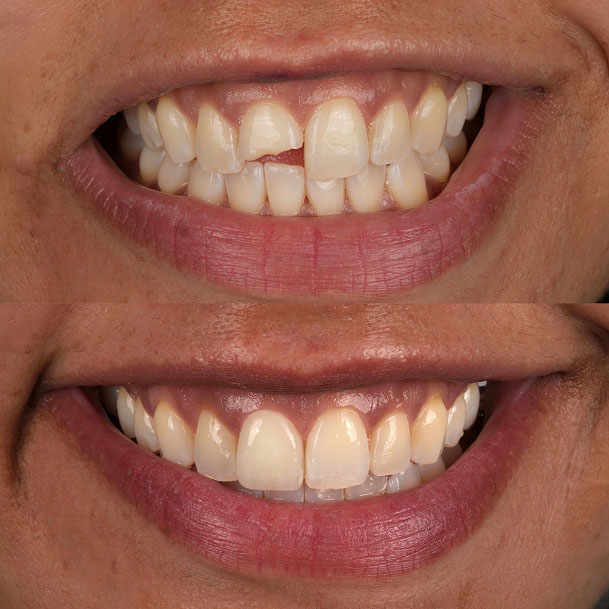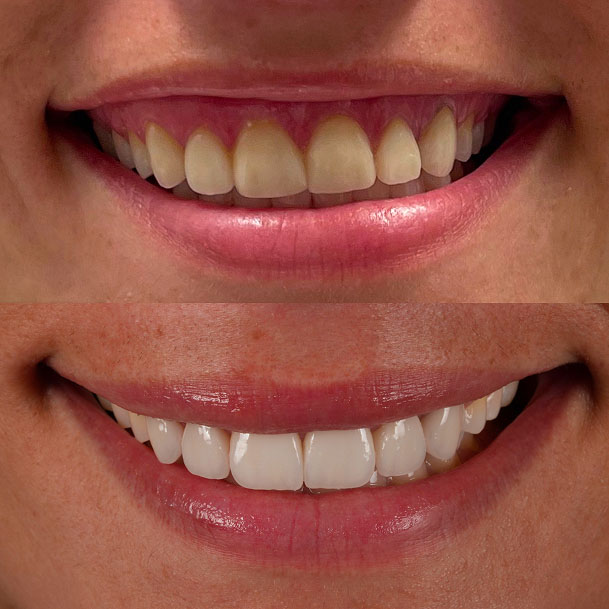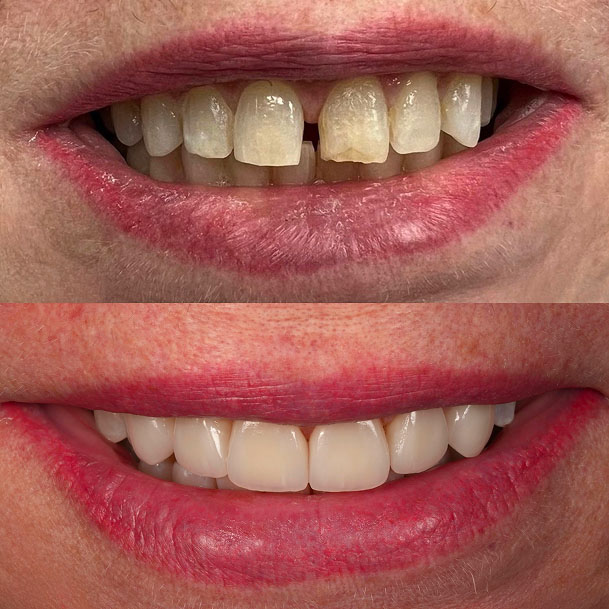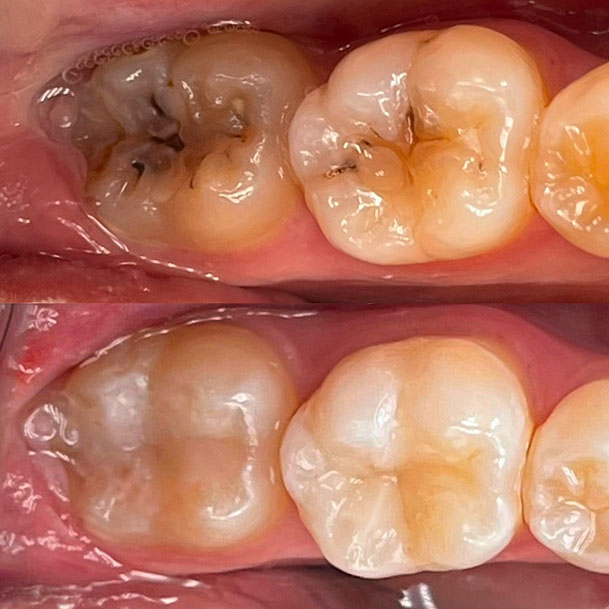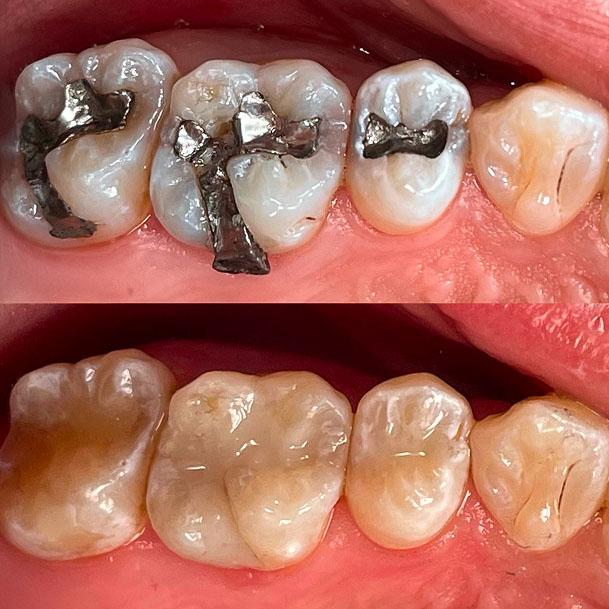
Treatment usually begins with deep cleaning, scaling and root planing, or other periodontal therapy to control the infection. Severely damaged teeth may need extraction, while patients with significant bone loss may require bone grafting or tissue treatment before surgery. At Smile Lab, we assess your periodontal health, bone support, and healing needs to determine whether implant placement is safe and when treatment can begin.
Key Takeaways
- Tooth replacement is possible after periodontal treatment. Control active infection before surgery to reduce risks and support healing.
- Periodontal problems can affect implant stability. Bone loss and inflammation may interfere with healing and increase the risk of peri-implantitis.
- Treatment depends on the extent of the damage. Deep cleaning, periodontal therapy, tooth extraction, or bone grafting may be needed before surgery.
- Receding gums and bone loss do not always disqualify you. Your dentist will assess your jawbone, surrounding tissues, and overall health.
- Daily care helps protect your replacement teeth. Brushing, flossing, and regular checkups can lower the risk of inflammation and other complications.
Can You Get Dental Implants With Gum Disease?
Yes, you can get dental implants if you have a history of gum disease, but active periodontitis must be treated and controlled before surgery. Your dentist will check your gums, jawbone, and overall oral health to determine whether you qualify.
Dental implants for periodontal disease can replace missing teeth once the infection is stable and the surrounding tissues are healthy enough to support treatment. Even with bone loss or receding gums, you may still qualify after additional care, such as bone grafting.
What Disqualifies You From Dental Implants?
Active periodontitis may delay implant placement until the infection is under control. Other concerns include severe bone loss, uncontrolled diabetes, heavy smoking, and health conditions that affect healing.
These factors do not always mean permanent disqualification. Your dentist will review your medical history, medications, and bone structure to see whether treatment can improve your chances.
Can You Get Implants With Receding Gums?
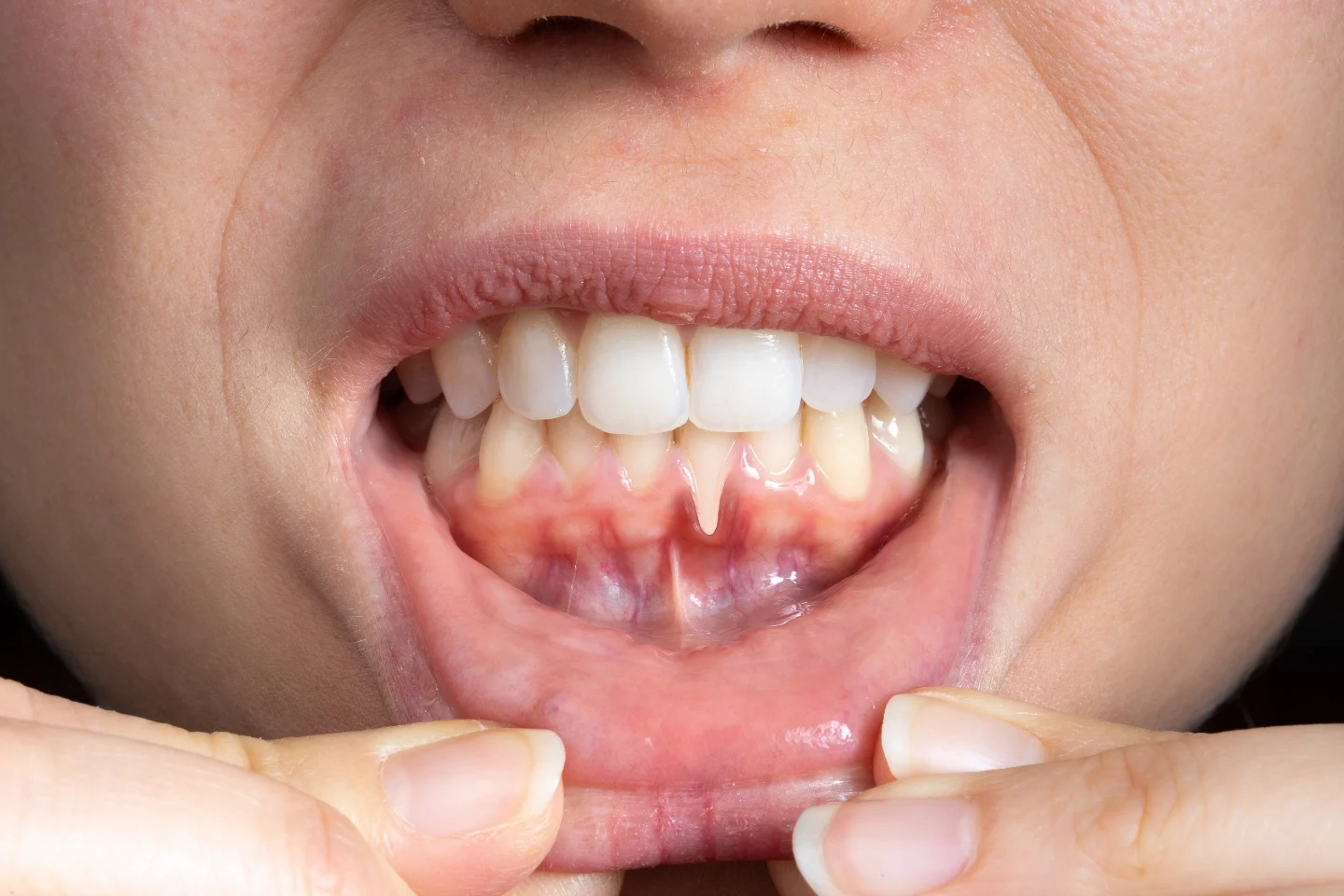
Yes, recession does not always prevent you from becoming a candidate for dental implants. Your dentist will assess how much healthy gum tissue and bone remain and whether the recession is worsening.
Some patients need a soft tissue graft to improve coverage or tissue thickness around the planned restoration. Your dentist will decide whether this step is necessary before surgery.
Can You Get Implants With Bone Loss?
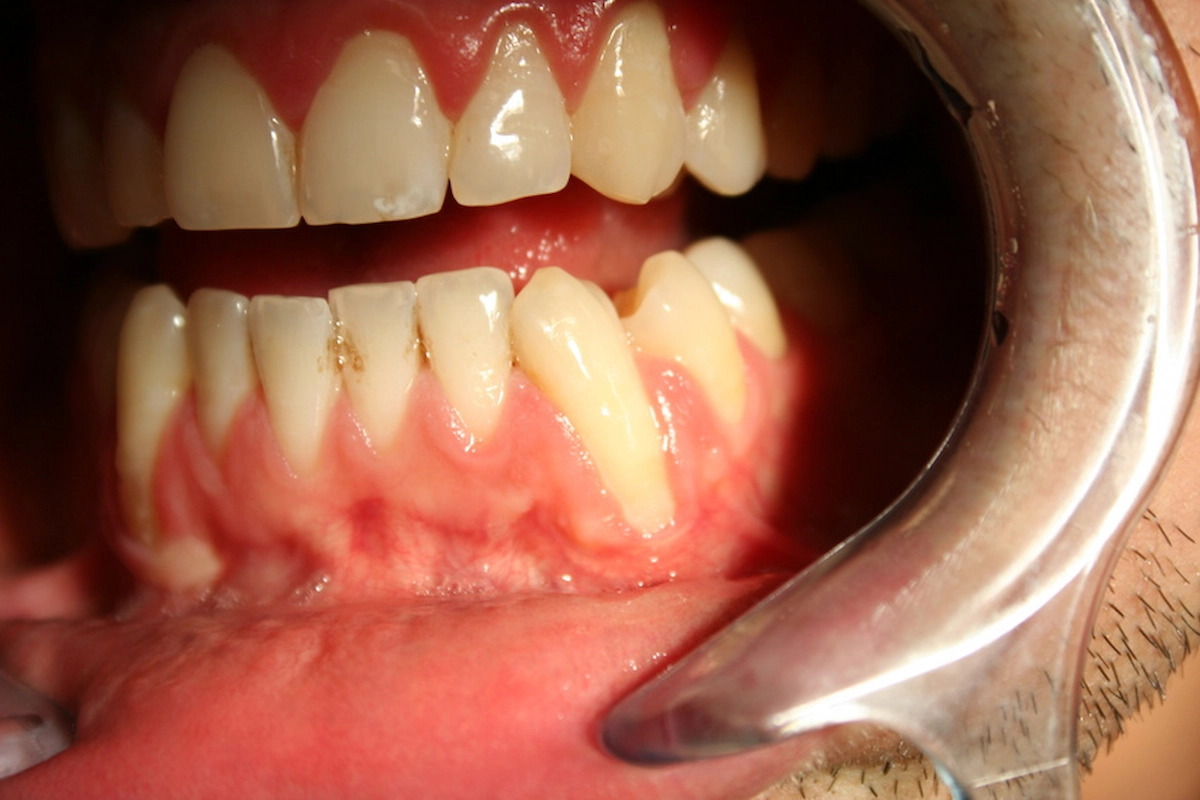
Yes, you may still qualify even if you have lost some jawbone. The amount and location of the remaining bone help determine whether it can support the implant.
If there is not enough bone, grafting or other placement methods may help. Digital imaging lets your dentist assess the jaw and plan treatment before surgery.
How Gum Disease Affects Dental Implants
Periodontitis damages the structures that support natural teeth. It can cause swollen or bleeding gums and progress to bone loss if left untreated.
As bone support weakens, teeth may loosen or fall out. A history of gum disease also increases the risk of inflammation around artificial tooth roots, making proper treatment and follow-up care essential.
Periodontal Disease and Implant Failure
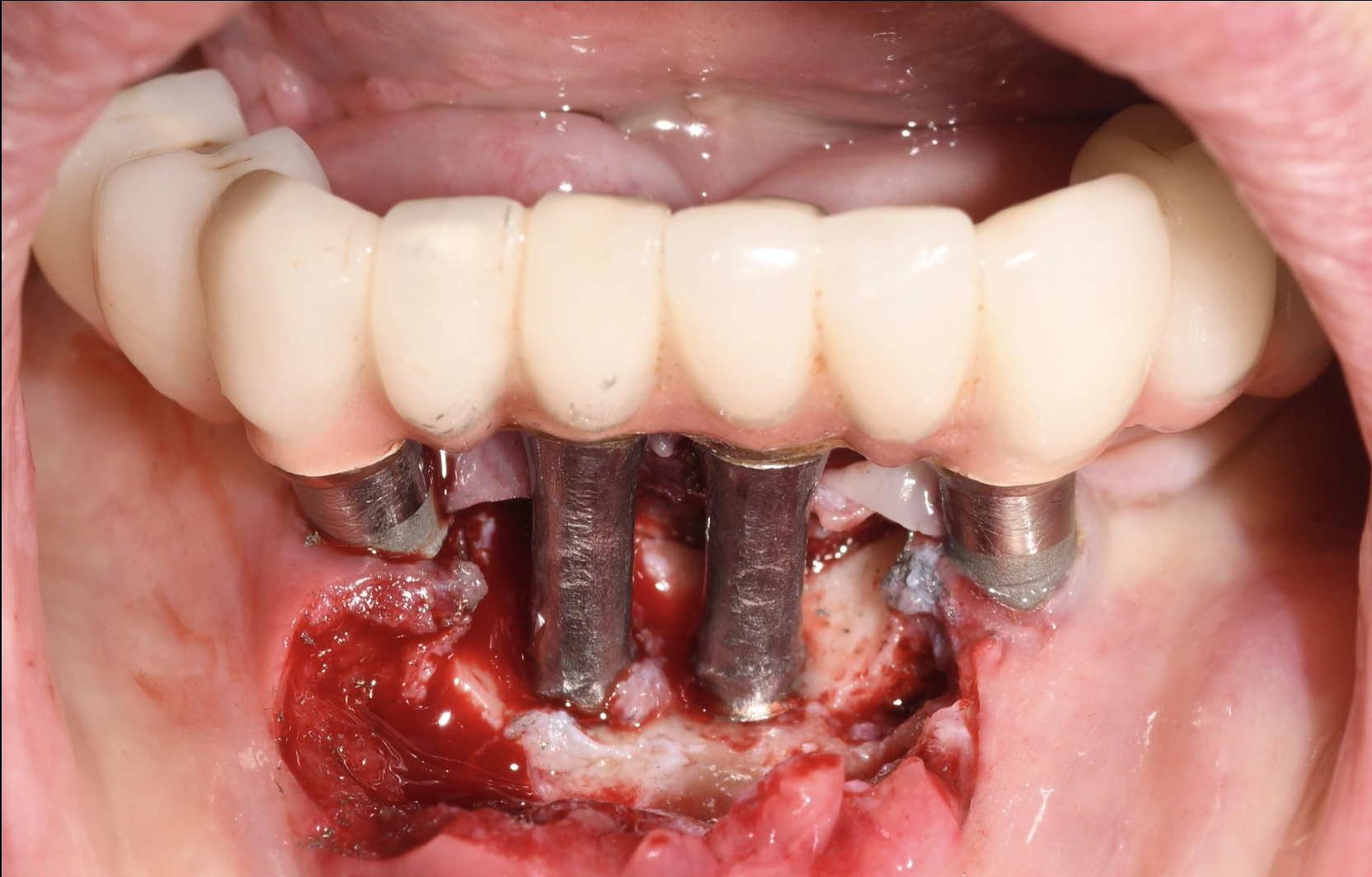
Patients with previous periodontal infections face a higher risk of peri-implantitis. This condition causes inflammation around an implant and can damage the bone that holds it in place.
Poor oral hygiene, smoking, and ongoing infection can increase this risk. Warning signs include bleeding, swelling, and bone loss. Without treatment, the replacement may eventually become loose or fail.
Research published in the Journal of Advanced Periodontology & Implant Dentistry followed two patients with chronic periodontitis for about ten years. Both had successful treatment with ongoing care, although the small study cannot predict results for every patient.
Does Gum Disease Go Away With Implants?
No, replacing damaged or missing teeth does not cure periodontal disease. An artificial tooth cannot develop cavities, but bacteria can still cause inflammation in the surrounding tissues.
Gingivitis, an early form of gum disease, can often be reversed with proper care. Advanced periodontitis requires professional treatment and regular follow-up because lost bone and tissue do not always grow back.
How to Treat Periodontal Disease Before Implants
Treatment starts by controlling infection and helping the affected tissues heal. Your dentist will check for deep pockets around the teeth, bleeding, plaque buildup, and bone loss before choosing the right approach.
Depending on your condition, treatment may include:
- Scaling and root planing: A deep cleaning that removes plaque and tartar beneath the gums and smooths the tooth roots.
- Periodontal therapy: Further care helps control inflammation in deeper pockets.
- Surgical treatment: Some patients need surgery to clean hard-to-reach areas or repair damaged tissues.
- Reevaluation: Your dentist checks that the infection is under control before planning tooth replacement.
Dr. Waise Ebrahimi, who is certified in dental implant placement, checks tissue health and bone support before recommending treatment. His approach focuses on saving healthy tooth structure when possible and preparing the mouth for a stable restoration.
Bone Grafting for Severe Gum Disease
Advanced periodontitis can destroy the jawbone that holds teeth in place. When too much bone is lost, there may not be enough support for a replacement.
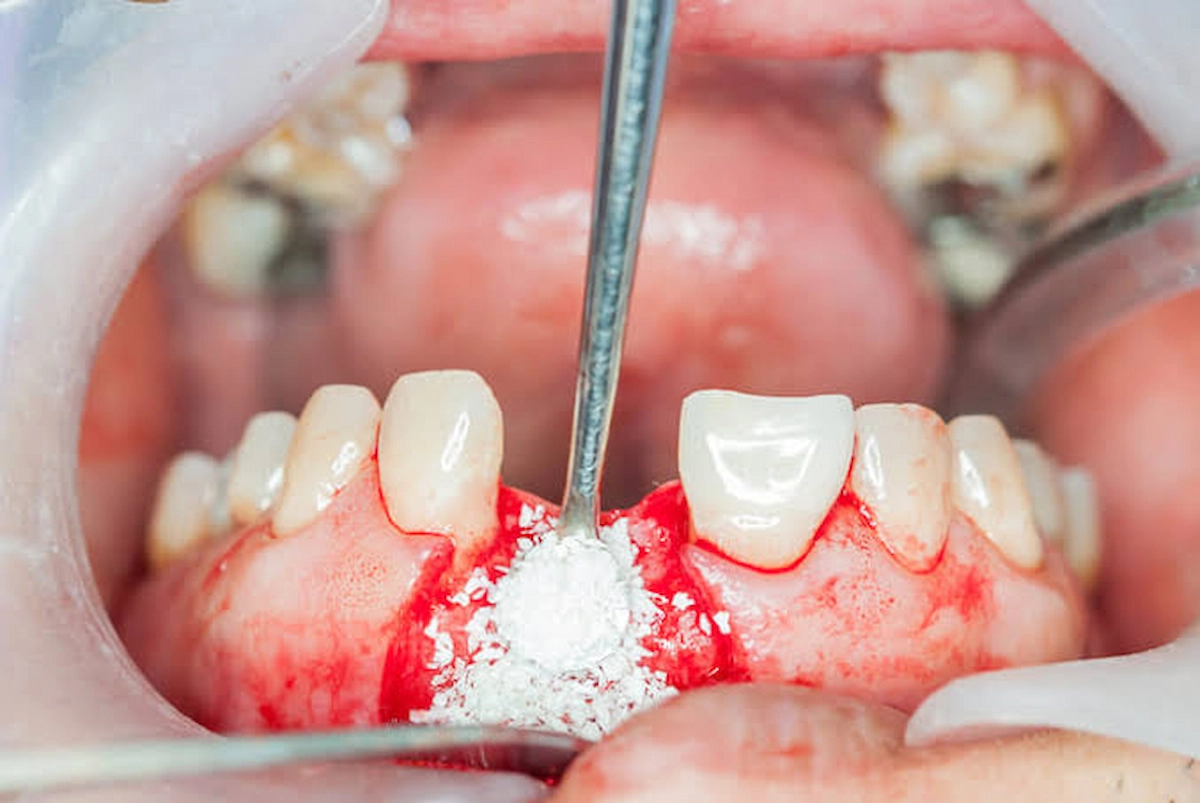
Bone grafting adds material to areas where bone is missing. Over time, the graft can help create a stronger foundation for an artificial tooth.
Not everyone needs this procedure. Your dentist will measure your bone levels and decide whether you need grafting.
Getting Dental Implants After Gum Disease
Once the infection is under control, your dentist can check whether you are ready for surgery. The process usually includes imaging, treatment planning, dental implant surgery, and healing.
During surgery, a titanium post is placed into the jawbone. Over the next few months, the bone gradually bonds with the post, helping keep it stable.
Once healing is complete, your dentist attaches the final crown, bridge, or denture. The exact steps depend on your treatment plan. Knowing how to relieve pain from a dental implant can also help you manage normal recovery discomfort.
How Long Should You Wait After Treatment?
You may need to wait 4–8 weeks after periodontal treatment before getting dental implants, depending on how well your gums heal and whether the infection is controlled. There is no fixed timeline, and some patients may be ready sooner or need more time.
If you require bone grafting, healing may take 3–6 months before implant placement. Your dentist will check your gum health, bone support, and healing progress to determine when surgery is safe.
All-on-4 Implants With Severe Gum Disease
All-on-4 dental implants use four strategically placed posts to hold a full set of replacement teeth in the upper or lower jaw. It may be an option for patients who have lost most or all of their teeth.
This method can sometimes reduce the need for bone grafting. Still, you need enough healthy bone and controlled inflammation to support the restoration.
Severe periodontal damage does not automatically make you eligible for All-on-4.
Dental Implant Alternatives for Gum Disease
Not everyone needs or qualifies for implant treatment. Other options can replace missing teeth and help restore chewing once periodontal problems are under control.
| Treatment | When It May Help |
|---|---|
| Removable Partial Dentures | Replace several missing teeth while using the remaining teeth for support. |
| Complete Dentures | Replace all teeth in the upper or lower jaw without implant surgery. |
| Dental Bridges | Replace missing teeth when nearby teeth can provide enough support. |
| Implant-Supported Dentures | Offer better denture stability when enough healthy bone and tissue remain. |
You can get dentures with periodontal disease, but you should treat any active infection first. Your dentist may also recommend keeping healthy remaining teeth instead of removing them. When a damaged tooth can still be saved, understanding the differences between a dental implant vs. a crown can help you explore your options.
The right option depends on your oral health, comfort, treatment goals, and budget.
How to Protect Dental Implants Long-Term
Long-term success depends on controlling bacteria and maintaining healthy surrounding tissues. Even after the replacement has healed, daily care is essential.
To protect your gum health and restoration:
- Brush twice daily with a soft-bristled toothbrush, and choose a dental implant toothpaste that cleans gently without damaging the restoration.
- Clean around the replacement teeth with floss or interdental brushes your dentist recommends.
- Visit your dentist for regular cleanings and periodontal checks.
- Avoid smoking and manage health conditions that may affect healing.
- Contact your dentist if you notice bleeding, swelling, pain, or changes around the treated area.
Peri-implant mucositis causes inflammation around an implant without progressive bone loss. Early treatment can often improve it. Peri-implantitis is more serious because it damages the surrounding bone and may require further care.
Regular checkups help your dentist catch these problems early.
Are Dental Implants Right for You?
Past periodontal problems don’t mean you have lost the chance to replace missing teeth. The main factors are whether the infection is under control, whether your jawbone offers enough support, and whether the surrounding tissues can heal properly.
If you have delayed treatment because of past experiences, costs, or concerns about surgery, an evaluation can help you understand your choices. You can learn what your mouth needs before deciding on a procedure.
At Smile Lab in Union Square, Manhattan, we start treatment planning by reviewing your dental history, current condition, and personal goals. A consultation can help you decide whether implants, periodontal care, or another tooth replacement option is the best fit.