The right approach to teeth cleaning at home starts with a soft-bristled toothbrush and fluoride toothpaste, cleaning between each tooth, and adding mouthwash when appropriate. These habits form the foundation of safe at-home deep cleaning, though they cannot replace professional care once tartar forms. At Smile Lab in Union Square, we help patients understand when daily care is enough and when treatment is the safer next step.
Key Takeaways
- At-home care can remove soft plaque and food debris, but it cannot remove hardened tartar below the gumline.
- Brush twice daily with a soft-bristled toothbrush and fluoride toothpaste, then clean between each tooth with floss, interdental brushes, or a water flosser.
- Avoid metal scraping tools, acidic remedies, charcoal powders, and homemade toothpaste mixtures that may damage enamel or irritate the gums.
- Bleeding gums, persistent bad breath, visible tartar, gum recession, or loose teeth may signal the need for professional care.
- Professional deep cleaning, also called scaling and root planing, removes deposits below the gumline and may be recommended when gum disease is present.
Can You Deep Clean Your Teeth Yourself?
You can improve your oral hygiene and remove plaque by brushing and flossing properly. You cannot safely remove tartar beneath the gums or perform periodontal treatment without a dentist or hygienist.
Daily care removes food particles, surface stains, and soft bacterial film. Brushing your teeth twice a day and flossing your teeth once a day can help prevent cavities, control bad breath, and reduce gum inflammation.
Plaque Versus Tartar
Plaque is a soft bacterial film that forms when bacteria mix with saliva and food particles. If it remains on the enamel, it can harden into tartar and contribute to tooth decay or gum disease.
A toothbrush and floss cannot remove hardened deposits. Trying to scrape them away may cut the gums, scratch enamel, or push bacteria farther below the gumline.
Deep Clean Gums at Home: What Safe Care Looks Like
Gum tissue can’t be treated the way a hygienist treats it, but you can keep it healthy with gentle, consistent care. Healthy gums fit tightly around each tooth, look pink rather than red, and do not bleed with routine brushing or flossing.
Focus on the margin where the tooth meets the gum. Angle the toothbrush toward that margin, curve the floss around each tooth, and use a water flosser on a low setting if your gums are sensitive. These steps disrupt the bacterial film before it can inflame gum tissue.
If your gums bleed for more than a few days, feel tender, or pull away from a tooth, the problem has moved below what home care can reach. That is when a professional evaluation is safer than continuing on your own.
How to Clean Teeth at Home Safely
Use a consistent routine and light pressure. Good technique matters more than harsh products.
Brush Along the Gumline
Use a soft-bristled toothbrush and fluoride toothpaste for two minutes. Angle the bristles toward the gumline and use small circular motions instead of aggressive scrubbing.
To reach just under the visible gum margin, tilt the bristles at about 45 degrees so they sweep gently under the edge. Learning how to clean below the gum line at home this way removes plaque before it can harden into tartar.
Clean Between Each Tooth
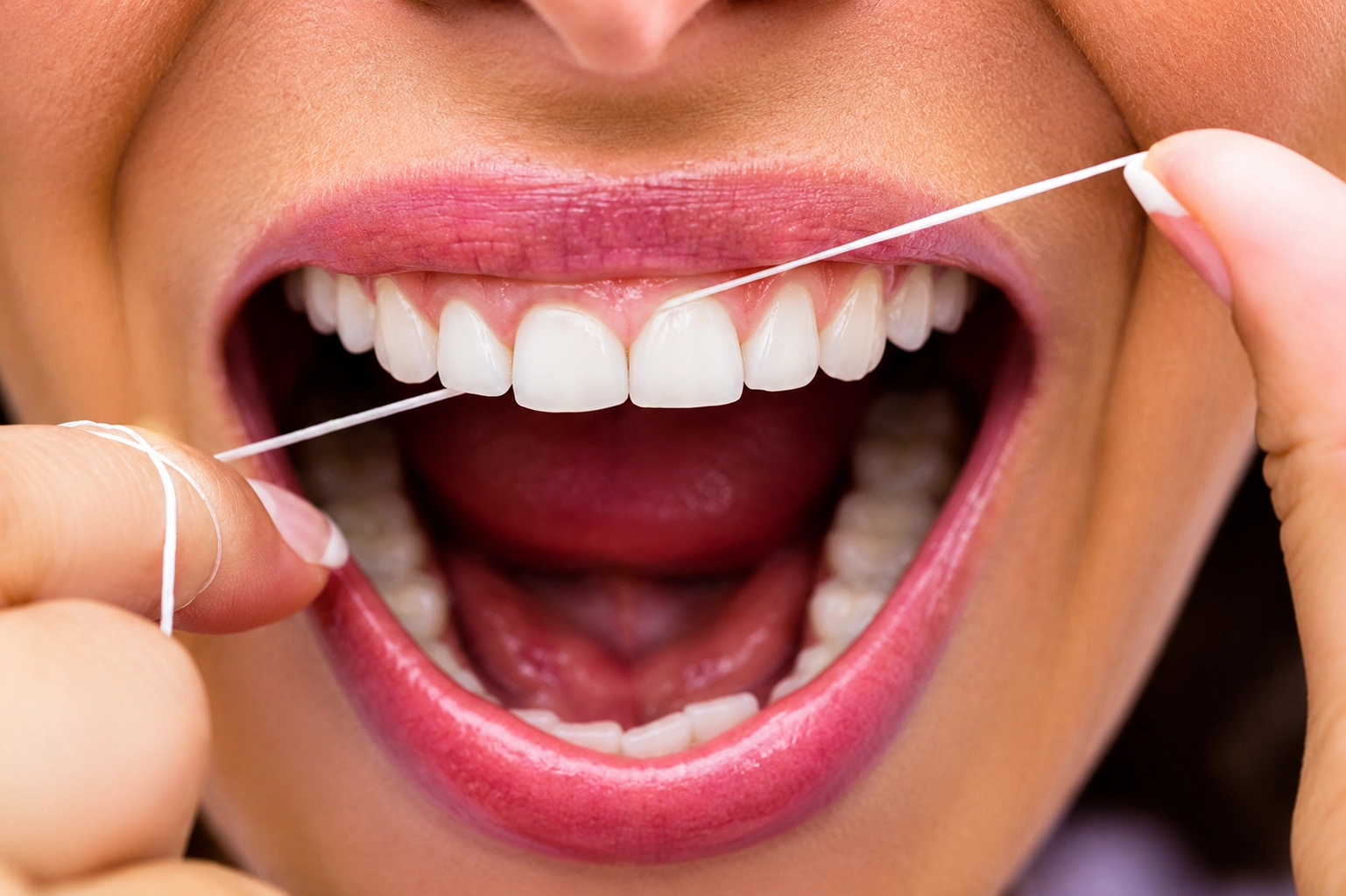
Floss daily to reach areas a toothbrush cannot access. Slide the floss gently around each side rather than snapping it into the gums.
A common question is whether you should floss before or after brushing. Both orders work, but flossing first loosens debris so brushing can sweep it away, and many hygienists prefer that sequence.
Interdental brushes help in wider spaces, around bridges, or with braces. A water flosser supports gumline care, though standard floss usually works better between tight contacts.
Complete Your Routine
Clean your tongue to reduce odor-causing bacteria. An antimicrobial mouthwash may support your routine, but it should never replace brushing and flossing.
Comparison of At-Home Dental Cleaning Methods
The table below shows what dental deep cleaning at-home methods can and cannot do. None remove tartar, but several help control the plaque that eventually turns into it.
| Method | Reduces Plaque | Removes Tartar | Safe for Daily Use |
|---|---|---|---|
| Brushing with fluoride toothpaste | Yes | No | Yes |
| Flossing | Yes | No | Yes |
| Interdental brushes | Yes | No | Yes |
| Water flosser | Yes | No | Yes |
| Antimicrobial mouthwash | Yes | No | Yes |
| Tongue cleaning | Yes | No | Yes |
| Oil pulling with coconut oil | May help | No | Yes |
| Baking soda in commercial toothpaste | Yes | No | Yes |
| Baking soda paste (DIY) | Yes | No | Occasional only |
| Hydrogen peroxide rinse (diluted) | May help | No | Occasional only |
| Activated charcoal | Limited evidence | No | Not recommended |
Anything not listed here, including metal scrapers and acidic home mixes, belongs in the next section.
Methods to Avoid
Not every popular remedy is safe. Some cause the exact damage they claim to prevent, so they are best avoided.
- Metal scrapers and DIY scaling tools. Untrained scraping can cut the gums, scratch enamel, or push bacteria deeper. Handheld and ultrasonic scalers sold online are not a shortcut around professional care.
- Lemon juice and apple cider vinegar. Acidic rinses soften enamel and increase sensitivity over time.
- Charcoal powders. Coarse charcoal is abrasive and can wear enamel down with repeated use.
- Strong hydrogen peroxide mixes. Undiluted or frequent use can burn oral tissue and irritate the gums.
- Homemade toothpaste with harsh abrasives. DIY blends with salt, wood ash, or hard powders often lack fluoride and can scratch enamel. Commercial fluoride toothpaste remains the most protective daily choice.
Are At-Home Dental Cleaning Kits Safe?
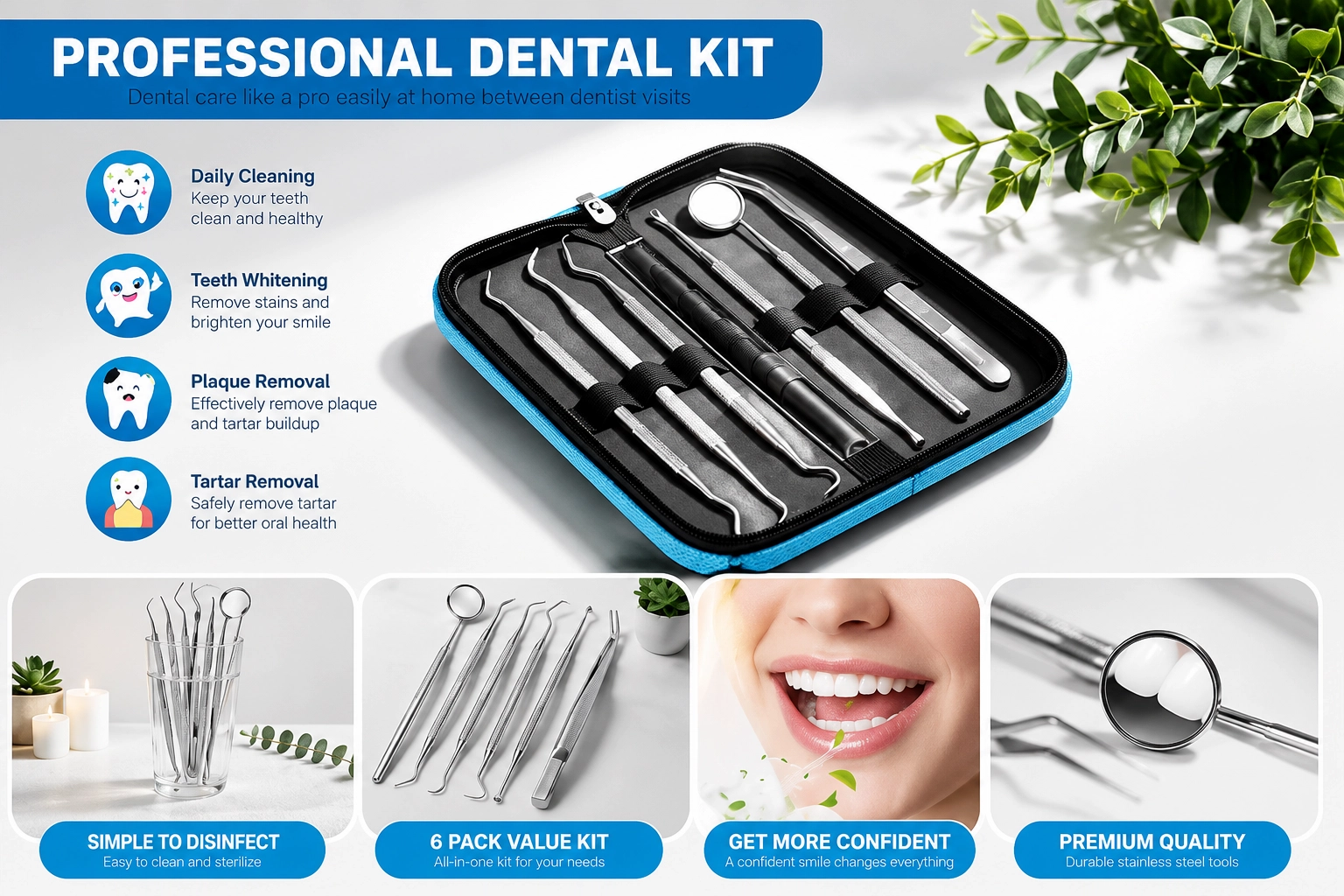
An at-home teeth-deep-cleaning kit may include mirrors, polishing tools, or metal scrapers. These carry the same scraping risks covered above, and no kit replicates the training or precision of a hygienist.
True dental deep cleaning at home is not possible in the clinical sense. Hygienists use proper lighting, clinical training, and specialized instruments to identify gum pockets, bone loss, and deposits beneath the gums.
Can Home Remedies Replace Treatment?
No home remedy can replace periodontal care or professional cleanings. Baking soda appears in some approved toothpastes and helps neutralize acid, but direct daily application can feel abrasive, and incorrectly mixed hydrogen peroxide can irritate oral tissues.
Oil pulling, typically with coconut oil, may temporarily freshen the mouth and reduce some surface bacteria, though it does not replace floss, fluoride toothpaste, or a dental evaluation. Lemon juice, vinegar, and charcoal carry the same enamel risks covered above, so treat them as occasional habits to avoid rather than routine additions.
When You Need Professional Care
Schedule an examination if your gums bleed often, remain swollen, recede, or feel tender. Persistent bad breath, visible tartar, loose teeth, or pain when chewing also warrant attention.
Scaling and root planing remove tartar and bacteria below the gumline and smooth the root surfaces so the gums can heal. The dentist can numb the treatment area, so the procedure should not feel sharply painful, though mild sensitivity may follow.
At Smile Lab, Dr. Waise Ebrahimi follows a preventive and conservative approach focused on preserving natural tooth structure. As a member of the American Dental Association, he applies accepted standards for evaluating gum health and recommends treatment only when needed.
Alternatives to Deep Cleaning Teeth
For patients with gum disease, alternatives to deep cleaning teeth focus on less invasive ways to reach the same goal: removing bacteria below the gumline so tissue can heal.
Laser-based therapy is the most common alternative. Instead of manual scaling, a targeted dental laser removes diseased tissue and bacteria in gum pockets while leaving healthy tissue intact. Recovery is usually shorter, and bleeding is minimal, based on comparative clinical studies of the procedure. Smile Lab offers LANAP laser gum treatment as one option for qualifying patients.
Other supportive options include locally delivered antibiotics placed inside gum pockets after cleaning, and structured maintenance visits every three to four months instead of six. None of these replace an initial evaluation, since the right choice depends on how deep the pockets are and how much bone support remains.
Frequently Asked Questions
Can you brush your teeth with coconut oil?
Coconut oil is used for oil pulling, where you swish a spoonful in your mouth for several minutes and spit it out. It should not replace fluoride toothpaste, since it lacks the fluoride and mild abrasives that actually remove plaque and protect enamel.
Is homemade toothpaste as effective as commercial toothpaste?
Most homemade toothpaste recipes lack fluoride, which is the ingredient with the strongest evidence for preventing decay. Some also include ingredients abrasive enough to wear enamel down over time. Commercial fluoride toothpaste is the safer daily choice.
Do you floss before or after you brush your teeth?
Either order supports good hygiene, but flossing before brushing tends to work better. Loosening debris first lets the toothbrush sweep it away and helps fluoride reach between the teeth.
How often should I get a professional cleaning?
Most adults benefit from a cleaning every six months. Patients with a history of gum disease or heavy tartar buildup may need visits every three to four months.
Are alternatives to deep cleaning teeth an option for everyone?
Not always. The right option depends on how far the gum disease has progressed, how deep the pockets are, and how much bone support remains, which is why a dental evaluation comes before any treatment decision. Cases with more advanced bone loss may still need traditional scaling and root planing, sometimes combined with surgical care.
Why do my teeth still feel rough after brushing?
A rough feeling usually points to tartar buildup, dry mouth, or gum inflammation. If it does not improve within a week of careful brushing and flossing, a professional cleaning is the next step.
Can deep cleaning at home reverse gum disease?
Early gum inflammation, called gingivitis, can often be reversed with consistent home care. Once gum disease advances to periodontitis, only professional treatment can stop it from progressing.