How Each Procedure Works
What Happens During a Routine Visit?
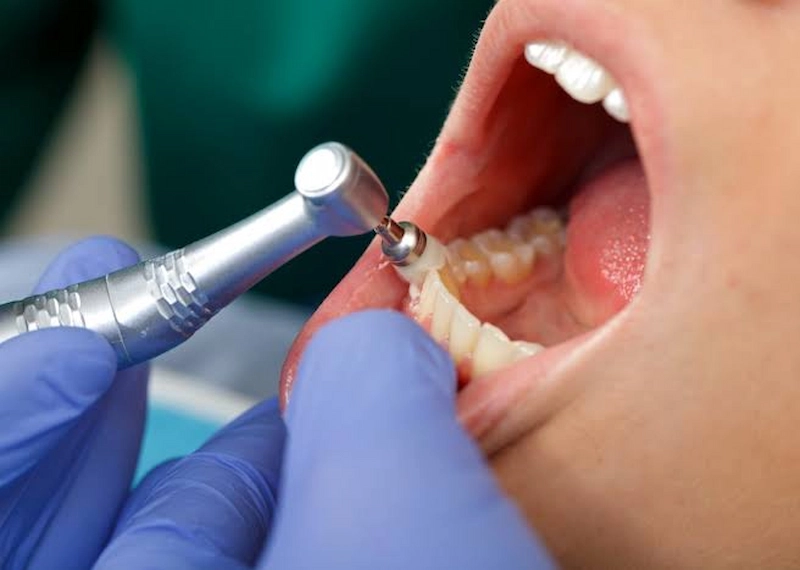
During a regular dental visit, a hygienist removes deposits that regular brushing and flossing cannot reach. The total time can vary, so learning how long a teeth cleaning takes can help you plan the visit around your schedule.
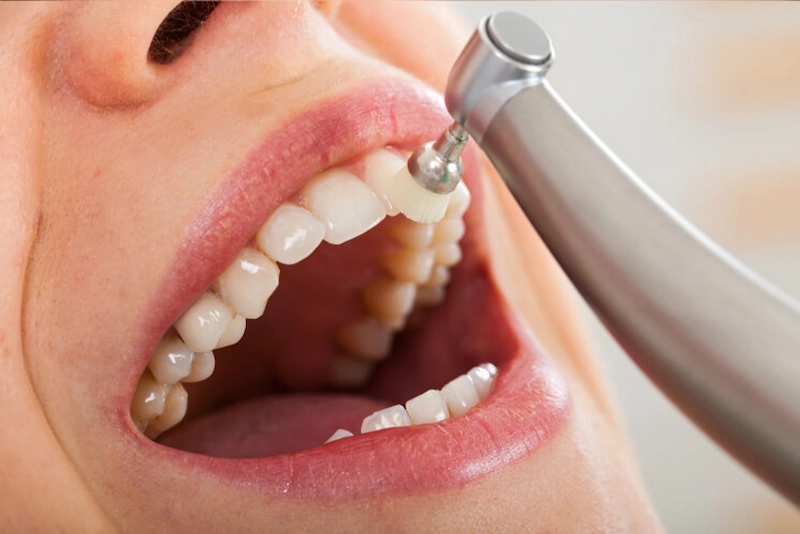
The teeth are then polished. The dentist also checks the gums and teeth for decay, swelling, and other signs of disease.
Some surface scaling is often part of the visit. The key question is how far below the gumline the clinician needs to work.
How Deep Gum Care Works
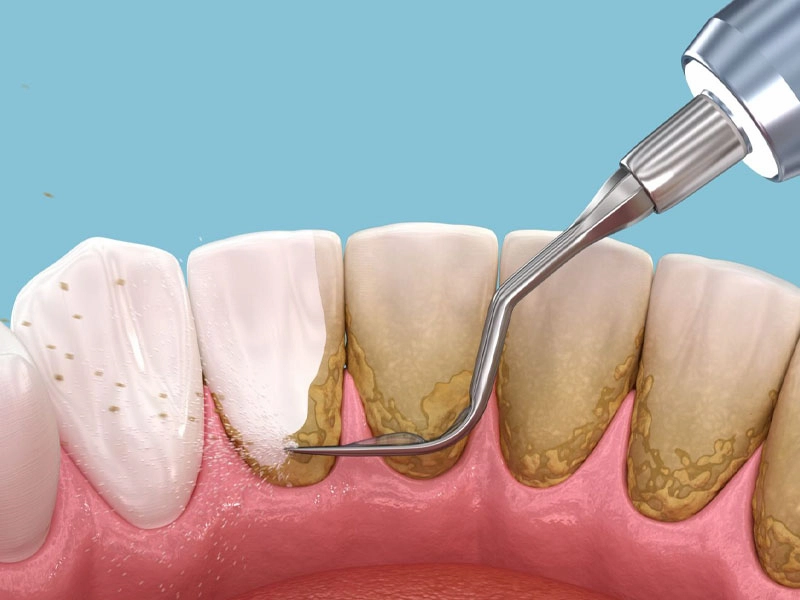
Small hand tools or an ultrasonic device remove hardened buildup. If gum disease is present, the clinician also works inside deeper gum pockets.
Polishing can remove soft stains, but it cannot remove tartar. This is why most professional visits include some form of deposit removal.
Is Scaling a Deep Cleaning?
The procedure does not always mean deep care. Routine treatment may include work above the gumline, while periodontal care reaches below the gums and treats the roots.
Scaling and root planing remove buildup and smooth rough root surfaces. This may help the gums reattach to your teeth and reduce spaces where bacteria can grow.
When Is Deeper Care Necessary?
Signs of gum disease may include:
- bleeding
- swelling
- bad breath
- gum recession
- pain
- loose teeth
If the disease gets worse, it can damage the tissue and bone that hold the teeth in place. This may raise the risk of tooth loss.
A dentist checks gum pockets with a small tool. They may also use low-radiation imaging to look for bone loss. Healthy gums or mild gingivitis may improve with preventive care and better home habits.
Is the Procedure Painful?
Routine care may cause light pressure or brief sensitivity. Patients concerned about whether a deep cleaning hurts should know that the clinician may use local anesthetic to numb the area during the procedure.
Your gums may feel sore for a few days. Your dentist may suggest an over-the-counter pain reliever, also called counter pain medicine, based on your health and treatment needs.
Side Effects and Risks
Teeth scaling side effects may include short-term bleeding, soreness, and sensitivity. Some spaces between the teeth may look larger as swollen gums heal. The treatment does not usually cause gum recession, but existing recession may become more visible.
Call your dentist if you have severe pain, more swelling, fever, pus, or bleeding that does not stop. In some cases, the dentist may prescribe medicine or an antibacterial mouth rinse.
Do Gums Grow Back After Treatment?
Swollen tissue can shrink as it heals. This can make the gums look firmer and less red. Care may improve attachment, but it cannot replace bone or tissue that has already been lost.
Receding gums do not grow back on their own. Treatment can prevent the cause from worsening. Some people may need a gum graft to cover an exposed root.
Recovery and Home Care
Choose soft foods if chewing feels sore. Avoid very hot or cold food until the area feels better. Keep up with regular brushing, but use a soft brush and light pressure near the treated gums.
Deep care removes infection, but buildup can return. Daily flossing, follow-up visits, and good home care help protect long-term oral health.
Teeth Scaling vs. Cleaning Cost
The cost of teeth scaling vs. cleaning depends on how deep the care goes, how many areas need treatment, whether X-rays are needed, and how long the visit takes. You can also review common factors that affect the teeth cleaning rate before your exam. Routine care usually costs less because it does not treat active gum disease.
At Smile Lab, a New Patient Exam & Cleaning costs $250. A Deep Cleaning (Scaling and Root Planing) costs $1,400, including periodontal maintenance treatment (PMT).
Patients who cannot pay the full amount upfront can apply for a payment plan through Cherry. Smile Lab offers 0% financing options, subject to approval, through the Cherry application page.
Dental Scaling vs. Cleaning: Which Do You Need?
Routine care is often enough when the gums are healthy or only mildly swollen. Deeper treatment may be needed when gum pockets measure 4 millimeters or more, tartar sits below the gumline, bleeding does not improve, or X-rays show bone loss around the teeth.
Loose teeth, persistent bad breath, pus, or gum recession can also indicate more advanced disease that may require scaling and root planing. The choice should be based on an exam, gum pocket checks, and imaging when needed. Symptoms alone cannot confirm gum disease.
Get Clarity About Your Gum Health
Fear, cost concerns, or a bad past visit can make it hard to return to the dentist. A clear exam can help you understand your options without shame or pressure. Smile Lab in Union Square can explain whether preventive care or gum treatment is right for you.