Before choosing treatment, you should know whether your concern is cosmetic, health-related, or both. Laser gum in SoHo may help reshape excessive gum tissue, improve an uneven gum line, or support periodontal care, but the right option depends on your diagnosis, oral health, and goals.
At Smile Lab in Union Square, the focus is on helping nearby downtown Manhattan patients understand their options clearly before choosing a treatment plan.
Key Takeaways
- Laser treatment can help reshape excess gum tissue, improve an uneven gum line, or support healthier tissue, depending on the diagnosis.
- Cosmetic contouring and laser therapy for gum disease are different treatments, so a dental evaluation should come before choosing either option.
- Recovery time is usually short, but healing depends on how much tissue is treated and on the area’s health before the procedure.
- Cost depends on the number of teeth treated, the complexity of the case, and whether periodontal health needs care first.
- A good candidate has healthy tissue, realistic goals, and enough visible tooth structure to support safe reshaping.
What Is Laser Gum Contouring?
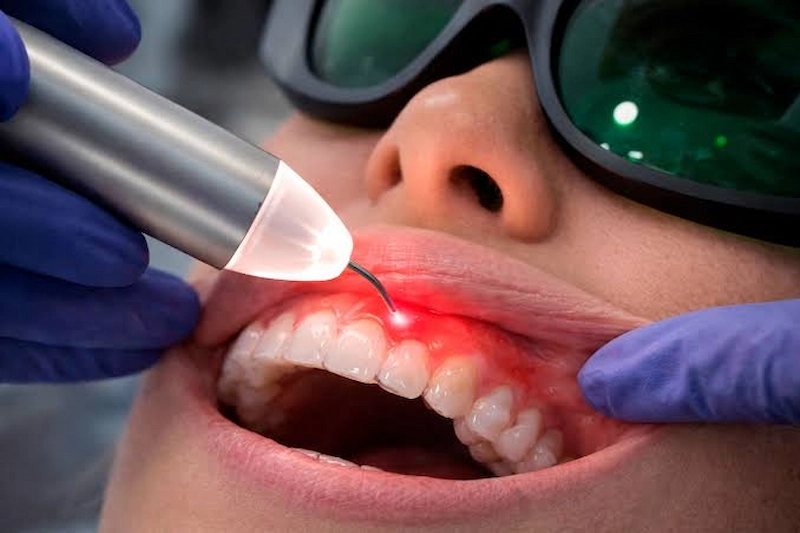
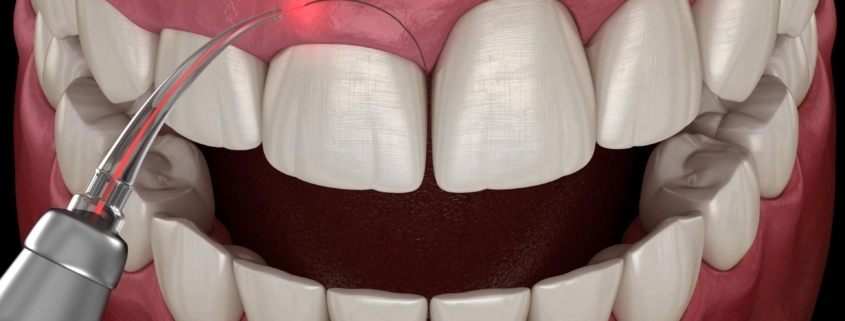
Laser gum contouring is a dental procedure that reshapes soft tissue around the teeth. Dentists use dental lasers and laser technology to precisely adjust tissue, which may reduce bleeding and support smoother healing.
Laser gum contouring in SoHo may help people who want a nearby option for cosmetic reshaping without a long commute across Manhattan.
When This Treatment Helps
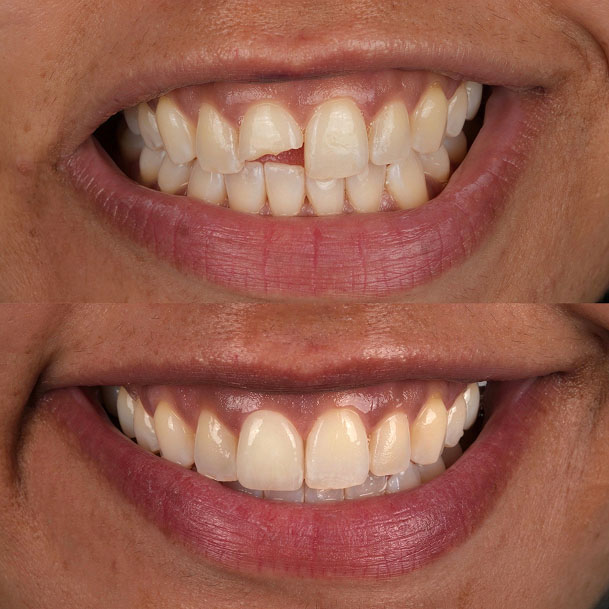
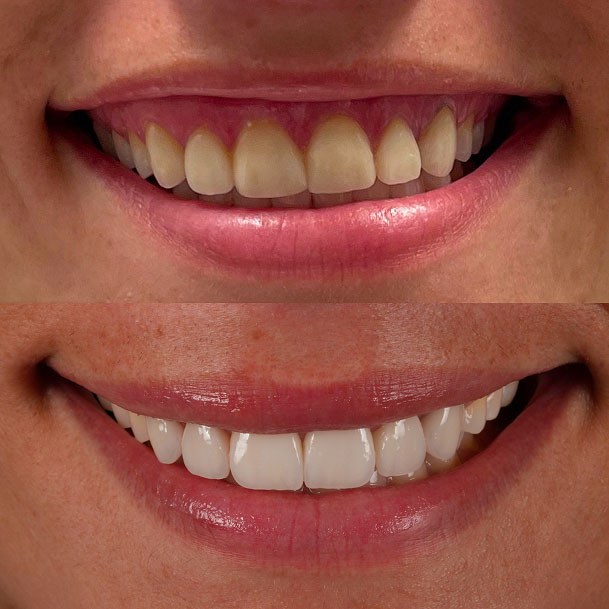
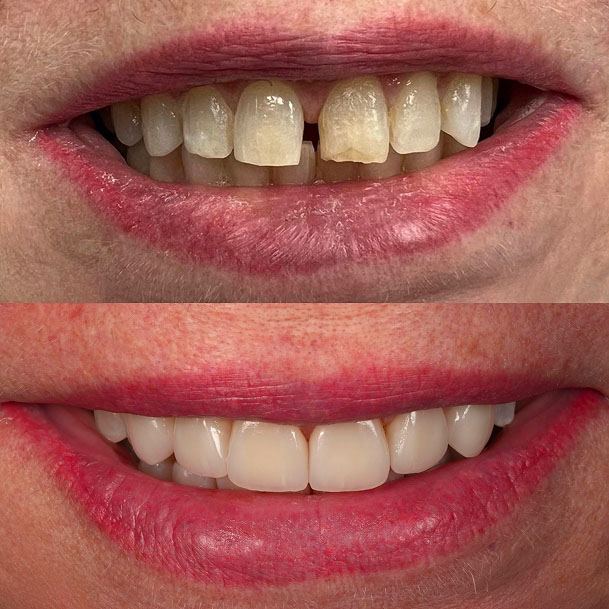
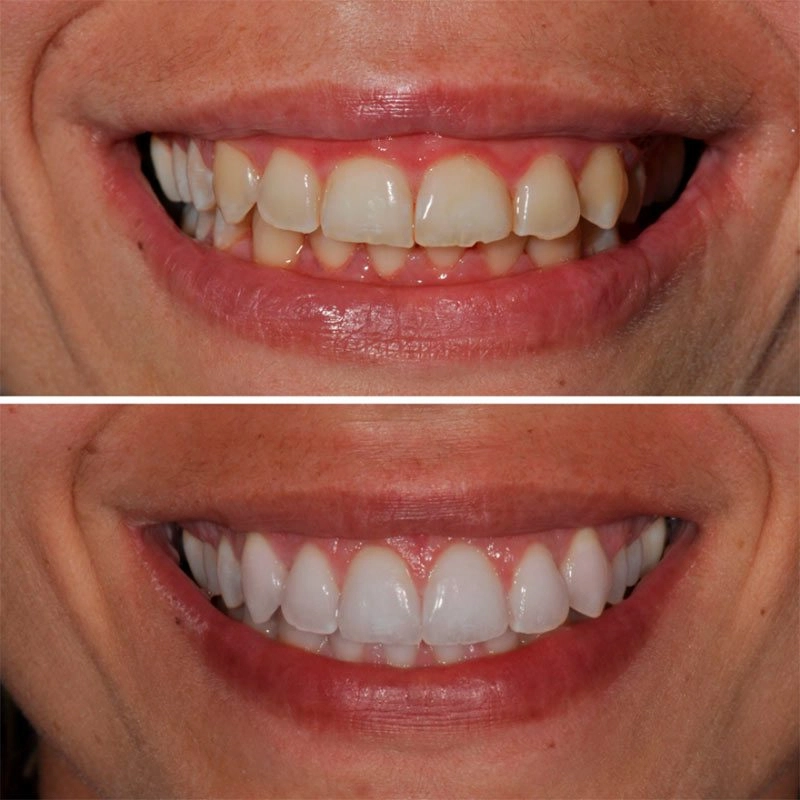
This procedure may help with gummy smiles, short-looking teeth, or uneven tissue around the teeth. Small changes to the gum line can make the smile look more balanced when the concern comes from excess coverage.
Laser dentistry can also support oral health in some cases, but cosmetic contouring is not the same as treatment for gum disease, gum recession, or procedures like a gum graft. Active inflammation should be treated first to reduce the risk of poor healing or unstable long-term results.
How Treatment Works
Before any reshaping, a dentist or periodontist should evaluate the teeth, bite, tissue levels, bone support, and signs of inflammation, especially if you have a swollen gum around one tooth. This helps confirm whether the concern comes from excess tissue, tooth position, altered eruption, inflammation, or lip movement.
If laser reshaping is appropriate, the provider usually numbs the area, outlines the planned tissue changes, and removes small amounts of soft tissue with a dental laser. The goal is to expose a more balanced amount of tooth structure while avoiding over-removal, sensitivity, or an uneven result.
For health-related cases, the process is different. Laser therapy may target inflamed or infected tissue around the teeth, but active gum disease often needs a broader periodontal treatment plan before any cosmetic changes are considered.
Pain, Recovery, and Results
Most patients feel pressure rather than sharp pain because the area is numbed. Recovery time depends on how many teeth are treated and how much soft tissue is adjusted. Some people feel mild tenderness, swelling, or sensitivity for a few days, especially while brushing or eating.
Your dentist may suggest softer foods, careful cleaning, and avoiding anything that irritates the area while it heals. Results can be long-term when the tissue shape is stable, and the cause has been treated. Good oral hygiene helps protect the area and support better oral health after treatment.
Cost and Candidacy
The cost of laser gum treatment depends on the number of teeth treated, the extent of soft tissue involvement, and whether periodontal health requires care first.
Around NYC, cosmetic gum contouring typically ranges from $350 to $1,000 per tooth, while more extensive reshaping may cost more depending on the case, similar to how cosmetic dentistry costs vary by treatment type and complexity.
A consultation gives a clearer estimate than a general online range. A good candidate has healthy tissue, realistic goals, and enough visible tooth structure for safe reshaping. A candidate for laser treatment should also understand that removing too much tissue can create sensitivity or an unnatural result.
Schedule a Consultation
If you are considering gum reshaping or periodontal laser therapy, the first step is a dental evaluation to determine the cause of the concern. Your dentist can check whether the issue relates to tissue levels, tooth position, inflammation, bite, or another factor.
If laser-based reshaping or periodontal treatment is the right next step, your dentist can explain which type of provider or treatment path is best for your case. At Smile Lab, our goal is to help you clearly understand your oral health before making a decision.