When an infected tooth is left untreated, bacteria can spread beyond the damaged tooth root and affect nearby tissue. Prompt care can remove infected pulp, relieve pressure, prevent complications, and help save your tooth.
Key Takeaways
- A root canal can become an emergency when severe pain, swelling, fever, trauma, or signs of infection are present.
- Mild sensitivity may not require same-day care, but symptoms that linger, worsen, or affect a single tooth should be evaluated.
- Before your visit, avoid chewing on the painful side and use over-the-counter pain relievers only as directed.
- A dentist confirms the problem with a symptom review, clinical exam, and digital imaging when needed.
- Timely root canal treatment can relieve pain, remove infected tissue, and help save the tooth when restoration is possible.
How Urgent Is a Root Canal?
Treatment is urgent when pain is severe, swelling appears, fever develops, or signs of infection are present. In those cases, same-day root canal care is the right call, because the problem may worsen if bacteria spread beyond the damaged tooth.
If symptoms are mild, such as brief sensitivity or manageable discomfort, it may not be an emergency. Still, you should schedule an exam soon so the dentist can check whether root canal therapy is needed before the affected tooth becomes harder to save.
Same-Day Care vs Waiting
Mild discomfort or brief sensitivity may be managed until a scheduled visit. Severe symptoms, extreme pain, or swelling should be evaluated by an emergency dentist sooner.
What Qualifies as Urgent Dental Care?
This treatment may become urgent when infection, nerve exposure, or trauma affects the inner tooth. It may help relieve pain, clean the canals, and reduce the risk of infection spreading.
Severe Pain, Swelling, or Fever
Pain when biting, fever, swelling, or pressure near the affected tooth can suggest a root infection. If you are experiencing severe tooth pain or if a tooth becomes sensitive to hot drinks and has lingering sensitivity to hot or cold, you should schedule an evaluation.
Cracks, Trauma, or Bad Taste
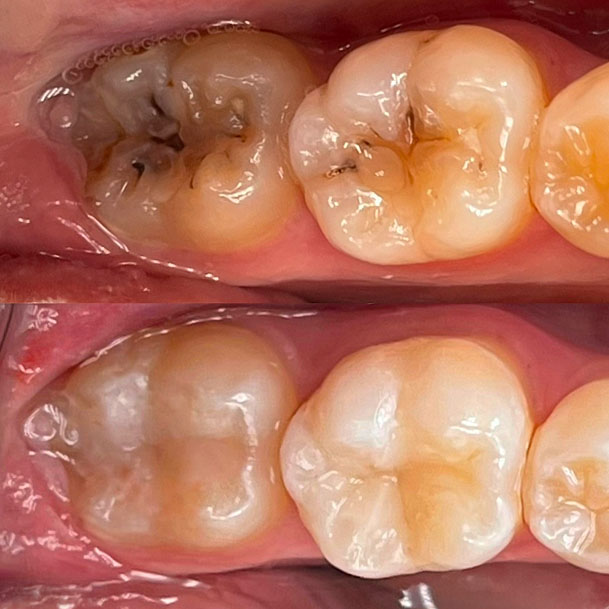
A cracked tooth, deep decay, or injury can expose the pulp to bacteria. A bad taste may be due to drainage, especially when gum tenderness or swelling is also present.
What to Do Before Your Visit
Protect the damaged tooth until you can be seen. Avoid chewing on that side, skip hard or sticky foods, and do not place heat directly on the area.
Over-the-counter pain relievers may help temporarily, but they do not treat the cause. Temporary fillings may protect a damaged spot for a short time, but they cannot replace a dental exam.
How Dentists Confirm the Problem
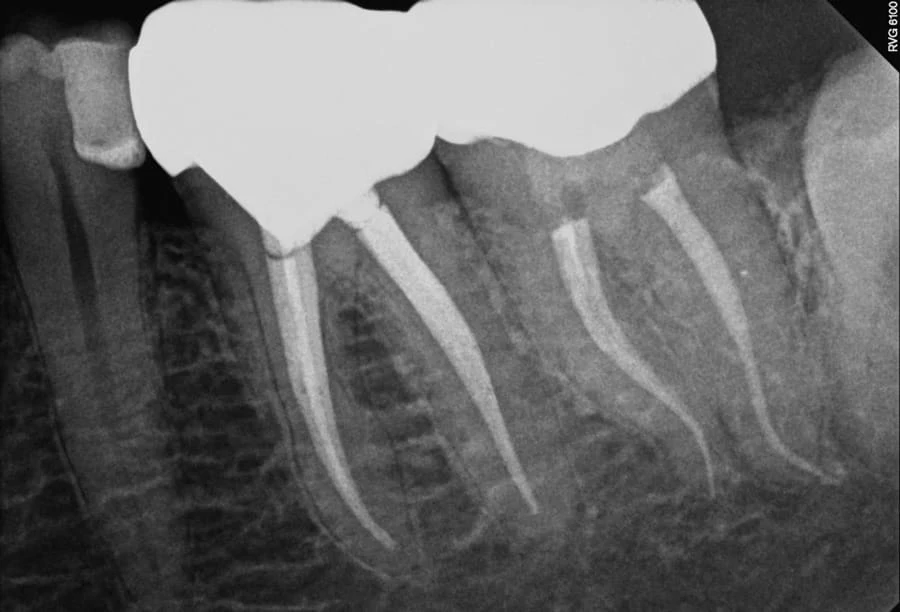
A dentist checks your symptoms, examines the damaged tooth, and may use imaging to see deep decay, infection, cracks, or bone changes. At Smile Lab in Union Square, root canal treatment follows Dr. Waise Ebrahimi’s conservative approach, focused on preserving natural tooth structure when possible.
Exam, Symptoms, and Digital Imaging
Low-radiation digital imaging can help confirm whether root canal treatment, another dental procedure, or monitoring is the right next step for your oral health.
What Happens During Treatment?
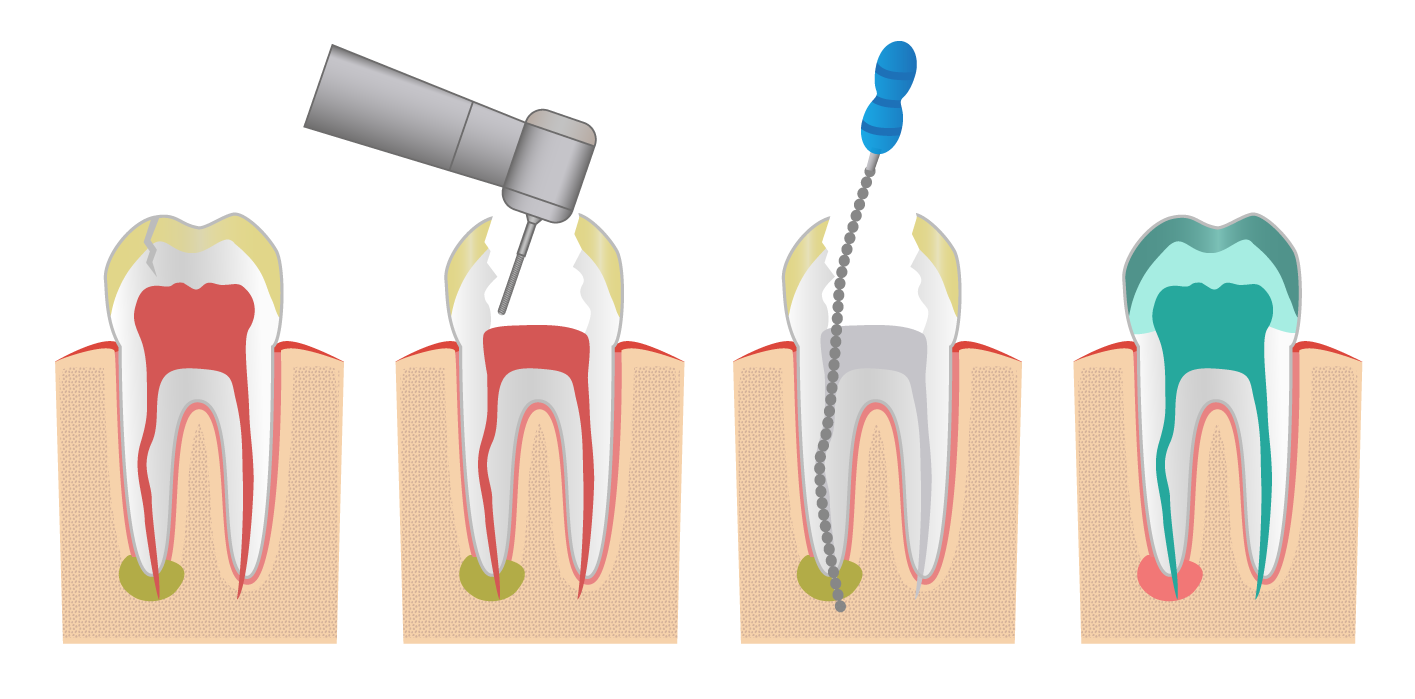
During treatment, the dentist numbs the area to keep you comfortable, then opens the affected tooth to access the infected or damaged tissue inside. The infected pulp is removed, and the inside of the tooth is cleaned, shaped, and sealed to reduce the risk of reinfection.
Cleaning, Filling, and Protection
This follows standard treatment steps described by the American Association of Endodontists and the American Dental Association: remove infected pulp, clean and disinfect the canals, fill and seal the space, then restore the tooth for protection.
How Long Does Treatment Take?
The treatment usually takes about 60 to 90 minutes, but the duration depends on the tooth, the infection level, and whether a crown or final restoration is needed. Some cases can be completed in one visit, while more complex infections may need a second appointment.
The root canal procedure usually includes numbing the area, cleaning the canals, removing damaged tissue, filling the space, and protecting the affected tooth. Your dentist can provide a clearer timeline after the exam and imaging and may also give you instructions on what to eat after a root canal while the tooth settles.
Same-Day Dental Care in NYC
If pain is disrupting your workday, commute, or sleep, you do not need to guess whether it is serious. Smile Lab can evaluate the tooth, explain your options, and help you make a clear decision about whether emergency dental care is the right next step.
Schedule Your Visit if pain is severe, swelling appears, or symptoms keep returning. A timely exam can help protect your tooth and give you a clear plan.